
Have you ever thought about how a digital marketplace might change the art world? OpenSea NFT isn’t just a trading website, it’s a meeting place where collectors and creators come together in a secure, self-managed space. Picture it like having your own safe with a key that only you hold.
In a world where transactions can be huge, knowing that OpenSea puts safety and simplicity first makes all the difference. This post explains why OpenSea is shaking things up for digital art and collectibles.
How the opensea nft Marketplace Works
OpenSea started in 2016 and quickly became a popular place to trade digital art and collectibles. Every day, thousands of deals happen here, sometimes worth billions of dollars. It’s like a bustling digital bazaar where art meets technology, and collectors and creators come together.
It runs on a peer-to-peer system, which means you remain in charge of your digital wallet at all times. When you hook up a wallet like MetaMask or Coinbase Wallet, you keep complete control over your assets. Think of it as having the keys to your own safe, where every trade is managed by you without outside interference.
| Feature | Description |
|---|---|
| Minting Tools | Creators can easily upload their work and turn it into an NFT. |
| Auction Types | Sellers have the option to set fixed prices or run timed auctions based on their needs. |
| Verified Badges | Look for these markers to be sure an item is genuine. |
| Gas Optimization Options | Guides help you keep an eye on and lower transaction fees. |
| Cross-chain Browsing | Explore collections from various blockchains all in one place. |
| Pro Aggregator | Collects listings from many NFT sites so you can compare prices easily. |
OpenSea is built for everyone, from the new collector who is just starting out to the seasoned trader who knows the ropes. Its simple and friendly design makes it a welcoming spot in the digital asset world. With your control front and center, it’s no wonder OpenSea stays ahead in the NFT space.
opensea nft Account Setup and Wallet Integration
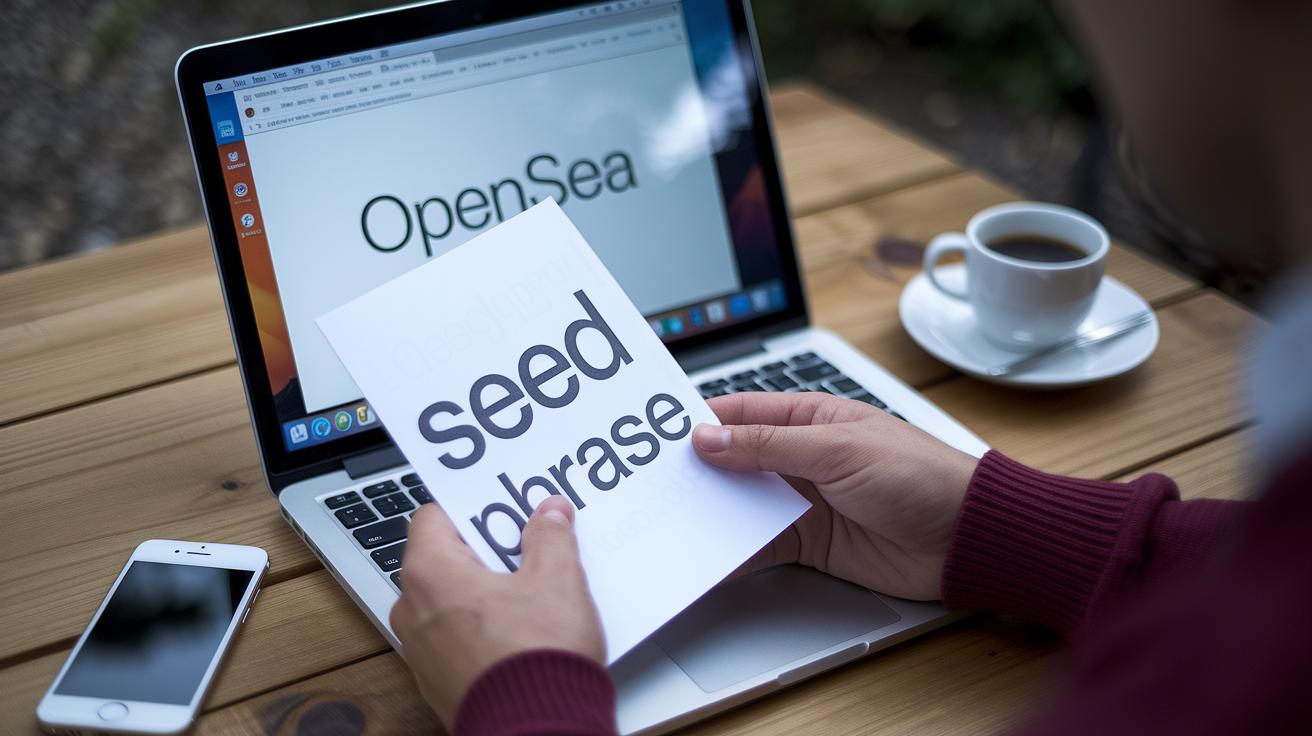
To keep your digital tokens safe, it starts with setting up your own wallet that only you control. This wallet holds your ETH (Ethereum’s digital money) and NFTs (unique digital items) so you can manage them with confidence.
First, install a trusted wallet like MetaMask or Coinbase Wallet as a browser extension or on your phone. Next, create a new wallet and be sure to write down your seed phrase on paper, this is the key to recover your wallet if needed. Then, get some ETH by purchasing it or transferring it in; ETH covers both your purchases and the small fees (gas fees are like transaction charges for using the network).
Now head over to OpenSea and click the "Connect Wallet" button at the top. Approve the network permissions and sign the request to link your wallet to OpenSea. Once you see your wallet address in the header, you know everything’s set up correctly.
Verifying your wallet connection before making transactions ensures a smoother ride and keeps your digital treasures secure.
Buying opensea nft: A Beginner’s Guide
Buying an NFT on OpenSea starts with a few simple choices. You decide whether to lock in a set price by clicking "Buy Now" or enter an auction to place a bid. It’s kind of like choosing between snapping up your favorite gadget at a fixed price or joining a lively bidding contest.
Once you have your eye on an NFT, make sure your digital wallet is connected and loaded with enough ETH (Ethereum, which is a type of digital money) to cover both the purchase and the gas fees (small charges that help run the network). First, select the NFT, review its details, and confirm that the price fits your budget. Keep in mind that gas fees may vary if the network is busy.
After you approve the purchase and pay the necessary fees, the NFT is transferred to your wallet, much like finalizing an online order with confidence.
If you’re a more advanced buyer, OpenSea also offers options like collection and trait offers. This means you can set a target price for a group of items or focus on NFTs with specific features. It adds a clever strategy twist to trading in the fast-moving world of digital art.
For more tips on buying digital art, check out this guide: how to buy nft.
Selling and Auctioning opensea nft on the Marketplace
When you decide to sell on OpenSea, the first thing you need to do is connect your wallet, like MetaMask or Coinbase Wallet. Your wallet is like your digital safe, it holds your assets and gives you control over your transactions. Once your wallet is linked, you can choose an existing NFT or create a new one to sell.
The process is as simple as following a step-by-step guide. The site helps you pick the right type of sale and set up your listing with ease. It’s a bit like setting up a secure safe deposit, each step confirms that you are in charge of your digital assets.
There are two main ways to sell your NFT on OpenSea. One is a fixed-price sale, where you set the amount and the sale happens immediately when someone agrees to your price. The other is a timed auction, which lets you set a price range. In a timed auction, you can even set a reserve price, a minimum amount that must be reached before the sale is finalized. This auction approach creates a buzz, allowing bids to come in until the deadline.
Every time you make a sale, you’ll notice a clear fee structure. OpenSea takes a 2.5% service fee on each secondary sale, and then there are gas fees, those are small charges that go to the blockchain network (a digital ledger that records transactions). Gas fees change with network demand, so it’s smart to plan for both fees when you set your pricing.
Next, you have to factor in these costs to ensure your sale suits your financial goals. It’s all about paying attention to each detail and ensuring you get the best value for your NFT.
Minting opensea nft: Step-by-Step Tutorial

Begin by clicking the Create button on OpenSea. Here, you upload your media file and add important details like your title and description. It’s like setting the stage for your digital collectible. Fill in all the details carefully and, if you want to include a little surprise for your buyers, add unlockable content such as behind-the-scenes notes, a certificate, or bonus art. You might even write, "My artwork comes with an inspiring story," so everyone knows the heart behind it.
Next, pick the blockchain network you prefer. You can choose Ethereum, where a fee is required at the time of minting, or go with Polygon, which offers lazy minting that keeps your costs low upfront. Also, decide on your creator royalty percentage. This is the share you earn each time your NFT is resold, much like getting a commission every time someone admires and buys your work again.
Finally, take a moment to think about gas fees. If you mint on Ethereum, be prepared to pay a fee that can change depending on how busy the network is, imagine it as a tip that helps keep the digital system running. In contrast, Polygon’s lazy minting lets you skip immediate fees, making it easier to get started. Overall, this process makes OpenSea a friendly and accessible platform for launching your digital art without heavy initial costs.
Understanding opensea nft Fees and Gas Optimization
OpenSea charges a 2.5% fee on every resale, much like a small commission for using the platform. Gas fees come directly from the blockchain and act like a toll that rises when the network is busy and falls when it's quiet.
For those wanting to keep costs low, smart strategies go beyond just waiting for a slow period. Use real-time gas tracking tools to see when fees drop and plan your moves accordingly. If you're minting on Polygon, consider its lazy minting option to lower initial gas costs. And when possible, group your transactions so that you share the overall cost across several actions.
Imagine timing your mint right when fees are at their lowest, like catching a perfect wave. This approach helps you manage costs and adds a bit of predictability to your transactions.
Security and Authenticity on opensea nft
OpenSea shows a verified creator badge to let you know an NFT is the real deal. Think of that badge as a friendly note saying, "This piece comes from a trusted source." When you see it, you can be more certain that the work was made by a recognized artist. Without that badge, there's a chance you might end up with an unverified item, which could be risky. So, checking for these badges is a simple first step to keep your transactions secure and your investments safe.
Keeping your digital assets safe is about sticking to a few smart habits. Always take a moment to review the transaction history and watch out for odd links or offers that seem way too good to be true. Protect your account by keeping your wallet’s seed phrase in a secure spot and by turning on two-factor authentication for an extra layer of defense. Regularly checking your linked wallet and comparing it with known, verified creators can really help ward off fake collections. This easy routine goes a long way in keeping your digital tokens secure in an ever-changing market.
Advanced opensea nft Tools: Pro Aggregator and API
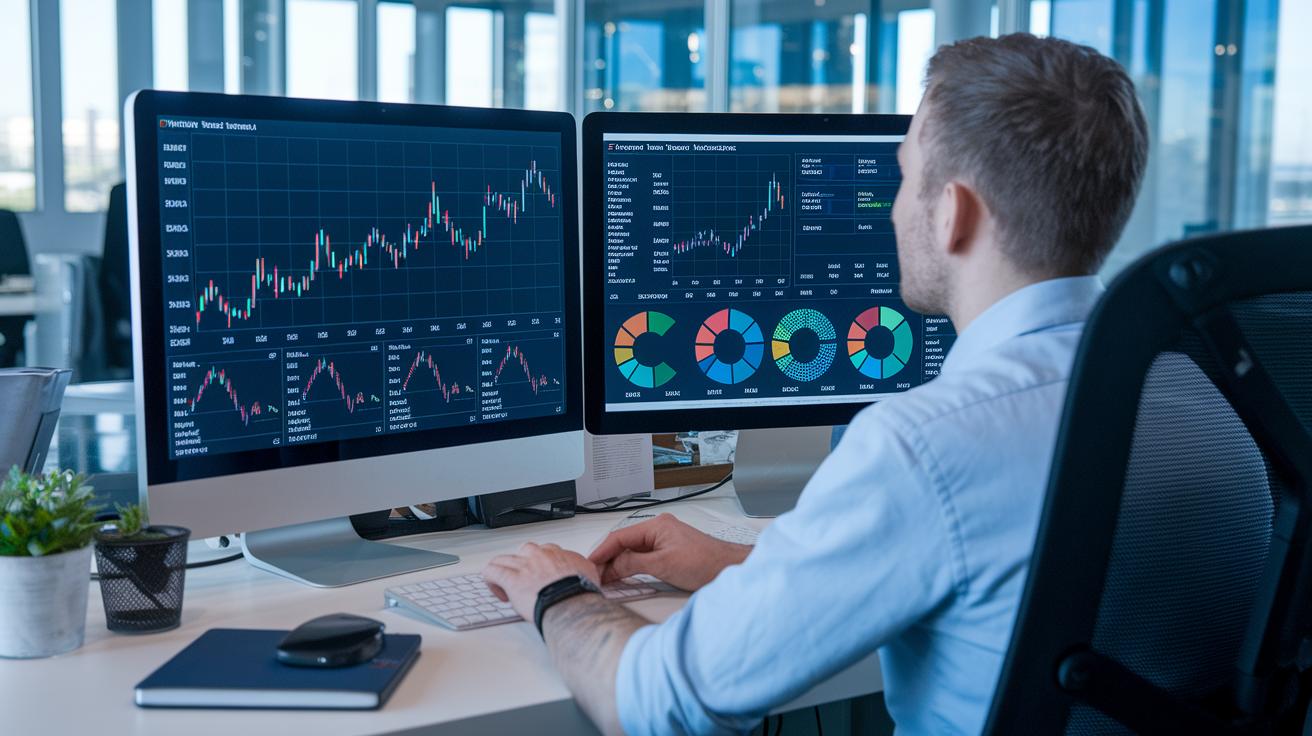
OpenSea gives digital art traders and developers a set of handy tools that make navigating the NFT world simpler. These tools help you figure out prices, get a feel for trading volume, and keep an eye on gas fees. In short, they offer clear, real-time data so you can make smart moves in a lively, ever-changing market.
OpenSea Pro Aggregator
The Pro Aggregator checks over 170 NFT marketplaces to find the best listings and the lowest gas fees. It gathers live volume data to uncover opportunities for cross-platform trades. Think of it like a smart guide that brings together market insights from many sources, helping you spot good chances at just the right moment.
API and Analytics Dashboard
The API and analytics dashboard give developers deep insight into the market. They display live floor prices, trading volumes, and even trends on rarity in a straightforward format. With API access, you can build custom apps that watch and analyze the market, turning raw numbers into usable insights that resonate with the pulse of NFT trading.
Advanced users should definitely give these features a try. They offer a clear and efficient view of the market, paving the way for better NFT trading and development, and setting the scene for future innovation in managing digital assets.
Final Words
In the action, we broke down how the opensea nft marketplace works, from account setup and wallet integration to buying, selling, and minting digital assets.
Every section explained key steps like fee breakdowns, secure trading practices, and exploring advanced tools for smart decisions.
Each insight empowers you to build a robust digital asset portfolio while staying ahead of market trends.
Keep your eyes on opportunities and let your digital asset journey spark confidence and growth.
