Have you ever thought about NFTs as more than just digital pictures? They can be much more special than you might expect.
Each NFT comes with unique traits that turn a simple image into something one-of-a-kind. It’s like adding a rare spice to your favorite recipe, you end up with a flavor that really stands out.
When these rare features join up with a strong, well-rounded collection, both collectors and everyday buyers take notice. In short, this mix of rarity and quality is the secret behind smart moves in the digital world.
NFT Rarity and Collection Quality: Stellar Investment Value
NFT rarity tells you how hard it is to find a particular digital token compared to others in its group, while collection quality checks the overall strength of that group. Basically, if a token has a trait that's really rare, it grabs extra attention in the market, which can make its price go up quickly. This idea plays a big role in what we call digital collectible rarity analysis, a process that measures token scarcity in simple terms.
Each NFT comes with its own mix of traits that give it a unique rank. Imagine each trait as a special ingredient, like a unique color or a cool accessory, that makes the token stand out. When these features come together, they create a profile that both collectors and investors can easily understand. A token with traits found in only a few other tokens usually ends up more valuable. In short, checking how rare these traits are is a smart way to pinpoint tokens that could grow in value and keep attracting buyers over time.
Investors keep a keen eye on NFTs that mix unique features with consistent quality. By matching a careful look at each trait with the overall standard of the collection, buyers can better guess how market interest might drive prices up. This approach of weighing rare traits against overall quality is a helpful strategy that can save time and money, making it easier to choose smart trading moves and aim for long-term gains.
NFT Rarity: Metrics for Digital Collectible Rarity Analysis
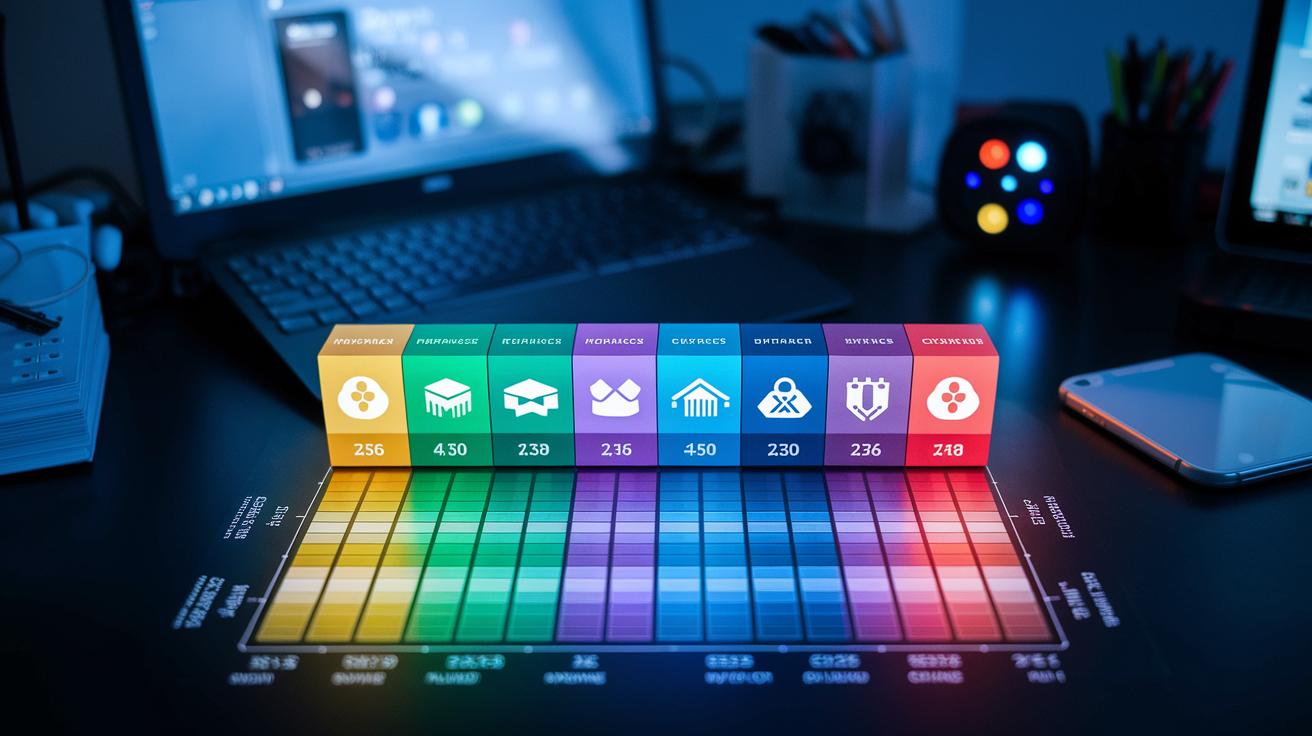
Rarity metrics are a key tool for both investors and collectors. They provide a simple way to compare digital tokens by focusing on what makes each one special. In short, these methods look at different traits of a token, be it color, design, or a rare feature, and break down how unusual they are into easy-to-understand numbers.
- Trait Rarity Ranking – This measures rarity based on how common or rare an individual feature is.
- Average Trait Rarity – This finds the average level of rarity across all traits in a token.
- Statistical Rarity – This uses basic probability to score how likely a specific set of traits is.
- Rarity Score – This combines all the methods into one weighted score for a clear overall picture.
Each measure helps calculate a token’s complete rarity score. By noting how frequently certain traits appear, even small differences can greatly influence a token’s market value. This detailed analysis lets you quickly spot tokens that really stand out. In short, using these four methods together gives you a trustworthy framework to understand both the obvious and subtle qualities of each digital asset, making it easier to make smart choices in the market.
NFT Collection Quality: Grading Systems & Standards
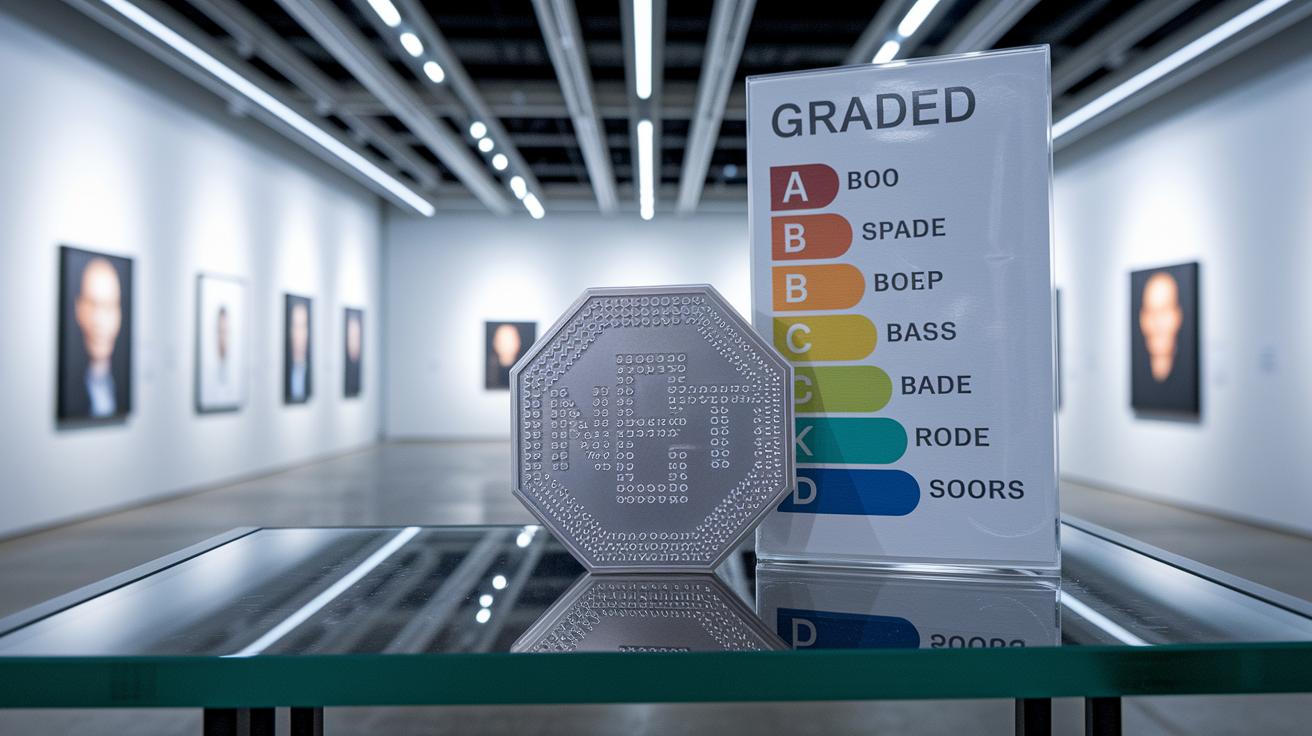
Grading systems give investors and collectors an easy way to see how strong an NFT collection is, sort of like a school report card for digital assets. They break tokens into clear groups based on how rare they are and set score limits, which simplifies what might otherwise seem like a complex review.
Most systems sort tokens into grades like S, A, B, C, and D. For example, tokens in the top 1 percent earn an S grade, showing they’re among the rarest in the collection. Tokens in the 1 to 5 percent range get an A grade, 5 to 15 percent fall into B, 15 to 30 percent are in C, and any token above 30 percent lands in grade D. This clear breakdown helps show an NFT’s scarcity and hints at its potential influence on price, making it easier for everyone, from beginners to seasoned collectors, to make smart decisions.
| Grade | Rarity Percentile | Typical Price Impact |
|---|---|---|
| S | Top 1% | +50–100% |
| A | 1–5% | +30–50% |
| B | 5–15% | +10–30% |
| C | 15–30% | ±0–10% |
| D | >30% | -10–0% |
Keeping strong quality control standards is key for protecting both value and authenticity. By making sure the data is correct, traits are genuine, and rarity is measured the same way throughout a collection, grading systems lay a firm foundation for smart, long-term investments in digital assets.
NFT Rarity and Quality Analysis Tools
When it comes to checking out digital assets, having the right tools makes all the difference. These specialized tools simplify the process of confirming authenticity and set clear yardsticks for judging entire collections. In short, they help you compare tokens and gauge their market strength with ease.
Take Rarity.tools for example. This site is a favorite among investors who want quick insights. You just type in a project name and token ID – like CryptoPunk #5522 – and it shows you the rarity rank, detailed traits, total sales, and average prices. Think of it as a financial report that lays out every crucial detail so both beginners and pros can make smart moves.
Then there’s Rarity Sniper. It tracks around 1,800 collections across 18 blockchains (blockchain: a secure, digital ledger). With its cool Discord bot, you send a command with the NFT info and get back instant rarity rankings. This speed is key when the market is buzzing.
NFT Stats goes further by giving a full market snapshot. It displays 24-hour trading volumes and record sales figures. Its Rarity Explorer tool is like a magnifying glass that shows exactly how rarity numbers play into the overall value of digital assets, a bit like checking a detailed bank statement.
Traitsniper focuses on new or soon-to-launch collections. It offers handy details like floor prices (the lowest price available), royalty info, and quick links to platforms like Discord and OpenSea. Whether you use the free version or opt for premium, it delivers fast, real-time drop data that investors can rely on.
For those into Solana NFT collections, HowRare.is is the dedicated tool you need. Just plug in an NFT ID and you’ll get immediate rarity info along with insights on upcoming drops and recent sales. Its focused approach makes sure you can verify the asset’s authenticity quickly and confidently.
In short, picking the right tool depends on the size of your collection, the blockchain it uses, and how deep the data goes. When you choose the right one, you can keep your evaluation process solid, ultimately fueling smarter trading decisions.
NFT Rarity and Collection Quality: Investment Assessment Best Practices

Mixing traditional signals with fresh data helps you make sharper investment calls. You still look at trading volume, community buzz, and scarcity percentages, but now you add checks like holder diversity and liquidity (that's how fast you can turn an asset into cash). For instance, one case showed that NFTs held by a wide range of collectors did better when the market moved quickly.
Start by gathering close-up details on each token. Look at trait frequencies and how much social chatter surrounds it. Then, compare those numbers to what you usually see to spot unusual trading spikes. One project found that tokens with a surge in social buzz combined with consistent authenticity markers saw quick jumps in their floor prices. Even though verified digital certificates still confirm authenticity, new stats like on-chain transaction speed offer a fresh perspective.
Keep a regular pulse on your investments with tools that show real-time changes. Dashboards that blend floor price movements with live holder sentiment and liquidity shifts let you adjust your holdings on the fly. By blending tried-and-true signals with these new measures, you get a clearer, data-driven picture of how your investments might perform.
Final Words
In the action, our article explored how nft rarity and collection quality shape digital asset value. We broke down core concepts like trait rankings, grading systems, and the role of specialized tools in assessing market trends. These insights help in spotting attractive tokens and gauging overall risk while keeping portfolios secure. The discussion tied together practical metrics with clear quality assessments, making smart investing in digital assets feel more straightforward. Stay positive and confident as you apply these ideas to sharpen your investment edge.
FAQ
What does rarity mean in NFT?
The idea of rarity in an NFT means that a token has unique traits found in few other tokens. This uniqueness can boost its appeal and value among collectors.
What makes a good NFT collection?
The concept of a good NFT collection is built on coherent quality standards and clear rarity metrics. High-grade collections display consistent metadata and balanced trait distributions that investors appreciate.
What is the NFT rarity ranking?
The notion of the NFT rarity ranking refers to a score and position that estimates a token’s uniqueness compared to its peers. This score is computed using standardized methods assessing trait frequencies.
How do you know if your NFT is rare?
The method to check if your NFT is rare involves using specialized tools that calculate rarity scores. These platforms analyze individual traits and trait combinations to highlight tokens with distinct features.
How do NFT rarity calculators and checkers work?
The function of NFT rarity calculators and checkers is to analyze each token’s traits with algorithm-driven computations. They provide rankings to help collectors identify tokens with uncommon attributes.
What is a Rarity NFT marketplace?
The idea behind a Rarity NFT marketplace is to offer a platform where tokens are organized by their rarity rankings. This setup makes it easier for collectors to find desirable, high-appeal NFTs.
What are Rarity Sniper and Rarity Tools?
The role of Rarity Sniper and Rarity Tools is to provide rapid rarity rankings and detailed trait breakdowns. They assess token uniqueness using data-driven methods that inform buying decisions.
What does an NFT traits generator do?
The purpose of an NFT traits generator is to help creators design tokens with distinct attribute combinations. By varying traits, these tools can influence a token’s rarity ranking and market perception.
