
Ever wondered why some NFTs grab your attention right away? Think of NFT rarity like discovering a hidden gem in a box of everyday cards. In this guide, we share simple tips to help you spot these special digital assets. We look at unique features, like special colors or designs, that can signal an NFT’s potential to become more valuable over time. This simple approach gives beginners a clear way to see which tokens stand out. Ready to learn how tiny details can make a big difference?
Fundamentals of NFT Rarity for Beginners
Think of NFT rarity as a way to measure how special an NFT is, much like spotting a rare trading card in a big collection. Every NFT comes with its own features, like unique design, colors, or other details, which set it apart from the rest. The rarity score is a simple number that tells you how likely you are to find that NFT among many others, and this matters because a rare NFT usually attracts higher prices due to supply and demand.
To break it down, you look at how often certain features appear in the whole collection. Even if a few NFTs share a cool trait, each one is minted with its own mix of characteristics. By comparing these traits, you get a clear picture of which NFTs are truly one-of-a-kind.
Here’s a quick look at the factors that come into play:
| Factor | Description |
|---|---|
| Trait Frequency | How common each feature is within the collection |
| Total Supply | The overall number of NFTs in that series |
| Creator Reputation | The trust and following built by the creator |
| On-Chain Verification | A digital check confirming the token’s details |
Understanding these basics is key for anyone starting out in the world of digital assets. When you know what makes an NFT rare, you’re better equipped to spot those tokens that might be more valuable in the future. It’s like piecing together a puzzle where every little trait adds up to one simple number, helping you feel more confident about your investment choices.
Ever notice how small details can change the whole picture? That’s what makes exploring NFT rarity such an engaging journey. Enjoy the ride as you learn more about this exciting digital frontier!
Key Metrics and Methods in NFT Rarity Evaluation

NFTs are one-of-a-kind, and each one comes with its own set of special features. People use different tools to check which tokens really stand out by comparing their traits with the rest of the collection. Some methods give you a quick idea of rarity, while others take a deeper look by giving extra weight to certain features. These simple tools help you see how common or unique a trait is, bringing clarity to what might seem like a complicated field.
| Method | Calculation | Best For |
|---|---|---|
| Trait Rarity Ranking | 1 ÷ (trait count / total NFTs) | Quick checks |
| Average Trait Rarity | Sum of individual trait rarities ÷ trait count | Collections with many features |
| Statistical Rarity | 1 ÷ (likelihood of trait combinations) | Finding rare combos |
| Rarity Score | Weighted sum of trait rarities | Overall detailed view |
Every method gives you a fresh look at a token's uniqueness, making it easier to decide its value. Calculating these rankings means lining up a token’s trait frequency with the whole group so you can spot those really rare gems. If you're curious for more details, check out how to calculate NFT rarity for a closer look at the numbers behind these measures. Knowing these differences gives beginners the confidence to weigh up their next digital asset investment.
Top Tools for NFT Rarity Evaluation

NFT rarity tools work like little guides that help you see just how special a digital item is. They come with different features so you can pick what works best for you.
- Rarity.tools lets you sift through collections using four different ways to spot rare traits. It shows you detailed features, although the design might feel a bit clunky at times.
- Rarity Sniper covers nearly 1,800 collections spread over 18 blockchains (basically, secure networks that keep your digital data safe). It also enjoys a big following on social media, which tells you it has a vibrant and active community.
- Trait Sniper gives you complete rankings in under a minute. You can easily sort by trait, rank, and price. Plus, it even comes with a handy Chrome extension.
- icy.tools provides real-time charts and data feeds, along with extra premium features. Since it launched in 2021, it’s become a go-to choice for traders looking for up-to-the-minute information.
If you’re just starting out, it’s a good idea to try a few different platforms. That way, you can compare the results and get a full picture of what makes an NFT unique. Some of these tools even break down rarity using weighted traits, as explained in the nft rarity score explained guide, so you feel more confident in your digital asset decisions.
Step-by-Step Guide to NFT Rarity Evaluation
When you start evaluating NFT rarity, having a clear plan makes the whole process much simpler. It’s like sitting down with a cup of coffee and mapping out your strategy step by step.
-
Pick an NFT collection that grabs your interest and write down its token ID. Think of it like choosing a unique trading card from your collection, the token ID is that special number that sets it apart.
-
Load the token into your chosen rarity tool. Simply enter the token ID into the tool you trust, much like scanning a barcode on a product to see all its details.
-
Look at how often each trait shows up across the collection. In plain language, check out the numbers behind each feature. It’s similar to counting the rare designs in your card deck to see just how special they are.
-
Check the overall rarity score and find out the rank. This score combines all the individual traits into one number, giving you a quick idea of where your NFT stands compared to the rest.
-
Take a moment to see what the community is buzzing about and review the latest sales figures. It’s like reading online reviews before buying something, you get the full picture from those who have already experienced it.
-
Finally, confirm the token’s authenticity by checking its metadata and on-chain details (on-chain means the data recorded on a blockchain, which is a secure digital ledger). This step is much like verifying a certificate of authenticity for a prized collectible.
By following these steps, you make sure you don’t miss any important clues about an NFT’s true appeal. Each step builds on the last, blending clear data with a little community insight to help guide your investment decisions.
Interpreting NFT Rarity Scores and Market Value

Understanding NFT rarity scores is a bit like reading a clear road map to digital art value. When an NFT boasts traits that are really uncommon, scarcity kicks in and makes it more sought after. Think of it like finding a rare trading card, if only a few exist with that special detail, collectors are more eager to pay a premium.
Take the Bored Ape Yacht Club, for example. Their digital tokens show off unique features like standout expressions, custom accessories, and distinct designs that set them apart. When buyers spot a token with limited traits in a huge collection, they instantly see its extra appeal. This mix of creative design with rare details naturally drives up its market price, similar to how a unique collectible card fetches higher bids.
When you're choosing your next NFT, it helps to look at the rarity score along with the unique traits and the overall buzz from the community. In short, weighing these factors can really guide you to make a smarter, more confident investment in digital collectibles.
Common Mistakes and Tips for Novice NFT Rarity Evaluation

A big mistake many newcomers make is leaning on just one tool's algorithm. That single method might give you the wrong idea about an NFT’s real value. And often, beginners miss out on what the community is saying, skipping important hints about trends and shifts in a token’s popularity.
Another pitfall is not checking on-chain details like token metadata (extra info about an NFT’s design and history) and provenance (its verified origin). These clues can really help you see if an NFT is authentic. When you skip these steps, you end up with only part of the story on an NFT’s rarity and overall market appeal.
- Double-check results with several rarity checkers
- Keep an eye on the trait supply breakdown across the collection
- Look at token metadata and provenance directly on-chain
- Watch for popular traits over time and feel the community vibe
Following these steps gives you a clearer picture of what makes an NFT unique and trustworthy. This way, you not only dodge common mistakes but also build a more well-rounded approach when evaluating digital assets.
Glossary of Key Terms in NFT Rarity Evaluation
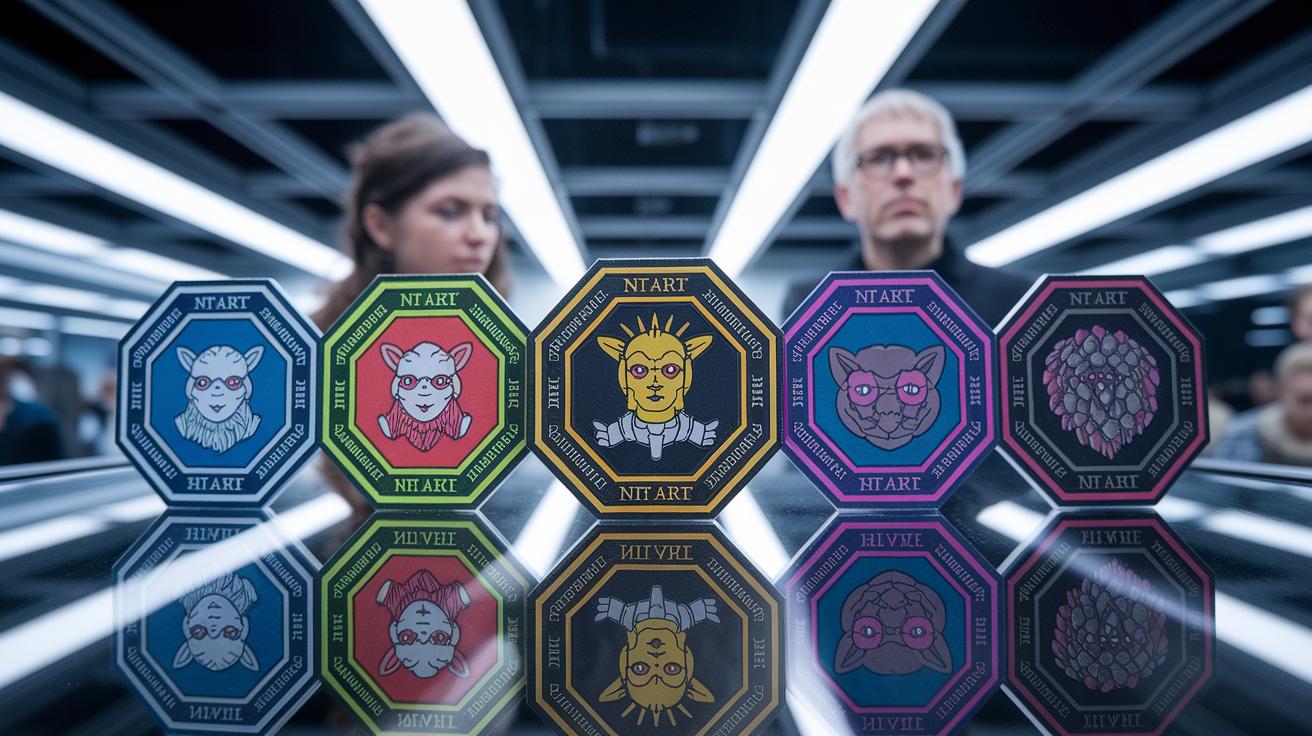
NFT Rarity Score: This score adds up how rare each feature of a digital token is to give an overall rating. For example, if a token shows several unique design elements, someone might say, "A token with a rarity score of 85 is like owning a limited-edition art print that everyone treasures."
Trait Rarity Ranking: This ranking is found by taking the inverse of how often a trait appears in a collection. For instance, if a background shows up in just 3% of tokens, it means that trait is extremely special, like finding a rare gem in a pile of ordinary stones.
Average Trait Rarity: Here, you calculate the average of all the individual rarity scores for a token. Imagine a collector noting, "When a token’s average rarity is high, it tells you that nearly every feature is unique, much like a well-curated art exhibition where every piece stands out."
Statistical Rarity: This measure looks at how unusual a mix of traits is by checking the chance of them appearing together. It’s similar to stumbling on a hidden family photo where every detail feels significant and rare.
Rarity Checker: This is a smart digital tool that quickly calculates various rarity scores by reading blockchain data (a digital record that securely tracks transactions). It’s like having a personal advisor who does all the number-crunching in just seconds.
Trait Distribution: This term describes how often each trait appears in a collection and sets the stage for all those rarity measures. Think of it like discovering that a particular color or design is so unique in a series, much like a secret ingredient that gives a famous recipe its special flavor.
Attributes Record: This is the complete list of all the unique features of a token. It’s much like a special recipe card that shows every key ingredient, helping you understand exactly what makes the artwork one-of-a-kind.
On-Chain Verification: This process checks and confirms a token’s details straight from the blockchain (the secure digital ledger). It’s like receiving a certificate of authenticity, giving you extra confidence in the token’s genuine value.
Final Words
In the action, we explored the basics of NFT rarity and broke down how traits influence market value. We looked at key metrics, analyzed calculation methods in clear steps, and reviewed leading tools that simplify asset scoring. We even pointed out common slips and shared practical tips for a secure approach.
These insights help digital investors build diversified and informed portfolios. By mastering nft rarity evaluation for beginners, you set the stage for confident and strategic digital asset decisions.
FAQ
How to calculate NFT rarity?
Calculating NFT rarity means measuring trait frequency versus the entire collection. It uses methods like trait rarity ranking and average trait rarity to produce a uniqueness score that helps determine market value.
How do you know if your NFT is rare?
Determining NFT rarity involves checking the rarity score and comparing trait frequency, supply, and on-chain details against other tokens. This process shows how unique and sought-after your NFT is.
How do I start NFT as a beginner?
Starting with NFTs means selecting a collection, using rarity checkers to analyze traits, and studying market trends. It offers a practical entry point to understanding digital asset value with clear, measurable metrics.
Are any NFTs worth anything anymore?
NFTs still hold value when they feature rare, coveted traits tied to strong community backing and proven creator reputation. Their worth is based on both scarcity and market demand.
