Have you ever thought about how NFT numbers might actually spark market excitement? NFT values aren’t just numbers, they’re like the heartbeat of a digital marketplace. Imagine them as a steady drumbeat that helps collectors and investors make better choices. When something rare pairs with trusted verification, it signals a chance to discover hidden gems among many tokens. In short, understanding these values gives you a clear look at what drives market buzz and guides you in making smart moves.
NFT Values Explained: Key Drivers and Metrics

NFT values show how much these digital tokens are thought to be worth. An NFT (non-fungible token) is a one-of-a-kind digital item verified on the blockchain (a secure digital record). Investors and collectors check these numbers to see what buyers might pay at any moment. It’s like taking a quick look at the heartbeat of a busy marketplace to catch what’s in demand.
Investors lean on these figures to decide if buying or keeping an NFT is a smart move. At the same time, collectors use them to spot truly special items in a crowd of digital assets. For example, a flash sale of a limited-edition NFT hints at both rarity and high interest, a clear sign that the item has a strong value.
Factors that shape NFT prices include:
- Rarity: Fewer copies mean more interest.
- Creator reputation: Well-known artists or developers build stronger trust.
- Utility: NFTs that offer real uses in gaming or special memberships add extra value.
- Demand dynamics: Buyer excitement and market trends push prices up or down.
- Blockchain verification: Verified details on the blockchain help confirm authenticity.
All these elements work together to shape the market’s view of an NFT’s value. For instance, about 95% of NFT collections have zero market value, while only a tiny slice show significant prices. This tells us that when there’s an oversupply, 79% of tokens often remain unsold, prices can drop to nothing. Meanwhile, rare or useful NFTs tend to fetch higher prices, sometimes ranging from $5 to $100 or more. Just think about the busy market in July 2023, where a weekly trading volume hit around $80 million, showing how active and data-rich this space can be.
Rarity’s Influence on NFT Values

Understanding NFT supply is like knowing how many pieces are in a limited edition set. Small mint runs, capped editions, and set schedules create digital scarcity. Each NFT drop feels like a special chance to own something rare, where fewer tokens mean more excitement and a sense of being exclusive.
People use scarcity scoring to check how rare an NFT is. This means they look at special traits and how many copies exist. For instance, Justin Bieber’s Bored Ape (#3001) sold for $1.3 million in 2022 because a small supply combined with celebrity appeal can boost value. In another example, the Australian Open “ArtBall” NFTs were released in a very controlled way. In 2022, 6,776 tokens sold at 0.067 ETH each, and in 2023, 2,454 tokens sold at 0.23 ETH. Small details like design, the creator’s background, or hidden benefits can make even the basic token seem more valuable.
These rarity scores help buyers see the hidden worth in what might look like ordinary digital art. Investors and collectors use these numbers to decide if an NFT is special compared to mass-made ones, which impacts how the market behaves and keeps its value steady even when demand changes.
Creator Reputation and Provenance in NFT Values
Reputation matters when it comes to NFTs. Past sales and well-known creators build trust among buyers and collectors. DappRadar’s NFT Value Estimator once used a machine learning model (a computer program that learns from past data) to decide an NFT's worth. This approach worked well for famous collections like CryptoPunks, Pudgy Penguins, and BAYC on popular blockchain networks where digital assets are traded. Investors found comfort in knowing that a creator’s strong history and record of successful sales bumped up an NFT’s value.
Blockchain asset metrics track things like on-chain activity (transactions recorded on a secure digital ledger) and supply details, giving you a real-time look at an NFT’s market standing. Today’s technology lets you see how a seller’s reputation and an NFT's digital token history interact, providing a clearer picture of what an NFT might offer. It’s a bit like observing the steady pulse of digital transactions in action.
Provenance, or the tracked history of an NFT, gets even stronger with tools like bitsCrunch. By mixing computer vision (technology that helps computers see and understand images) with data from the blockchain, bitsCrunch checks the originality and background of NFTs. This thorough verification process reassures buyers that the NFT they’re purchasing has a reliable and traceable back story.
Utility’s Role in NFT Values
Investors are no longer chasing pure speculation; they now want NFTs that offer real, useful benefits. Buyers are turning toward items that have practical uses, showing that they value solid, tangible advantages over short-lived trends.
NFTs with clear functions really stand out today. In gaming, for example, tokens can act as in-game items that enhance play and give cool perks. Some tokens work like VIP passes, letting holders join special events or enjoy membership benefits. And digital ID verification (a secure way to confirm a person’s identity online) gives NFTs an extra layer of trust by proving membership or credentials. These three practical uses add real value and steady demand, which often boosts their base prices. In short, when tokens do more than just serve as art, they earn a premium because they deliver consistent, everyday benefits.
Utility-based NFTs help bring more stability to token prices. When an NFT provides genuine service, its value is less erratic and easier to predict. This encourages both collectors and investors to pick items with real-world benefits, aligning perfectly with their personal goals in the evolving world of crypto art and creative assets.
Market Trends and NFT Values Trajectories

Back in August 2021, NFT trading took off in a way few of us expected. Trading volumes soared to around $2.6 billion in one week. But by July 2023, the scene had cooled down a lot, with weekly volumes dropping to about $80 million. It’s a clear sign of how quickly investor moods can change in the digital asset world.
| Metric | August 2021 Peak | July 2023 |
|---|---|---|
| Weekly Trading Volume | $2.6 billion | $80 million |
| % Collections > $0 | 82% | 5% |
| Average Token Price Range | $500–$10,000+ | $5–$100 |
| % Tokens > $6,000 | 8% | <1% |
Take a look at that table. In the heady days of 2021, the market was booming, with many collections showing real value. But now, nearly 95% of collections are valued at zero. The average token price has nosedived from thousands down to a modest range between $5 and $100. Even the small group of tokens priced over $6,000 has almost vanished.
These shifts point to a market that is moving away from wild speculation. Instead, investors are now being more careful and guided by real market demand. It’s a reminder that in the digital world, trends can change quickly, so keeping an eye on digital pricing charts and past values is key to understanding future movements.
Tools and Methodologies for NFT Values Assessment
DappRadar’s NFT Value Estimator uses a model powered by machine learning (tech that helps computers learn from past data) and historical sales data to offer you spot-on, real-time price estimates. It looks at major blockchains and popular collections like CryptoPunks, BAYC, and Pudgy Penguins. And with bitsCrunch in the mix, which adds an extra layer of AI by marrying computer vision (tech that helps analyze images) with on-chain analytics (tools that dig deep into digital ledger records), you get estimates that feel more like a detailed report card than just a number.
Algorithmic value prediction and model-based asset tracking play a big role too. These techniques use clear-cut formulas to study digital activity, making sure every NFT is valued the same way, kind of like using your favorite calculator to break down a stock’s potential one step at a time.
When it comes to choosing the right tool, investors need to think about the kind of collection they’re dealing with and how it fits into their overall plan. Whether it’s art, in-game treasure, or rights to a tokenized service, aligning the right model with an asset’s special features can help you predict its value more accurately and keep your market goals on track.
Forecasting NFT Values: Projections and Models
Time Series Modeling
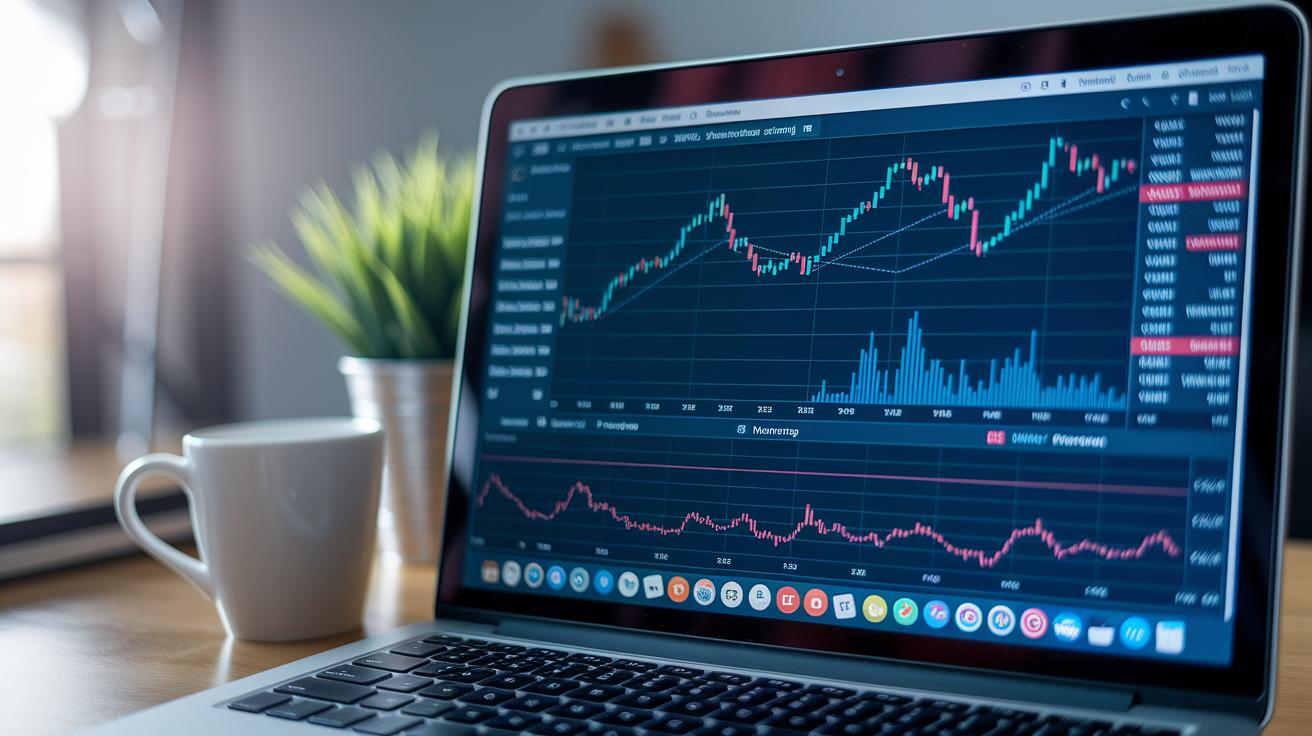
We look at past trading data to figure out how the NFT market behaves. Techniques such as ARIMA (a method that checks how numbers change over time) and exponential smoothing (which helps to filter out noise in data) are used to study trends. For example, by tracking the drop from huge multi-million-dollar sales in 2021 to about $80 million in weekly trading by mid-2023, these models help investors spot trends and prepare for short-term shifts.
AI-Driven Forecasts
Machine learning models take a closer look by combining details like scarcity scores, trading volume (the amount of trading activity), and network activity (a measure of how busy the digital ledger, or blockchain, is). By analyzing these factors, smart algorithms can predict how NFTs might perform, even when an oversupply is an issue. With around 79% of assets remaining unsold, these signals become key in understanding and forecasting market moves.
Sentiment and Trend Analysis
Using on-chain data and social media metrics, analysts can get a real-time sense of public sentiment. This approach helps capture rapid changes in NFT values that come from shifts in market mood. By understanding these feelings, investors get a clearer picture of how asset prices might change.
In short, combining time series models, AI forecasts, and sentiment analysis creates a strong framework for predicting future NFT prices. This blended approach gives investors a reliable guide to understanding and anticipating changes in the value of collectibles.
Final Words
In the action, we explored what shapes nft values and the key metrics that matter. We broke down the influence of rarity, creator reputation, utility, market trends, and effective analytical tools to help form a clear picture of digital investments.
Each section offered insight into how these factors work together, guiding smart decision making in digital asset markets. In the action of merging market data with practical strategies, investors can build stronger portfolios and keep up with the pulse of evolving digital finance.
FAQ
What does an NFT values chart illustrate?
An NFT values chart illustrates historical trends, showing how prices have moved over time. It highlights shifts like the high trading volumes of 2021 against lower volumes in later periods, helping investors see key market changes.
How did NFT values change between 2021 and 2022?
NFT values in 2021 reached high levels with major trading activity, while 2022 saw a drop in averages and fewer high-priced sales. This shift reflects changes in buyer interest and market supply.
What does NFT price history reveal?
NFT price history reveals past sales and trends, offering insights into periods of market highs and corrections. This record aids investors in understanding cyclical changes that influence current valuations.
What led to the NFT price crash?
The NFT price crash occurred when buyer enthusiasm dropped and oversupply grew. This market cooling led to lower trading volumes and reduced average prices, prompting a shift in market sentiment.
What is the most expensive NFT?
The most expensive NFT refers to select tokens that have sold for millions, often due to their rarity and association with influential creators. These high-value tokens demonstrate how scarcity drives premium prices.
How is NFT value measured now?
NFT value is measured by considering factors such as rarity, creator reputation, utility, demand, and blockchain verification. These combined metrics offer investors a snapshot of current market-driven pricing.
Are any NFTs worth money?
Some NFTs hold significant value while many others have little market price. Tokens with strong scarcity, reputable creators, and real-world use have attracted notable investment, proving that select NFTs can be financially valuable.
How much is a $1.00 NFT worth in dollars?
A $1.00 NFT is worth $1.00 directly, though its perceived value can fluctuate based on overall market trends and the specific attributes of the digital asset.
