
Ever wonder if digital treasures could really give your earnings a boost? Think of NFT trading like swapping rare game cards, where every move might lead to a big win. Unique digital collectibles like GIFs and video clips are verified on secure blockchain systems (blockchain is a safe digital ledger), so even a small start can turn into real profit.
Imagine your digital wallet as a secure vault unlocking valuable assets when you enter just the right code. This guide will walk you through simple steps to trade smartly and seize chances in our fast-moving market.
Essential Guide to NFT Trading: Buying, Selling & Exchanging

NFTs give you proof of ownership for cool digital items like video clips, music files, GIFs, and even in-game items, all checked and secured by a public blockchain with smart contracts (self-running computer programs that handle deals on their own). To dive in, first pick a trusted marketplace like OpenSea or Rarible. Fun fact: during the 2020–2021 boom, collections such as Bored Ape Yacht Club jumped over 1000% in value!
Next, set up your crypto wallet by installing a Web3 wallet, MetaMask is a popular choice. This wallet works like a digital bank vault, letting you deposit cryptocurrencies like ETH so you can safely start trading on the blockchain.
Once your wallet is ready, you can start placing bids or making purchases at a set price. Think of it like snagging a rare trading card, you want to jump in early and use smart buying habits to dodge high prices. Many traders keep a close eye on market trends, waiting patiently for those lower price moments.
If you decide to sell your NFTs, take similar care. Make sure your listing clearly shows you own the token so buyers know it’s the real deal. Whether you’re following a detailed blockchain investment guide or a beginner’s primer, keeping things clear and simple helps ease new traders into the market.
In short, whether you’re buying, selling, or swapping NFTs, following clear steps and using safe practices can guide you to smart gains in the world of digital collectibles.
nft trading Sparks Profitable Gains

Start by setting up your digital wallet, like MetaMask or WalletConnect. Think of your wallet as your personal key to unlock a world of exclusive digital assets. Just keep your seed phrase safe (it’s the secret code that gives you access). Many wallets also offer on-the-go trade modules and simple interfaces, so checking prices and trading is a breeze. Plus, they come with built-in security features that help fend off phishing.
Marketplaces like OpenSea and Rarible use smart contracts (self-running computer programs that automatically handle transactions) to make trades secure. With support for cross-chain swaps, you can easily shift assets between networks like Ethereum (a major digital network) and Polygon (a fast, efficient alternative), opening up more market opportunities.
| Feature | Description |
|---|---|
| Seed Phrase Backup | Keep it safe to protect your digital keys |
| On-the-go Trade Modules | User-friendly trading from your mobile device |
| Cross-chain Swaps | Swap assets easily between networks like Ethereum and Polygon |
| Blockchain Defense Features | Built-in protections to lower the risk of phishing scams |
nft trading Sparks Profitable Gains

One neat trick is to use Dollar Cost Averaging – that means investing a set amount of money at regular intervals. It’s like buying your favorite snack when it’s on sale over and over again. Imagine slowly picking up a limited-edition digital card bit by bit, snagging lower prices even when the market seems high.
Sometimes it pays to ignore the hype. Instead of joining a buying frenzy that pushes prices up momentarily, hold back and wait for better dips. This careful approach helps you avoid overspending when excitement runs too high.
Flipping NFTs for profit takes a sharp eye. Look at the rarity of each piece and check project roadmaps before values rise. Use simple sentiment tools (which help gauge market mood) and technical charts to find smart buying opportunities. For example, early digital art pieces often sell at bargain prices before a project catches on.
Finally, mix up your investments by holding NFTs from various collections. Spreading your digital assets can help keep your portfolio steady during market swings, turning NFT trading into a space for real gains.
Risk Management & Legal Guidelines in NFT Trading

NFT trading can be quite a roller coaster due to its fast changes and the lack of strict global rules. A smart move is to decide in advance how much you're willing to put on each asset. Think of it like not betting all your cash on one rare trading card, you spread your risk to avoid big losses.
Start by setting up a simple plan. Decide on spending limits and mix up your NFT collection to keep your investment safe. Use tools to check the asset's blockchain history, which is a secure digital record proving its ownership. This little extra step helps you confirm you're buying something genuine.
Keep your trades safe with secure transfer methods that guard against unwanted access. It also helps to check the reliability of the marketplace you use, ensuring it has strong defenses to stop security breaches.
Remember to review legal tips and guidelines too. Because oversight can be spotty, choosing a service approved by a trusted authority adds extra peace of mind. Privacy protocols also play a key role in protecting your personal details during trading.
Lastly, smart contract audits are a must. These audits check that the code running behind each NFT works well, lowering the chance of a problem. By following these risk controls and legal tips, you'll build a safer, friendlier space for your NFT trades.
Monitoring NFT Market Trends & Analytics

Traders these days rely on easy-to-use dashboards to keep a close eye on the market. They track NFT sales numbers, changes in the lowest prices, and on-chain data (which is basically real-time transaction tracking) to stay in the know. Volume checks help spot which collections can be traded quickly, a key detail when fast moves are needed. And watching for quick price swings can point out smart moments to buy or sell.
These tools also shine a light on new blockchain trends, a secure digital ledger technology that records every move. For instance, shifts like Layer 2 migrations or the rise of cross-chain hubs are changing how digital assets flow. Forecast features blend technical charts with hints about investor moods, giving you a peek at whether the market feels cautious or upbeat.
Using tools that analyze Discord chatter or built-in trend metrics, you can sense what buyers are feeling right now. When you compare crypto platform reviews, it becomes clearer which NFT marketplaces offer the most reliable data across various networks. In fact, real-time on-chain tracking tools, such as blockchain transaction monitors, play a big role in this whole process.
Every metric, from quick volume checks to sudden price shifts, helps build a clear guide for blockchain investing. Put these insights together, and you form a solid, data-driven picture that makes navigating the ever-changing NFT market a lot more manageable.
Advanced NFT Tools & Technologies for Secure Exchanges
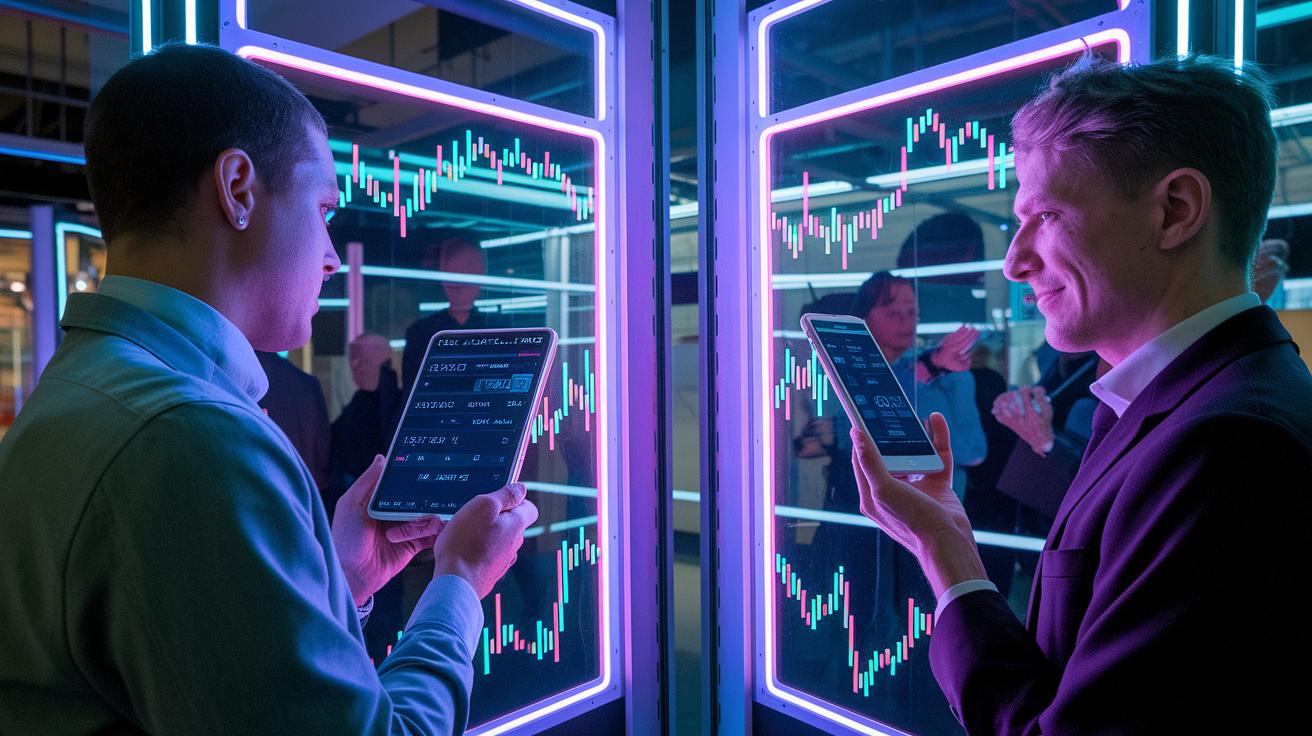
Traders today are embracing decentralized swap tools. These tools let you trade NFTs directly with other users, much like Uniswap-style swaps. They remove the middleman, making trades easier and smoother. And when it comes to security, smart contract audits play a key role. Essentially, these audits check a program’s code for any weak points before you invest, helping keep your digital buys safe.
Modern systems now bring AI-powered portfolio tools into play. Think of these tools as your friendly guide, suggesting top digital assets based on clear project plans and community buzz. They work much like a weather forecast, reading market signals and price moves. Plus, automated insight engines roll up real-time data and new trends so you can make quick decisions. On top of that, cross-network swap methods let you move assets smoothly between platforms like Ethereum and Polygon, widening your market options nicely.
Dynamic exchange models work quietly in the background to optimize fees and speed while multi-network hubs help you manage your assets across various blockchains. These models are paired with blockchain defense features that guard your transactions against new threats. And with another round of smart contract audits, along with the continued use of decentralized swap tools, your trading setup gets even stronger. Finally, by using AI-powered portfolio tools one more time, you get timely insights to fine-tune your NFT trading strategy.
Navigating NFT Tax Implications & Reporting

Buying an NFT with crypto means you’re stepping into a space where every trade counts. If the value of your NFT shifts from when you buy it to when you sell it, you might have a capital gain or loss. That’s why it’s smart to keep clear records of every crypto and NFT move, almost like jotting down each play in a game.
There are handy NFT tax tools that whip up custom reports. They help you claim losses and lower your tax bill when the time comes. Tax rules can be different depending on where you live, some places see NFTs as collectibles, which can affect the tax rate you face. Knowing these details is like having a secret cheat sheet. For example, tracking dates, amounts, and price changes is a bit like writing a diary of your trades.
Catching taxable events early can save you from surprises when you sell. Talking with a tax expert can clear up any fog around how to classify your NFTs. And when your records are neat and in order, both filing your taxes and making smart trades become a lot easier.
Final Words
In the action, we walked through setting up your wallet, choosing secure marketplaces, and using smart contract audits to keep trades safe. We uncovered practical strategies, solid risk management techniques, and ways to track market trends with clear analytics. We also touched on advanced tools that make buying, selling, and exchanging smoother. Embrace nft trading with confidence, and keep refining your approach as the market continues to present fresh opportunities.
FAQ
What does NFT trading involve?
NFT trading involves buying, selling, or exchanging digital assets that have proof of ownership recorded on a public blockchain using smart contracts.
What is an NFT marketplace or trading platform?
An NFT marketplace is a website or app that connects buyers and sellers for trading digital tokens, offering a secure space to manage transactions with your crypto wallet.
How can beginners start NFT trading?
Beginner NFT traders set up a Web3 wallet, choose a trusted platform such as OpenSea or Rarible, and follow simple steps to bid on or purchase digital assets.
Can I convert NFT earnings to real money?
NFT earnings can be converted to real money by selling your digital asset on a marketplace, using a crypto exchange to change your funds to fiat currency, and transferring it to your bank account.
Do NFTs generate profit and make a good investment?
NFTs can generate profit when value rises, though outcomes differ. Investors should study market trends and manage risks wisely to decide if they suit their investment goals.
Which NFT platforms are popular choices?
Popular NFT platforms include OpenSea, Rarible, Coinbase, Blockchain.com, Binance, and Nifty Gateway Studio, each offering unique features for trading digital assets.
