Have you ever noticed how some digital collectibles command skyrocketing prices while others hardly make an impact? In 2023, the market has shifted, with rare traits and distinctive features taking center stage. Today, numbers and unique attributes clearly guide investment decisions for both newcomers and experienced collectors. Research shows that even a small rarity factor can boost an NFT’s appeal, potentially changing its market value. This article unpacks key market insights and essential data, demonstrating how one exclusive characteristic can redefine the digital assets arena.
Unpacking 2023 NFT Rarity Trends: Market Data & Value Drivers
Rarity, which measures how unique and scarce an NFT is within its collection, became a key factor in market evaluations this year. In 2023, the analysis of digital asset scarcity grew rapidly with algorithmic rarity scores that considered trait distribution, overall supply, frequency of attributes, and current market demand. For example, CryptoPunks' Alien traits earned premium status because only 9 out of 10,000 tokens possess this rare quality, significantly boosting their value.
These algorithmic methods enabled both investors and collectors to assign clear, measurable numbers to rarity while also considering the broader market mood. Although supply size has a strong impact on these scores, the distinctiveness of particular traits also plays a crucial role in shaping market trends. This blend of numerical analysis with real-world market data meant that even one exceptional trait, such as CryptoPunks' Zombie attribute, could capture the full attention of investors.
Data from early 2023 supported the idea that rare attributes not only enhance an NFT's immediate appeal but also influence long-term investment strategies. Unlike traditional art and collectibles, digital assets are appraised using a mix of factors, including scarcity, past sales patterns, and current demand levels.
Investors discovered that rarity is just one piece of the puzzle. Although a distinctive attribute adds exclusivity, other factors like community sentiment and the technical foundation behind an NFT also hold substantial weight.
- Collectible trait frequency analysis
- Total supply assessments
- Price adjustments driven by demand
By combining different market indicators and rarity measurements, the NFT landscape in 2023 offered clear insights into how uniqueness and overall value are intertwined.
NFT Rarity Scoring Methodologies in 2023: Algorithms & Community Metrics
In 2023, algorithmic methods have emerged as the primary means of determining NFT rarity. These techniques evaluate tokens by examining the overall supply, the frequency of distinct traits, and current market conditions. For example, one algorithm may identify an NFT with a rare characteristic that appears in only 2% of its collection. Imagine an NFT with a uniquely shimmering background that significantly boosts its score, much like uncovering a hidden treasure. This data-driven approach provides a swift and impartial measure of exclusivity that appeals to investors.
Conversely, community-based models bring an invaluable human perspective. Collectors who frequent platforms like Rarible and SuperRare share their insights and review past sales records, collaboratively assigning rarity tiers. These more subjective evaluations capture subtle details that pure algorithms might miss. In addition, major marketplaces such as OpenSea and NBA Top Shot improve clarity by using visual elements like badges and color-coded borders to instantly signal an NFT's rarity.
- Algorithm evaluations focus on factors like supply count, trait frequency, and current market trends.
- Community insights draw on historical sales, group-based rarity judgments, and clear visual indications.
By combining rigorous algorithmic scoring with knowledgeable community input, the industry now benefits from a comprehensive framework that accurately reflects NFT uniqueness and captures investor sentiment in the rapidly evolving market landscape of 2023.
NFT Rarity Metrics Deep Dive: Trait Variance Index & Scarcity Analysis
Digital token scarcity metrics offer a method for quantifying the uniqueness of NFTs by examining the frequency of specific traits and the likelihood of their combinations within a collection. For instance, an NFT that pairs a rare digital signature with an unusual background greatly enhances its scarcity score.
A central component of this evaluation is the Trait Variance Index. This index measures the spread of attributes across the collection, with higher values indicating a token that is particularly distinct. Imagine a token that stands out because it combines an innovative art style with an unexpected color palette; its high variance index highlights its exclusive appeal.
In addition, third-party rarity trackers process metadata to assign uniform rarity scores, ensuring every trait is given its proper weight in measuring uniqueness.
- Digital token scarcity metrics assess both trait frequency and overall supply.
- The Trait Variance Index sheds light on the diversity of attribute combinations.
- Standardized scoring methods promote transparency and reliability in the evaluation process.
NFT Rarity Case Studies 2023: CryptoPunks, Bored Apes & Top Rare Drops

CryptoPunks offers a striking example of how a single unique trait can drive impressive market performance. The 10,000-piece collection included one Zombie and nine Alien variants, with the latter boosting sales into the multi-million dollar range. One notable instance is the Alien CryptoPunk, which not only enhanced its owner’s status but also set a new standard for exclusivity in digital art.
Bored Ape Yacht Club continued to serve as a key reference in rarity during 2023 through editions like the Golden Fur and Mutant Serum variants. These distinctive traits conveyed significant value, influencing the decisions of collectors. For example, market observers noted that a Bored Ape with a golden hue signaled both uniqueness and an elevated market position, generating intense bidding among enthusiasts.
Key release events on platforms such as Art Blocks and NBA Top Shot further demonstrated the importance of scarce collectible traits. These events experienced rapid sell-outs and noticeable price increases, proving that limited edition drops can immediately ignite market excitement.
- CryptoPunks: One Zombie and nine Alien variants driving multi-million dollar transactions
- Bored Ape Yacht Club: Golden Fur and Mutant Serum editions recognized for outstanding rarity
- Drop Events: Exclusive releases on Art Blocks and NBA Top Shot sparking swift sell-outs and price surges
Each case study from 2023 clearly illustrates the direct connection between rarity traits and market value in the NFT realm.
NFT Rarity in Marketplace Dynamics: Drop Events, Pricing & Collector Behavior

In 2023, online marketplaces developed into lively environments where rarity is evident through visual cues. Platforms now incorporate badges, color-coded visuals, and detailed attribute breakdowns on listing pages, allowing users to immediately recognize an NFT's unique value. For example, a token may be highlighted by a vibrant green border that signals its scarcity, recalling that a token with this marking surged 40 percent in price during its debut launch.
Launch methods such as whitelist auctions and scheduled minting have noticeably influenced collector behavior and the way rarity is distributed. These carefully managed events create distinct scarcity curves, which in turn affect how potential buyers evaluate their investments. During major drop events, heightened demand for unique traits has driven significant price fluctuations, with these scarcity indicators guiding buyer decision-making.
Analysis of NFT ownership distribution reveals that well-planned release strategies can reshape market demand. When collectors notice clear markers of rarity, they adjust their bidding and purchasing strategies, often favoring tokens that offer both exclusivity and the potential for market growth. The relationship between drop events, visible rarity cues, and shifting prices highlights the vital role of marketplace design in building a vibrant digital asset ecosystem.
- Marketplace displays: visual cues and detailed breakdowns
- Drop strategies: whitelist auctions and timed minting
- Price dynamics: rapid fluctuations driven by rare-trait demand
Emerging NFT Rarity Innovations: Grading Systems & Future Outlook
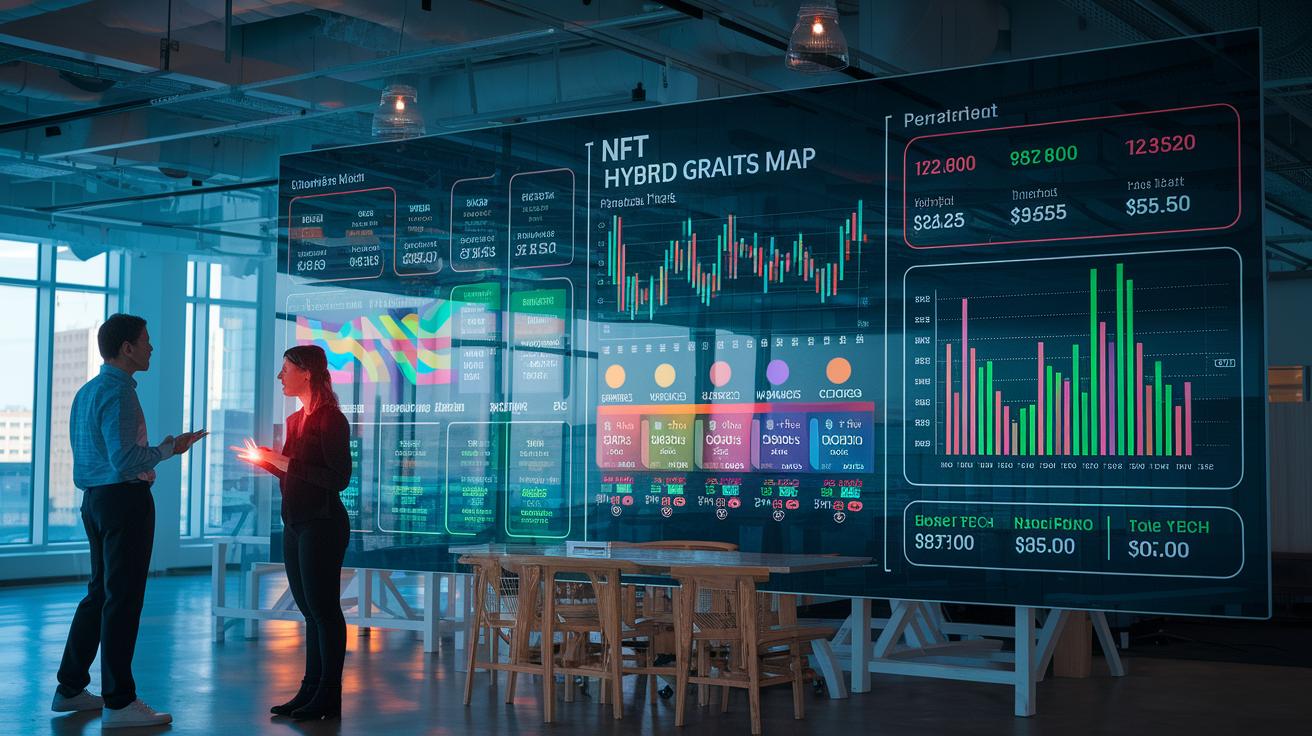
In 2023, the world of NFT rarity evaluation took a significant leap forward with the introduction of hybrid grading systems that combine statistical trait rarity with real-time market demand. Today's advanced algorithms analyze how different traits interact and incorporate current floor price data to adjust rarity scores accurately. For instance, the value of an NFT may suddenly increase when the market highlights an unusual combination of traits, much like a burst of vivid colors transforming the overall impression of a digital artwork.
At the same time, AI-generated NFT collections have added new layers to this development by using generative models that continuously create fresh and diverse trait combinations. These innovative models not only offer striking new designs but also complicate the way rarity is assessed. Developers are even exploring the concept of Soulbound Tokens, which create a form of identity-based scarcity that cannot be transferred. Imagine a token that permanently marks participation in a key digital event, its rarity growing as it becomes a lifelong emblem of achievement.
Efforts are also underway to standardize grading systems across decentralized platforms, ensuring that rarity benchmarks remain consistent. Looking ahead, these advancements are expected to deliver improved insights for investments while refining the metrics used to evaluate rarity. Collectors and investors can enjoy a method that balances the precision of computational analysis with the fluidity of market trends, offering a clear and forward-looking perspective on digital asset valuation.
Final Words
In the action, the article delved into how nft rarity trends 2023 shaped market dynamics. It examined scoring methodologies, in-depth trait variance analysis, and case studies that underscored NFT valuation. The discussion also highlighted the impact of marketplace features and drop events on collector behavior. Insights into emerging grading systems and future scarcity innovations added a forward-looking perspective. The layered analysis offers readers a clear view of evolving digital asset trends, empowering them to engage with the market confidently and enthusiastically.
FAQ
Q: Is the NFT craze over?
A: The perspective on whether the NFT craze is over depends on current market trends; while the initial hype has subsided, ongoing innovation and sustained collector enthusiasm keep NFTs a vibrant digital asset class.
Q: Are NFTs still big in 2025?
A: The outlook for NFTs in 2025 remains promising as technological advancements and expanding use cases in virtual environments continue to drive collector and investor interest, ensuring that NFTs hold significant relevance.
Q: How to see the rarity of NFT?
A: The process of seeing NFT rarity involves checking platforms like Rarity.tools and marketplaces that display visual badges or color-coded indicators, which reflect trait frequency, total supply, and overall market demand.
Q: Which NFT is trending now?
A: The trending NFT varies, but collections like CryptoPunks and Bored Ape Yacht Club consistently attract attention due to unique traits and high market performance, maintaining steady collector interest in the current landscape.
