
Ever wonder why some NFTs sell for huge sums while others hardly get noticed? Each NFT has its own story through unique features that can make it as rare as a one-of-a-kind treasure. This rarity catches collectors' eyes and can push up the NFT's price. In short, the way we score and assess rarity can highlight profitable trends and even hint at future market shifts. Let's take a closer look at how every little detail matters in the NFT world and why it’s important for both buyers and sellers.
nft rarity and market value: Boost Profitable Trends

NFT scarcity boosts market value by giving each token its own story. When an NFT is verified on a blockchain (a secure digital ledger), it becomes unique. And when only a few copies of a particular design or trait exist, buyers are naturally drawn to it, just like a rare collectible that stands out in a crowd.
Every NFT is made up of individual traits like hair color, accessories, or even special symbols. Each trait gets a rarity score to show how uncommon it is compared to the rest. By multiplying these scores, you get an overall rarity number that helps buyers and sellers see if the NFT should be priced higher. In short, that number turns rarity into something measurable and real for the market.
This connection between unique design and higher value really affects pricing. Collectors often pay more for NFTs with standout features because these traits signal extra worth. For example, if a token has a particularly rare accessory, its rarity score can hint at a higher market value. It’s a clear reminder that rarity isn’t just an idea, it’s a solid driver in how the market moves.
Core Methods for Assessing NFT Rarity and Scoring

When it comes to NFTs, you can figure out rarity by looking at the special traits each one has. There are four main ways to do this, and each method gives a slightly different picture of why a token might be more valuable. It’s kind of like looking at a puzzle from different angles to see the full picture.
-
Trait Rarity Ranking – This method picks out the single rarest trait and ranks the NFT based on that one feature. If an NFT has a super rare accessory, that one detail can really boost its ranking. Think of it like spotting a gem with one extra-bright sparkle among many ordinary ones.
-
Average Rarity Ranking – Here, you add up the rarity percentages of all the traits and then divide by the number of traits. For example, an NFT might come out with an average rarity of 13.804%. It’s much like averaging test scores, where each trait’s “score” adds up to a final number.
-
Statistical Rarity – This method converts each trait’s rarity into a decimal and multiplies these numbers together. Imagine it like combining the odds of several coin tosses landing heads-up, you multiply the chances to see just how rare the overall event is.
-
Rarity Score Method – This approach adds every trait’s rarity score together to get a total score. The more unique traits an NFT has, the higher the score climbs. Picture it as collecting points in a game, where every special trait gives you extra credit.
If you’re looking to dive even deeper into these methods, you can check out more detailed valuation techniques at nft valuation methods (https://nftworthit.com?p=873).
Additional NFT Market Value Drivers Beyond Rarity Metrics
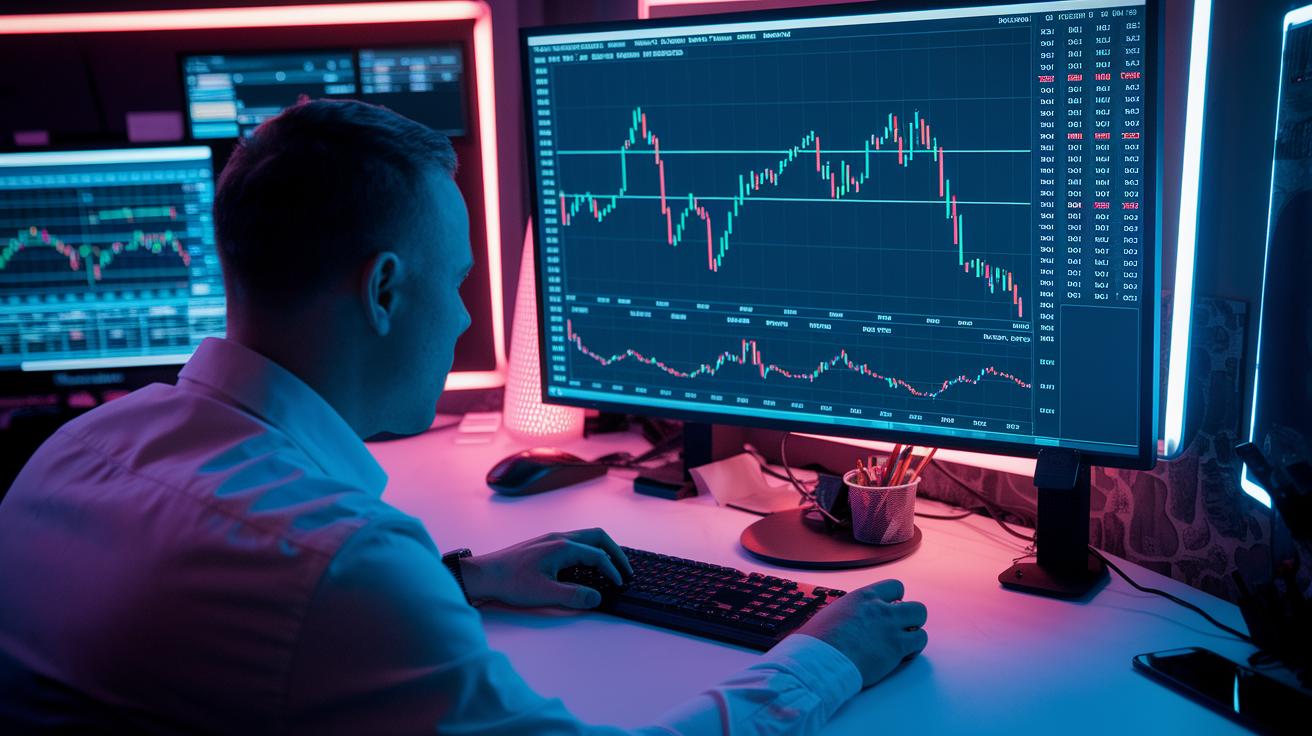
NFT pricing isn’t all about rarity. There are many other factors that shape how these digital tokens are valued. When the market is buzzing, the activity can boost an NFT’s price well beyond what its unique traits might show.
• Trading volume insight – If a token is bought and sold often, that busy trading can build momentum, nudging the price higher. Check out trends here: nft market transaction trends
• Tokenomics influence factors – Some tokens offer built-in rewards or royalties (extra perks you earn automatically) that make them even more appealing to buyers.
• Asset liquidity measurement – NFTs that are easier to buy or sell usually enjoy tighter price ranges, which makes them look more attractive on the market.
• Collector demand analysis – When many buyers are eager to get a token, it can command a higher price, even if it isn’t the rarest option around.
• Auction performance analytics – Competitive bidding and the right timing during auctions can drive sale prices above the expected minimum.
These drivers often work hand in hand. When active trading, strong token benefits, and easy liquidity come together, collectors feel more confident and auction results can exceed expectations. All of this gives a fuller picture of NFT value and helps shape smarter pricing strategies in a lively, ever-changing market.
NFT Case Studies: Rarity Scores Versus Sale Prices

When we look at real examples, it’s clear how rarity scores link straight to how much these items sell for. These stories show us that special traits and overall uniqueness play a big role in auction results, value forecasts, and the ebb and flow of the collectibles market.
Meebit #10457
Meebit #10457 really stands out with an average rarity score of 13.804%. That high score helped it sell for much more than the usual starting price. Collectors saw extra value in its rare mix of traits, and that extra spark pushed bids into a premium range. Think of it like finding a rare artifact in a treasure trove, its proven uniqueness makes everyone pay a little extra.
Meebit #5650
Meebit #5650, on the other hand, had a lower rarity score. Because of that, it sold closer to the basic floor price. Without unique traits that catch a collector’s eye, it only sparked moderate interest. It’s much like spotting a familiar painting in a gallery where nothing extra stands out to draw premium bids from the serious enthusiasts.
Meebit #19468
Meebit #19468 falls in the middle with a mid-range rarity score. This case shows that even without a top-notch score, the right unique design elements can still stir up competitive bidding. Its specific traits attracted collectors who were looking for something different, proving that even moderate rarity can create good market interest when it strikes a chord with the right buyers.
In short, these examples show a clear link between rarity and sale prices. A high rarity score can lead to premium sales, while lower or mid-range scores tend to draw more modest deals. Together, they offer a practical look at how measuring rarity really shapes market dynamics.
Forecasting NFT Value Trajectories Through Data Analysis

Using past sale data and simple moving averages, you can spot clear patterns in NFT prices. Analysts check old sale prices and trading volumes to set a baseline for how a token might perform in the future. By averaging sale numbers over several weeks or months, patterns emerge much like keeping score during a long season. This method turns past performance into little clues that hint at future price moves.
Linking an NFT's rarity score (a simple measure of how unique each trait is) with its price changes over 30 days offers another useful insight. Experts compare an NFT's uniqueness with its month-long price shifts to see short-term trends. Think of it like matching a token's special features with its daily price heartbeat, which can show how sudden bursts of interest line up with its inherent uniqueness.
Experts also keep an eye on price swings by checking volatility along with risk-adjusted forecasts. They measure how much prices jump around over short periods and tweak their predictions based on the NFT's risk. It’s a bit like checking the weather before heading out on a day with unpredictable conditions. By understanding these ups and downs, investors are better prepared for both fast market changes and calmer days, making their future price guesses more reliable.
Strategies for NFT Collectors and Investors Using Rarity Metrics

Using rarity scores in your collection can help create a well-balanced and smart portfolio. Think of each NFT as a unique ingredient, those rare tokens add a special flavor that can boost your mix. When you spot an NFT with standout traits (like a token with a unique accessory that very few others have), it helps you decide how much it should count. In short, use rarity scores (a measure that shows how unique a token is) to spread your investments across both high-risk, high-reward options and steadier, more common picks.
Setting clear buy and sell limits based on risk is another smart move. You do this by watching how far an NFT’s market price strays from what its rarity score suggests. For example, if an NFT meant to command a premium starts to drop in price, that might be your sign to buy. And if the price climbs much higher than expected, it could signal it’s time to sell. Think of these points like recipe tips that tell you when to adjust your ingredients just right.
Mixing rarity insights with the overall mood of the market can fine-tune your bidding strategy even more. When you feel the market buzz and see genuine enthusiasm among collectors, combining that excitement with hard data from rarity scores can reveal a promising moment to jump in. Imagine noticing a uniquely rare token suddenly stirring up discussion among peers; that’s your cue for a thoughtful bid that might boost your returns overall.
Final Words
In the action, we learned how nft rarity and market value are shaped by detailed trait scores and collector demand. We covered key methods for pricing NFTs, illustrated real-world case studies, and explored how market factors like trading volume and tokenomics play vital parts.
We also shared smart strategies for integrating these insights into a digital asset portfolio. Each point combines to offer clear, actionable insight for confident investing. Stay positive and keep refining your approach as you make informed decisions in the digital finance arena.
FAQ
What does an NFT rarity and market value chart show?
The NFT rarity and market value chart explains how unique traits and scarcity drive pricing. It visually guides collectors by matching rarity scores with market demand for fair asset valuation.
How does an NFT rarity and market value calculator work?
The NFT rarity and market value calculator combines trait rarity scores to estimate overall asset value. It helps collectors make informed decisions by providing a numerical insight into how rarity influences pricing.
What insights does NFT rarity and market value data from 2021 provide?
The 2021 data highlights how rarity metrics influenced market trends during that period. It shows that detailed analysis of unique traits helped shape buyer interest and asset premium during active trading cycles.
What information does an NFT price chart display?
The NFT price chart lays out historical sale prices and current market trends. It helps users spot patterns, understand price movements, and gauge asset performance over time for smarter market actions.
What is The Merge NFT?
The Merge NFT refers to a specific digital asset that brings unique features to the table. It represents a distinct project in the digital collectibles space, offering collectors innovative design and market appeal.
How does an NFT rarity checker work?
The NFT rarity checker analyzes individual traits of a digital asset to assign rarity scores. This tool simplifies the process for collectors by quickly ranking NFTs based on the uniqueness of their attributes.
How can I track NFT price history and current prices?
Tracking NFT price history and today’s rates involves reviewing price charts and market reports. This method gives collectors a clear snapshot of past trends and present market conditions to aid investment decisions.
How do I assess NFT rarity and ranking?
Assessing NFT rarity and ranking means checking each trait’s uniqueness. Tools that score attributes help collectors understand how rare an NFT is, guiding more confident buying and selling strategies.
How can I determine NFT value and assess specific price points?
Determining NFT worth involves combining rarity scores with market trends. Tools and detailed analyses help you gauge overall asset value, letting you understand how even a small investment, like a $1.00 NFT, fits into market pricing.
