
Ever wonder if your NFT really catches the eye? A rarity aggregator for NFTs collects all the details in one easy-to-read place, so you know which token truly shines.
Imagine trying to check every single trait of a collectible, it can seem pretty overwhelming. But these smart tools pull data from hundreds of projects, showing you the genuine value of each item.
In this post, we're walking you through how these platforms work and why they make it simpler for both buyers and sellers to spot the rarest digital assets.
How nft rarity aggregators Centralize and Display Rarity Data

A nft rarity aggregator is a handy tool that gathers all the details on digital collectibles by carefully looking at and scoring each token’s unique traits. It helps collectors and investors quickly see how special an NFT is by pulling together info like its features and past performance. So, if you’re in a rush to know what makes one digital asset more unique or valuable than another, this tool gives you that full picture all in one spot.
Take a platform like Nansen, for example. It checks rarity data for over 650 NFT projects and shows you a list of the top 1,000 rarest tokens. They work with ranking systems and rarity score percentages to clearly show how one NFT stacks up against another. This organized system brings together all the trait details in one place, letting collectors, fans, and sellers see everything clearly. In short, it saves you time and cuts down the hassle of figuring out which digital collectibles have the strongest market appeal.
These tools also come with neat features like visual charts, filtering options, and easy comparisons. With a real-time data dashboard, you can quickly spot changes in market trends using clear graphs and simple controls. For example, you can line up NFTs side by side based on things like average price, sales volume, or how many owners they have. All of these interactive options make it much easier to decide which NFTs stand out in the market.
Core Rarity Scoring Methods Used by nft rarity aggregators

When it comes to digital art, figuring out how rare each NFT is can make things a lot clearer. Different platforms look at various traits to decide what makes a token special. This way, every unique feature of an NFT helps set its overall value. It also lets collectors quickly compare tokens using solid numbers, so they know which traits matter most.
- The average trait rarity method finds the normal rarity by looking at all the features of an NFT.
- The trait rarity ranking method picks out the single most rare feature to boost its value.
- The statistical rarity method multiplies the rarity values of each trait, showing how a mix of features makes an NFT extra special.
- The comprehensive rarity score method adds up all the rarity values to give one clear overall score.
Each of these ways has its own strength. The average trait method is simple and gives a quick look at overall rarity. Meanwhile, trait rarity ranking is great when one standout feature could really make a difference. The statistical method digs deeper by balancing several unique traits at once. And the comprehensive method gives you a full view by summing up each trait's rarity. Collectors and platforms often mix these approaches to get a full picture of what makes an NFT unique, giving them the insight needed to make smart investment choices.
Backend Aggregation Systems and Metadata Extraction in nft rarity aggregators

Imagine an nft rarity aggregator as your digital detective. It depends on a solid backend system that gathers metadata (details about the digital asset) from many different places. It starts by collecting data directly from smart contracts (self-running computer programs) and from off-chain storage (where data is kept outside the blockchain). Then, it organizes the information using ledger indexing methods (ways to arrange digital records) to list token IDs and trait designs.
After collecting this raw data, the system cleans it up with data classification models (tools that sort and tidy up the data). This helps collectors easily compare characteristics across various projects.
- Collect on-chain metadata from smart contracts and off-chain sources.
- Organize NFTs with ledger-based methods to list token IDs and trait designs.
- Clean up the details using data classification models for easy cross-collection comparison.
With the data neatly arranged, spotting the rare items becomes much clearer. This polished information, plus sales and transfer histories like those seen in Nansen's Rarity Profiler, gives users the confidence to judge a digital asset's uniqueness. In short, clear and standardized data lets aggregators offer smart insights that support fast and easy decision-making in the busy world of digital collectibles.
Interactive Dashboards, Data Visualization Tools, and Filtering in nft rarity aggregators
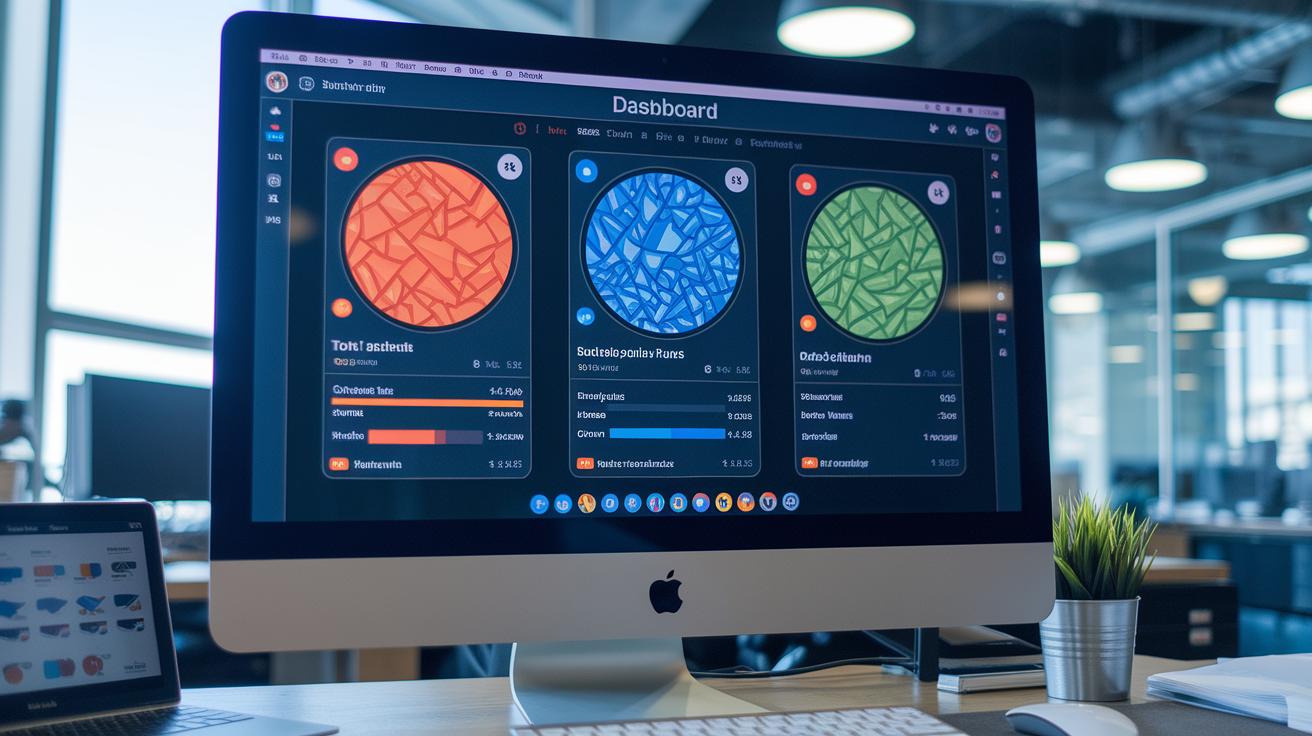
These dashboards turn big, confusing data into clear, easy-to-read insights. Imagine having everything, from rarity rankings to trait maps and market trends, right in front of you on one screen, much like Nansen’s NFT God Mode.
| Feature | Benefit |
|---|---|
| Dashboard overview | Gets you an instant snapshot of rarity data and market makeup |
| Trait distribution profiler | Shows you a clear picture of trait scarcity across collections |
| Market overview chart | Tracks pricing and volume trends over a full week |
| Filtering controls | Lets you narrow down data by average price, sales volume, or number of owners |
| Comparison view | Highlights the differences between regular floor trades and rare transactions |
Interactive charts and a user-friendly setup let you compare important numbers side-by-side. You can adjust filters on the fly to catch quick shifts in pricing. This helps you make smart, fast moves in the ever-changing world of digital collectibles.
Comparing Multiple Collections: Analytical Tools in nft rarity aggregators
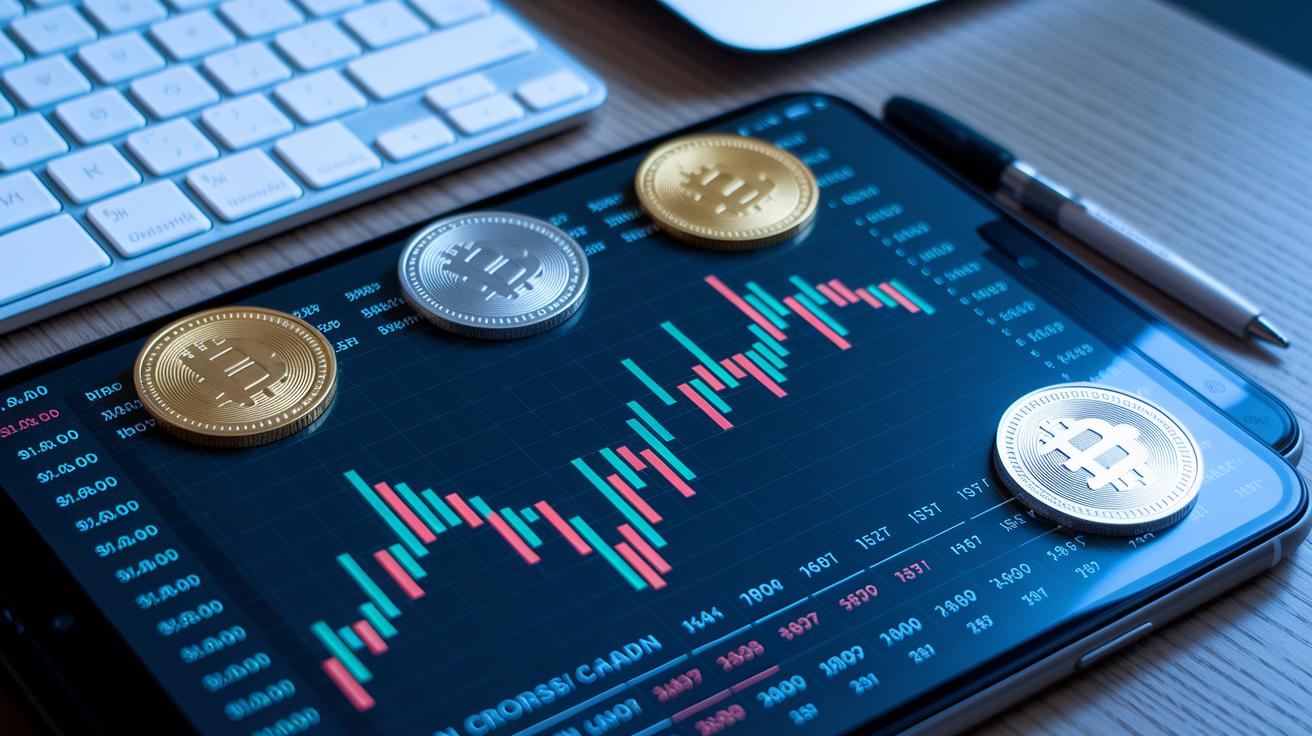
When you look at several digital collections side by side, you get a clear picture of market trends. It’s like watching a friendly game where each token shows off its unique traits. This kind of side-by-side view lets you see how rare each token is and how its market value stacks up against others.
Here are some handy features:
- Cross-chain price benchmarks – these show you how prices compare across different networks such as Ethereum, Solana, and Polygon.
- Trait rarity overlays – they highlight what makes a token unique.
- Volume trend comparisons – these track the lively pulse of sales activity.
- Owner distribution charts – they reveal how tokens are spread among buyers.
- Sub-market activity indicators – they spot the buzz in smaller niche areas.
By using these tools, you can easily cut through the clutter of various collections. Keeping an eye on trait-level prices and tracking sales trends helps you understand what really drives value in each project. With these smart insights, you can identify the top-performing collections and make your digital asset investments with confidence.
Getting the Most from Your nft rarity aggregator: Tips and Interpretation Guides

When you check out rarity metrics, you’re really taking a close look at the numbers while also feeling the pulse of the market. It’s like matching up rarity scores with floor prices and owner counts to make the tricky world of digital collectibles a bit friendlier. Think of it as setting up a smart game plan before diving into the details. For a deeper guide on nft collectibles, click here: guide to nft collectibles.
- Look at how rarity scores line up with market prices to see if unique traits are really pushing prices up.
- Keep an eye on past pricing trends for traits, much like watching changes in the BAYC Black Cap.
- Try using filtering tools to see clear links between rarity ratings and trading volumes.
- Check your data’s freshness by reviewing 7-day trend charts regularly.
- Mix in what people are saying on social media to really understand community vibes.
- Follow the buzz around upcoming drops so you can sense market moves before trends settle in.
Staying sharp means always revisiting these tips and mixing in the latest market insights. As you adjust your approach with tools like collector trend analytics and an attribute scoring engine, you’ll start noticing those small market shifts more easily. In turn, comparing your findings with what the community is feeling can guide you to make smarter choices in this ever-changing space.
Final Words
In the action, we broke down how a central tool like an nft rarity aggregator collects and displays rarity data from over 650 projects. We explored core scoring methods, backend pipelines for metadata extraction, interactive dashboards and filtering options, plus tools that let you compare collections side by side.
Each feature aims to simplify digital asset analysis and craft smarter portfolio decisions. The insights provided help you stay informed and confident as you build a strong, diversified digital asset portfolio. Enjoy the ride and keep investing smartly!
FAQ
What is Rarity Tools?
Rarity Tools is a platform that combines NFT trait data to rank digital assets by their rarity. It shows detailed trait scores and rankings so users can quickly assess an NFT’s standout features.
What is Rarity Sniper?
Rarity Sniper is a tool that collects and compares rarity metrics across NFT collections. It quickly identifies unique traits to help users pinpoint NFTs with standout characteristics in the market.
How does an NFT rarity checker work?
An NFT rarity checker examines an NFT’s features and measures how unique they are compared to others. It then produces a score that helps users gauge the digital asset’s overall rarity efficiently.
Is there a free NFT rarity aggregator available online?
A free NFT rarity aggregator online gathers basic rarity data for NFTs and presents it in an easy-to-read format. Users can compare multiple projects and evaluate digital assets without any fees.
Which NFT rarity aggregator is considered the best?
The best NFT rarity aggregator blends real-time updates with detailed trait analysis and user-friendly filters. It helps collectors quickly find standout assets by centralizing rarity scores and visual insights.
What is a Rarity NFT marketplace?
A Rarity NFT marketplace organizes digital assets by their rarity scores. It enables users to browse collections based on unique trait metrics and discover NFTs that stand out in competitive markets.
What is the Rarity Tools website?
The Rarity Tools website provides a centralized view of NFT rarity data. It offers rankings, detailed trait analysis, and an intuitive interface that empowers users to assess and compare digital assets swiftly.
