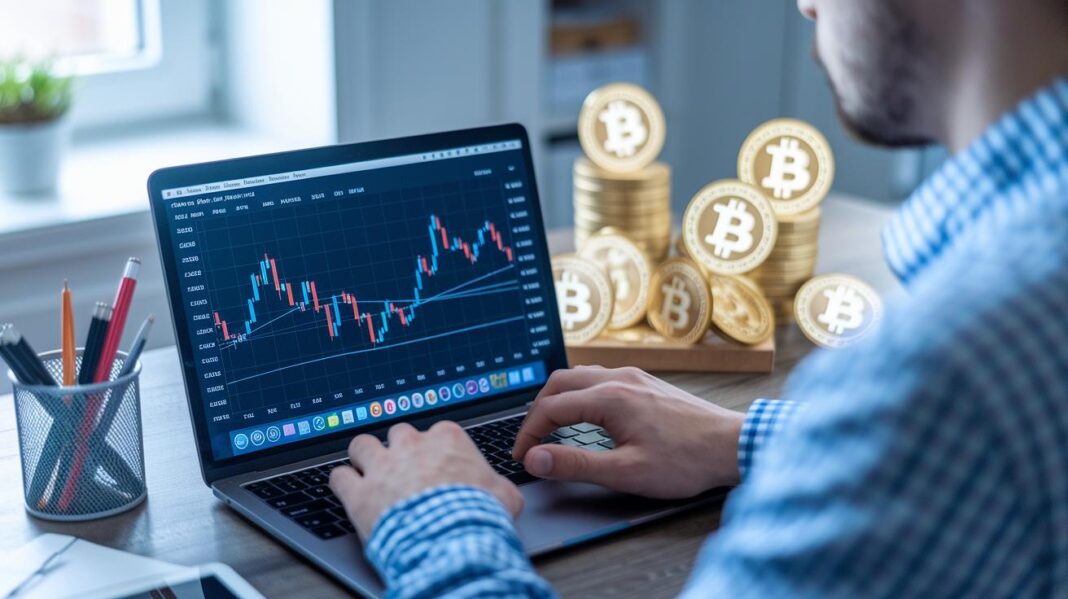
Ever wondered if digital collectibles can add a spark to your investment portfolio? NFTs work by using digital certificates on a secure online record system, meaning they are not just art but clever tools to build a stronger portfolio.
Some investors have seen noticeable gains that make you think, "How are they doing it?" In this post, we break down simple, clear steps to guide your investments toward better returns, whether you’re keeping rare digital collectibles for the long run or keeping an eye on emerging trends.
Get ready to explore easy-to-follow tactics that can brighten your financial outlook.
Key NFT Investment Strategies for Strong Portfolio Performance

NFTs are special digital items that you can own for sure because each one is verified on a blockchain (a secure digital ledger that keeps track of transactions). Think of them like rare digital collectibles or art pieces that have a clear record of ownership. Even when the usual markets slow down, the NFT scene still buzzes with its own lively energy.
The NFT market has been around since 2012, but it truly exploded in 2021, grabbing attention from around the world. Prominent traders and celebrities have shared stories of big profits, which makes many folks worry about missing out. By mixing simple value checks with easy technical tools, like moving averages (a tool that smooths out price trends so you can see the bigger picture), you can give your NFT investing strategy a solid boost. (See nft investing for more tips.)
Here are some smart strategies you can try:
| Strategy | Description |
|---|---|
| Buy and Hold | Pick quality NFTs and plan to keep them for a long time, hoping their value grows steadily. |
| Trend Following | Jump in on collections that are quickly gaining attention as market energy increases. |
| Rarity Focus | Look for NFTs with limited supply, because scarce items often drive higher demand. |
| Artist Collaborations | Invest in NFTs from both fresh creators and well-known names, collaborations here can stir up extra buzz. |
| Fractional Ownership | Share the cost of pricey NFTs with others, making quality investments more accessible. |
| NFT Lending | Lend out your digital assets so you can earn passive income while they potentially grow in value. |
| Timing the Market | Buy NFTs when prices are lower and sell when demand peaks, riding the natural market cycles. |
Mixing these methods with standard portfolio management can really pay off. By balancing strategies like buy-and-hold, trend-catching, and innovative ideas like fractional ownership, you spread your risk and tap into the unique energy of digital art. In short, this smart blend not only unlocks the special potential of NFTs but also builds a sturdy financial foundation to weather market ups and downs.
NFT Market Trends and Blockchain Collectible Insights

The NFT market has seen big changes since the digital art boom in 2021. Trading soared on popular sites as collectors and traders showed their enthusiasm for blockchain collectibles (digital items tracked on secure digital ledgers). Even when the market slowed down a bit, this energy reminded us just how powerful digital assets can be.
Market value trends give us a solid gauge of where things stand. On platforms like OpenSea and Rarible, trading stays active even through some downturns. And with key digital currencies like BTC (Bitcoin, a widely used digital money) and USDT (a stable digital coin) in the mix, collectors can clearly see today’s crypto art scene. current market trends
The market moves in cycles, almost like changing seasons. Early on, during the accumulation phase, investors slowly build up their collection. Then comes the markup stage, where prices climb quickly. Even in the later stages when prices begin to drop, smart traders stay engaged, offering deeper insights into both collectibles and overall market predictions.
Forecasting models now mix market sentiment (how hopeful or cautious people feel) with technical data to predict NFT paths. These models are like a friendly guide that helps traders and collectors plan better, manage risks, and stay ahead of trends. In short, by analyzing blockchain collectible trends closely, everyone gains a useful edge in planning for what comes next.
Managing Risks and Diversification in NFT Investments
When you dive into NFT investments, be ready for big ups and downs. Prices can jump around quickly, kind of like those sudden shifts you see in art auctions. That’s why setting stop-loss orders and deciding ahead on how much money you're willing to risk can be a smart move. Checking your portfolio regularly helps you stay on top of things in this fast-paced world.
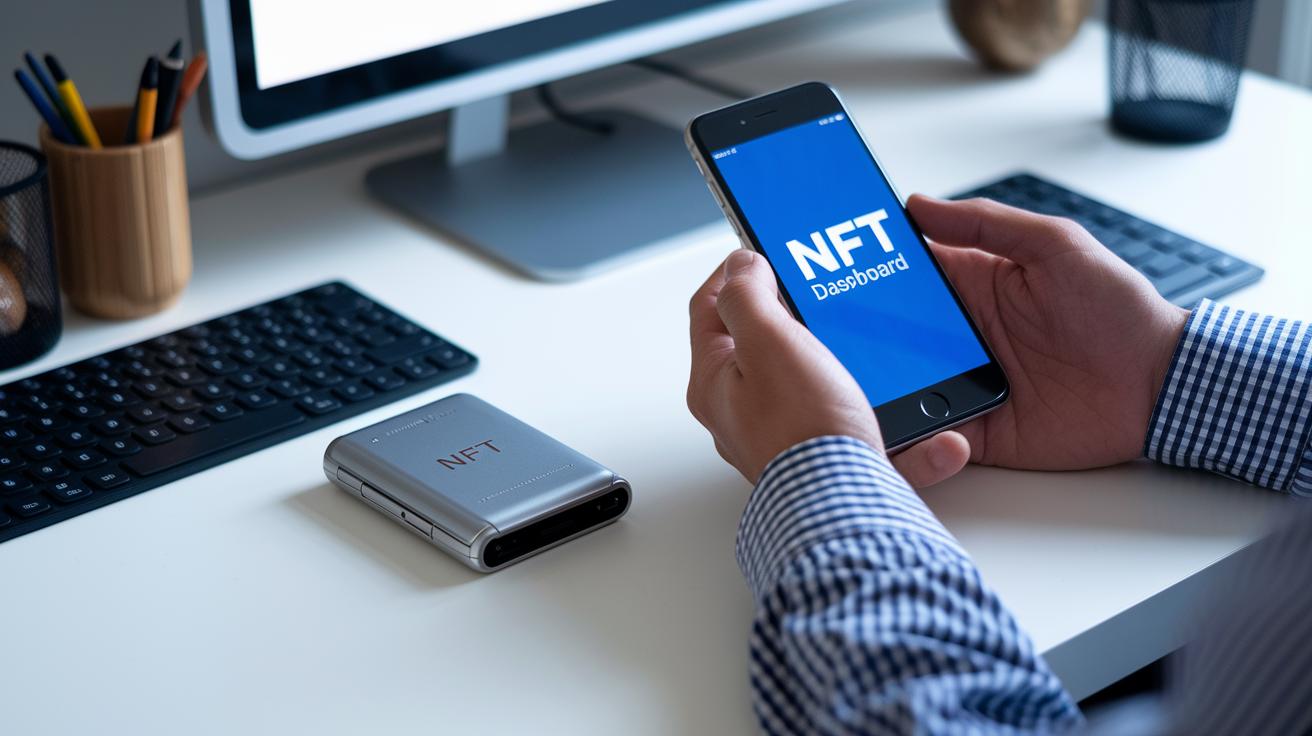
Security is key in digital investing. Many people use hardware wallets (small devices that keep your digital keys safe) and multi-signature methods (extra layers of security that require more than one approval to move your assets). These simple steps lower the risk of hacks, so you can manage your NFTs with more confidence.
Another way to protect your investments is by spreading your money across different types of NFTs like art, gaming, or music. Think of it like not putting all your eggs in one basket. Planning ahead on how to turn your assets into cash and setting clear exit rules can help you manage losses and grab good opportunities when they happen. Also, be mindful of things like taxes and rules to keep bad actors away (KYC/AML checks). If you need a hand with this, check out trusted trading tools like this one: trading tools. Balancing a mix of NFT types with smart risk controls can really help shore up your investments in a market that never stands still.
nft investment strategies: Elevate Your Returns

When it comes to NFT investing, research really lays the groundwork. Digging into every project helps you spot the little details behind each digital asset. Taking time to check the key signs before you invest gives you a better shot at making smart choices.
Begin by looking at the basics. Think about things like overall market size, the team’s reputation and history, how often it’s traded, what the NFT is used for, how many people own it, and just how rare it is. These factors tell you if an NFT might have staying power. For example, checking on-chain data (a record of all transactions) gives you a clear view of past ownership and confirms its authenticity. And don’t forget to look at token standards like ERC-721 and ERC-1155. These are the rules that shape the project and can make a big difference in its value. Plus, community vibes and the artist’s credibility add extra weight when you’re thinking long-term.
Next, try using technical tools to fine-tune your buy and sell plans. Simple tools like moving averages help smooth out sudden price jumps, and chart patterns can hint at upcoming trends. If you’re curious, take a look at technical analysis of the financial markets for a closer look at how these methods work. Combining these technical hints with your basic checks gives you a well-rounded view of the NFT’s potential. This way, you’re not just relying on gut feelings or hype, your choices are backed by solid research and clear signals that can help boost your overall returns.
NFT Portfolio Construction and Diversification Strategies

When building a strong NFT portfolio, it's all about spreading your investments across different digital asset types. This way, if one part of the market shifts, you don’t feel the full impact. NFTs often move differently than stocks or bonds, so a mix can help balance out the ups and downs. Fractional NFTs, which let you buy parts of high-priced items, make it easier to dive into areas like digital art, gaming, and collectibles.
| Category | Percentage Allocation |
|---|---|
| Art | 30% |
| Gaming | 20% |
| Metaverse Real Estate | 15% |
| Music/Entertainment | 15% |
| Sports Collectibles | 20% |
It’s smart to check your portfolio regularly. Think about reviewing your investments every three months. This gives you a good chance to tweak your allocations based on what’s working and what’s not. Setting clear goals, whether you’re planning for the next 6 months or stretching out to 18 months, helps you know when to pull out or adjust positions. This careful, step-by-step approach not only smooths out the bumps in the market but also keeps your options open for new opportunities in the digital world.
Future Outlook and Emerging Opportunities in NFT Investment

The NFT world isn’t just about digital art anymore. It’s branching out into gaming collectibles, virtual real estate, trendy fashion drops, music royalties, and even collectible pieces that you can own fractions of. This wider focus is catching the eye of a whole new group of investors curious about blending art with tech.
Digital finance is mixing into the mix too. A lot of platforms now let you stake or lend your NFTs, sort of like earning interest on a savings account, but with your digital treasures instead. And with possible changes in regulations on the horizon, it’s a smart idea to keep an eye on potential shifts that might change how you can buy or sell these assets.
Then there’s the buzz around early token trends. Picture this: NFT indices, real-world assets turned into tokens, and systems that let different blockchains talk to each other. With tools that combine machine-learning and sentiment data, we’re already getting fresh clues on where the market might move next. It’s an exciting time to see how technology and finance continue to intersect in this evolving space.
Final Words
In the action, the article broke down key nft investment strategies, guiding you through digital asset analysis, market trends, and risk management. It explained how unique NFTs can fit into a diversified portfolio while offering actionable insights for spotting market patterns and evaluating projects.
Each section built on practical approaches, from technical analysis to portfolio construction, making the complex world of digital assets accessible. Embrace these nft investment strategies to confidently shape a future filled with promise and smart, secure decisions.
FAQ
Q: What are some effective NFT investment strategies?
A: The effective NFT investment strategies involve buying and holding, trend following, and focusing on rare digital assets. These methods help investors build a strong, diversified portfolio tailored to their risk tolerance.
Q: Which NFT platforms and investment apps can I use?
A: The NFT investment platforms include names like OpenSea, Rarible, Binance, Coinbase, Nifty Gateway Studio, and Blockchain.com. These apps allow secure buying, selling, and trading of digital collectibles.
Q: What are the main risks of NFT investing?
A: The NFT investment risks center on high volatility and price swings. Investors should adopt strategies like stop-loss orders and portfolio monitoring to protect against sudden market changes.
Q: Is NFT a good investment and are NFTs still valuable?
A: The NFT investment appeal depends on market trends and careful research. While some see long-term value due to uniqueness, others caution that the market can be unpredictable and require diligent evaluation.
Q: How can beginners start investing in NFTs?
A: The NFT investing for beginners involves learning the basics, using reputable platforms, and starting small. Beginners benefit from researching collections and understanding market dynamics before committing significant funds.
Q: How can I make money off an NFT?
A: The process of making money off an NFT includes buying at the right price, holding until its value grows, or selling rare pieces to collectors. Smart acquisitions combined with timing the market can lead to profitable returns.
