
Ever wonder if your digital asset is truly what it seems? NFT due diligence helps you check the past of each asset, kind of like feeling a familiar heartbeat.
Using smart tools that scan through hundreds of transactions in seconds, you can see every mint and transfer recorded on a secure digital ledger (a safe, digital record of transactions). This clear look at the asset’s history and ownership gives you the confidence to invest.
It turns what might seem mysterious into a simple process you can trust.
nft due diligence empowers confident investments
Verifying that a digital asset is genuine and that its ownership rights are clear is like checking the heartbeat of its entire history. Digital assets write down every mint and transfer on the blockchain, a secure digital ledger that never lies. And with tools that monitor transactions in real time and offer custom risk scores, you get the full picture of where your asset has been. Imagine this: one NFT can have its mint record checked in seconds, proving its legitimacy in ways that traditional art never could. It’s a clear window into a world that might feel confusing without these modern checks.
Tracing an asset’s provenance and doing legal check-ups are equally important. By carefully reviewing details like metadata accuracy, transaction logs, and ownership history, investors stick to guidelines recommended for high-value NFT trades. Even more, biometric AML (which uses personal data checks to prevent money laundering) and global watchlist screenings across over 3,500 lists add another layer of honesty. Combining both automated and manual steps helps uncover and cut down on fraud, making sure every deal meets strict legal standards.
Measuring the risk of an investment wraps up the due diligence process. Imagine tools that can handle up to 1,000 transactions each second and provide risk scores that feel as regular as checking tomorrow’s weather. That’s how investors get a quick, real-time look at market mood and risk levels.
| Step | Description |
|---|---|
| Authenticity Verification | Checking blockchain records to confirm an asset’s history |
| Ownership Confirmation | Ensuring that ownership rights are clear and true |
| Provenance Tracing | Reviewing metadata and transaction logs for a complete asset history |
| Legal and Compliance Checks | Following legal guidelines and thorough inspections to reduce fraud |
| Investment Risk Measurement | Using real-time models to gauge market mood and forecast risks |
| Ongoing Transaction Monitoring | Constantly tracking transactions for a steady pulse on market activity |
This complete process ties traditional financial checks with modern digital asset verification. By blending innovative tools like biometric AML with automated risk management and careful legal reviews, the due diligence process lets investors move forward with true confidence. It’s not just about clear data, it’s about building trust and making smart, data-driven decisions every time.
Provenance and Authenticity Verification in NFT Due Diligence

Blockchain's fixed record acts like an open diary for an NFT's history. Instead of listing the usual steps, focus on the essential details by combining specific on-chain info (think token IDs, mint blocks, and transfer records) with extra identity checks like verified social profiles or KYC data. For example, start by checking the token ID and mint block on a blockchain explorer. Then, confirm the creator’s identity off-chain to make sure everything is genuine.
| Verification Step | On-chain Details | Off-chain Details |
|---|---|---|
| Asset Creation | Check token ID and mint block | Link creator’s social profile and KYC records |
| Ownership Record | Review wallet ownership and transfer history | Match identity against pseudonymous data |
| Transaction Analysis | Spot odd gas patterns and repeated transfers | Confirm transactions with other data sources |
This blended approach makes NFT due diligence simpler. It gives you a straightforward view of both technical and personal details, ensuring you get a clear, complete picture without rehashing the standard process.
Smart Contract Analysis for NFT Security

Smart contracts are the nuts and bolts behind how NFTs work. They take care of minting, setting up metadata, and handling transfers. If any part of this code has a mistake, it can open the door to hacks. For example, bugs like reentrancy (when a function is called back into itself repeatedly), integer overflows (when a number gets too big), and missing role checks can allow someone to drain funds or mess with token supplies. Tools like MythX and Slither along with careful manual reviews help catch these issues, keeping the asset safe.
Think of checking a smart contract like inspecting every part of a machine. Imagine, for instance, ensuring every bolt on a bridge is secure, one shaky bolt could risk the whole structure. This careful review not only spots potential problems but also boosts your confidence in the digital asset's security. Regular audits and ongoing tests help keep the contract strong against new risks. For more on how these risks might change, you can check out the article on Future Trends in Smart Contracts.
| Vulnerability Type | Description | Impact |
|---|---|---|
| Reentrancy | When a function is called back into itself repeatedly | Funds can be drained without permission |
| Integer Overflow | When a number in the code goes beyond its limit | Token supplies can be wrongly increased or manipulated |
| Access Control | Missing role checks allow unauthorized actions | Unauthorized minting or transfers of tokens |
Creator Credibility and Background Screening in NFT Due Diligence
When you're looking into an NFT creator's history, it's a bit like checking out an artist's portfolio, every detail counts. Start by digging into their digital track record on the blockchain. Look at how long their on-chain wallet has been active and check out their transaction patterns. For example, imagine finding an artist whose wallet has been busy for several years. That kind of steady, on-chain activity can really back up claims of expertise and trustworthiness.
But blockchain data isn’t the whole story. Off-chain verification also plays a big role. Things like verified social media profiles and professional websites offer extra proof that the creator is who they say they are. Add in AML identity checks and screenings using global watchlists, and you’ve got a solid system to help you steer clear of any risky or shady players.
Advanced wallet-screening tools are another handy resource. They can spot linked addresses, review previous token mints, and even flag clusters of unusual activity. And don’t overlook community feedback from places like Discord or other forums, sometimes a chat with other collectors offers insights that numbers alone might miss.
In short, mixing blockchain analysis with off-chain identity checks gives you a well-rounded view of a creator’s credibility. This balanced method helps you make smarter, more confident decisions when you're diving into NFT due diligence.
Legal and Compliance Review in NFT Due Diligence

Regulatory rules play a big part in keeping NFT investors and issuers safe. FATF guidelines (rules set by the Financial Action Task Force to help prevent money laundering) call for extra checks on deals that go beyond a certain amount. Even when know-your-customer (KYC, a process to confirm who you really are) and anti-money laundering (AML, steps to prevent illegal money movements) rules aren’t required, they are still seen as smart moves. These checks make sure the people involved are who they say they are and help watch over the funds, reducing the chance of shady business. It’s like adding extra locks on your door for peace of mind.
Some recent moves in the crypto world remind us just how important it is to follow the law. For example, a major global bank got a cease-and-desist order due to AML problems. This incident really shows why sticking to strict legal steps matters. And then there’s the new EU Digital Operational Resilience Act (DORA, a law set to boost IT security and operations for financial firms) coming on January 17, 2025. This act means that companies handling NFTs will need to ramp up their digital defenses to protect investors’ money.
Tax rules also need a close look. Reporting requirements can change depending on where you are, and moving money across borders might set off VAT (a type of tax on sales) or capital gains tax (tax on profits). Staying on top of these tax details not only helps you avoid legal trouble but also makes NFT deals clear and safe. It lays down a solid base for smart digital asset investments.
Regular legal reviews and ongoing checks help everyone stay updated with changing global rules, whether it’s new tax laws or digital compliance standards. It’s like keeping an eye on the pulse of a busy market, always ready to adapt when things shift.
NFT Market Risk Appraisal and Investment Risk Metrics
In the NFT world, market risk appraisal is all about checking the numbers to spot anything off. For example, if you see the same wallet trading over and over to boost the floor price, it might be a red flag. Using transfer-record analytics (which tracks every asset movement) helps you catch these unusual patterns early. Think of it like noticing a series of identical ripples in a pond, each one suggests market actions that don't quite match natural flow. This method especially comes in handy when you’re watching for potential fraud patterns, as covered in our NFT Scams study.
Investment risk metrics take this further by blending several factors to measure an asset's stability. Custom risk-scoring models mix liquidity (how fast an NFT can be sold for cash), rarity, historical price swings (quick ups and downs), and the creator's track record. Social signals from platforms like Twitter and Discord add another layer of insight; sudden chatter can be a clue to upcoming price shifts. Together, these measures turn raw data into clear, useful insights.
To keep a close eye on the market, transaction-monitoring platforms scan up to 1,000 transactions per second, flagging any unusual patterns as they happen. This ongoing review creates a solid base for smart decision making.
| Method | Description |
|---|---|
| Wash-trading detection | Using transfer-record analytics to spot repeated trades that might falsely boost prices |
| Custom risk scoring | Mixing factors like liquidity, rarity, price volatility, and creator performance |
| Social sentiment analysis | Checking platforms like Twitter and Discord for discussion surges linked to price changes |
| Real-time monitoring | Scanning up to 1,000 transactions per second to catch abnormal trading patterns |
By combining these techniques, you create a smart, data-driven process that continuously measures market risk and investment metrics, helping you feel more confident in navigating the ever-changing digital asset landscape.
Best Practices and Tools for Effective NFT Due Diligence
Generative AI now speeds up the review of NFT details and helps spot risks that might be overlooked with older methods. For example, consider this fact: before becoming famous, Marie Curie once carried test tubes containing radioactive material in her pockets, unaware of the danger. Using surprising facts like this can help boost the security checks already in place.
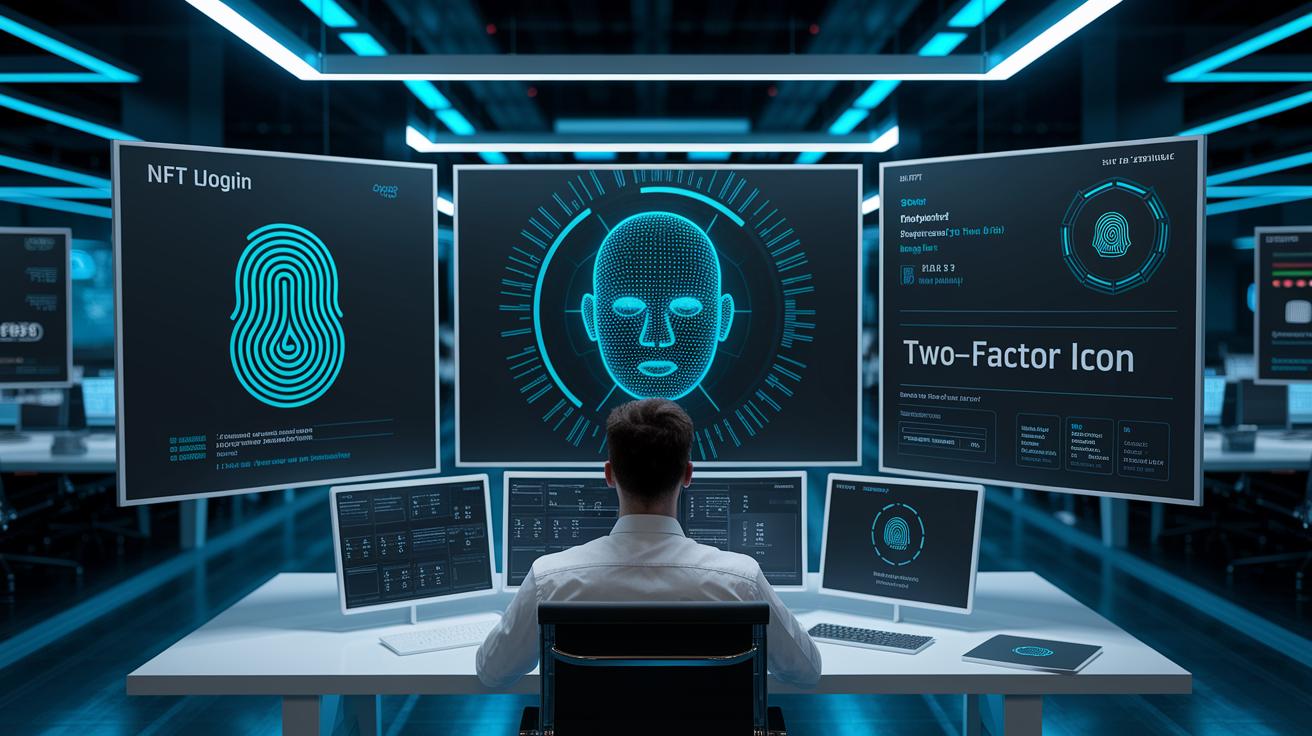
Some useful steps include using generative AI to scan NFT data quickly, setting up biometric logins and two-factor authentication to protect your digital wallet, and relying on user-friendly analysis dashboards like Tools for Market Analysis to keep an eye on trends.
These new approaches build on proven methods, making your NFT checks both faster and more reliable.
Final Words
In the action of smart evaluation, we walked through verifying authenticity, tracing ownership, legal checks, and risk measurement. Each stage reinforces confidence when building a diverse digital asset portfolio.
Every step brings clarity to your investment approach. Caring analysis, blending tech-driven checks with manual insights, reminds us that nft due diligence is the foundation for secure, well-informed decisions. Keep moving forward with a steady, focused mindset.
FAQ
What is an NFT due diligence calculator?
The NFT due diligence calculator provides a quick way to assess risk and verify authenticity. It uses real-time transaction data and risk scoring to help investors make well-informed decisions about digital assets.
What is Treasure NFT?
Treasure NFT refers to a digital collectible secured by blockchain technology. It represents a unique asset that investors can trade or hold, ensuring a verified history and secure ownership.
What does NFT mean in fidelity?
In fidelity, NFT means Non-Fungible Token. It represents a unique digital asset stored on a blockchain, with clear records of origin and ownership that support authenticity and value tracking.
What does NFT mean in business?
In business, NFT stands for Non-Fungible Token. It designates a distinct digital asset used to represent ownership of creative work, rights, or exclusive digital items, providing new ways to trade and invest.
What are the 4 P’s of due diligence?
The 4 P’s of due diligence include Product, Price, Potential, and Performance. This framework assists investors in evaluating an NFT’s authenticity, market pricing, growth prospects, and historical trends effectively.
Are people still making money off of NFTs?
People continue to profit from NFTs through buying, selling, and holding these unique assets. By conducting thorough analysis using due diligence, investors can spot market trends and capitalize on emerging opportunities.
