
Ever wonder why a bright market can fall so fast? In early 2021, NFTs, digital items stored on a blockchain (a secure digital ledger that tracks ownership), were trading at $2.9 billion, lighting up dreams of a new digital future. But by 2025, trading shrank to just $23.8 million!
This steep drop makes you question investor trust, the power of hype, and even the true quality behind these digital creations. Yet even in this downturn, there’s real promise. With smarter planning and higher standards, we could see a market recovery built on blockchain’s trustworthy system for proving ownership.
Understanding the nft crash: Causes, Scale, and Forecasts
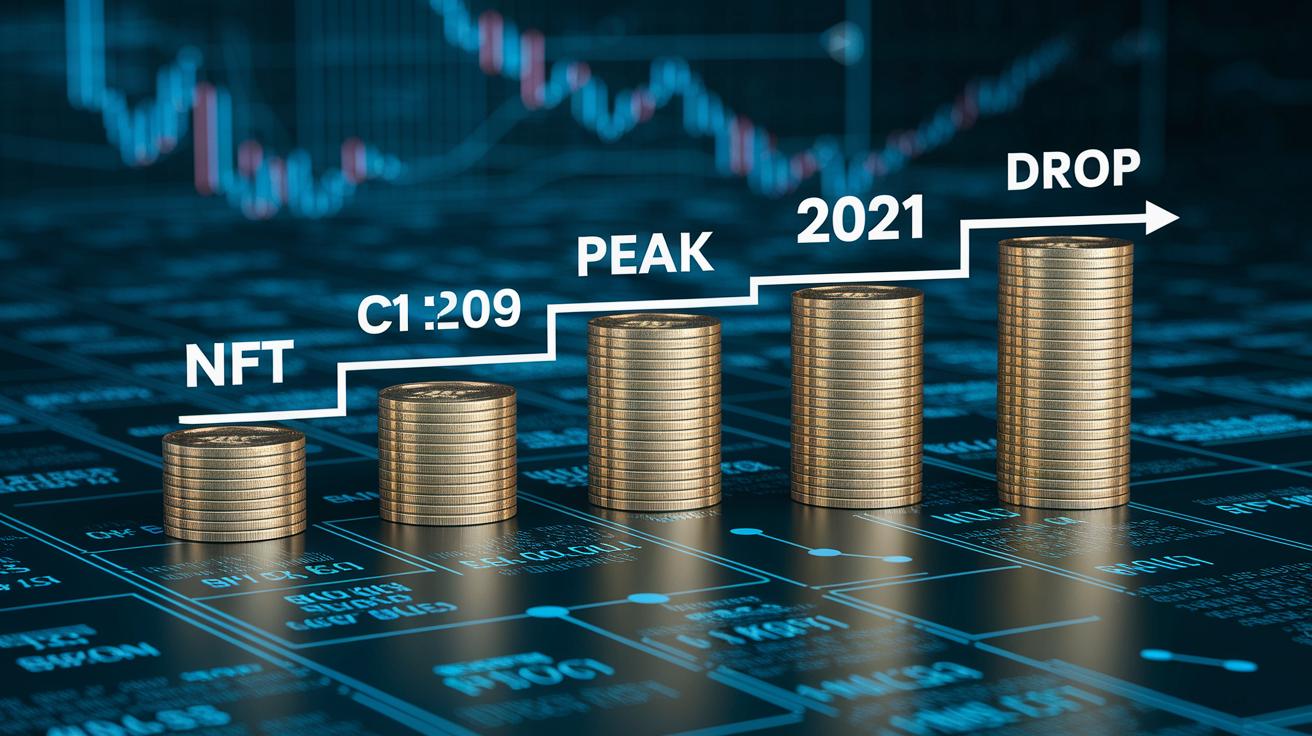
Back in the first quarter of 2021, the NFT market hit a high note with a trading volume of $2.9 billion. This exciting leap was fueled by a wave of interest in unique digital art verified through blockchain (a secure digital record that proves ownership). Investors and collectors were all in, believing in a future full of digital promise. But by the first quarter of 2025, the scene had changed completely, with the trading volume dropping to just $23.8 million, quite a contrast to the earlier frenzy.
To see how steep the fall was, look at the numbers. The market dropped from $2.9 billion in 2021 to $197 million by 2024, and then to $23.8 million in early 2025. That’s a 93 percent decline. Imagine a firework that burns brilliantly for a moment and then fades away, leaving behind only a wisp of smoke. These figures show just how deep the downturn went and hint at a slump in investor trust during some very shaky market conditions.
The collapse happened for a few big reasons. There was a lot of speculation that drove prices way too high, and many NFT collections simply didn’t have the quality or originality needed to sustain this hype. Rumors and buzz, often started by major investors, created an overheating frenzy that eventually made many tokens almost worthless. Even so, the real appeal of blockchain technology, a safe way to confirm ownership, remains strong. This core benefit hints that with better standards and careful planning, the market might slowly rebuild trust and encourage steadier growth. Early signs suggest that with smarter strategies and improved rules, a recovery could be on the horizon.
Mapping the nft crash timeline

The NFT market went through some big changes, marking clear stepping stones along the way. In Q1 2021, the scene was buzzing with a trading volume of $2.9 billion, a time when investor excitement was at its peak. By late 2022, even though sales still happened, prices started to drop, hinting that caution was creeping in.
Then in 2024, things took a turn. Trading volumes settled at around $197 million, almost as if the market was taking a deep breath before a big plunge. In Q1 2025, a flash drop hit, and volumes tumbled to just $23.8 million, quickly reshaping how investors felt about the space.
This timeline really shows how swiftly the market can change. What began with a record surge evolved into a careful pause and then a rapid downturn. Imagine hearing someone say, "Before becoming a popular trend, the NFT market hit high peaks that were soon followed by a swift devaluation, leaving many caught off guard."
| Period | Trading Volume | Notable Event |
|---|---|---|
| Q1 2021 | $2.9 billion | High surge driven by strong investor interest |
| Late 2022 | Steady levels | Plateau with ongoing sales but dropping prices |
| Q1 2025 | $23.8 million | Sudden drop triggering rapid devaluation |
Key factors driving the nft crash
The nft market took a hard hit because too many people got caught up in the excitement without checking if the value was real. Investors learned that chasing a quick hype over genuine quality can set the stage for a sudden fall. Over time, these mistakes have paved the way for more thoughtful market habits.
- Too much buying on hype: Many jumped in because of short-lived excitement rather than solid reasons. It’s like starting a race without proper training, your burst of energy just fades away.
- Stale creativity: Some nft collections didn’t bring anything new to the table, making buyers lose interest. Imagine collecting cards where every one tells the same old story with no twists.
- Overblown prices: Values soared based on unrealistic hopes instead of clear worth. It’s similar to paying too much for a toy that quickly loses its charm.
- Hasty selling: Panic led to a rush to sell, causing prices to drop even faster, like a line of dominoes falling with one small misstep.
- Platform problems: Tech glitches and trust issues with sales sites made things even worse. Think of it like a busy store where the registers keep failing during a big sale, total chaos.
These lessons now guide the market toward a smarter mix of careful decisions and deeper thinking, using past slip-ups as a roadmap for steadier growth.
Effects of the nft crash on top collections and investor sentiment

Remember when Beeple’s “Everydays” sold for $69.3 million? Back then, it made headlines and fueled the market’s wild excitement. Today, these art pieces are seen as memories of a very speculative time, with prices in the resale market dropping by 70–90 percent compared to their peak (nft values). This big fall has left many collectors feeling uneasy about what once seemed like a top investment in digital art.
At the height of the NFT boom, trading was buzzing with energy. The market was alive with high activity and lots of people taking risks. But now, overall trading has plummeted by 93 percent, and the number of active traders has dropped almost as much. Many investors now approach the market with caution. It’s a shift from wild enthusiasm to a more sober outlook, with many reevaluating their strategies when dealing with digital assets. In short, the fall in secondary sales and the decline in trading energy have made the community, once so excited about digital art, a bit more careful in their approach.
Comparing the nft crash to traditional market corrections

When you look at the NFT downturn next to old school market fixes, it really stands out. Big price jumps followed by steep sell-offs remind us of past asset bubbles, much like the financial collapse of 2008. That crash, sparked by wild speculation, still offers a lot of lessons for anyone thinking about digital investments today.
Reflecting on the 2008 crisis, you see clear echoes in today’s NFT scene. Back then, prices skyrocketed and then nosedived in no time. Now, we’re witnessing a similar flip, from excitement to sudden panic selling, as values become too high to support. It’s a reminder that even modern assets aren’t immune to classic market behaviors.
Digital assets, however, have their own vibe. The NFT market moves fast, fueled by online trends and lively communities. This mix of social buzz and automated trading sets it apart from traditional stocks. In short, the digital world can be much more unpredictable, so it calls for a fresh way to handle risk.
Looking at these patterns, it’s clear that caution is always key, especially when new asset classes take off quickly. Recent analyses suggest taking a detailed, patient look at each opportunity. By staying balanced and confident, investors can build a solid path toward recovery, where past lessons guide smarter steps in today’s digital market.
Recovery prospects and future trends after the nft crash

Even after the crash, blockchain still holds digital ownership together. Its built-in authentication (a secure digital record confirming ownership) keeps trust alive even when prices fall. It works like a sturdy foundation for a house, making sure every digital asset can be checked and trusted. Investors are now watching charts like a car mechanic inspects an engine before a long trip.
Creators and collectors are changing their game plan. They now treat digital assets like a carefully prepared recipe, where every ingredient needs to be top-notch. By focusing on smart risk management and thorough checks, they’re building portfolios that can handle sudden price swings and boost confidence in the long run.
New rules and platform updates are also reshaping market trust. Fresh oversight paired with tighter guidelines and improved vetting processes act like upgraded safety features in your car. This extra layer of security helps investors feel safer as they navigate the market.
Looking ahead, growth models are starting to show signs of steady trading volumes by late 2025. Predictions point to fewer liquidity issues and more consistent transaction flows. With tools like technical analysis of the financial markets guiding decisions, a balanced and careful recovery seems to be unfolding.
Final Words
In the action, our article tracked the surge of digital art and the dramatic drop from billions to near silence. We broke down key moments where speculative pricing led to sudden shifts in market mood and volume figures that shocked many. The insights on portfolio adjustments and risk planning reveal that even in an nft crash, valuable lessons are learned. Investors now see promising signs of market stabilization and growth ahead, paving the way for a more secure digital asset future.
FAQ
What does the NFT crash timeline reveal?
The NFT crash timeline shows a rapid decline from a Q1 2021 peak of $2.9 billion to just $23.8 million in Q1 2025, highlighting swift devaluation and a significant drop in investor confidence.
How is the NFT crash discussed on Reddit?
The NFT crash on Reddit is discussed with lively debates on market changes, data comparisons, and opinions about what drove the decline, providing a range of investor insights and experiences.
What is NFT art?
NFT art refers to digital artworks verified on a blockchain, meaning its originality and ownership are securely recorded, turning creative pieces into collectible, unique digital items.
How are NFT prices determined?
NFT prices are determined by market demand and investor sentiment, with factors like uniqueness, artist reputation, and speculative trading heavily influencing their value in a volatile market.
What is the most expensive NFT and how was it valued?
The most expensive NFT, such as Beeple’s “Everydays,” earned millions by reflecting peak market hype, where artistic merit and speculative excitement together drove its exceptionally high valuation.
Are NFTs worthless now?
The view that NFTs are worthless overlooks their blockchain authentication, which still secures digital ownership; while many tokens have lost value, the underlying technology remains valuable for future innovations.
Are NFTs still relevant in 2025?
NFTs remain relevant in 2025 despite drastic trading volume drops; digital ownership through blockchain retains appeal, and improvements in quality controls and regulation keep them alive in the market.
Why are NFTs declining?
The decline in NFTs results from over-speculation, low originality in collections, and cautious investor behavior, with volatile trading volumes underscoring that the market hype has cooled.
Will NFTs ever recover?
NFT recovery is possible through improved quality controls, better market practices, and renewed investor trust; the core blockchain technology continues to add value that may help stabilize the market over time.
