
Ever noticed how a tiny detail can really boost a token's value? NFT collectibles are much like rare baseball cards, where every mark tells a part of its story. They gain appeal from one-of-a-kind traits and rich histories that make each one unique. When you understand what makes an NFT special, you can more easily spot those hidden gem opportunities that may increase in value over time. In short, knowing about rarity not only adds charm, it can also elevate the worth of digital art.
nft collectibles: understanding rarity Elevates Value

When we talk about NFT rarity, we mean how special and hard-to-find each token is in its group. Each NFT comes with its own set of traits that never change, which makes every one of them one-of-a-kind. Even if some tokens look similar at first, their unique mix of features sets them apart, catching the eye of both collectors and investors who believe the rare ones could fetch a higher price later on.
Taking a closer look, the history of each token is also a big deal. Checking its background and past owners gives a clear picture of its authenticity and adds to its value. This record builds trust and shows that the rarity of a token isn’t just about its looks, but also its story.
In short, collectors love tokens that really stand out. They pay attention to clear differences in traits and solid ownership histories to decide which NFTs might become more valuable over time. Understanding the basics of rarity in NFT collectibles can help anyone pick out those assets that truly shine in a crowded market.
Key Metrics for Assessing Rarity in NFT Collectibles

When you dive into the world of NFTs, it’s a bit like exploring a lively art gallery where every piece has its own story. Collectors often check how rare a token is by counting traits, comparing different features, and looking at unique combinations of attributes. Think of it as spotting a rare flower in a huge garden, finding that one token with a one-of-a-kind background.
Each method shines a light on a different part of rarity. Trait rarity ranking simply counts how often a specific feature shows up, while average trait rarity looks at all features together to give a balanced view. Statistical rarity goes further by using basic math to show which traits are outliers, and issuance volume tells you how many tokens exist overall, much like comparing a limited-edition print to a mass-produced poster. Then there’s the Combined Rarity Score, which ties all these factors together into one clear number.
| Metric | Description |
|---|---|
| Trait Rarity Ranking | Counts how often each individual trait appears across the collection. |
| Average Trait Rarity | Combines all traits to show how unique the token is overall. |
| Statistical Rarity | Uses simple math to spot traits that really stand out from the crowd. |
| Issuance Volume | Indicates the total number of tokens created, highlighting overall scarcity. |
| Combined Rarity Score | Merges all the individual metrics into one easy-to-understand rarity index. |
These methods work together to give you a clear roadmap for understanding digital asset rarity. With these insights, you can make smart, informed decisions when picking out collectibles, all while feeling confident in the numbers behind each token's unique traits.
Tools and Platforms for Calculating NFT Rarity

Rarity platforms work like unique scorecards. They help collectors and investors spot NFTs that truly stand out. One leading option is Rarity Sniper. With nearly 492,000 Twitter followers and 321,000 Discord members, it covers almost 1,800 collections on 18 blockchains. It not only digs into rarity details but also shares news updates and drop calendars, giving you a full picture of market trends and release schedules.
Another well-liked tool is Rarity.tools. It offers four different ways to calculate rarity so you can filter tokens by the traits that matter most. Its detailed analysis reveals the little differences that make each NFT one of a kind. Even if the layout takes a minute to get used to, its clear data is great if you need in-depth insights.
Trait Sniper is a fast and handy alternative. It produces full rarity rankings in just 30 seconds and lets you filter by specific traits, rank, and price. With its dedicated Chrome extension, getting quick insights on the go is simple and efficient.
Icy.tools, which launched in 2021, is popular among serious traders. It stands out thanks to its real-time charts, up-to-date data feeds, and the ability to set up custom favorites under a premium plan. The blend of live market statistics and detailed data helps you navigate fast-moving trends. In short, each platform fits different needs, so choosing the right one depends on how deep you want to dive into rarity stats and how fast you need your data.
How Rarity Influences Value in NFT Collectibles

NFT value is mostly driven by how rare an asset is. Rarer tokens usually fetch higher prices on resale markets because each one has a special mix of traits, a kind of unique signature, that makes it stand out. When collectors spot an NFT with an unusual combo of features, they often feel it has extra potential for the future. For example, if a token includes a trait you hardly ever see in its group, it can spark a buzz that drives the price up.
Investors and collectors lean on these rarity clues to shape their buying and selling moves. They use simple forecasting tools that blend how collectors feel with current trading trends to get a clear picture of market direction. This data-driven approach not only saves time but also cuts down on risk, making sure decisions aren’t based on guesswork.
These unique creation indices act as a helpful benchmark for expected value. By comparing the trait scores against current floor prices (the lowest price available), investors can spot when an NFT might be undervalued or when it’s smart to hold tight as demand grows.
Illustrative Examples of Rare NFT Trait Combinations
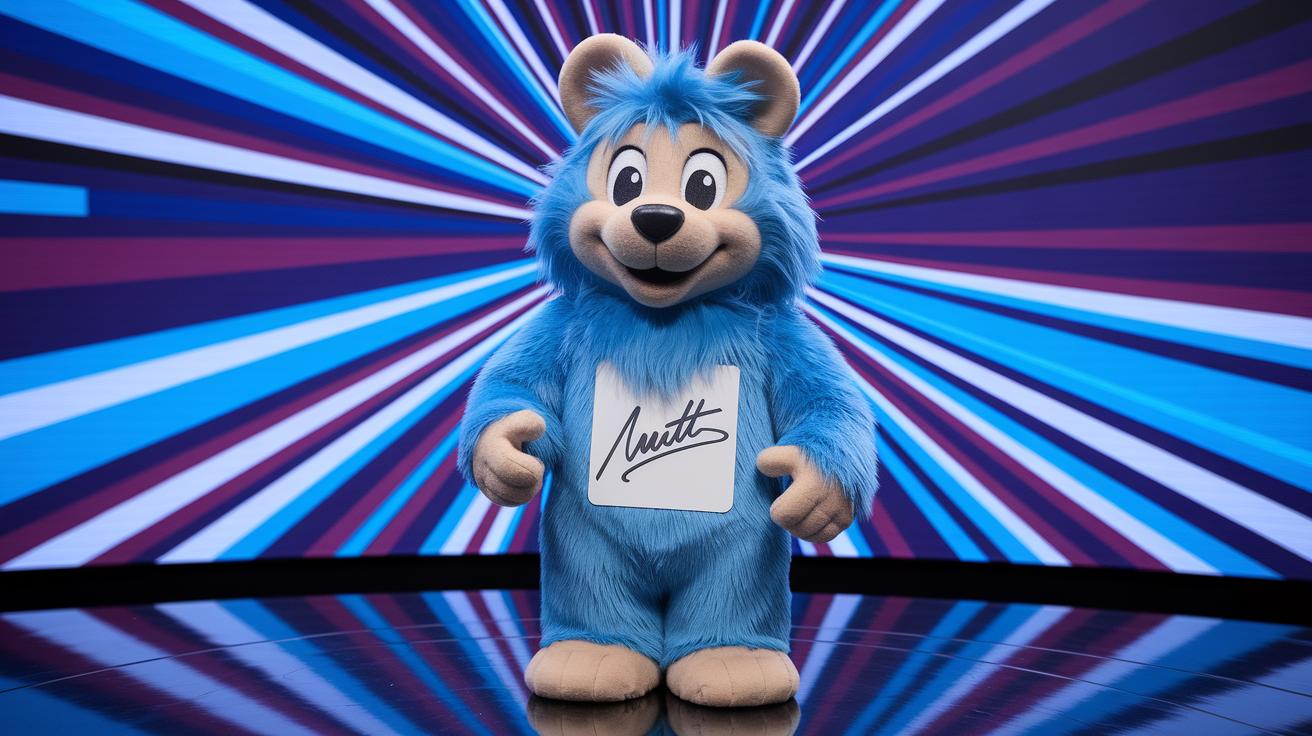
Imagine an NFT that stands out because it has a feature seen only once in the whole collection. It could be a unique background color or a signature symbol that no other token shows. This kind of one-of-a-kind detail turns an ordinary NFT into a highly sought-after limited edition.
Now, think about tokens that come from rare minting techniques. They might use a custom-made generative algorithm (a program that creates art with numbers) or carefully hand-picked details. It’s like getting a special artwork where every part is designed to be different from what you usually see.
Picture an NFT that brings together several rare elements. It might combine a distinct background, unique clothing, and exclusive accessories. When each feature appears in less than 1% of the collection, that token often falls into the top 0.5% of all items in rarity. It’s a digital collectible that mixes a rarely seen setting with standout style and special charms, a true blend of scarcity.
Collectors really value tokens that mix technical rarity with artistic uniqueness. Combining low-frequency traits with rare minting methods creates a compelling case for these items being recognized as exclusive in the fast-paced world of digital collectibles.
Final Words
In the action of exploring rare NFT traits, we traced how unique features and solid metrics come together to gauge value. We examined tools that help score rarity, looked at measurable aspects, and even discussed specific trait combinations that can boost an NFT's worth.
These insights remind us that paying attention to unique details lightens the path in building a strong digital asset portfolio. Embracing nft collectibles: understanding rarity can boost smart, confident investing and spark creativity for the future.
FAQ
How can I check the rarity of an NFT?
The process of checking NFT rarity involves using rarity calculators and platforms that rank traits based on frequency and overall supply, giving you a clear rarity score for each NFT.
Does NFT rarity matter?
The significance of NFT rarity matters because rarer tokens typically draw greater collector interest and higher market prices, which can guide smarter buying and selling choices.
How can I know which NFT will be valuable?
The method for gauging NFT value combines rarity data, historical trends, and unique trait analysis, helping investors predict which tokens might perform well in secondary markets.
How do NFT rarity tools work, including calculators and snipers?
The use of NFT rarity tools starts by analyzing key traits and supply data; platforms like rarity sniper filter and rank attributes quickly, making it easier to spot high-value collectibles.
What are some examples of NFT traits that indicate rarity?
The identification of rare NFT traits involves spotting unique features such as one-of-a-kind attributes or low-frequency traits in areas like background, clothing, and accessories.
How can I assess NFT rarity before a reveal?
The approach to assessing NFT rarity before a reveal uses preliminary minting data and sample trait distributions, enabling collectors to make informed decisions ahead of the official reveal.
