
Ever thought about how digital art might change the way we honor our past? NFT collectibles are not just a trend; they work like secure treasure chests that keep our cultural stories safe for future generations. Think of them as modern record keepers where cherished heritage stays protected from time and turmoil.
These digital creations are sparking fresh creative energy and bringing people closer together. It’s like watching history and art come alive in a way that feels both secure and inspiring. In this post, we explore how these digital treasures help strengthen cultural bonds and light the spark for creative movements across communities.
nft collectibles cultural impact: Inspiring Creative Movements
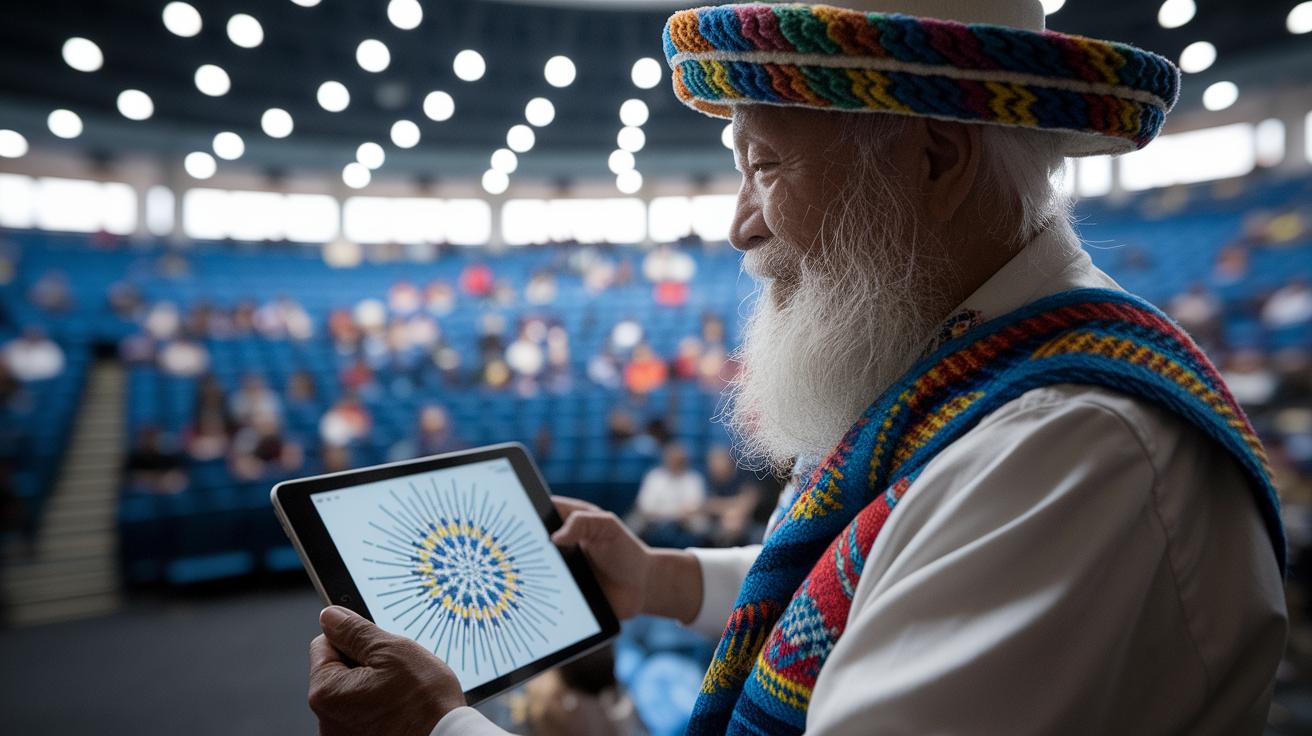
NFT collectibles are one-of-a-kind digital items verified by blockchain (a secure, digital ledger that keeps records safely). They capture art, indigenous stories, and cultural treasures, preserving a community's heritage much like a digital diary that no fire or flood can erase. Imagine recording the rich traditions of indigenous storytelling on a platform that keeps the history intact for everyone to appreciate, it's like gifting generations a lasting memory.
Decentralized storage platforms like IPFS and Filecoin (systems that spread data across many computers to boost security) help keep these digital treasures safe. Think of it as a digital archive built to withstand natural disasters and tech glitches, where each NFT’s authenticity is locked in, nearly impossible to fake, almost like storing your prized collectible in a digital fortress.
NFTs are also changing the way art and cultural income flow by bypassing traditional galleries and middlemen. This direct-to-fan method not only opens up new earnings for both artists and institutions but also deepens the connection with their audience. Picture a popular artist launching a limited-edition digital collectible, inviting fans to own a piece of modern art history. In short, NFTs are bridging cultural expression with real financial opportunity, creating a space where art, heritage, and society come together organically.
Preserving Cultural Heritage with NFT Collectibles

Digital tools now offer a fresh way to safeguard our cultural treasures. By turning artifacts into NFTs, we use blockchain (a secure, digital record) to create an unchangeable log of these items. For example, one pilot project saw indigenous communities digitize old audio recordings of an ancient language. They linked these recordings with smart contracts, automated agreements that send token royalties directly to local custodians.
Systems like IPFS and Filecoin help by spreading these digital records across many computers, which lowers the chance of losing or tampering with them. Consider this: a small digital archive in a remote community preserved centuries-old oral traditions using smart contracts, ensuring every bit of revenue went straight back to the storytellers.
Token royalties and virtual exhibitions are now creating a new economic model that supports cultural institutions. Smart contracts can set up clear revenue-sharing plans that benefit cultural keepers and invite community participation. This not only protects artistic heritage but also brings economic rewards back into the community. Imagine a digital gallery scheduling timed online shows where each NFT acts as a ticket, directly funding local art projects.
Emerging Trends in NFT Collectibles and Digital Art Culture
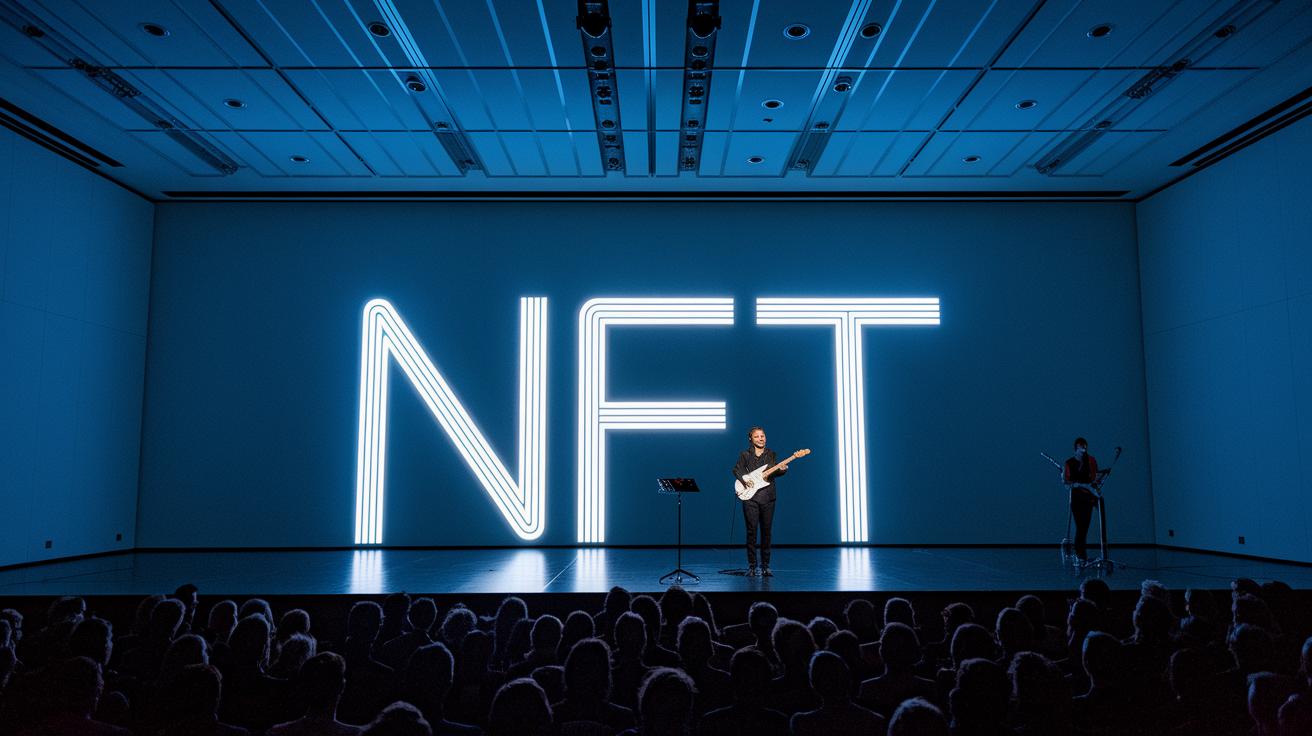
NFTs have really changed the game in both art and digital worlds. Celebrities and big-name brands are creating limited-edition NFTs to freshen up their image. Artists are not just making collectibles; they’re sparking deeper connections with fans. Imagine a famous musician launching a one-of-a-kind digital collectible that fans can actually own, it’s a burst of excitement that fuels a much wider cultural trend.
Virtual auctions, drop events, and online galleries in the metaverse are drawing fans into direct, personal interactions. It feels almost like visiting your local gallery, where every corner buzzes with excitement. Social media is full of chatter as collectors, influencers, and everyday art lovers spread the word, building a global community that’s as lively as it is diverse.
Digital art is breaking away from traditional boundaries, opening doors to new ways of buying and selling art. NFTs let creators sidestep old methods and directly connect with their audience through fresh revenue streams. Think of provenance tracking as a straightforward way to record an asset’s history, providing a digital certificate of authenticity that collectors can truly trust. This innovative approach has sparked a joyful exchange of ideas and a complete rethinking of cultural participation.
- Celebrity NFT drops and creative collaborations
- Branded virtual exhibitions in metaverse spaces
- NFT-based membership perks and fan tokens
- Live minting events on social media
- Charitable NFT projects that give back
Isn’t it amazing how swiftly and boldly this digital revolution is reshaping art?
Challenges in the Cultural Adoption of NFT Collectibles
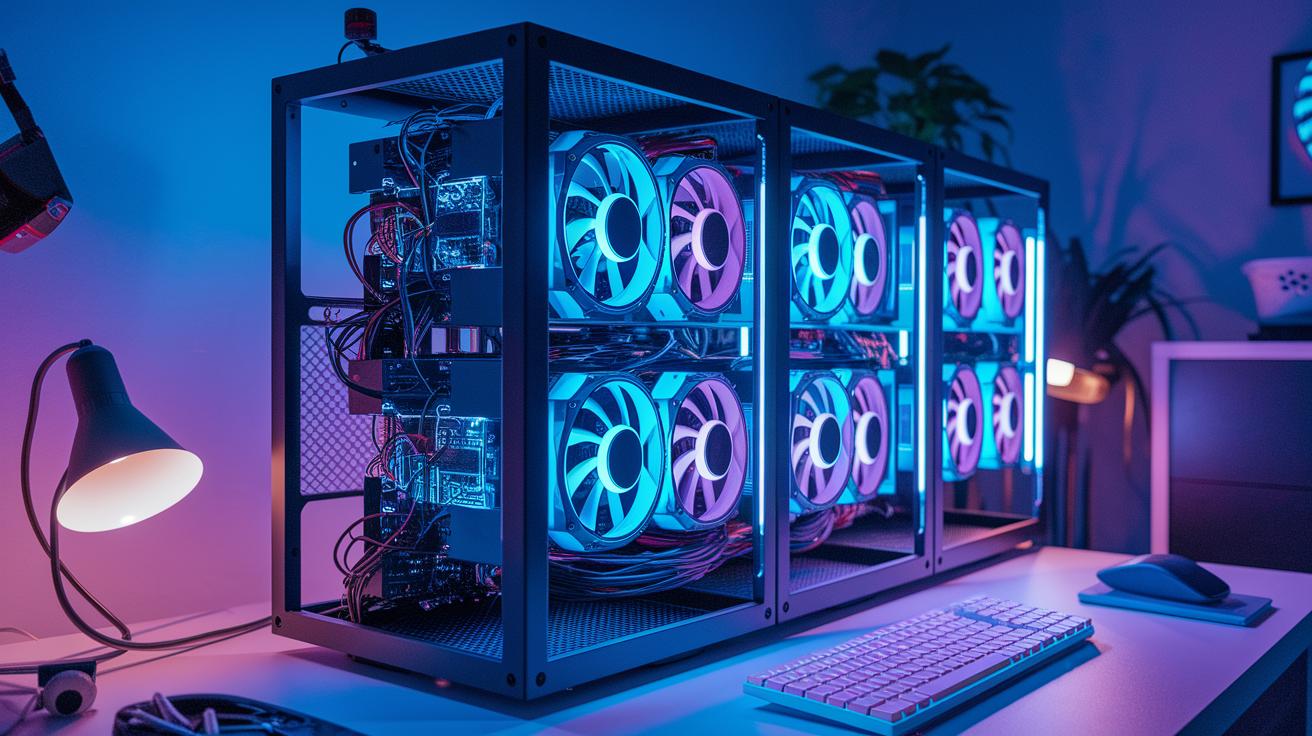
Many digital art projects depend on proof-of-work blockchains, which use a lot of energy. This process is like a computer solving tough puzzles that require plenty of power, and it leaves a big mark on the environment. Artists and eco-friendly communities are growing more uneasy about this heavy energy use, especially when the risk of copied or fake NFTs is real. Imagine buying a unique digital collectible only to find it was just a copy – that kind of discovery really shakes confidence in the digital art world.
Price ups and downs make things even trickier. Wild market swings can hurt both the artists earning from their work and the cultural institutions that depend on digital art for funds. It’s much like riding a roller coaster where sudden drops can leave everyone feeling uncertain. In short, dealing with environmental concerns, trust issues, and shaky prices means the NFT market has some serious hurdles to overcome before it can become a stable part of our cultural scene.
Future Prospects for NFT Collectibles in Cultural Transformation
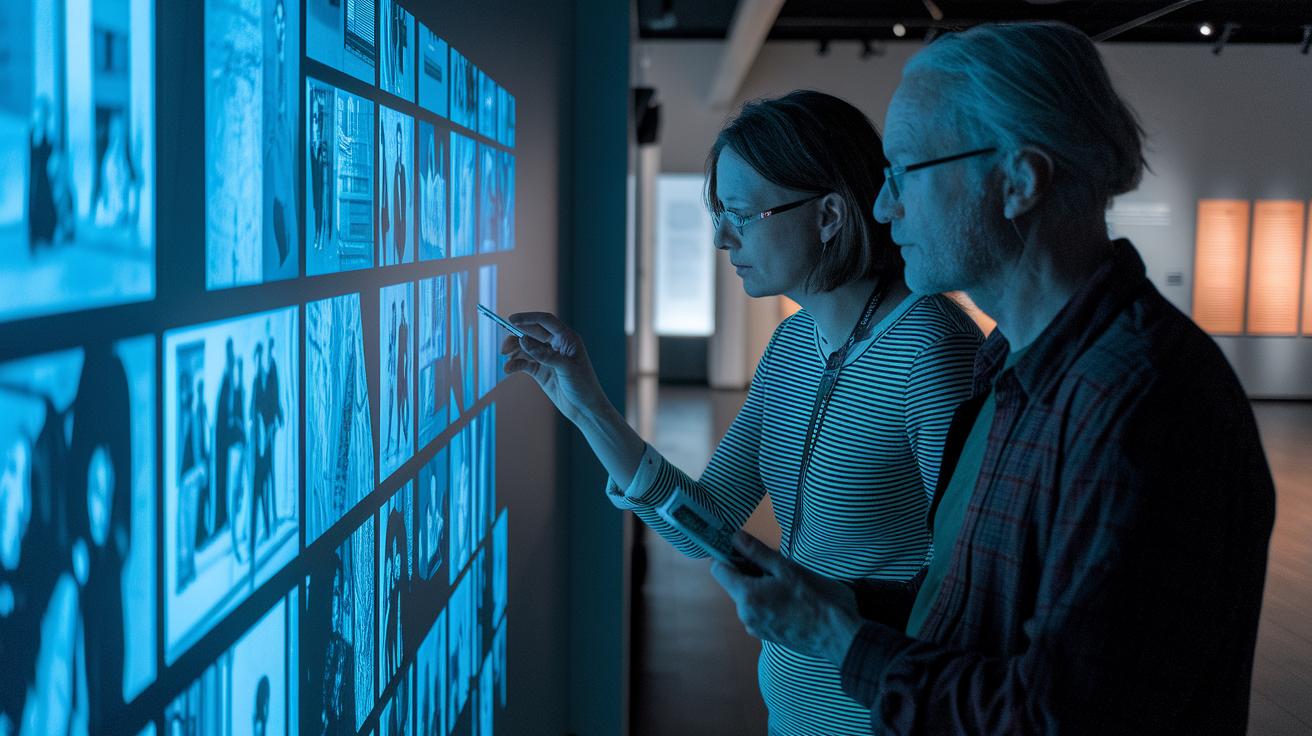
Museums, artists, and communities are teaming up to create NFT archives that protect our cultural treasures for years to come. They’re trying out decentralized storage systems, a way to safely store assets so they last and stay accessible. As more people chat about the future of art crypto (digital art safeguarded by blockchain, a secure digital ledger), creative institutions are mixing traditional art with fresh digital ideas. It feels like a digital renaissance in the making, with each artifact adding to a broader digital culture.
New ideas in royalty models and digital exhibition platforms are also driving economic sustainability. These platforms let collectors do more than just look at art, they get involved in the experience, which helps make art ownership more open. This shift is changing how people value and enjoy art, almost like a shared virtual art show. And as these interactive platforms grow, the way we experience art will keep evolving. Soon, art crypto might offer even more immersive experiences that connect the authenticity of art with lasting cultural impact.
Final Words
In the action, we explored how NFT collectibles shape modern culture, protect heritage, and open new revenue paths. We examined how decentralized storage keeps digital records safe and how blockchain boosts trust in art authenticity. We also looked at how evolving trends and smart tech create fresh ways for audiences to engage with art. All these factors combine to illustrate the nft collectibles cultural impact on our society, leaving us hopeful about a more connected and secure financial future.
FAQ
Q: What do NFT collectibles cultural impact lists, free resources, and 2022 highlights show?
A: These resources show NFT collectibles influencing culture by preserving indigenous narratives and art with decentralized storage. They highlight trends, revenue shifts, and growing cultural participation noted as early as 2022.
Q: How do NFTs offer a unique solution for preserving cultural heritage and historical artifacts?
A: NFTs offer a unique solution by digitizing art and artifacts into secure, verifiable records using decentralized storage, which protects against physical decay and forgery for long-term cultural preservation.
Q: In which industry are NFTs having the biggest impact?
A: NFTs are making their biggest impact in digital art and cultural sectors, where they reshape how art is marketed, conserved, and shared while opening new revenue streams for creators and cultural institutions.
Q: How do NFTs impact the environment?
A: NFTs impact the environment by consuming significant energy in some blockchain processes. Many projects now shift toward energy-efficient methods and renewable energy sources to reduce their carbon footprint.
Q: Why are some artists against NFTs?
A: Some artists oppose NFTs due to concerns over high energy consumption, market volatility, and risks of fraud. They worry these issues could diminish creative authenticity and harm trust in digital art markets.
