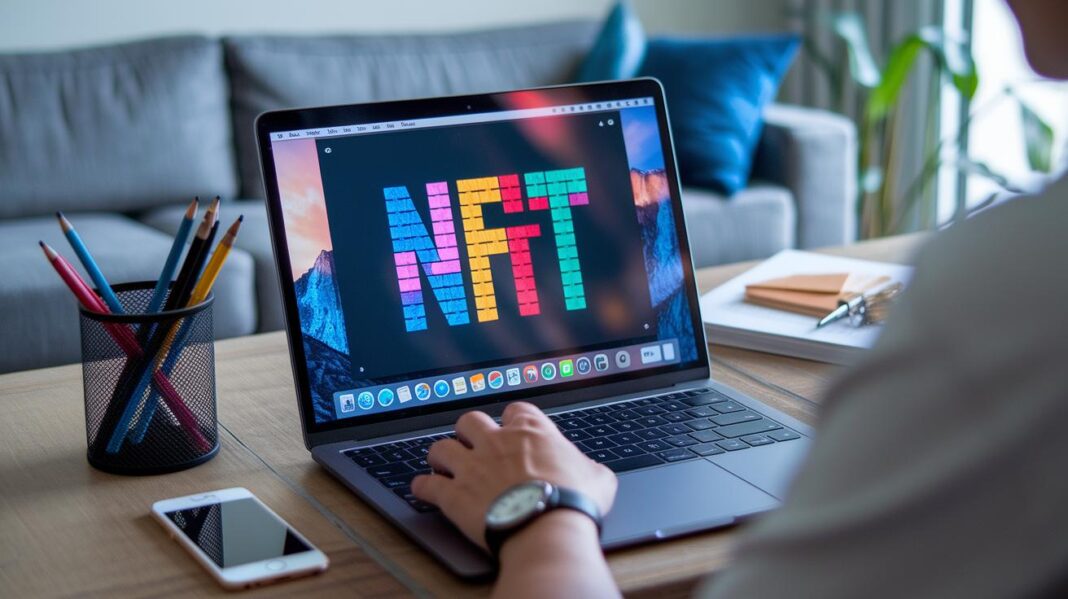
Have you ever wondered if owning an NFT means you can do whatever you want with a digital artwork? Many people think that when they hold the token, they own every right to the image. But that's not entirely true.
Think of owning an NFT like holding a special trading card. The card shows that you own the item, yet it doesn’t give you permission to make copies of the image. We break down how copyright laws work for these collectibles in simple terms so that you know exactly what rights you have with your digital purchase.
It's a bit like having a collectible that proves authenticity without granting full control over its use. This way, you get a clear look at the legal side of digital art ownership.
How Copyright Law Applies to NFT Collectibles
NFTs are digital tokens that show you own a digital item by keeping a special certificate of authenticity on a blockchain (a secure, digital ledger that stores data). Think of these tokens like a keychain where every key unlocks a record confirming you hold something unique. For instance, when an artist makes a digital painting and mints it as an NFT, it creates a digital fingerprint that ties the art back to the creator.
Even though NFTs prove ownership, they don't automatically give you full copyright protection. They store data about the token but don’t include the creative rights or originality needed under copyright law. In simple terms, having an NFT is like holding a receipt for a product rather than owning the design to make the product yourself. Buyers receive the digital token, but the rights to copy or change the artwork remain with the artist unless these rights are clearly passed on.
Copyright law is all about protecting the creative effort of the original work. It makes sure that the author keeps control of their creation unless they decide otherwise. So, when you buy an NFT, you're getting the token itself, not the legal rights to reproduce or modify the original artwork. For example, an artist might sell the NFT while keeping the right to make prints or license the work for other projects. This means you should never assume you get full intellectual property rights with an NFT unless it’s explicitly stated.
Ownership Distinctions Between NFT Tokens and Underlying Artwork

When you buy an NFT, you get a digital certificate that shows the item's authenticity. Think of it like owning the certificate for a collectible baseball card, you know it’s genuine, but you don’t own the image on the card. The NFT only proves who owns the digital asset. The actual artwork stays under copyright, so the artist keeps control over its copying and display.
Artists who create NFTs hold on to all the rights of their original work. This means they can still sell prints, create merchandise, or license the artwork. Collectors, on the other hand, can only trade, sell, or gift the token itself. Without the creator's permission, NFT owners can’t use the artwork for other purposes. This clear split lets artists manage their work while allowing collectors to show they have the real deal.
Unauthorized Minting and Copyright Infringement Risks for NFT Collectibles
Artists have run into real troubles when their art gets turned into NFTs without their okay. One case that comes to mind is when a production house took legal action against a filmmaker who minted an NFT series based on a handwritten script. It’s a clear sign that simply converting creative work into digital tokens (NFTs: digital assets that certify ownership using blockchain, a secure, digital ledger) without permission can lead to hefty legal issues.
There was another incident in China. An NFT platform ended up in court for selling tokens linked to a vaccine cartoon without getting proper approval. This shows that even online, you need the right go-ahead before turning creative work into NFTs.
• Tokenizing artwork without the creator’s consent
• Minting the same work on several platforms
• Misstating who really owns the work
• Not having any written licensing agreement
Doing solid due diligence when it comes to NFTs is key, think of it as checking all the facts before you dive in. A smart step is to make sure the minting platform has strict policies against duplicate uploads and that creators have signed off with written licensing terms. This careful approach not only protects collectors and platforms but also honors the original artists' rights.
Smart Contracts and NFT Copyright Protection Mechanisms
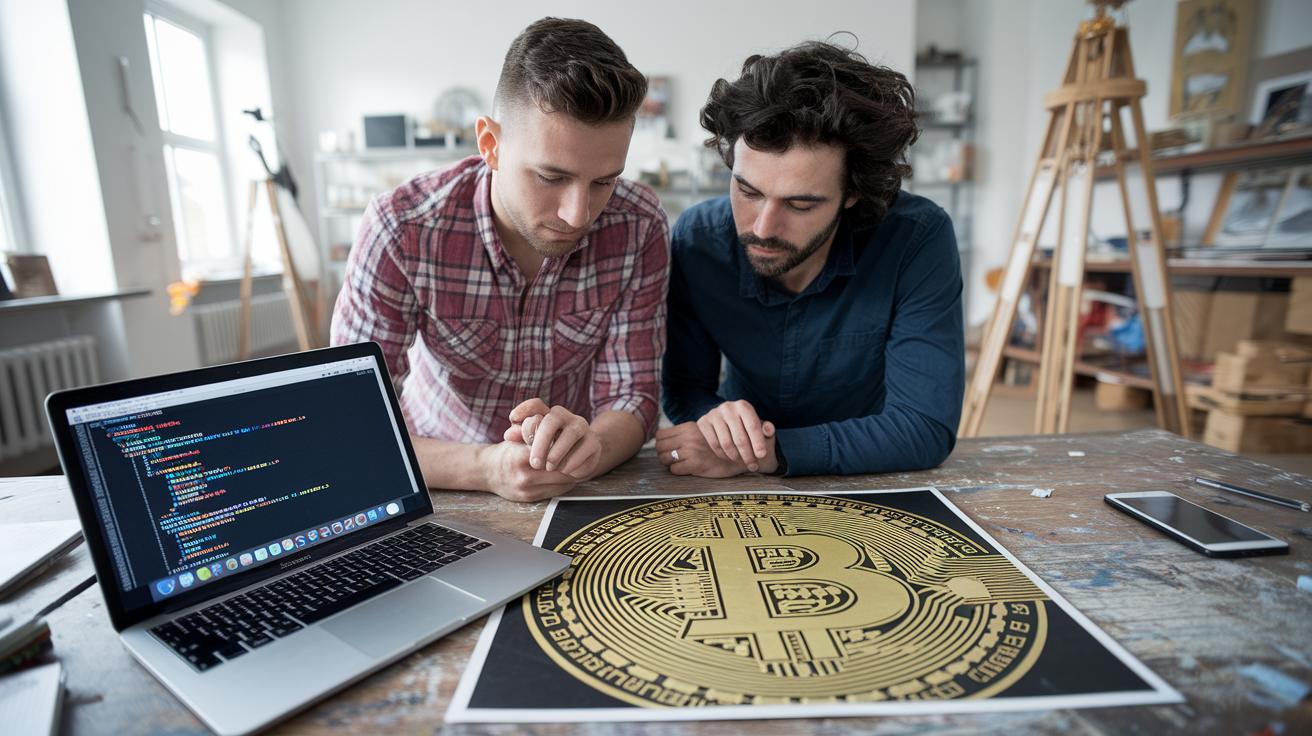
Smart contracts are like self-running codes on the blockchain that automatically take care of tasks like royalty payments when an NFT is sold. For example, when a digital artwork finds a new owner, the smart contract quickly figures out the royalty fee and sends it straight to the artist. This creates a clear, traceable record and a smooth payment process, letting creative professionals benefit from each resale. It’s a smart, built-in system that keeps everything transparent and fair.
But smart contracts don’t enforce copyright all by themselves without clear rules. You have to include specific licensing terms and copyright details in the NFT’s metadata, think of it as a digital rulebook. For instance, tagging an NFT with restrictions on commercial use can protect both the creator and buyers from future disputes. This careful blend of legal guidelines with blockchain technology not only strengthens intellectual property protection but also makes digital transactions more reliable and trustworthy.
Trademark and Fair Use Gray Areas in NFT Collectibles and Copyright Issues

Digital tokens sometimes include well-known logos or images, and that can lead to clashes with trademark rules. In 2022, a big brand took legal action over NFTs showing its famous items. This case makes it clear: mixing creative digital art with established trademarks can lead to tricky legal questions. Creators might wonder, is using a protected image a genuine tribute or an infringement?
Risks include:
- Unauthorized use of brand logos in digital tokens
- Marketplace listings that suggest a brand endorsement when there isn’t one
- Few legal cases specifically guiding NFT fair use
One smart approach is to set clear rules for using recognizable icons. Creators can add detailed licensing statements to show when a token only reflects inspiration rather than an official brand connection. Platforms can also help by being transparent in their listings, so they don’t imply that a brand is backing the token. Keeping up with new legal insights and getting expert advice can protect both creators and collectors as the world of digital tokens grows.
Emerging Legal Frameworks and Regulatory Solutions for NFT Collectibles Copyright

Legal changes are set to reshape how digital collectibles, like NFTs, are regulated. These updates aim to standardize NFT licensing and introduce blockchain-based copyright checks (blockchain is a secure digital ledger). In simple terms, the goal is to protect both digital artists and collectors, making the rules clearer and transactions safer.
On the tech side, experts are keen on using on-chain verification protocols. This means that NFTs could soon come with built-in systems to automatically confirm their authenticity and show clear licensing details. By recording this information on a permanent blockchain, we get a reliable way to match digital tokens with their original creations and prevent unauthorized use.
Artists and buyers alike should stay updated on these new standards and tech advances. Keeping an eye on regulatory changes and digital law updates is key in the fast-moving NFT world. Taking a proactive approach helps ensure everyone enjoys secure and well-regulated digital transactions.
Final Words
In the action, we explored how NFT collectibles serve as digital tokens that prove ownership without transferring full copyright rights. We broke down the smart contract role and clear ownership lines between a token and the underlying artwork.
We also touched on real cases, legal safeguards, and current regulatory trends shaping these copyright issues. Staying informed and reviewing clear agreements can help shape secure and smart digital strategies, all while keeping NFT collectibles and copyright issues in clear focus.
FAQ
How do NFT collectibles relate to copyright issues?
NFT collectibles represent digital tokens marking ownership without automatically transferring copyright protection. Buyers hold the token, while the underlying art’s copyright usually remains with the creator unless expressly reassigned.
Are NFTs protected by copyright?
NFTs give digital proof of ownership, but they do not bestow copyright rights by themselves. The artwork’s copyright stays with the original creator unless there is an explicit agreement transferring those rights.
What is the biggest problem with NFTs?
The biggest problem with NFTs lies in the misunderstanding between token ownership and the copyright of the artwork. Many assume ownership of the digital token means full legal rights to use or reproduce the art, which is typically not the case.
Are NFTs taxed as collectibles?
NFTs may be taxed as collectibles, similar to how digital assets are treated under tax rules. Tax details depend on jurisdiction and the asset’s specifics, so understanding local tax obligations is essential.
Can I still use my art if I sell it as an NFT?
Selling art as an NFT does not normally transfer commercial use rights. Creators generally retain the copyright, meaning you can reproduce, license, or sell prints unless you explicitly authorize a full transfer.
