Ever thought about how a few digital collectibles can grow into a lasting legacy? Building your digital gallery is more than just buying tokens (digital items that prove ownership); it’s about selecting pieces that tell your personal story.
Think of it like choosing art that reflects your unique style. You set clear rules and verify each piece to protect your investment while creating a narrative that really speaks to who you are. In this post, we’ll show you how to pick themes, set standards, and check authenticity so your portfolio stands out in a busy market.
curating nft collectibles: brilliant display
Structured curation plays a key role in cutting through a crowded digital market. By having a clear plan, you can pick the best tokens from the many open ones out there. It’s a lot like choosing art for a gallery where experts look for quality, uniqueness, and creative spark. When you take charge of your digital portfolio, you not only protect your investment but also build a personal story around each piece, much like nft art collections that honor admired legacies.
- Choose a theme – Pick a clear narrative like vintage digital charm or fresh crypto art to guide your choices. For example, you might say, "I love pieces that mix history with modern tech."
- Set clear rules – Decide on standards such as the artist’s reputation, edition size, and creative innovation before you buy. One collector might remark, "I only choose works with limited editions and proven origins."
- Ask trusted experts – Get advice from industry pros or experienced curators who can share insights beyond just the surface appeal.
- Verify history – Use on-chain tools and smart contracts for nfts (secure digital agreements) to check that a piece is genuine and its ownership is clear.
- Watch the market – Keep an eye on trends like floor prices and trading volumes to determine the long-term value and how easily an asset can be sold (liquidity).
Blending these steps builds a strong digital portfolio. Each move, from choosing a focused theme to confirming the authenticity of each asset, helps maintain quality and gives you an edge in a busy marketplace. Over time, these methods lay a solid foundation for growth and increased value, ensuring that every token you add enriches your carefully curated collection.
Key NFT Selection Methods in Curating Collectibles

When picking NFTs, it's about more than just glancing at the basics. You need to dig into tech proofs and real-world examples that help make the right choice.
Provenance Verification
Start by checking cryptographic proofs and on-chain metadata using trusted blockchain tools (tools that let you see digital records clearly). Look for the creator's wallet address and verified signature stamps in the metadata. One time, a collector discovered that a token’s data didn't match up, highlighting why careful cross-checking really matters.
Artistic Merit Assessment
Next, review technical certifications hidden in the smart contract (a coded agreement stored on the blockchain that confirms authenticity) to verify an artist's credentials. Ask for expert opinions and weigh in on unique design elements and creative styles. An industry specialist once explained that when a smart contract confirms a digital certificate from the artist, it clears up any doubts about the token’s authenticity.
Rarity and Scarcity Evaluation
It’s important to look deeper than just edition sizes. Check the smart contract details that manage token issuance and compare standards like ERC-721 and ERC-1155 (different blockchain protocols that handle NFTs in unique ways). Tokens with built-in scarcity measures are usually seen as more valuable over time. One study even showed that tokens with strict replication limits often fetch a premium compared to those with open minting.
- Use trusted tools for cryptographic validation.
- Seek expert advice on smart contract certifications.
- Examine scarcity controls within the token’s smart contract.
Digital Art Evaluation for NFT Collectibles Curation

Evaluating digital art is a crucial part of picking NFT collectibles that not only look stunning but also meet clear quality standards. In today's fast-changing world of digital trends, checking simple quality metrics like resolution (how clear the picture is) and file integrity (ensuring the file hasn’t been tampered with) is key when you’re assessing exciting art forms such as generative photography or text-inspired concepts.
Visual and Technical Metrics
Make sure the artwork has a high resolution, confirms the origin of its generative algorithms (the computer programs that create art), and even includes interactive features that draw you in. Simple file integrity checks help ensure the art stays in its original form, giving you reliable data to support smart, confident investment choices.
Historical and Contextual Assessment
Looking at the history behind the art adds a rich layer to its evaluation. Think about early digital art from the 1950s that laid the foundation for what comes today. Check out the art’s exhibition history on various platforms and see how it fits with well-known art movements. Blending insights from art pioneers with new styles like AI-generated images can really highlight how technical possibilities have evolved. This kind of review helps collectors make well-informed decisions about what’s authentic and artistically valuable in a lively, ever-changing digital scene. Combining technical details with historical insights can give you a fuller picture, paving the way for smarter, long-term investments.
Marketplace Trend Analysis in Curating NFT Collectibles

Curating NFT collectibles goes beyond simply picking pieces that catch your eye. It means watching how the market moves in real time. By tracking key signals like floor-price shifts, sudden volume surges, and scheduled drops, you get a clear picture of what buyers are doing. This insight helps you decide when demand is strong and which events could boost a collectible’s value.
Think about it like this: subtle changes in media buzz and on-chain data (a way of recording digital transactions securely) can highlight major shifts in supply and demand. These market hints guide you toward tokens that might hold their value or even climb higher.
| Year | Trend | Impact on Curation |
|---|---|---|
| 2021 | NFT Media Peak | Heightened collector interest, speculative spikes |
| Dec 2022 | EXPANDED.ART Relaunch | Renewed focus on curated drops |
| 2023 | 24-Hour Edition Drops | Demand for time-bound scarcity |
| 2024 | AI Art Biennale Inclusions | Elevated generative art valuation |
Looking closely at these data points sharpens your strategy. It anchors your collection in a lively market and shows why keeping an eye on trends is so valuable. This way, every move you make is backed by a clear sense of current conditions and future possibilities, setting you up for long-term success in your digital portfolio.
Organizing and Showcasing Curated NFT Collectibles

Imagine reaching collectors wherever they are by combining digital flair with a real-world touch. Mixing immersive online experiences with live events creates a vibrant way to showcase your NFT collection. By scheduling virtual gallery drops and hosting in-person events, you can put each curated NFT in the spotlight and forge deeper connections with your audience.
Virtual and Metaverse Exhibitions
Showcasing your collection in digital spaces like Decentraland or VR galleries gives it an exciting, futuristic vibe. When you set drop schedules and add simple details about each piece (like its history and origin), collectors know exactly where their art comes from. Picture walking into a virtual gallery where every token features interactive highlights and clear on-chain records (secure digital logs), sparking a fresh surge of enthusiasm for digital art.
Physical-Virtual Hybrid Displays
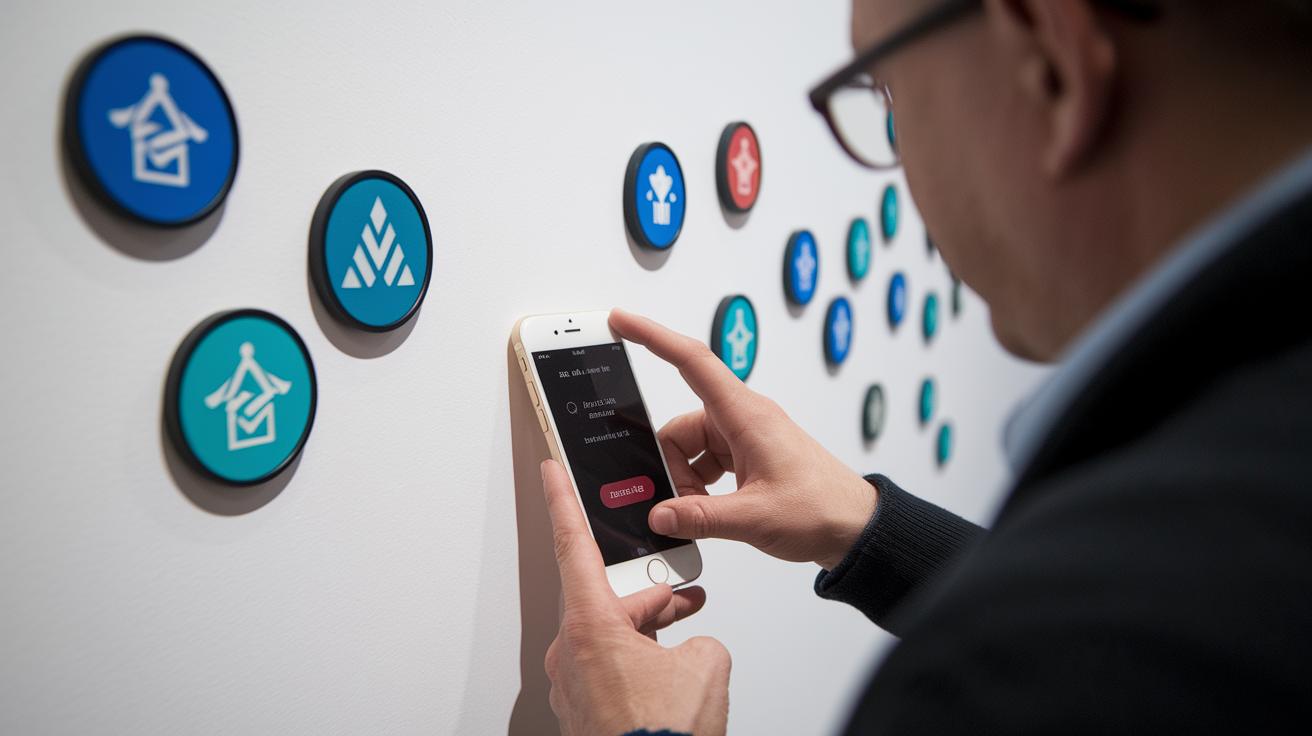
Combining pop-up events on busy urban streets with online displays creates an engaging, layered experience. At these physical events, you can use QR codes that quickly lead to digital ownership details. Exclusive physical prints can also be connected to token rights. Together, these ideas blend the tangible with the digital, enriching your collection while building a warm and welcoming online community around your art.
Case Study of Curating NFT Collectibles on EXPANDED.ART

EXPANDED.ART focuses on presenting handpicked digital art that marries a rich artistic past with fresh, cutting-edge ideas. Born from misa.art in 2021 and relaunched with a .ART domain in December 2022, this platform shows how digital art spaces can evolve and improve. Their goal is simple: to check every artwork’s authenticity and historical worth, making sure each token is both artistically pleasing and technically solid.
The site has a strong commitment to honoring the early pioneers of digital art. By linking today’s art to the first experiments in computer art and smart photography, EXPANDED.ART teaches new audiences about where digital creativity began. It’s a lot like walking into a traditional gallery where rarity, bold innovation, and cultural impact are highly celebrated. In this way, the artworks tell a story that connects modern taste with a rich history of digital expression.
Their unique drop strategies and impressive sales show just how expert they are. For example, their 24-Hour Edition Drops have moved thousands of pieces in just a day, a clear sign that limited releases can really ramp up excitement. And by using tools like AI (technology that learns and mimics human thinking to create images from text) and blockchain signatures (a secure digital ledger that verifies artwork authenticity), they offer innovative ways to preserve and honor art. These smart steps build a strong base for reviewing digital tokens and secure each asset in the evolving world of art curation.
Final Words
In the action, the article walked through practical strategies for curating NFT collectibles. It broke down key steps from defining quality to reviewing market data and organizing your digital portfolio.
The insights shared help build a secure, diverse collection. The discussion on selection methods and digital art evaluation gives an easy framework for confident decisions.
Moving forward, these tips put you in a strong position for a rewarding digital investment experience. Curating nft collectibles can pave the way to long-term portfolio value.
FAQ
Q: Why are NFTs no longer popular?
A: The drop in NFT popularity is linked to market saturation and shifting trends that leave fewer collectors eager today. Collectors now seek reliable value over hype, which has cooled overall interest.
Q: How much is the 69 million NFT worth now?
A: Estimating the value of a 69 million NFT depends on market conditions and recent sales data. Its worth fluctuates with supply, demand, and buyer sentiment in the crypto art space.
Q: How to design an NFT collection?
A: Designing an NFT collection involves planning a clear theme, setting quality standards, and working with digital artists to create unique works. This approach supports a cohesive collection that attracts dedicated collectors.
Q: Is creating NFTs still profitable?
A: Creating NFTs can still be profitable when done with a strong vision and strategic promotion. Profits often depend on market trends, artistic uniqueness, and engaging the right audience for your digital works.
