
Ever notice that some digital tokens catch your eye more than others? NFT rarity evaluation looks at the special features in each token (those unique details that set them apart) to show which ones truly stand out. Instead of guessing, we compare the common traits and give each token a rarity score. It's a bit like following a trusted recipe that always results in a great meal. With these clear steps, both buyers and sellers feel more secure knowing the comparisons are fair. Let’s take a closer look at some top practices that can boost the accuracy of rarity evaluation and change the way we see digital assets.
Best Practices for NFT Rarity Evaluation: Elevated Accuracy

NFT rarity evaluation means measuring how unique a digital asset is by looking carefully at its special features. We care about this because it plays a big role in setting prices and catching collectors' eyes. It helps people notice which NFTs really stand out. Ever notice how a fun fact can grab your attention? For example, before becoming famous, Marie Curie once carried test tubes of radioactive material in her pockets, completely unaware of the dangers ahead.
A key part of this process is keeping things clear and using the same rules every time. By relying on methods like checking how often certain traits appear and calculating rarity scores, the whole process stays fair and predictable. This straightforward approach acts like a guidebook for digital tokens, making data more reliable and comparisons easier to understand. It shows how each feature adds to the token’s overall value.
Having a consistent system builds trust for everyone involved. When people can see a fair, step-by-step method, buyers, sellers, and analysts all feel more secure. This clarity leads to smarter decisions in digital markets and encourages more fair assessments. In short, using an open and systematic approach means that every evaluation is accurate and benefits the whole digital asset community.
Key Metrics and Scarcity Indicators for NFT Rarity Evaluation

When it comes to figuring out how rare an NFT is, a few key numbers make all the difference. Floor Price is the smallest amount you’d pay to get a token. This tells you where the market starts and gives a clear picture of the entry point for buyers. Next, Market Cap shows the total value of an entire collection. It’s like seeing the whole pie instead of just a slice. Pair these with the volume traded, and you can see a live snapshot of trading activity and how smoothly tokens can change hands (liquidity, or how fast you can turn an asset into cash).
Other numbers add even more depth. For instance, Diamond Hand Value measures how confident long-term holders are about their tokens. The number of Unique Holders tells you how widely the tokens are spread among different collectors. And we circle back to the Volume Traded again because it’s a key sign of how busy the market feels at any moment. Right at the heart of this is the Rarity Score, which breaks down how unusual an NFT is by looking at how often certain traits show up. If you’re curious to learn more about how this score works, you can check out the detailed explanation in rare nft collectibles explained. Together, these figures create a clear, math-based system that investors trust to guide price evaluation and boost market confidence.
| Metric | Definition | Calculation Source |
|---|---|---|
| Floor Price | The minimum cost needed to grab a token | Live collection data |
| Market Cap | The total estimated value of the collection | Estimated via Rarity.tools |
| Diamond Hand Value | A sign of long-term holder confidence | Nansen’s analytics |
| Unique Holders | The count of different NFT owners in a collection | Available on dune.xyz |
| Volume Traded | A measure of how active the market is | Tracked on OpenSea |
| Rarity Score | A key measure that shows NFT uniqueness by how often traits appear | Calculated using math techniques; see rare nft collectibles explained |
Step-by-Step NFT Rarity Evaluation Process
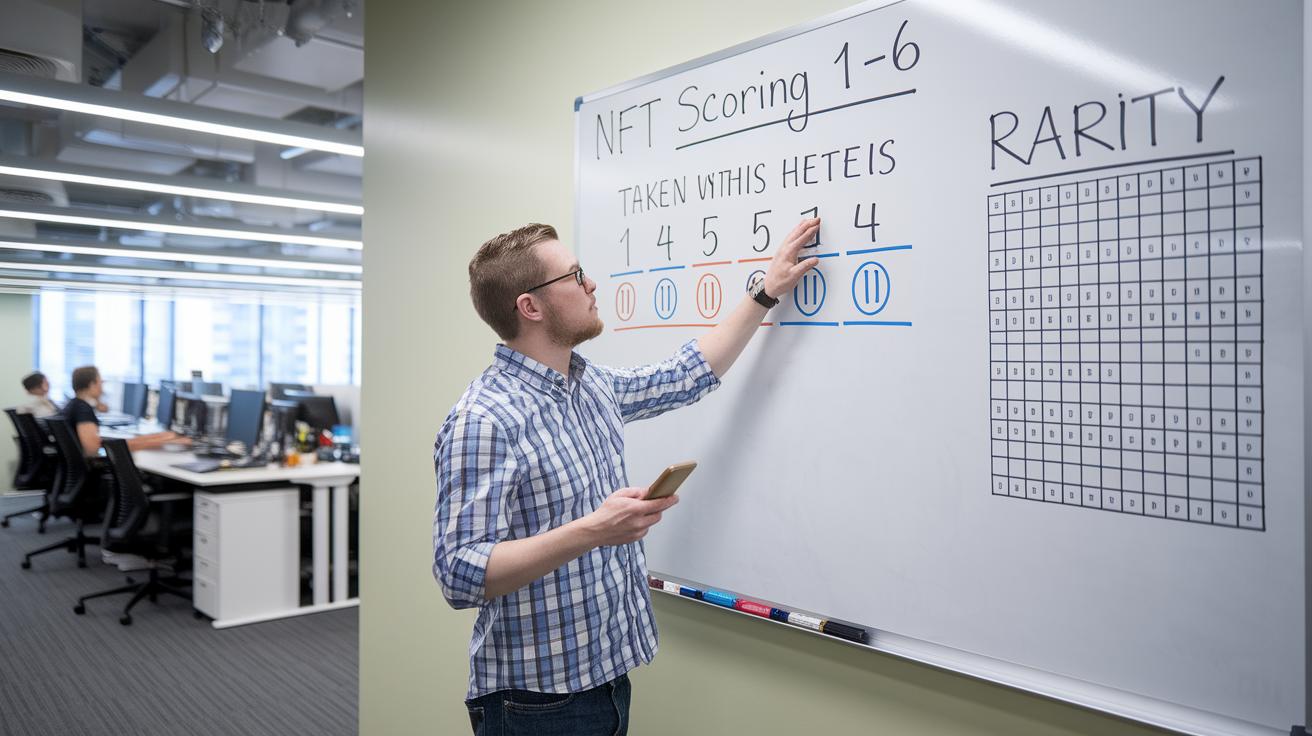
Let’s kick things off by creating a simple plan. Think of this plan as your clear roadmap that uses everyday checklists and scoring methods to judge an NFT’s value, even when the digital market is buzzing with energy. This method blends a scoring system with ranking the key features to keep assessments fair and clear.
- Gather on-chain details and attribute sets.
- Tidy up the names and value formats.
- Count how often each trait shows up across the collection.
- Hand out weighted scores to each rarity factor.
- Work out individual rarity scores and rankings.
- Cross-check your numbers with trusted reference data.
Each step builds a strong, steady process. For example, when you count how often a trait appears (Step 3), imagine you’re collecting rare stickers, each unique sticker makes your album even cooler. Even small differences in trait frequency can really change how valuable an NFT might seem.
Remember, the process is all about ongoing improvement. As you get more data and the market vibe shifts, keep testing and fine-tuning your method. It’s like tweaking your favorite recipe: revisit each step from collecting details to scoring rarity, and adjust as needed. This flexible, step-by-step approach helps keep your evaluations clear, trustworthy, and easy to follow.
Evaluating NFT Rarity with Specialized Tools

SimpleHash used the OpenRarity standard, a math-based method that checks how unique each NFT is by counting how often specific traits appear. But keep in mind, SimpleHash shut down on March 27, so if you're a developer, it's a good idea to watch for new tools as the market changes.
Rarity.tools gives you four different ranking methods and handy filters that break down NFTs by how frequently traits show up and how important they are. Sure, some folks say the interface feels a bit clunky, but its range of calculation methods helps keep the process clear and fair when valuing digital assets.
Rarity Sniper covers nearly 1,800 collections spread over 18 blockchains. Backed by a large community, with hundreds of thousands of followers on Twitter and Discord, the tool is designed to be user-friendly so that beginners and experienced traders can easily track real-time rarity rankings.
Trait Sniper is impressively fast, ranking rarity in just 30 seconds. It offers smart filters for traits, rank, and price that make evaluating NFTs a breeze. Plus, with its handy Chrome extension for OpenSea, you can quickly check rankings and floor prices whenever you need to.
Icy.tools is built for advanced traders looking for in-depth analysis. It features real-time charts, a favorites list, and lightning-fast data feeds to help you confidently assess NFT values. Its detailed market visuals keep you updated on the ever-changing digital landscape.
Metadata Authenticity and Smart Contract Verification in NFT Rarity Evaluation

When you’re checking if an NFT is truly one-of-a-kind, the first step is to make sure its on-chain information hasn’t been changed. This involves looking at dates, historical records, and update logs to see that every detail has stayed intact. Think of it as reviewing a secure ledger that tracks every transaction. Following a process similar to what's described in nft collectibles authenticity verification helps build trust by clearly showing where an NFT comes from and how it’s been updated over time.
Now let’s dive into smart contract verification. This means taking a good look at the digital contract behind the NFT. You need to check that the code meets the set standards and review its version history to catch any unexpected changes. Using audit reports and compliance protocols is like having a step-by-step check to ensure the rules are enforced correctly. By comparing the NFT’s attributes to the standards stated in the contract, you can be sure that the rarity score is based on solid, consistent data.
Integrating Market Trends in NFT Rarity Appraisal

When you're appraising an NFT, the first step is to check out key market numbers like the floor price, traded volume, and the number of unique holders. The floor price tells you the baseline cost for any token, while the volume shows how busy the market is. Knowing these numbers gives you a solid picture of the collection’s current popularity.
Rarity scores become a lot more useful when you mix them with today’s market vibes. A lot of developers now add these scores right alongside token details so you can sort and filter based on the NFT’s unique traits. It’s a bit like comparing weather patterns to predict the day, a simple way to see how current trends line up with an NFT’s special features.
Tokenomics and other outside clues also play a big role in fine-tuning your view. Details like circulating supply and network activity (which shows how lively the digital platform is) work together with rarity scores. This layered approach helps you balance solid math with the everyday pulse of the market, making your appraisal both clear and up-to-date.
Case Study: Applying NFT Rarity Evaluation Best Practices

CryptoCollective is a public NFT project that mixes digital art with collectible tokens. The aim was simple: to set up a clear method for judging how rare each token is. The team worked to build a framework that fits today's market vibes and helps people make smart choices.
They started by gathering data from on-chain metadata and key market numbers like the floor price, market cap, and rarity score (which tells you how unique an asset is). To keep things neat, the team set standard names for attributes and fixed value formats. This helped them pick out the exact details needed for a fair comparison.
Next, they followed a clear, step-by-step plan. First, they lined up the attributes, then counted how often traits appeared, and finally used a weighted scoring system to rank rarity. They even had special tools that updated the rankings in real-time. This made sure the whole process stayed solid even when market signals changed.
In the end, their analysis brought up important trends. Shifts in trait frequencies and different market reactions meant they had to tweak the scoring model a few times. This taught them that careful data checking and a flexible approach are key, especially when the market keeps changing. The whole exercise showed that keeping things standardized really pays off in getting an accurate NFT rarity evaluation.
Final Words
In the action, we explored a clear system that breaks down NFT rarity evaluation into manageable steps and key metrics. We compared leading tools, examined process transparency, and stressed metadata authenticity for smart contract checks. The discussion highlighted how best practices for nft rarity evaluation help guide informed digital investment decisions and secure a diversified portfolio. Every strategy, evaluation step, and market insight contributes to building a strong foundation for your digital assets. Keep refining your approach and enjoy the rewarding challenge ahead.
FAQ
What are the best practices for nft rarity evaluation pdf?
The best practices for nft rarity evaluation pdf emphasize systematic appraisal, transparent criteria, and clear metric scoring to reliably assess token uniqueness and value in digital collections.
What does nft rarity ranking mean?
The nft rarity ranking means a token’s uniqueness is measured by comparing its traits to others in the collection, helping collectors gauge potential value and appeal.
How does an nft rarity checker work?
The nft rarity checker works by automatically analyzing token attributes using predefined evaluation systems, making it easier to compare digital assets based on their unique features.
What are Rarity Tools in nft evaluations?
The Rarity Tools are platforms that use multiple calculation methods to rank tokens by unique traits, offering clear insights and enabling informed comparisons for digital asset evaluation.
What does Rarity Sniper offer for collectors?
Rarity Sniper offers a fast assessment of token rarity across various collections, using community data and multi-chain support to provide reliable insights into digital asset uniqueness.
What role do nft traits play in rarity evaluation?
The nft traits are the individual attributes that define a token’s uniqueness. They are key in assigning rarity scores that drive a digital asset’s market appeal and valuation.
How does a rarity nft marketplace work?
A rarity nft marketplace integrates rarity scores into digital listings, allowing users to filter and compare tokens based on calculated uniqueness, which aids in making informed buying decisions.
What is an nft traits generator?
An nft traits generator is a tool that randomly creates unique attribute sets for digital collectibles, ensuring each token has distinct features that contribute to its overall rarity score.
