
Are NFT trends really picking up, or is it just a lot of buzz? Recent market data shows that even when the trading slows down, creative reward programs can boost the whole scene. The steady growth in digital collectibles and increased interest from buyers point to some exciting opportunities ahead. This review takes a simple look at today’s trading habits and what users are doing, showing how smart choices can keep the market lively. It also gives a clear view of digital art that might soon change the way we think about and use NFTs.
NFT Market Dynamics and Analysis Overview
Market activity slowed a bit in June 2024, yet the NFT scene stayed robust through the first half of the year. This strength came from the launch of platforms like LooksRare and X2Y2, which offered cool trading rewards. Even if volumes drop for a short while, smart events and bonus programs can quickly kick the market back into gear.
The Nansen NFT-500 index, which keeps track of the top 500 Ethereum NFT collections by market cap (the total value of all assets in a collection), gives us a good snapshot of overall trends. OpenSea, handling about half of the trading volume, acts like a busy central hub where buyers and sellers meet. Its friendly design and fair fees help keep it popular, even when market moods change.
Adoption numbers show we’re all starting to see NFTs differently. U.S. awareness jumped from 20% in 2021 to 65% in 2022, and ownership grew from 2% to 4%, meaning around 9.3 million Americans got involved. While NFT prices in US dollars fell as ETH (the digital money used in many transactions) lost value, prices measured in ETH actually improved. Events like the NFT.NYC conference and major market buys played a big part in this shift, showing how outside influences and cool new events can steer NFT valuations in unique ways.
Historical Sales Performance and Major Milestones in NFT Market Analysis
Looking back, big NFT sales tell a story about how the market has grown and changed over time. They remind us of exciting moments when digital collectibles caught everyone's eye and broke new records.
- December 2021 saw "The Merge" hit a record-breaking $92 million.
- More people got to know about NFTs, with consumer awareness rising from 20% in 2021 to 65% in 2022.
- NFT ownership doubled from 2% to 4%, meaning about 9.3 million Americans started holding NFTs.
These milestones have boosted market confidence and influenced price trends. A record sale like "The Merge" raised expectations and drew in a wider audience. As more people learn about digital collectibles, they start trusting their unique, secure nature, which helps prices hold steady in rough times. And with more owners coming in, the market stays active even when prices shift. In short, each milestone shows that the NFT market has strong roots and a promising future, giving us clues to what might come next.
Platform Performance Review in NFT Market Analysis
The way platforms work is a big deal for NFT trading. When we look at each system, we can see how well they work and how they bring buyers and sellers together. Changes in how people use these sites, plus new rewards, help us gauge the overall strength of the market.
OpenSea Dominance
OpenSea remains the main player, handling about half of all NFT trades by volume. Its easy-to-use design, low fees, and steady performance make it a favorite among traders. Buyers find navigation a breeze, and sellers enjoy a large pool of interested customers. In short, OpenSea stays on top by offering a reliable spot for most digital asset deals.
Emergence of Aggregators
Since 2022, NFT aggregators have been steadily rising. They give users access to multiple platforms from one simple screen. Think of it like booking travel in one go, you can compare different options without switching sites. This setup makes trading quicker and more efficient by pulling data from many exchanges into one clear view. This smooth process not only sharpens the overall market but also opens new ways for exploring digital assets.
Statistical Trend Analysis and Volatility in NFT Market Analysis
The NFT scene has had its share of ups and downs, with prices and emotions swinging like a rollercoaster. Last June, trading volume took a steep drop, even though the overall numbers from the first half of the year continued to show a steady base underneath the wild shifts.
- In June, trading volume plummeted, but the first half of the year remained solid.
- A fall in ETH (Ethereum's cryptocurrency, a digital token used on the Ethereum network) prices led to lower USD prices for NFTs, while values quoted in ETH actually bounced up.
- About one in three folks feel that NFTs might be a waste of money, which shows there’s some hesitation in the market.
- Expensive Ethereum gas fees have put pressure on daily trading and shaken overall market stability.
These pointers help us see how wild market fluctuations can influence trading choices. Traders need to watch those numbers and trends closely, using tools like the insights in technical market analysis (a method of assessing market trends using charts and data). Knowing these signs can guide investors on when to be cautious and when to jump on opportunities amid sudden shifts. In short, while quick price drops can happen, long-term strength might also be lurking beneath the surface. Many market players mix chart reviews with reading the room, so to speak, especially when factors like gas fees and broader crypto sentiment come into play. Balancing fast moves with a steady, patient approach is key in navigating these choppy digital waters.
Predictive Price Forecasting and Data-driven Market Predictions in NFT Market Analysis

Forecasting is key in shaping NFT market plans by linking past trends to what might happen next. Experts think that big market shifts are on the horizon in 2024 because new trends and fresh platform features are coming into play. In short, blending historical data with forward-thinking analysis gives investors clear hints about the changes ahead and boosts their confidence when making decisions.
Predictive models mix a variety of information, such as the Nansen NFT-500 index, which shows how trading rewards line up with market activity. They use straightforward technical tools, like chart patterns, along with data on user actions, trading volumes, and even insights from the digital world of the metaverse (a space where things like digital cars, houses, and art exist). This extra mix of factors helps sharpen these forecasts.
Looking ahead to the later part of 2024, the path for NFT prices looks more lively and changeable. Analysts suggest that as physical assets like real estate and traditional art find new life in virtual spaces, NFT values could get a good boost. Simply put, data-driven trends and fresh industry innovations are set to steer the market toward faster growth and renewed excitement among investors.
Investment Risk Assessment and Portfolio Diversification in NFT Market Analysis
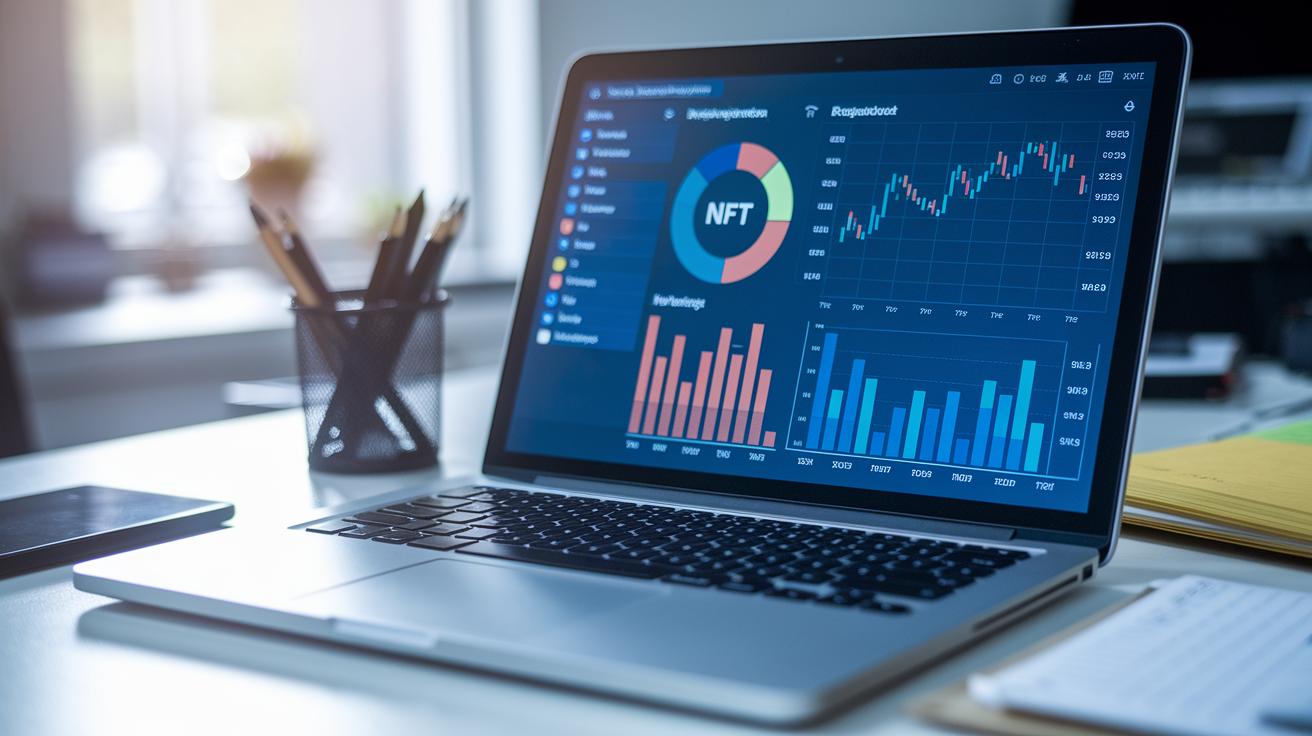
NFT investments come with some unique risks that need a careful look. Right now, about one-third of investors are feeling a bit doubtful, worrying that these tokens might end up being a waste of money. The high costs, mainly from expensive Ethereum gas fees (fees paid for processing transactions on Ethereum) and heavy computer work, only add to these concerns. Even though the Nansen NFT-500 index shows gains in ETH (Ethereum’s currency) during the first half of 2024, when you measure those gains in US dollars, they seem to fall behind, hinting at a market that's quite bumpy and full of surprises.
To manage these risks, it's a good idea to spread your investments across different NFT types, much like you’d mix fruits in a basket for a balanced diet. Pairing well-known collections with up-and-coming projects can really help smooth out some of the uncertainty. For example, choosing tokens that have strong community support and lower creation costs can help balance out the riskier ones. Tools for investment analysis, like those available on nftcellar.net, let you take a closer look at the market by checking trends from the Nansen NFT-500 index along with overall market vibes. This mix of safe bets and promising opportunities not only spreads the risk but also positions you to catch unexpected market upsides while working toward good returns on your digital investments.
Regulatory Impact Analysis and Market Sentiment Tracking in NFT Market Analysis
Policy changes and broader economic shifts quietly influence NFT trends. Rising transaction costs, like Ethereum gas fees (the fee you pay to complete a transaction on Ethereum), can keep smaller investors on the sidelines. When ETH prices move, it often reflects larger economic trends that, in turn, change NFT values in US dollars. Only about 4% of U.S. adults have tried trading NFTs, suggesting that extra fees and rules may be quietly gatekeeping the market. Imagine a trader who sees a 3% fee nearly wipe out a 5% profit.
Investor feelings also steer the market’s direction. Around one in three people believe NFTs might be a waste, a view that can cool market excitement. When high fees and economic uncertainty join the mix, they give analysts new clues about trading habits and risk levels. Watching how these factors interact helps shape smarter risk checks and guides strategies in a market that is very sensitive to both policy changes and investor mood.
Emerging Trends and Future Market Outlook for NFT Market Analysis

The NFT market is gaining steam as fresh tech ideas open up new chances for growth. Think about how connecting NFTs with the metaverse or turning everyday items like cars, homes, and art into digital tokens transforms them into tools you can use. Imagine a virtual room where every piece of art stands for an iconic painting or a rare collectible you’d find in the real world. In short, NFTs are evolving from mere digital pictures into active parts of everyday life. New trading platforms now offer a full market view, helping you decide when and where to trade with ease.
More people are diving into NFTs now. What started as a niche interest is spreading to regular folks who are buying, selling, and even creating digital assets. For instance, many art fans and collectors see NFTs as a cool, next-level way to display unique art and explore immersive digital galleries. This trend shows that the market is attracting diverse users, all excited by the real benefits of owning digital tokens.
Experts are keeping a close eye on how immersive experiences and fresh royalty rules might change the way digital art gets its value. With all the new tech ideas at play, it looks like digital art isn’t just a short-lived trend. Future NFT platforms are set to bring more stability and long-term value by mixing creative content with clear profit strategies, easing concerns and expanding digital trading around the globe.
Final Words
In the action, we explored key market drivers, platform performance, and volatility trends that shape today’s digital asset strategies. We noted how historical milestones and forecast models help guide investment moves and risk management.
Bringing everything together, these insights drive smarter approaches to building a strong portfolio. The analysis highlights opportunities and signals in nft market analysis, set against evolving consumer adoption and market shifts. The outlook is promising and invites a forward-thinking approach to digital investing.
FAQ
What does NFT market analysis in 2022 reveal, and which analysis is considered the best?
The NFT market analysis in 2022 reveals a resilient ecosystem driven by top platforms and growing user adoption. It highlights key trends like increased trading volume and broad market engagement for digital assets.
What insights exist on the NFT market size and value for 2025?
The forecast for 2025 indicates a moderate expansion in NFT market size and value. Experts expect increased adoption and innovative platforms to drive growth in key digital asset statistics.
What are the projections for the NFT market size in 2030?
Projections for 2030 foresee a broader NFT market influenced by technological advances and digital asset integration. Market expansion is anticipated as more sectors embrace tokenization and digital ownership.
What do current NFT market stats such as market cap tell us?
Current NFT market stats, including market cap figures, reveal shifting dynamics in trading volume and platform performance. These metrics offer insight into overall market health and evolving digital asset confidence.
How is the NFT market performing now, and have recent declines made it worthless?
Current analysis shows the NFT market remains resilient despite occasional price drops and short-term declines. Overall performance continues to support active trading and sustained user interest across major platforms.
How are NFT users distributed by country?
Data on NFT users by country indicates significant growth in regions like the U.S., where adoption has soared. This trend reflects increasing global interest and a diversification of the digital asset community.
