Ever thought about digital trading could shine as bright as your favorite collectible? Top NFT platforms are showing that buying, selling, and creating digital assets (digital items like art or collectibles) can be secure and simple. It’s a bit like opening a sealed letter where you know each part is checked out. You can even create tokens without any fees and use easy-to-understand tools to track every trade. In short, these platforms are reshaping how we see online ownership. This post looks at how smart design and safe blockchain tools (blockchain – a secure, digital ledger) make digital trading a smart choice for everyone.
In-Depth NFT Platform Overview
Leading NFT platforms have become go-to hubs where digital collectibles are traded by linking buyers with sellers over blockchain (a secure, digital ledger that records transactions). They use smart contracts, self-running agreements coded to verify each asset’s uniqueness, so every digital collectible has a clear, recorded history. It’s a bit like receiving a sealed letter that gives you extra confidence about its contents.
Take OpenSea, for example. This well-known marketplace even offers gas-free minting (creating new digital tokens without extra fees) and works across several blockchains. Its friendly design makes it a natural meeting point for beginners and seasoned collectors alike. Ever think about how, before moving online, collectors relied on physical art galleries to prove authenticity?
Then there’s Blur, which removes platform fees and handles trades quickly for those who really know the market’s rhythm. Magic Eden, which started with gaming NFTs and Bitcoin Ordinals (a type of digital token on the Bitcoin network), has grown into a full multichain platform that attracts even more users. And you can’t overlook CryptoPunks, a name that sets high standards with its iconic and valuable digital collectibles.
New platforms like Tensor and OKX NFT mix smart tools with data insights and exchange features to help users follow market trends. They don’t just make trading simple using blockchain; they also give creators a secure spot to show off their work with verified authenticity. All of these advances together create a picture of a marketplace that is steadily turning into a transparent, secure, and trusted hub for digital asset enthusiasts.
nft platform Shines in Digital Trading
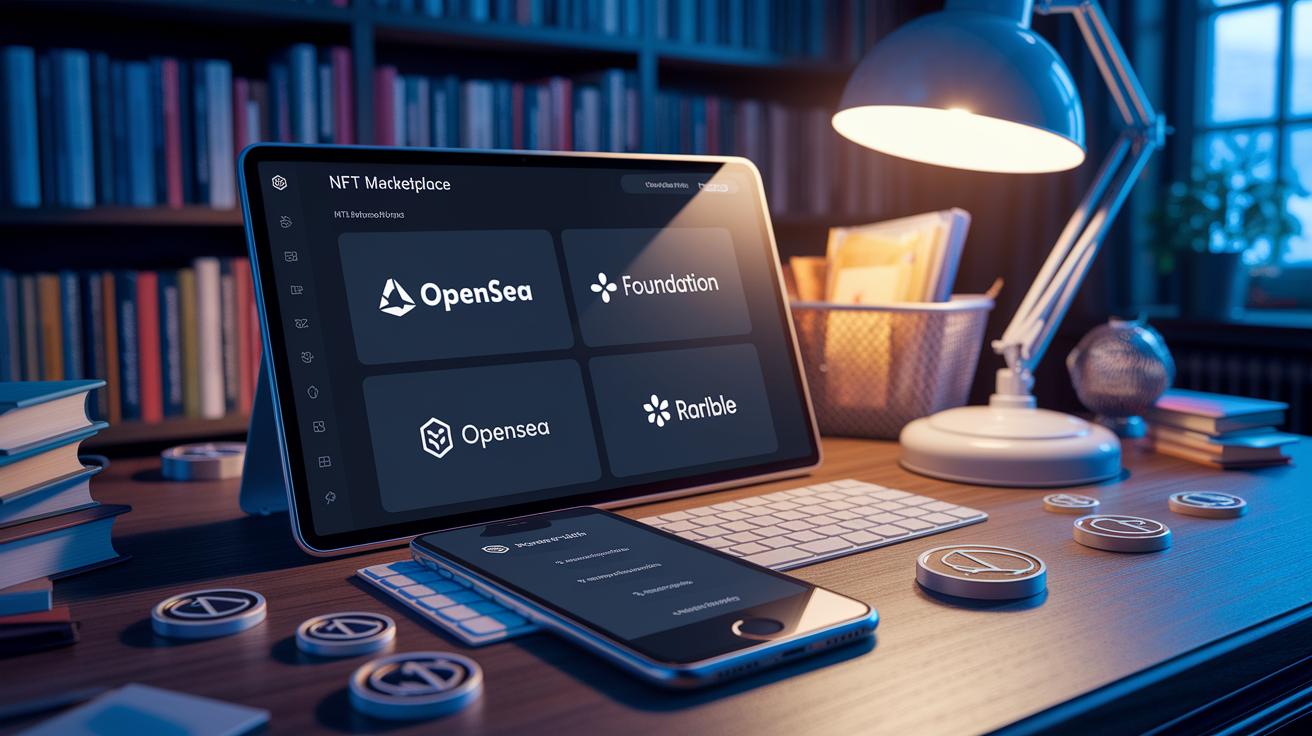
The top NFT platforms are making a splash with a mix of token creation options, easy-to-use digital asset tools for safe management, and solid development services that keep everything running smoothly. They open the door to a new world of digital trading by combining smart design with creative flexibility.
OpenSea is a clear favorite. Its gas-free minting means you don’t pay extra fees when you create a token, and its beginner-friendly design makes it easy to jump right in. The digital tools are simple yet powerful so you can craft and trade digital items with ease.
Foundation takes a more exclusive route. With an invite-only system, it makes sure only the best high-end art is featured. This careful approach means every digital collectible is top quality. Their refined tools help keep the art’s unique spirit intact.
Rarible offers a community-driven vibe. It mixes multi-chain minting (using several blockchain systems to handle transactions) with a token-based structure that gives users a voice in the platform’s future. This friendly, flexible service empowers the community at every step.
Nifty Gateway brings a unique twist by letting creators use credit cards. This not only simplifies the token creation process but also makes it more accessible, thanks to user-friendly digital tools. SuperRare and KnownOrigin also focus on quality art. They deliver carefully curated collections with intuitive designs that make creating and trading smooth and enjoyable. Plus, many platforms are using advanced blockchain tricks like Ethereum Layer-2 networks, Arbitrum, and Optimism to reduce fees and speed things up.
| Marketplace | Token Creation Service | Digital Asset Creation Tools | Development Services for Platforms | User Interface Design Practices | Scalability Optimization Options |
|---|---|---|---|---|---|
| OpenSea | Gas-free minting | Robust, user-friendly | Extensive API support | Beginner-friendly | Multi-chain, Layer-2 |
| Foundation | Invite-only creation | Curated toolset | Exclusive integration | Refined and elegant | Optimized via Layer-2 |
| Rarible | Community-driven minting | Flexible asset tools | Decentralized governance | Interactive and modern | Cross-chain support |
Imagine this: before an NFT platform even mints its first token, its design philosophy sets the stage for a revolutionary shift in digital trading. This refreshing blend of creative services, smart design, and scalable solutions is what makes today’s NFT market so vibrant and exciting.
Security and Smart Contract Integrity on NFT Platforms

NFT platforms depend on secure, self-executing agreements called smart contracts to create digital assets, manage royalties, and keep a clear record of every transaction. Think of these smart contracts as digital rulebooks that automatically handle sales without needing much human input. That way, every step, from minting tokens to confirming ownership, is managed with care. For example, when a sale is recorded, the contract uses on-chain proof (a secure method to verify ownership) to show that the asset truly belongs to its buyer.
To boost security, platforms use smart contract audits. These involve careful code reviews and test-net simulations, much like taking your car in for a safety check before a long drive. For more detailed steps, check out the Smart contract audit best practices link provided.
Additionally, platforms verify ownership with processes that include metadata checks and decentralized verification methods. For instance, platforms like Zora and OKX NFT combine secure wallet integrations with open verification systems, making it easy for users to confirm an asset’s legitimacy. Think of it as a digital vault that makes sure every key fits perfectly before granting access. This blend of smart contract operations and strong security measures keeps NFT platforms both transparent and secure.
NFT Platform Fee Models and Gas Optimization
When you explore NFT platforms, fee models are a big deal for both creators and traders. Take OpenSea, for example , they take 2.5% from every sale, which many see as a fair rate. Meanwhile, LooksRare charges just 2% and even throws in token rewards every 6,500 blocks to encourage active trading. And then there's Blur, which launched with no fees at all, appealing to those who love fast, secondary market moves.
Some platforms, like Portion, don’t charge artists at all, so creators can keep more of their earnings. Rarible sticks with a 2.5% fee but mixes in a governance token system, letting part of the fees support community projects. It’s like everyone chips in to make the space better.
On top of that, many platforms are working hard to cut down on gas fees , those extra costs when you move digital assets. They use smart tricks like batch minting and tools that let you mint without paying gas fees every time. Plus, layer-2 networks (which are simpler systems designed to be faster and cheaper) help speed things up and save money.
In short, these friendly fee models and clever cost-saving strategies make for a smoother, more trustworthy trading experience in the digital space.
Integration, Interoperability, and Customization on NFT Platforms

NFT platforms are getting smarter every day by finding new ways to connect with various blockchains. For example, Magic Eden began on Solana and quickly evolved into a multichain marketplace that now supports gaming collectibles and Bitcoin Ordinals. This change means users can trade digital items across multiple networks, making it simpler for everyone.
Element uses Ethereum Layer-2 solutions like Arbitrum and Optimism (which help speed up transactions and lower costs) to offer a faster, more affordable experience. At the same time, OKX NFT taps into a strong global exchange setup to attract a wider audience with smooth cross-chain trading. And then there's Zora, which even lets users propose auctions for both digital and physical assets, adding a fun mix to trading options.
Developers also get a boost from solid API integrations, giving them the tools to create tailored decentralized applications. Plus, easy-to-follow demo walkthroughs help newcomers understand the platform’s features in no time, like having a helpful guide when exploring a busy market.
In short, these smart integrations not only bring more flexibility to NFT platforms but also empower creators and traders. With multi-chain support, secure connections, and simple tutorials, the exciting world of digital trading becomes accessible and fun for everyone.
User Onboarding, Collector Guides, and Platform Resources

Collectors jump right into using the platform with onboarding methods that suit different needs. Some sites like Nifty Gateway let you use a credit card to buy digital art, which is perfect if you're new and not ready for crypto wallets. On the other hand, MakersPlace sends you an invite via Discord, creating a more exclusive, community feel from the start.
Mintable makes it easy for beginners with gasless minting, meaning you can create digital items without extra fees. Foundation, on the other hand, works by invite only, so you know you’re joining a trusted and high-quality community. These approaches help you feel at home the moment you sign up.
There are clear, step-by-step guides that show you how to set up your digital wallet, mint tokens, trade digital treasures, and manage your growing collection. For example, the "How to Buy NFT" guide takes you through the buying process easily, while the "NFT Examples" guide shows you real assets in action.
Collectors also enjoy interactive tutorials, guided walkthroughs, and handy tips on building community. You can get real-time help through live chat and active Discord channels where both beginners and seasoned traders share advice.
- Step-by-step guides for setting up your wallet
- Interactive walkthroughs for minting and trading
- Live support via community channels
These resources build a welcoming space that boosts your confidence and turns digital trading into a friendly and engaging adventure.
Final Words
In the action, from breaking down platform overviews and core features to smart contract security and fee models, you’ve seen how each part builds a clearer view of digital asset markets. We touched on seamless integration and smooth user onboarding, giving you practical insights to manage risk and grow your portfolio. Apply these clear insights to make smart moves on an nft platform. Keep your eye on emerging trends and stay confident as you take the next steps in building a diverse, dynamic portfolio.
FAQ
What is an NFT platform and how does it work?
An NFT platform works as a marketplace where users create, buy, and sell digital assets using blockchain to secure ownership and ensure transaction transparency.
Are NFTs worth anything anymore?
NFTs hold worth through digital scarcity and verified ownership. Their value can shift based on market trends, artist reputation, and the platform’s security and ease of use.
Which NFT platform is best?
The best NFT platform depends on your needs. Some offer low fees, user-friendly interfaces, or unique digital art selections. It’s smart to compare options like OpenSea, Rarible, and Magic Eden.
How do I buy or create an NFT?
Buying an NFT starts with setting up a digital wallet and choosing a trusted platform. Creating one involves minting digital art with smart contracts that confirm uniqueness and ownership on the blockchain.
What features define popular NFT marketplaces like OpenSea, Blur, and Magic Eden?
Popular NFT marketplaces provide secure smart contracts, clear fee structures, and intuitive user interfaces while supporting fast transactions, multiple blockchains, and a variety of digital collectibles.
