
Ever wonder if an NFT’s opening price means more than just a number? The floor price is like your entry ticket into digital collectibles. It shows you what it takes to join a collection and hints at how confident investors feel right now. Each time someone buys an NFT, this price changes, a bit like the pulse of a busy market. In short, knowing the NFT floor price helps you see market momentum and can guide both beginners and seasoned collectors along the way.
nft floor price shines with market vigor

The NFT floor price is the lowest price you’d pay for an NFT in a collection. It’s like the ticket price for entering the world of digital collectibles. This price offers a quick view into the collection’s base value, helping both collectors and investors see what’s required to get started. (NFT stands for non-fungible token, a unique digital asset stored on a blockchain, a secure, digital ledger.)
It tells you what it takes to step into the market and mirrors current sentiments. Prices from Dutch auctions aren’t counted here; only fixed-price listings play a part. New sales update the value, so it always reflects what’s happening right now in the digital marketplace.
| Collection Name | Floor Price (ETH) | Floor Price (USD) | 24h Change |
|---|---|---|---|
| Bored Ape Yacht Club | 45 | $81,000 | +2% |
| CryptoPunks | 100 | $180,000 | -1% |
| Art Blocks | 3 | $5,400 | +3% |
| Doodles | 12 | $21,600 | +0.5% |
| Mutant Ape Yacht Club | 15 | $27,000 | +1.5% |
| Meebits | 7 | $12,600 | -0.5% |
| Cool Cats | 8 | $14,400 | +2.2% |
NFT floor prices are usually shown in cryptocurrencies or stablecoins, which are digital dollars. This makes it easier to compare prices even when the market shifts. It’s a simple way for investors to check the cost of joining a collection while keeping pace with live market changes. With every new sale, the price refreshes, capturing the steady pulse of digital transactions. This dynamic snapshot helps you spot trends, gauge risks, and plan smart moves in the exciting world of digital collectibles.
NFT Floor Price Calculation Methodology

Current holders set the prices of their digital collectibles on their own. This simple act shows their personal views and plans. For example, a holder might list an item at a lower price to invite early buyers, almost like saying, "Come check this out!"
Websites like OpenSea pick the lowest fixed-price listing to set the NFT floor price and skip over Dutch auctions (a sale method where prices drop over time until someone buys). This straightforward method means just one active listing defines how much the item is worth. So if one owner sets a lower price and everyone else lists higher, that lower price becomes the main point of reference for buyers.
Since only current holders can change prices, the floor price can sometimes be more about a clever strategy than true market demand. When a holder posts a lower price, it might be a smart way to change how people see its value. Investors should look at this along with overall market trends and past sales for a complete picture of a collection’s worth.
Historical Trends in NFT Floor Prices

Looking at past floor prices is key to understanding how digital collectibles have changed over time. Historical data paints a picture of how a collection's starting price shifted with the ups and downs of market moods. It shows us how popularity has moved and hints at what might happen down the road. Think of it like checking the steady pulse of digital transactions to see how buyer interest ebbed and flowed.
At times, the market has surged, pushing floor prices way above their normal levels. When a rare NFT sold for a high price, even a modest starting price shot up as collectors took notice. This spike can reset the baseline, shaping how others see the collection's value. It’s like seeing a modest offer suddenly grow when a well-known artist makes an appearance, it really shows how market excitement can shift trends.
There’s also a difference between the listed floor price and what buyers end up paying. The floor price acts as an opening bid that sets the stage but might not capture the final agreed amount. Often, a determined buyer can drive the final sale price much higher, showing that the beginning value is only part of the story.
Many platforms feature interactive charts to track these changes over time. However, these charts need JavaScript to work properly, so if it’s not enabled, you could miss out on seeing the full evolution of floor prices. Make sure JavaScript is on to fully explore the visual details of market activity.
Key Factors Driving NFT Floor Price Changes

NFT floor prices come from a mix of key elements that help set the base value for a digital asset. Experts say that special token traits and a small supply can push the starting price higher. When buyers trust a well-known project or artist, it adds a layer of stability to this baseline. And when enthusiastic communities chat and share online, you might see quick shifts in prices.
Rarity and Scarcity
The value of an NFT can often hinge on its rarity and limited supply. Think of it like collecting special coins, unique details make a token more appealing. When a digital asset boasts exclusive features, collectors recognize its scarcity, which can lead to a steadier and occasionally higher starting price.
Demand and Market Interest
Strong buyer interest is a big driver too. When a collection stirs up buzz in online groups and attracts plenty of offers, sellers tend to adjust their listings to meet the demand. As more people show interest, this base price can climb, marking both current excitement and hinting at future potential.
Hype and External Promotions
Sometimes, outside attention really shakes things up. A nod from an influencer, a celebrity shout-out, or a targeted promotional event can give a quick boost to the market mood. These kinds of public signals can temporarily lift the floor price as collectors feel a surge in excitement.
In short, these factors all work together to shape the everyday market picture for NFTs. Limited supply, strong buyer interest, and bursts of promotion combine to set the floor price in an ever-evolving digital landscape.
NFT Investing Strategies Using Floor Price Analysis
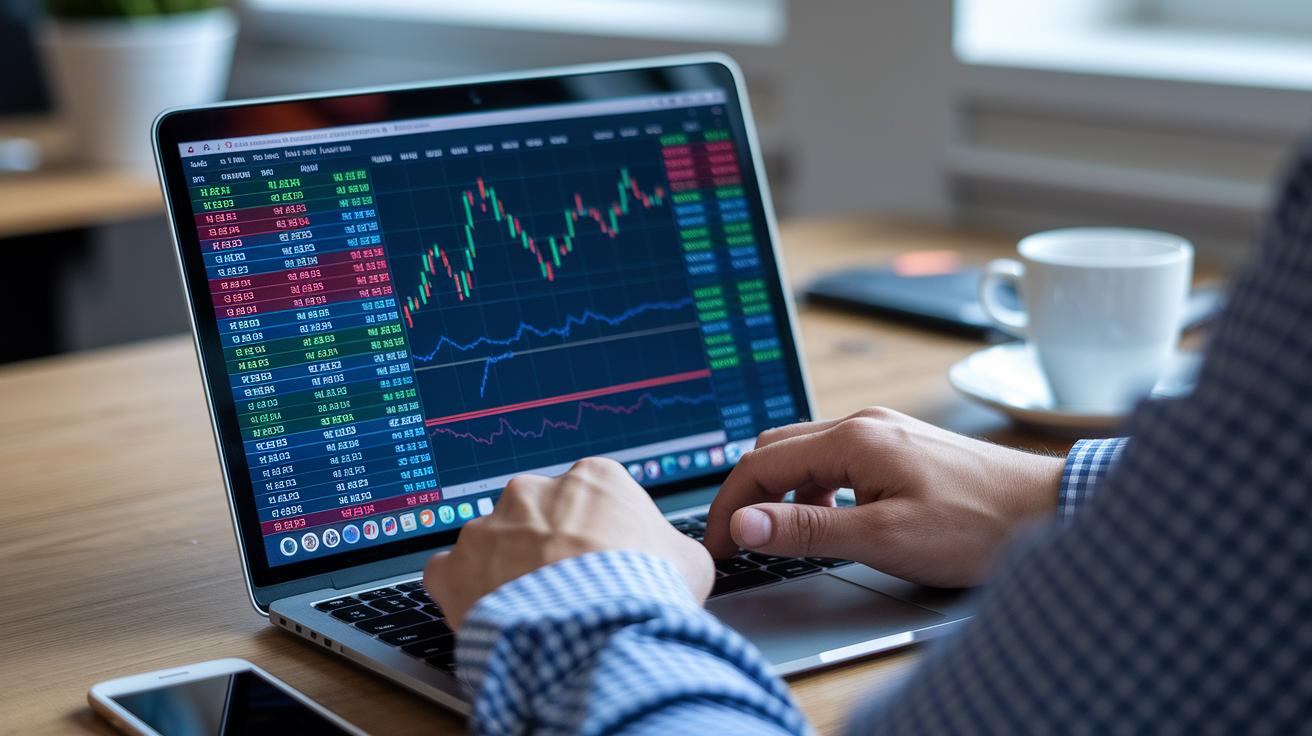
Watching the NFT floor price is a clever way to decide when to jump into digital assets. It gives you a quick look at what collectors see as the basic value. By checking out these trends along with past performance, you can figure out the best times to invest, manage your risks, and build a plan that suits your financial goals. In short, these tips help you know when to step in and when to hold back, turning raw market data into smart moves.
- Set clear entry points based on what the floor price has been doing lately.
- Compare rarity details side by side with floor levels.
- Keep an eye on the 24-hour ups and downs to spot growing momentum.
- Time your buys during brief dips that fall below the usual range.
- Use floor price signals to spread out your investments across different collections.
These ideas can help you craft a disciplined strategy that uses clear market cues and stays adaptable. Each tactic feeds into a plan that balances risk with the chance of good rewards. By regularly checking your entry points and relying on floor pricing insights, you set up a solid framework for steady growth.
NFT Floor Price Tracking Tools and Dashboards
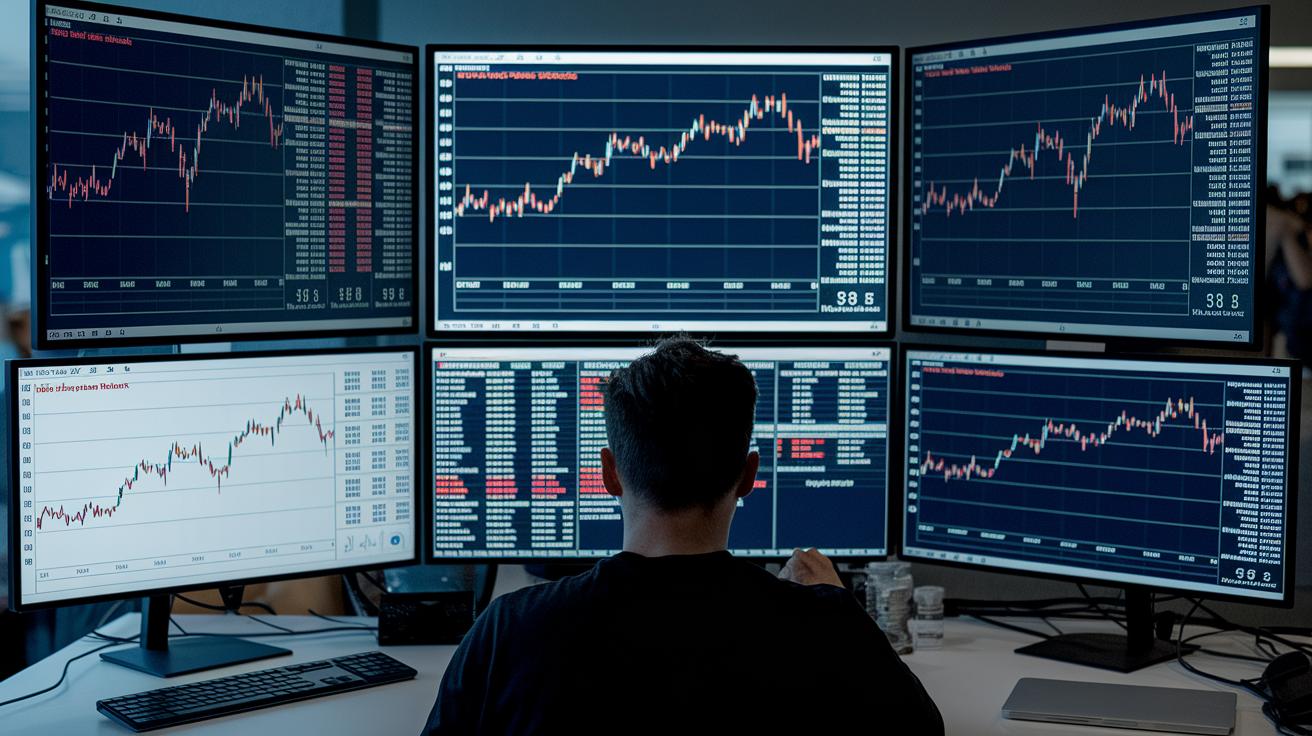
These online dashboards and chart tools let you see NFT floor prices in real time, giving you an instant snapshot of the market. They pull data from several digital collections so you can easily compare prices side by side, making it simple for both collectors and investors to spot trends as soon as every new transaction happens.
APIs and blockchain trackers (which are tools that follow digital transactions to give you live updates) feed information straight into custom alerts and personal dashboards. This setup means even small market moves show up quickly. By merging data from different sources, you get a complete view of the floor value, ensuring you always have the latest insights on digital asset pricing.
Getting your settings right is key for the best experience with these tools. Many platforms need JavaScript to display all interactive features and detailed charts. And once you set up an API key, you can unlock more tailored insights and deeper data. Taking a few moments to adjust these settings helps you stay accurate and up to date on NFT floor prices.
Final Words
In the action, the article broke down how the nft floor price acts as a market baseline, showing real-time trends and underlying calculations. Each section painted a clear picture of valuation, historical trends, and key factors that shape digital asset decisions.
The insights help build smarter, diversified portfolios by incorporating solid analysis from floor price tracking tools and strategic investment techniques. It leaves you with a positive outlook on making informed digital finance moves.
FAQ
What is an NFT floor price?
The NFT floor price is the lowest listed price for an NFT within a collection. It serves as a market baseline indicator that reflects the minimum cost for entry into that digital collectible project.
What do NFT floor price charts and price history graphs illustrate?
NFT floor price charts and price history graphs display the lowest current prices and historical market trends. They help users visualize shifts over time and better understand overall collection value changes.
What do NFT floor price trends from 2021 and 2022 reveal?
Floor price trends from 2021 and 2022 reveal shifts in market sentiment and entry costs. They highlight periods of growth and contraction, offering insight into how collectors value digital assets over time.
How do NFT floor price predictions guide market analysis?
Predictions on NFT floor prices use historical data and current market pulses to suggest potential future trends. They provide investors with a framework to gauge optimal times for entering or exiting positions.
What does the NFT price floor API do?
The NFT price floor API provides developers and investors with live data feeds on floor prices. It delivers real-time updates, allowing users to monitor market changes and integrate dynamic pricing information into their tools.
How can I sell an NFT at its floor price?
Selling an NFT at its floor price means listing it at the current lowest price in its collection. This approach aims to attract buyers quickly by offering the most competitive, readily available listing.
How are platforms like Binance, Coinbase, Coinmarketcap, Gecko Labs, Cointelegraph, and Block Solutions Sdn Bhd used in the NFT market?
These platforms offer valuable market data, real-time pricing insights, and news updates. Their analyses help users track overall trends and make informed decisions regarding digital asset valuations.
How much are NFTs worth now?
NFT values vary widely between collections and depend on current market trends. The floor price provides a baseline measure, while overall worth is influenced by rarity, demand, and recent market activity.
What insights are shared on NFT floor price discussions on Reddit?
Reddit discussions on NFT floor price often highlight personal experiences, real-time market observations, and community-driven analyses. They offer diverse perspectives that can complement data from formal tracking tools.
What determines the current Bored Ape NFT price?
The current Bored Ape NFT price is influenced by market demand, rarity, and collector sentiment. It fluctuates based on real-time sales, community interest, and periodic promotional activities within the digital art space.
