
Ever wonder why a public logbook might work better than a secret one? Imagine a huge open diary where every entry is visible to all. This means that no one can hide mistakes or shady moves because everyone can see every transaction.
Open ledgers work by spreading recordkeeping among many computers. That way, it's nearly impossible for one person to tamper with the data. In this post we explain these ideas in simple terms, showing you how decentralized records help build trust and keep your data secure.
Understanding Open Ledgers: Definition and Core Principles

Open ledgers are public records where every single transaction is out in the open for anyone to check. They work just like a community logbook maintained by many, instead of one central authority calling all the shots. Every transaction gets recorded and double-checked by several participants, much like a shared diary where every entry is visible to all. This shared process ensures that records stay trustworthy and easy to review.
The strength of open ledgers comes from their immutability. In simple terms, once data is recorded it never changes. This is made possible by using cryptographic methods (secure digital techniques that protect data) and consensus algorithms (agreed-upon rules used to verify updates). Think about it: even the clockwork precision of nature can be mirrored in technology, with every tiny tick of data locked in forever. This design not only stops alterations but also makes fraud nearly impossible.
- They spread power across multiple nodes, so no one central authority is in charge.
- They offer full transparency by letting anyone view transaction details.
- They lock in data with cryptographic hash chaining, meaning information stays unchanged.
- They use consensus mechanisms to build trust without needing a middleman.
By allowing anyone to audit the ledger, these systems create a level of accountability that's hard to beat. In real-world use, they handle millions of transactions, offering solid proof of every financial move made.
Open Ledger Architecture and Consensus Frameworks
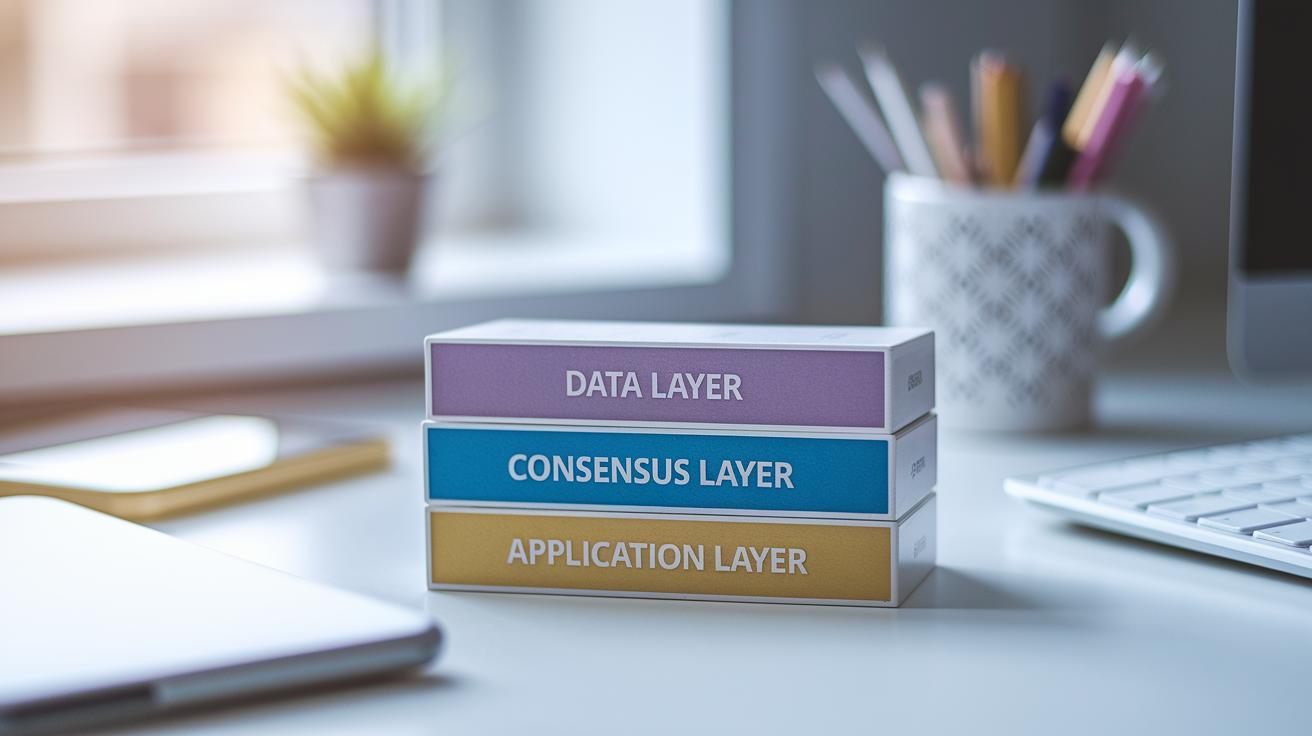
Open ledgers rely on a stack of layers that work together to make recordkeeping clear and secure. At the very bottom is the data layer, where every transaction is logged permanently so it can’t be changed. Next comes the consensus layer, which follows agreed rules to check and confirm every new entry. Finally, the application layer connects people to the ledger, making it easy to follow transactions and manage data. Think of this setup as a solid three-layer structure powered by the base blockchain framework that makes everything run smoothly and builds trust among everyone involved. In short, it transforms how records are kept.
Consensus mechanisms are like the heartbeat of these systems, ensuring every entry is verified. For instance, Proof of Work asks participants to solve tricky puzzles to earn the chance to add fresh records, while Proof of Stake lets people use tokens, digital coins that show commitment, to secure their right to write. Some systems even mix these methods to balance quick processing with strong security. It’s like having a group of friends checking each other’s homework; every entry gets a thorough review, keeping the ledger protected from fraud and running reliably.
Distributed trust networks put the final piece in place by automatically keeping a detailed log of every transaction. Each node in the network uses cryptographic methods, fancy digital seals that prevent tampering, to verify the data, ensuring that every record is permanent and open for public review. Imagine a team of vigilant record keepers who continuously check every detail. Even during a flurry of transactions, the system logs every bit of information. This robust audit trail is key to building trust in the ledger’s accuracy and reliability, which is crucial for today’s financial operations.
Advantages of Open Ledger Platforms for Transparency and Security

Open ledger systems let you peek into every digital transaction in a clear and secure way. They work like a public record where every entry is visible, so businesses can directly check all the details without needing to ask around. And because transactions happen directly between peers, you skip the middlemen and cut down on extra fees.
| Advantage | Description |
|---|---|
| Transparency | Everyone can see all transactions |
| Security | Records are fixed and protected with strong digital locks |
| Cost Efficiency | No extra costs from intermediaries |
| Auditability | A continuous, up-to-date trail of activities |
Stronger security comes from records that can’t be changed once they’re made, which helps stop tampering and makes it easier to spot fraud. For instance, imagine a bank that uses this system: every single cash movement is fully verifiable, which helps build a rock-solid, secure transaction record.
Comparing Open Ledgers and Traditional Accounting Systems

Traditional accounting systems use separate tools that often operate in isolation. This means checking monthly cash flows or annual spending can be slow and error-prone because everything hinges on manual updates and human input. Often, outdated technology forces professionals to spend extra time verifying figures instead of getting reliable data fast.
Open ledger systems take a fresh, connected approach. They integrate smoothly with modern business processes. Think of them like a helpful digital assistant powered by AI that talks to all your departments at once. This setup slashes manual errors and data delays, keeping your financial records in sync and accessible when you need them.
The cost and audit sides are quite different too. Traditional methods tend to be pricier due to the use of middlemen and fragmented recordkeeping practices that require extra work and tighter risk checks. In contrast, open ledgers leverage a secure digital network that cuts out unnecessary fees with direct peer-to-peer transactions. They also provide a clear, public audit trail, which makes financial reviews straightforward and hassle-free.
Open Ledger Use Cases in Blockchain and Decentralized Finance

Cryptocurrency payments rely on open ledgers as the backbone of everyday transactions. An open ledger is a public record that logs every coin move, which means that every Bitcoin transfer or token trade is checked without the need for a bank or central authority. Think of it as a giant notebook shared by everyone. Even when millions of transactions flash through the network each day, many users help verify each one so that the process remains safe and quick.
Decentralized finance, or DeFi (using technology to offer financial services without traditional banks), is changing how borrowing and lending work. It uses open ledgers to power tools for lending, yield farming (earning extra tokens), and keeping detailed records of digital assets. Every trade and loan gets recorded in a public registry so you can easily verify that funds move as they should. Imagine a platform where every token used as collateral is logged, giving investors a clear picture of risks and rewards right away. This level of transparency builds trust and helps cut down on fraud or errors.
Open ledgers also make token giveaways and the trading of unique digital collectibles easier. Many token airdrops use open ledgers to check who qualifies for free tokens, while NFT marketplaces (platforms for unique digital items) track who owns what by recording each transaction. This continuous audit record means it's simple to see who held a token and when it changed hands. In short, by keeping an ongoing, clear audit trail, open ledgers provide solid verification for digital assets, a simple yet powerful system that is drawing interest from both traditional finance and new digital markets.
Challenges and Future Trends in Open Ledger Frameworks

Scalability in Open Ledger Networks
When too many transactions hit the network, open ledgers can slow down a lot. Imagine a busy road where every car (or transaction) must stop for inspection; that’s how block validation feels when it’s overloaded. Limited network bandwidth can mean that nodes struggle to keep up, and delays in syncing lead to parts of the system having slightly different data for a short time. In short, as transactions pile up, the entire system has to work extra hard to keep everything flowing smoothly.
Innovations and Future Roadmap
Developers are trying out new ideas to solve these slowdowns. For example, one idea called layer-2 scaling helps by shifting some tasks away from the main ledger so it can work faster. Another method, known as sharding, splits the network into smaller, manageable segments, much like breaking a big job into smaller tasks. They’re also looking into AI-driven analytics, which uses smart computer tools to check transactions and even adjust processes automatically.
Looking ahead, next-generation open ledger systems are geared up to tackle these issues directly. Plans include making different ledgers work well together (cross-chain compatibility) and adding extra layers of privacy. All in all, the future is bright for frameworks that can handle a high number of transactions while keeping things secure and clear.
Final Words
In the action, we explored how open ledgers serve as public, immutable records that boost transparency and security. We broke down core principles, explained layered consensus frameworks, and compared these systems to old-school accounting methods.
The discussion highlighted real-world applications from crypto payments to digital asset management while also touching on room for growth. Open ledger keeps reshaping how we approach finance safely and dynamically. Embracing these insights helps you step forward in building a robust digital asset portfolio with confidence.
FAQ
What is an OpenLedger?
The OpenLedger is a decentralized, public accounting record where transactions are recorded using cryptography and consensus, creating a transparent and trustworthy system for auditing financial activity.
What does the OPEN ledger price and coin represent?
The OPEN ledger price indicates the market value of the digital token, while the coin is used within the network to facilitate transactions. Both serve as indicators of market sentiment and demand.
How do I access the OpenLedger system?
The OpenLedger system can be accessed via its official login page, app, browser extension, or personalized dashboard. Each option allows users to securely manage their accounts and view transaction records.
What is an OpenLedger airdrop?
The OpenLedger airdrop refers to free token distributions provided to eligible users, encouraging broader participation and helping to spread awareness of the platform’s innovative technology.
What information is available on OpenLedger Reddit?
The OpenLedger Reddit community shares user experiences, tips, and real-time support, offering a friendly space for newcomers and experienced users to discuss platform features and market trends.
Is OpenLedger a good investment?
The perception of OpenLedger as a good investment depends on market conditions, individual risk appetite, and thorough research. Its decentralized design and expanding use cases add to its potential appeal.
What does the future hold for OpenLedger?
The future of OpenLedger is geared toward improved scalability, stronger security features, and wider integration within decentralized finance, indicating promising growth in the evolving crypto market.
Who is the CEO of OpenLedger?
The CEO of OpenLedger leads the platform’s strategic direction and development. You can find official details about the leadership team on their website or in verified press releases.
