
Have you ever thought about whether your digital data could be guarded as carefully as a secret shared among close friends? Distributed ledgers (a system that stores records on many computers at once to keep them safe) work like a digital notebook shared across several devices so it's nearly impossible for anyone to change a single entry.
This system doesn’t rely on one boss to manage everything. Instead, each transaction is kept safe and fair, much like a trusted group of friends watching out for each other. Let’s take a look at the basics of this clever technology and see how it’s quietly transforming our everyday exchanges.
Understanding Distributed Ledgers: Definition and Purpose

Distributed ledger technology gives us an easy way to manage digital records. Simply put, a distributed ledger is like a shared notebook kept on several computers in different places. Every transaction gets recorded safely, and no single person controls the whole thing. This keeps the data secure and makes tampering really tough.
It works without a central boss. Instead, every participant in the network checks and records each new transaction. There are different types, like blockchain (a method that links data in blocks for secure tracking), Directed Acyclic Graphs (DAGs, which organize data without loops), hashgraph, and holochain. Each has its own style, but they all do the same job: recording, storing, and sharing information together.
The main reason behind this system is simple: bring record keeping into the digital age with real-time, tamper-resistant, and secure practice. A distributed ledger makes everything transparent by keeping a permanent record of what happens. It’s a powerful tool that adds trust to how transactions are done. In short, understanding distributed ledgers can make financial interactions smoother and more reliable.
Decentralization and Security in Distributed Ledger Systems

Distributed ledger technology lets records spread across many different nodes. Each node works like its own little guard, checking that transactions are right. Once a record is set, it stays that way and can’t be changed.
Imagine your bank account stored in many digital vaults at the same time, with each vault working on its own to keep it safe.
For anyone to change even one record, they would have to break into nearly every node. This strong setup helps build trust in transactions and shows how spreading out data makes everything more secure.
Comparing Blockchain and Other Distributed Ledger Structures

Blockchain puts data into a chain of blocks. Each block holds a group of transactions, a timestamp, and a digital fingerprint (a unique code that confirms authenticity). Think of it like adding a new link to a chain, where each link must match the previous one perfectly, similar to using the right key for the right lock.
Other systems, like Directed Acyclic Graphs (DAGs), work a bit differently. They record transactions all at once so that many can be processed at the same time, which can make things run faster. And then there are models like Hashgraph and holochain. They don’t follow the block-by-block style at all. Instead, they build the network in their own unique ways to keep things moving quickly, even when there are lots of transactions happening.
- Blockchain uses a chain-like block structure with connected digital fingerprints.
- DAGs record transactions in parallel, which speeds up the process.
- Hashgraph and holochain have their own unique setups to work efficiently under heavy transaction loads.
Consensus Mechanisms and Cryptographic Principles in DLT

Consensus mechanisms are like a set of agreed rules that help network computers check if new data is true and consistent. They make sure every transaction is good before adding it to the ledger so that mistakes or tampering are kept at bay. You might have heard of methods such as Proof of Work, Proof of Stake, and versions of Byzantine Fault Tolerance. For example, Proof of Work is a system where computers solve tricky puzzles, kind of like a challenge to show they really took part.
Permissioned and permissionless models change who gets to join and help check transactions. In a permissioned system, only pre-approved computers can join, while a permissionless system is open to everyone. This setup means lots of computers work together at the same time to verify each transaction, cutting down the chances of errors.
Public key cryptography also plays a big role. It secures digital signatures using complex codes so that each transaction is linked back to its creator. In plain language, think of it as a secret code that proves who sent the information. Together, these ideas of consensus and cryptography keep one clear, agreed-upon version of the ledger safe across the entire network.
Practical Applications of Distributed Ledger Technology
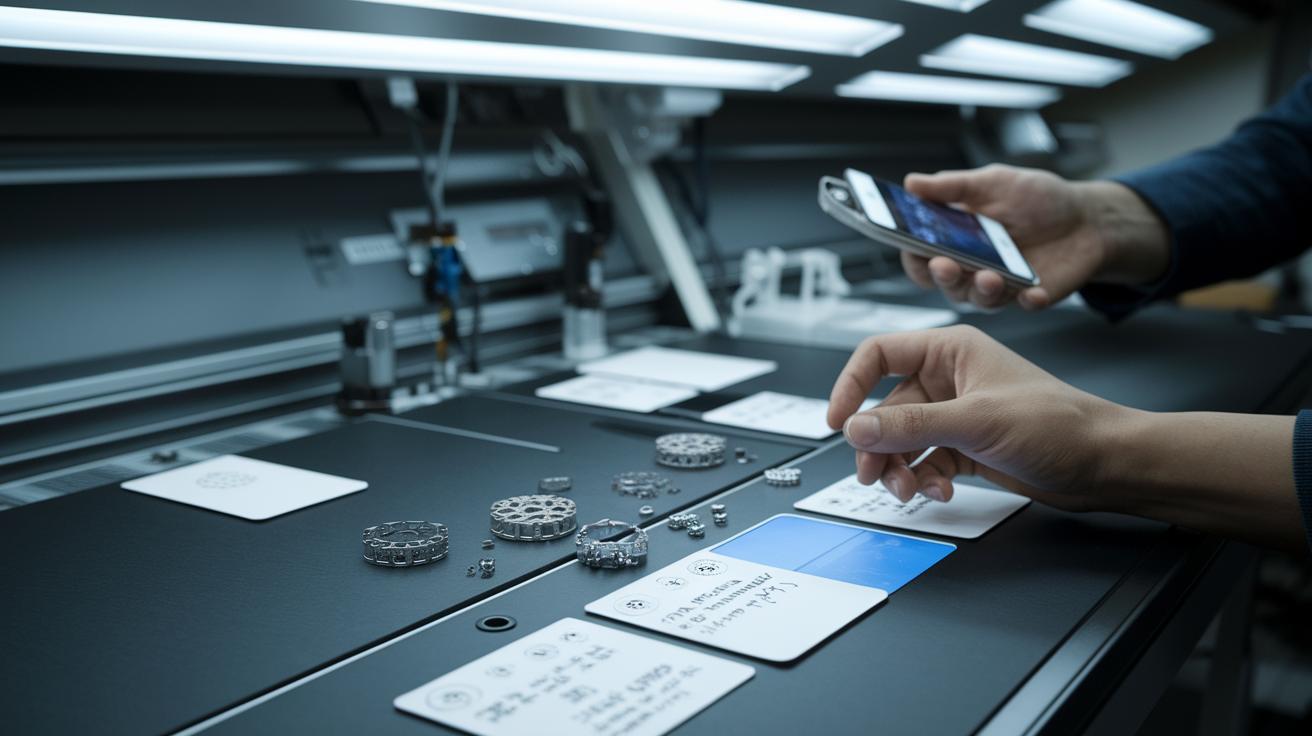
Distributed ledger technology isn’t just a buzzword, it’s a powerful tool that brings real benefits to everyday business. It helps make processes more open and quicker, and you can see its impact in many industries.
Take the supply chain, for example. Picture a luxury brand carefully tracking each step of making a fine watch. From gathering raw materials to the final assembly, every stage is recorded to prove the watch is genuine. It’s like following a trail of trustworthy notes that confirm quality at every turn.
Banks are also stepping up their game by using this technology to settle international payments much faster. Imagine sending money overseas almost as quickly as a local transfer. It cuts out the long waiting times that usually make banking a hassle.
Healthcare providers enjoy the benefits too. In an emergency, imagine a doctor accessing a complete and up-to-date treatment record in just moments. Every entry is secure and accurate, making it easier to deliver quick care when it’s needed most.
Even governments are getting in on the action with digital verification systems. Some pilot programs for cashless payments let officials check identities on the spot, which helps stop fraud right at public service centers.
- Supply Chain: Track your product from creation all the way to delivery.
- Banking: Enjoy fast, international money transfers without the usual delays.
- Healthcare: Gain quick, safe access to complete patient records.
- Government: Use secure digital checks to support modern payment systems.
These examples show how distributed ledger technology can transform traditional operations, making them smoother and more reliable in our everyday lives.
Challenges, Scalability, and Future Prospects of Distributed Ledgers

When distributed ledgers get larger, they naturally handle more transactions, which can cause the system to slow down. As the ledger grows, verifying each new entry takes more computer power. This extra work can put a strain on consensus protocols, which are the set rules that help the network agree on what’s true, and in turn, make the whole system work harder.
Network delays and trouble getting different systems to speak the same language make it even harder for everyone to agree on the data. For instance, if a network of computers is suddenly hit with a lot of new entries, it shows us in real time how basic computer tasks, like sorting and checking, can slow things down.
High resource use means that keeping all the data secure and unchangeable takes extra effort. Researchers are now testing ideas such as off-chain processing (moving some tasks outside the main ledger) and new algorithms to cut down on this burden while speeding up transactions. There is genuine excitement around linking distributed ledgers with everyday devices and artificial intelligence (tech that learns like a human) to let the system adjust in real time.
New methods are being developed to polish up the way these systems agree on information. Each breakthrough promises a more nimble and efficient framework for managing digital records in a growing online world. In short, these innovations point to a future where the balance between speed and security is just right.
- Better methods for reaching agreement
- Slicker processing techniques
- Smart integration with connected devices and AI
These advancements pave the way for digital record systems that are both smooth and fast. As research continues to push the boundaries, we can look forward to a future where managing enormous digital records feels secure and hassle-free.
Final Words
In the action, this article broke down what is a distributed ledger by exploring its secure process of recording data and describing how it boosts transparency. We compared blockchain to alternative systems and explained consensus protocols and cryptographic safeguards. Real-world applications and current challenges, including scalability and future trends, rounded out the discussion. Every piece of insight builds a clearer picture, fueling constructive conversation and inspiring positive steps in digital finance. The outlook remains bright, with innovation paving the way toward smarter financial choices.
FAQ
What is a distributed ledger in blockchain and how does it work?
The distributed ledger is a decentralized digital record that stores transactions over many computers. It operates using consensus protocols so all network participants verify and secure data without a central authority.
What is distributed ledger crypto and what does DLT mean in simple terms?
The distributed ledger in crypto refers to using this shared network to record digital currency transactions. DLT simply means distributed ledger technology, emphasizing secure, decentralized record-keeping without a central system.
What is the difference between blockchain and distributed ledger?
The blockchain is a type of distributed ledger that organizes data into linked blocks. Other distributed ledgers, like DAGs or hashgraph, use different formats to record and verify transactions, offering unique benefits and trade-offs.
What are some examples of distributed ledger technology?
Examples of distributed ledger technology include blockchain, Directed Acyclic Graphs (DAGs), hashgraph, and holochain. Each model uses a different structure for recording, verifying, and storing transactional data securely.
What is a public distributed ledger in blockchain?
A public distributed ledger in blockchain is an open record that anyone can access. It uses consensus and cryptography to maintain a trustworthy, unchangeable record of transactions easily verified by all users.
What are the principles of distributed ledgers?
The principles include decentralization, security, consensus, transparency, and immutability. These elements work together to ensure that every transaction is verified, recorded permanently, and kept free from unauthorized changes.
