
Ever wondered if a safe digital system could boost a company’s performance? Think of IBM’s Blockchain Platform as a members-only club where trusted folks take care of every transaction with care.
This platform speeds up international payments and protects important data like it’s locked away in a secure vault. In simple terms, blockchain (a secure, digital ledger) makes sure that each step is both safe and swift.
In this post, we’re going to explore how this system not only keeps things secure but also improves teamwork and streamlines daily work. Ready to see how IBM’s tried-and-true approach is helping businesses succeed in today’s competitive market?
IBM's blockchain Fuels Enterprise Success

IBM's Blockchain Platform is a trusted tool that helps companies create, launch, and manage blockchain apps. It works like a secure club where only approved members can join, keeping transactions safe and running smoothly, just like neighbors in an exclusive, well-guarded community.
Industry experts give it high marks, especially for its work with Blockchain World Wire. This feature handles cross-border payments in just seconds, sparking new ideas and making operations run like clockwork. Research from Deloitte shows that this platform is a true game-changer, opening the door to fresh business models and better teamwork across networks.
Packed with powerful features, IBM’s platform leads the market by offering robust, enterprise-level solutions. It helps organizations handle sensitive data and track big transactions while keeping a close eye on who gets in. Strategic partnerships with financial institutions and tech innovators boost its ability to link different processes seamlessly. Think of it as a finely tuned orchestra, where each part plays its role to secure and smooth out financial transactions.
Core Architecture and Components of IBM’s Blockchain

IBM’s Blockchain Platform runs on Hyperledger Fabric (a secure, open system to build blockchain apps). It uses permissioned ledgers, which means only approved users can join, and organizations can set their own rules for verifying transactions. This design captures the steady pulse of digital trade while keeping things clear and safe.
- Peer Nodes – Think of these as the network's reliable workers. They check every transaction and make sure the data is spot-on before it gets added to the ledger.
- Ordering Service – This part neatly arranges transactions into blocks, setting them in a logical, time-tested order.
- Membership Service Provider (MSP) – This handles identity checks, ensuring that every participant really is who they claim to be.
- Channels – These create separate “rooms” for data, so only the right people see the information. It keeps sensitive details private while still maintaining transparency.
- Chaincode – This is where smart contract logic lives. It automatically executes agreements when all the conditions are met, cutting down on manual checks.
Smart contracts come with extra security modules that back up the platform’s solid operations. With chaincode, contracts run on their own when the time is right, making things smoother and quicker. Security measures like Transport Layer Security (TLS, which scrambles data) and X.509 certificates (tools that confirm digital identities) ensure that data stays untampered and transactions are recorded permanently. Plus, the modular design lets you swap out consensus methods or upgrade parts without ever taking the network offline. Built on the proven innovations of Hyperledger Fabric, IBM’s Blockchain Platform is a strong choice for businesses aiming for secure and efficient digital transformation.
Enterprise Use Cases and Industry Ledger Applications of IBM’s Blockchain

IBM's blockchain tech has proven its value in many real-world projects. Companies now use it to verify the origin of products and cut down on misleading supply chain details. In the food sector, tests with major retailers have made it easier to track food safety, lowering the chance of fraud. Financial firms use Blockchain World Wire for cross-border payments that clear within seconds. In manufacturing, teams work together to trace parts from start to finish, ensuring every step is recorded. And logistics companies share real-time shipment updates, which helps them plan better and avoid delays. Tokenization tests are also on the rise, letting investors track digital assets in a straightforward way. Each of these uses benefits from blockchain’s clear records and strong proof of actions, making business both transparent and secure.
| Industry | Use Case | Impact |
|---|---|---|
| Supply Chain | Food safety traceability pilot | Better product verification and reduced fraud |
| Finance | Blockchain World Wire for payments | Faster cross-border transactions |
| Manufacturing | Collaborative tracking systems | Improved parts tracing across the board |
| Logistics | Real-time shipment updates | Smoother and more coordinated operations |
| Tokenization | Digital asset tracking tests | Clear recordkeeping across different asset types |
These cases show steady, useful applications across many fields. As more industries see the benefits, blockchain is steadily connecting and supporting many areas, paving the way for secure, fast, and clear transactions to become the norm.
Best Practices for Implementing IBM’s Blockchain in Enterprise Environments

Start small with a pilot project that has clear, doable goals. Write down exactly what you want to achieve from the start. For example, note areas that could benefit from smart automation (using technology to simplify tasks) or better data security (keeping your information safe). Then, build your pilot around these measurable targets. This early planning sets a solid base and helps direct your next steps.
Next, create a plan that links your current systems to IBM’s solution. Use tools like Cloud Pak for Integration to connect your ERP (business management software) and API platforms (program interfaces that let different systems work together). IBM’s blockchain as a service (a cloud method for building blockchain networks, a secure digital ledger) on IBM Cloud makes it easier to set up your network and manage its rules. This step helps turn old manual tasks into smooth digital processes, making business operations and financial tech work together more easily.
Finally, pay close attention to how you manage and grow your project. Set clear rules about who can join and plan for times when usage spikes. A phased rollout reduces risk as your network grows. With strong oversight and a simple network setup, you build a resilient system that grows with your business while keeping everything secure during fast-moving financial tech changes.
Security, Compliance, and Scalability in IBM’s Blockchain Solutions
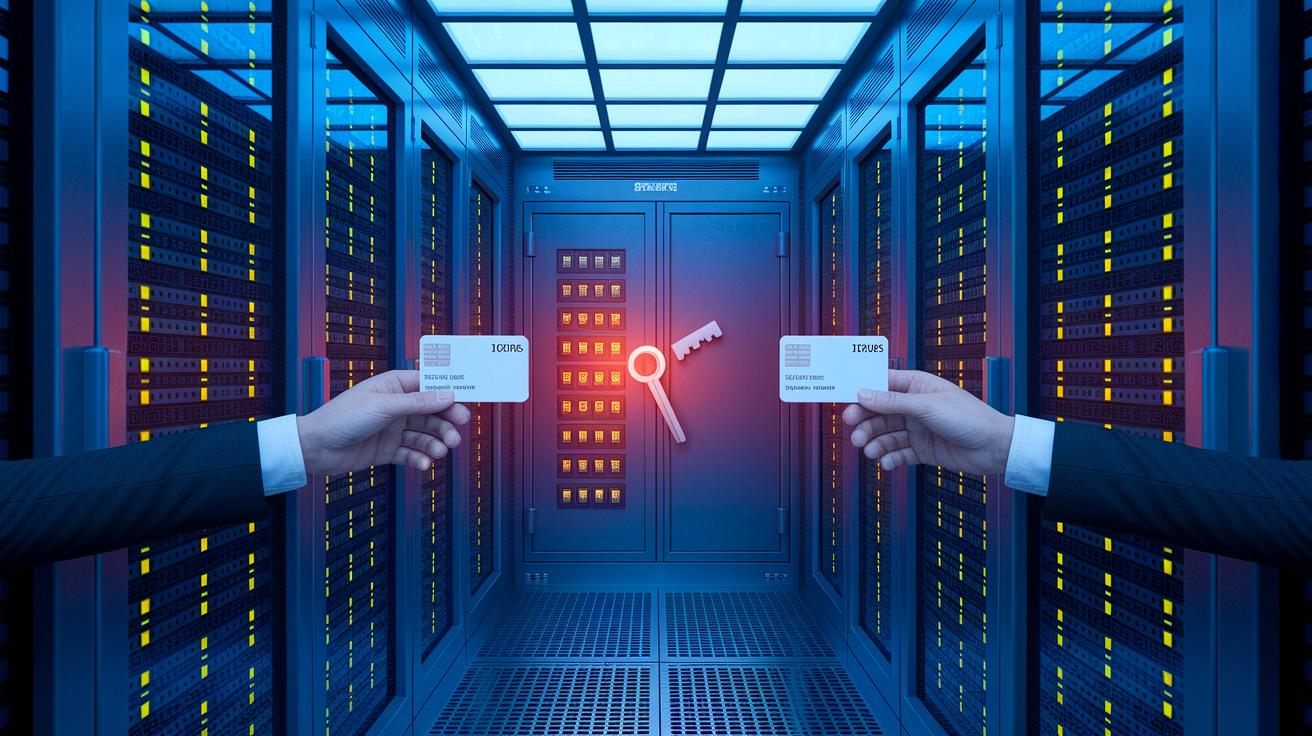
IBM’s Blockchain Solutions use strong digital locks to secure each transaction at several levels. Using MSP-based access control, the system checks every user’s identity with digital certificates and scrambles data during transit using TLS (a tech method that protects data by turning it into unreadable code while moving). It works much like a secure vault where every key is carefully inspected, ensuring only those with permission can get in. This identity checking process builds trust because every step meets strict security standards, kind of like showing your ID before entering a high-security building.
IBM also focuses on keeping an accurate record of all transactions and scaling the system to meet strict rules. Each transaction is recorded in a permanent audit trail that helps verify data integrity and meets rules like GDPR. Flexible ordering services and easy-to-read dashboards help the network grow when transaction volumes increase, while maintaining a good balance between speed and safety. This layered setup reassures businesses that their critical data is protected even during fast-paced market shifts, making the platform a trusted choice for handling important operations.
Performance Monitoring, Auditing Tools, and Certification for IBM’s Blockchain

IBM gives you a handy set of tools that make it easy to watch and measure your system in real time. Tools like the Hyperledger Fabric Explorer and live dashboards show key details such as throughput (how fast data moves), latency (the waiting time in the system), and block generation (the pace of creating data blocks). It’s a bit like watching a live game, where every play tells you something important. And if you see a sudden jump in block generation, it’s a signal to quickly check if the network is running smoothly, similar to noticing a change in your car’s engine sound and knowing something might be off.
IBM also offers certified training modules that cover crucial topics like network administration (managing network operations), chaincode development (building smart contracts), and governance (keeping your system in order). There are plenty of learning paths for developers, filled with resources like SDK tutorials and Composer examples. Whether you’re just starting out or you’re already experienced, these training tools ensure you stay on top of best practices and can fix any issues before they grow into bigger problems.
Future Trends and Innovations in IBM’s Blockchain Ecosystem

IBM’s blockchain is breaking new ground by blending its trusted digital ledger with cool tech like IoT sensors (small devices that detect and measure changes) and AI (computer systems that learn and think a bit like us). Imagine a smart system that senses shifts in product flow almost before they happen, making it easier to react fast and keep operations running smoothly. This mix of live sensor info and smart algorithms not only boosts how digital assets are tracked but also hints at a future where tech frameworks are built to support global growth.
IBM is already testing out hands-on programs that look at turning physical assets into digital tokens or using NFTs to keep track of a product’s history. These trials offer a real glimpse into how companies might soon verify and manage assets in smarter ways. They’re also diving into decentralized identity frameworks (systems that let you control your own identity online) and cryptography that can stand strong even against quantum computers. And by combining private and public cloud models, IBM is bringing different industries together to fuel steady digital progress. In short, this forward-looking approach means blockchain will secure transactions and power tech-driven transformations for years to come.
Final Words
In the action, our discussion unraveled IBM’s blockchain platform, from its solid technical backbone and secure transaction protocols to practical use cases that redefine digital asset management. We looked at key components like Hyperledger Fabric with smart contracts and secure identity measures, all vital for scaling global digital trade.
The post also highlighted future trends and actionable insights in digital finance. With ibm's blockchain driving powerful innovations, embracing these strategic insights can pave the way for smarter, diversified investment decisions and a promising future in digital finance.
FAQ
What is blockchain, blockchain technology, or blockchain in simple words?
The blockchain refers to a secure digital ledger that links transactions in a chain, keeping data tamper-proof and clear for everyday use.
What is the IBM Blockchain Platform and does IBM have a blockchain?
The IBM Blockchain Platform is IBM’s enterprise-grade system built on blockchain. It offers a secure network where businesses can build and manage applications, showing IBM’s strong presence in this field.
What are the types of blockchains and can you give an example?
Blockchains come in public and private types. Public blockchains, like Bitcoin, let anyone join, while private ones limit access to specific users for added control.
Who invented blockchain?
The concept of blockchain first emerged with Bitcoin, created by the unknown Satoshi Nakamoto, who designed it to keep digital records secure and transparent.
How is blockchain used in finance?
Blockchain in finance means using a secure digital ledger to record transactions instantly. It speeds up international payments and boosts trust between financial institutions.
Who are the big four of blockchain technology?
Leading players in blockchain include Ethereum, Consensys, XRP Ledger, and Coinbase. These innovators push the boundaries of secure digital transactions and decentralized applications.
How much is 1 dollar in blockchain?
One dollar in blockchain refers to a unit of traditional currency used in digital exchanges. Its value depends on the specific cryptocurrency market and trading rates.
Is IBM involved in cryptocurrency?
IBM supports cryptocurrency through its blockchain platform by enhancing secure financial systems. They focus on building reliable, enterprise-level infrastructure rather than direct coin trading.
What are some notable blockchain platforms like Blockchain.com, Ethereum, Consensys, XRP Ledger, Coinbase, and Solana?
These platforms represent various blockchain solutions, from digital wallets to decentralized applications. They each contribute uniquely to secure transactions and innovative digital financial services.
