
Ever wonder if our old-school way of accounting is starting to feel outdated? Now, imagine a system where every transaction is visible in real time, just like flipping through a shared notebook that all your computers can read at once. This means it's really hard for any errors or tampering to sneak by. With transactions verified quickly and trust built steadily, much like double-checking your receipts after a busy day, this new approach is sparking changes that not only improve recordkeeping but also energize the world of digital finance and blockchain (a secure, digital ledger system).
Overview of Digital Ledger Technology
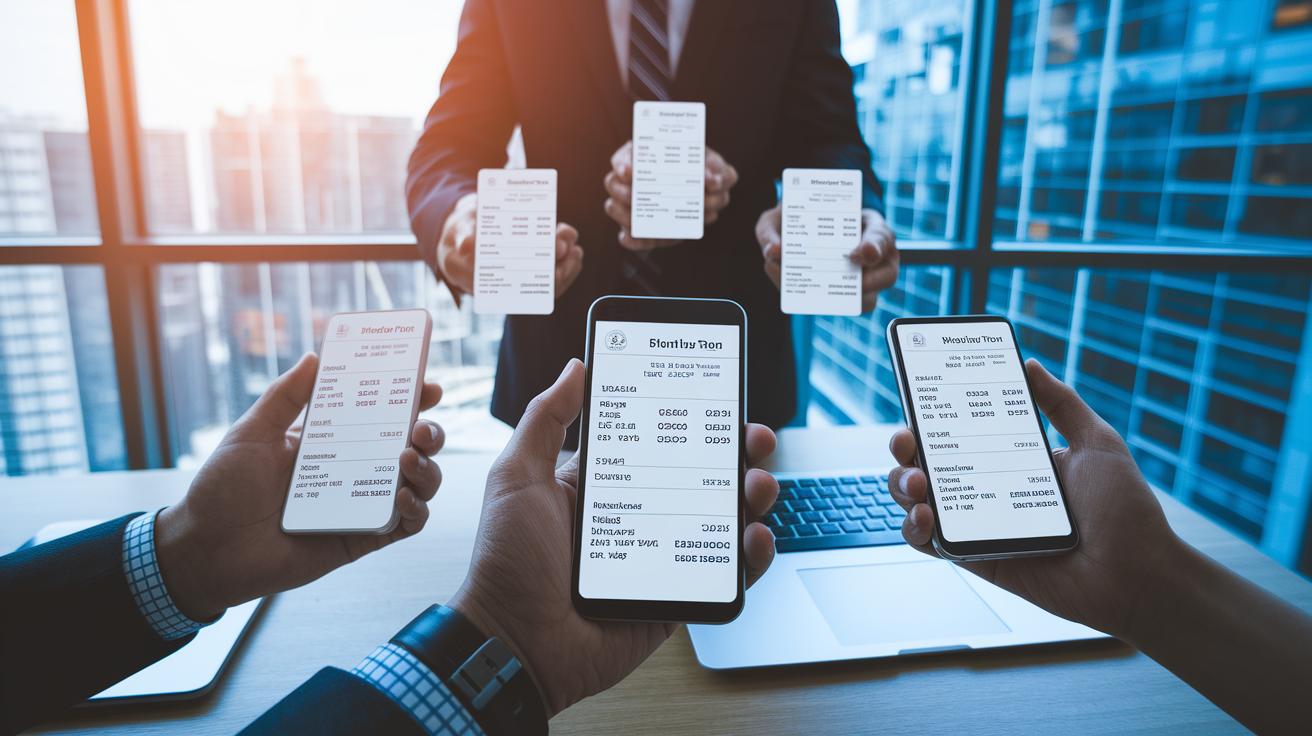
Digital ledger technology is a way to record financial transactions on a network of computers, much like a shared digital notebook that everyone can see. Imagine every transaction being written down in real-time for all to verify, ensuring that nothing can be changed or hidden.
Unlike a traditional single ledger where one book holds every entry, digital ledgers spread copies out across many computers. This means that both buyers and sellers can quickly check that each record is accurate, similar to comparing identical receipts to double-check every detail.
This distributed approach boosts security because it avoids relying on just one central record keeper. In simple terms, if one copy were compromised, there are plenty of others that remain untarnished. Digital ledgers are the secure backbone of blockchain (a secure, digital ledger that keeps records on several computers), which started with Bitcoin in 2009 and now supports secure recordkeeping in many industries.
Essentially, digital ledger technology simplifies and fortifies the way we track transactions, making it a key tool in today’s interconnected digital economy.
Evolution of Digital Ledger: From Traditional to Distributed Records
In the old days, ledgers relied on central figures like banks or brokers to keep track of transactions. This setup often meant high fees and slow record keeping. When all the data sat in one spot, any error or tampering could cause big problems, much like finding one damaged copy in a library of essential books.
| Year | Milestone |
|---|---|
| 15th Century | Double-entry accounting |
| 1960s | Electronic databases |
| 2009 | Bitcoin launch |
| 2015 | Ethereum smart contracts |
| 2020s | Enterprise DLT adoption |
The move to distributed ledger technology changes everything. In modern systems, every participant holds an identical copy of the record (a distributed ledger is a system where everyone gets the same updated file), making mistakes almost impossible. And because each node verifies and stores transactions on its own, middlemen aren’t needed. It’s like having several safety nets, if one fails, the rest keep everything secure.
Digital Ledger vs Traditional Accounting Ledgers

Digital ledgers and classic accounting ledgers are very different when it comes to keeping track of your money records. Digital ledgers work by using a network where every computer, or node, holds an exact copy of the records. This means no single person or system is in charge. Traditional ledgers, however, depend on one main authority storing all the data, which just doesn't keep up well with today’s fast pace.
In a digital ledger system, many computers share the work. They use group checks, sort of like a friendly vote, to verify every transaction in real time. This makes it tough for anyone to tamper with the numbers without being noticed. On the flip side, traditional methods rely on manual checks and centralized control, which makes them more open to mistakes, fraud, or delays.
Digital ledgers also boost transparency. Everyone involved can log in and review transactions, like checking an online receipt archive. This team effort helps keep the records almost unchangeable once they're written down. Traditional ledgers, by contrast, use periodic audits and manual updates, which might let errors hide for longer than they should.
Modern companies are really getting a boost from these digital systems. By moving away from old, centralized ways and embracing a network-based approach, businesses can cut risks and work more efficiently. In short, this means faster, safer financial reports and a fresh spark of innovation in how we manage money today.
Digital Ledger Architectures: Blockchain, DAG, and Beyond
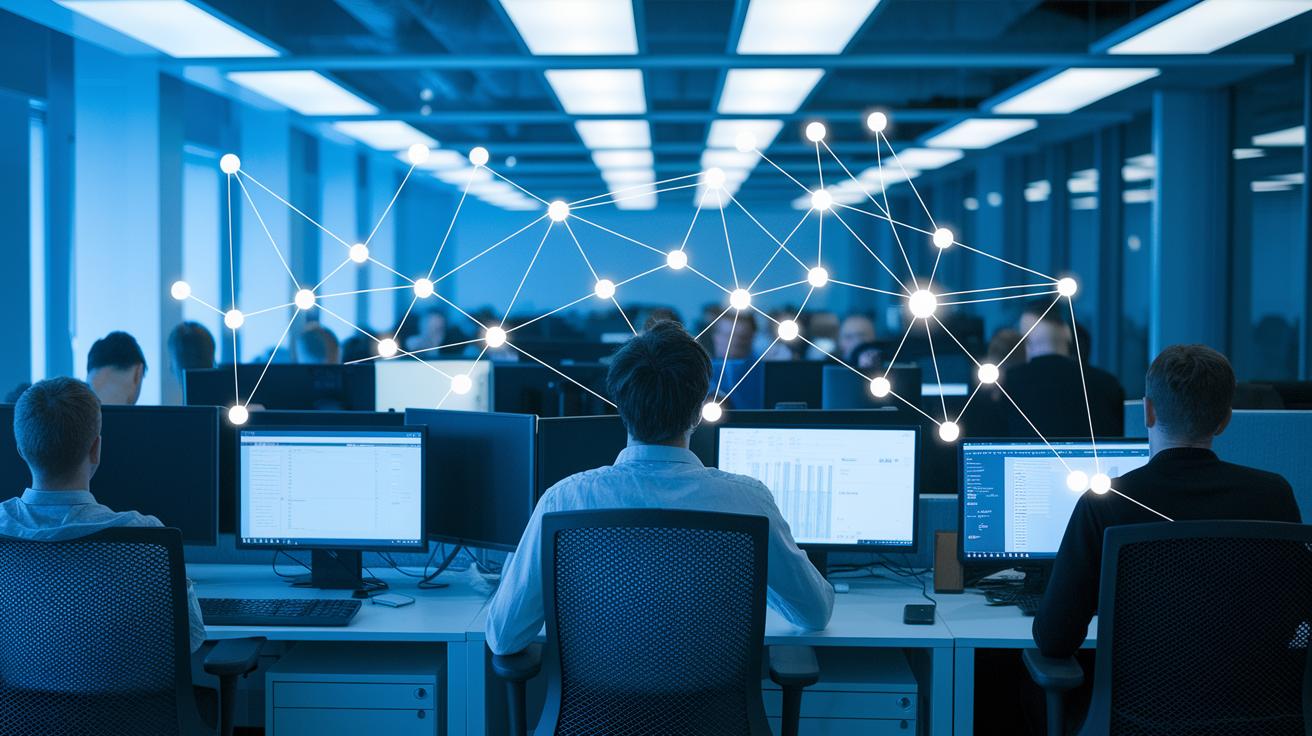
Digital ledger technology is changing how we handle records. It spreads data across a network so that everyone holds the same copy. This makes it easy to check that every entry is correct and hasn’t been tampered with, reducing the need to rely on just one trusted source.
Blockchain
Blockchain splits data into blocks that link together like beads on a string. Each block carries a list of transactions that everyone in the network confirms using a method called consensus (this means all users agree on the data's truth). This shared check is why blockchain is known for being very secure. If you're curious to learn more, layer 1 blockchains are the basic building blocks worth exploring at https://nftcellar.net?p=2723.
Directed Acyclic Graph (DAG)
The Directed Acyclic Graph, or DAG, works differently. It uses a network of connected transactions instead of waiting for blocks to fill up. Each new transaction confirms one or more earlier transactions, which speeds up the process a lot. This flexible design is great when you need the system to handle lots of transactions quickly.
Hashgraph and Others
Hashgraph and similar systems take another route by focusing on speed and efficiency. They don’t use traditional blocks. Instead, they use unique consensus algorithms (special rules that help everyone agree on the data) to record transactions fast and securely. These setups come with different permission models and data arrangements, making them a good choice when classic blockchain isn’t the perfect fit.
Looking at these different methods shows us that digital ledger technology offers several ways to keep records secure. Whether the system uses blocks, graphs, or something else, each method adds its own smart twist to capturing and checking transactions.
Consensus Mechanisms and the Principle of Immutability in Digital Ledgers
Proof of Work (PoW)
Proof of Work, or PoW, is a method that uses lots of computer power to check transactions. Every computer in the network has to solve a tough math problem before a new record is added. It’s a bit like a race where the first computer to crack the puzzle wins the chance to add information. This means each step takes a lot of energy, so trying to change past records would be extremely hard and expensive. Imagine a riddle that changes every minute, only a very determined and powerful effort can solve it on time, which makes sneaky changes nearly impossible.
Proof of Stake (PoS)
Proof of Stake, known as PoS, takes a different route. Here, people who hold more digital tokens (or digital coins) get picked to verify the transactions. Instead of solving puzzles, these users put up some of their tokens as a sign that they will be honest. It’s like betting that you will do a good job recording transactions. If you try to cheat, you lose your tokens. This setup is much kinder on energy while still ensuring that a trusted group agrees on each new entry in the record.
The idea of immutability is key to building trust in digital records. Once a transaction is checked and added, it’s nearly impossible to change without getting caught. These unchangeable records make sure everyone knows the information stays accurate and reliable over time.
digital ledger Energizes Accounting & Blockchain Innovation

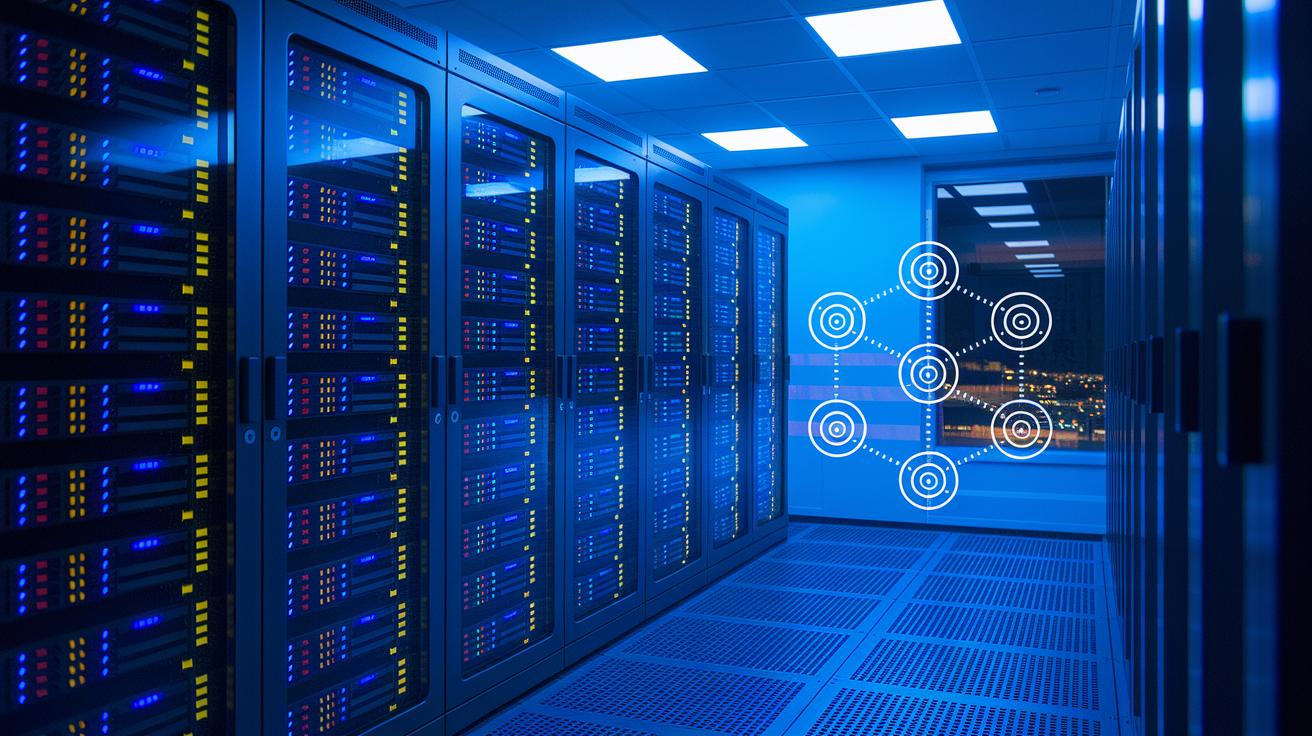
Digital ledger systems use strong encryption to protect financial records. They use digital signatures, hash functions (which are secure math codes that jumble information), and public-key encryption (a method that uses two keys to lock and check data). These advanced tools work together to stop tampering, keeping each record honest and reliable.
Hashing and digital signatures are like the building blocks of this secure setup. Hash functions turn transaction details into unique, fixed-length codes, think of them as digital fingerprints that change completely even with a tiny alteration. Digital signatures, on the other hand, confirm who sent the record so that only trusted parties can sign off. This blend of techniques builds a strong trust system where every computer in the network helps keep the ledger safe.
Encrypted transaction logs add another layer of protection by keeping records hidden from prying eyes. The processing power is shared among many nodes, so if one fails, the system keeps running smoothly. This structure makes hacking nearly impossible and shows how digital ledger technology brings together tough cryptography and practical, everyday use for keeping data secure.
Digital Ledger Applications in Modern Industries

Digital ledger technology uses strong encryption (advanced ways to keep data safe), digital signatures, and hash functions (methods to lock in data changes) to keep records secure and clear. It makes financial checkouts and recordkeeping simpler by joining automated smart contracts (self-running contracts that act when conditions are met) with everyday business systems in sectors like finance, healthcare, and real estate.
- Financial settlements: Fast and safe transactions cut down waiting times and save money. Think of it like a relay race where every second matters.
- Supply chain management: Real-time tracking logs every move a product makes. Imagine watching a live scoreboard as your package gets updated each step of the way.
- Healthcare records: Patient information stays locked up and is only available to trusted users. Picture a digital filing cabinet that opens only with the right key.
- Real estate tokenization: Turning property into digital tokens makes buying and selling smoother. Visualize breaking a property into digital slices, like sharing a pie.
- Identity verification: Decentralized methods quickly and safely confirm who you are. It’s a bit like using a fingerprint scanner that instantly finds a match.
These examples show how digital ledger technology boosts efficiency in everyday operations while keeping data safe and open to the right people.
Future Trends and Innovations in Digital Ledger Platforms
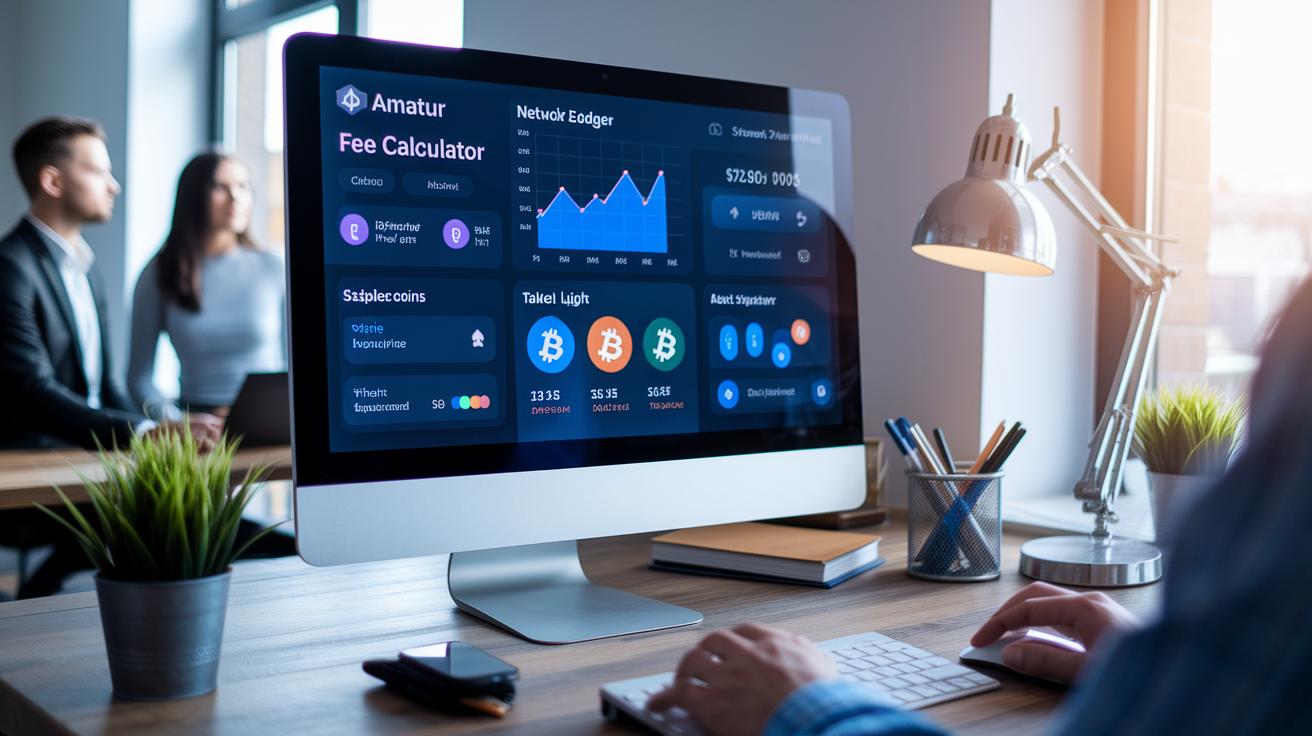
Digital ledger tools are getting a big upgrade these days, offering users fresh ways to keep track of their transactions. New systems now come with handy features like fee calculators (think of them as speedy check-ups on costs), network explorers, support for stablecoins (digital money that stays steady), and asset tokenization, which basically turns physical items into digital records. These features work together to make transactions smoother and create secure digital logs that are easy to manage. Really, it feels like your records can now get a little heart-beat check, ensuring everything runs at the best price.
Right now, experts are also diving into quantum-resistant cryptography (fancy tech aimed at defending data against super-powerful future computers), better ways to connect different ledger systems, and finding ways to boost blockchain scalability (improving how quickly and efficiently a blockchain handles more transactions). Imagine different systems chatting seamlessly, like friends sharing secrets without missing a beat, that's interoperability in action. With these improvements, your digital records will not only stay strong against modern risks but also be ready to work well with other systems.
Rules and regulations, however, are still trying to catch up with all these innovations. Today’s legal guidelines tend to react after new tools hit the market, often using no-action letters to calm things down. This lag means that technology can sometimes sprint ahead while the legal side is still tying its shoes.
Looking forward, the spotlight is on creating automated audit trails (think of it as a digital notebook that records every move automatically) and setting up systems that allow different industries to easily follow the rules using shared protocols. With these changes, digital ledger platforms are set to keep records that are secure, clear, and adaptable as the technology grows.
Final Words
In the action, we explored the shift from traditional recordkeeping to a digital ledger system built for clear, secure transactions. The discussion broke down how modern methods differ from old-school ledgers and explained consensus, cryptography, and real-world applications. Small steps for risk management and smart portfolio building were outlined clearly. These insights provide a solid foundation for making thoughtful digital investments. The path ahead in digital finance looks bright and full of promise, inviting investors to create stronger, more balanced portfolios.
FAQ
Q: What is a digital ledger app?
A: A digital ledger app is a mobile or web-based tool that records transactions electronically, making it easier to track exchanges securely and transparently.
Q: What is a digital ledger blockchain?
A: A digital ledger blockchain is a system where transactions are stored in linked blocks, using a shared record method that keeps data secure and hard to alter.
Q: What is digital ledger crypto?
A: Digital ledger crypto relates to digital ledger systems that support cryptocurrencies by recording and verifying transactions on a secure, distributed network.
Q: What are some digital ledger examples and distributed ledger technology examples?
A: Examples include blockchain systems and other nodes-based record systems like directed acyclic graphs, which record transactions securely across multiple computers.
Q: What is the difference between distributed ledger technology and blockchain?
A: Distributed ledger technology is an umbrella term for systems that manage records across various platforms, while blockchain is a specific type that organizes data into interconnected blocks.
Q: What is a digital ledger book?
A: A digital ledger book is an electronic version of a traditional ledger, used to record and maintain transaction records accurately and efficiently.
Q: What does a distributed ledger technology PDF provide?
A: A distributed ledger technology PDF offers a document that explains the concepts, benefits, and applications of decentralized transaction recording systems in clear, accessible language.
Q: What is meant by a digital ledger and what is another name for it?
A: A digital ledger is an electronic record of transactions stored on multiple computers, also known as a distributed ledger, which reinforces security and transparency.
Q: Is Bitcoin considered a digital ledger?
A: Bitcoin relies on a digital ledger called the blockchain, which securely records all transactions in a transparent, decentralized manner.
Q: What are the disadvantages of a ledger wallet?
A: The disadvantages of a ledger wallet include risks like device loss, potential high fees during transactions, and limitations in supporting a range of digital assets.
