
Have you ever thought that a rare quality could be the key boost behind an NFT's value? A special feature in a digital asset can turn it into a treasured collectible, much like a secret ingredient that makes your favorite meal unforgettable. When collectors spot something unusual or even a missing detail in a token, its worth can naturally rise.
In this piece, we dive into how these unique traits push up prices and create excitement in the market. It shows that rarity is far more than just a side note – it plays a major role in the NFT world.
NFT Rarity: Definition, Significance, and Market Impact

NFT rarity is all about how unique a digital asset is. Think of each NFT like a recipe where every trait is an ingredient. When an NFT is missing a common ingredient or has a rare twist, like a flash of neon in a sea of basic colors, it becomes extra special. Collectors take note and value these unique traits higher.
Investors watch rarity closely because it changes how the market moves. When an NFT stands out with odd or missing traits, it often fetches a better price. This special quality not only attracts more buyers but also boosts overall trading activity, much like the buzz you get when you find a hidden gem.
Rarity helps lift the overall value of NFTs. As more collectors and investors chase after these one-of-a-kind assets, the market sees an increase in trading volume and improved floor prices.
Common NFT Rarity Calculation Methods
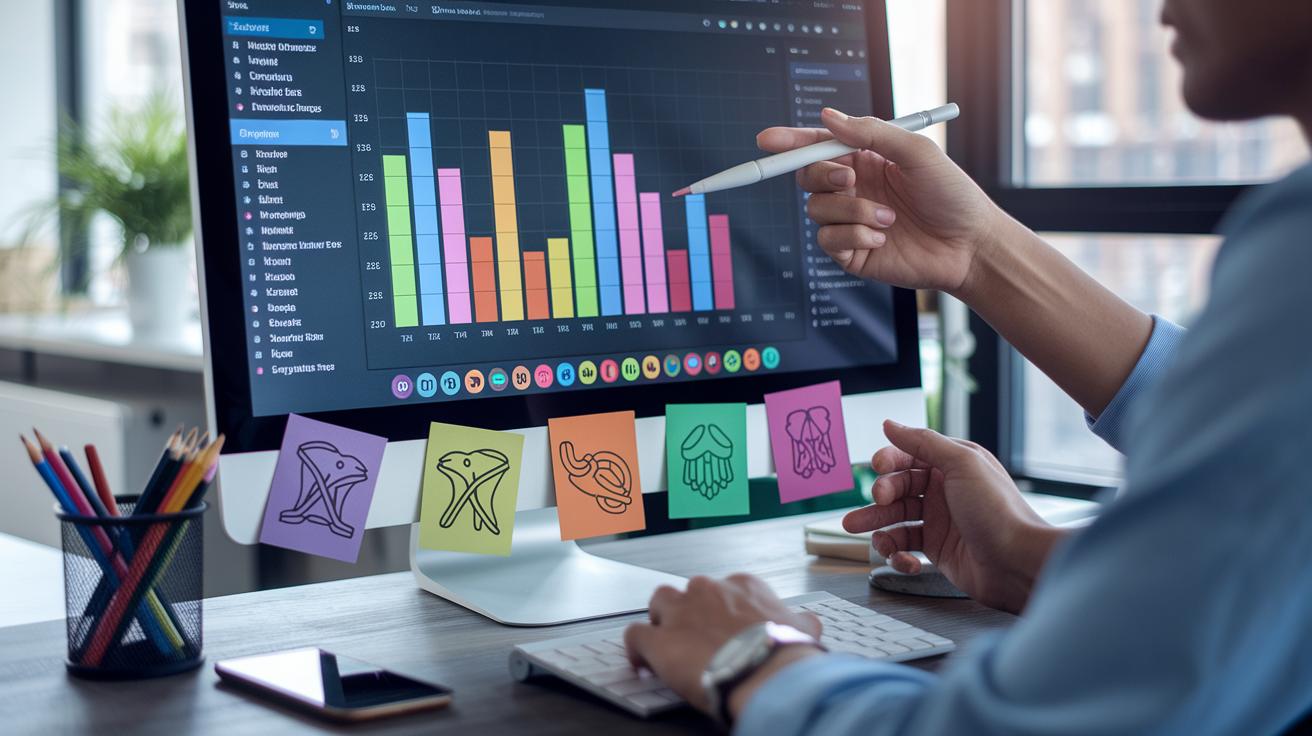
There are several ways to figure out just how rare an NFT is because every method shines a light on a different side of its features. Some add up the unique points from each trait, while others zero in on the rarest detail. Then there’s one that averages out the rarity percentages and another that multiplies them together. These approaches help collectors and investors easily compare how unique different digital assets are. Imagine you’re checking out a collectible – one method might add up every special feature for a total score, while another might simply point out the rarest color or pattern.
| Method | Description | Calculation |
|---|---|---|
| Summed Rarity Score | Adds up the rarity values for each trait | Score = Trait1 + Trait2 + … + TraitN |
| Rarest Trait Method | Focuses on the single most uncommon trait | Score = Minimum(Trait rarity values) |
| Average Trait Rarity | Finds the percentage average of all traits | Score = (Sum of trait percentages) / N |
| Statistical Rarity | Multiplies rarity percentages for a combined score | Score = Trait1 % x Trait2 % x … x TraitN % |
Each method has its own strengths and weaknesses. The summed rarity score gives you a simple overall picture but might sometimes give too much credit to common traits. On the other hand, the rarest trait method nails down that one exceptional feature but may miss the overall blend of qualities. The average trait rarity offers a balanced view by using percentages, even though it can tone down the effect of truly standout traits. And the statistical method, by multiplying percentages, can capture the complex mix of features – although its results might be very sensitive if one feature scores really low. All in all, these different methods let you pick the one that best matches your investment style and risk comfort.
NFT Rarity in Popular Collections

Across the digital collectible world, many top collections use rarity ranking as a key way to measure value. Tools like Rarity.Tools and Rarity Sniper offer spaces where collectors chat and dig into rarity details. They help break down each NFT's traits, like unique features or overall scores, for a clear look at market potential.
Take BAYC, for example. Rarity.Tools checks factors such as average price, total sales, and owner count to rank assets. If you visit the bored apes NFT page, you'll see how this ranking draws in high-value offers. Similarly, CryptoPunks shine by showcasing rare attributes that boost their scores. Even collections like cool cats NFT benefit from these insights, mixing aesthetic appeal with clear data to help investors spot promising assets.
When an NFT falls into a high rarity tier, it often grabs higher floor prices and more trading action. In short, each rarity level reflects both artistic style and a quantifiable sense of market appeal. Understanding these metrics can help both collectors and investors find items that might hold or even increase in value, a reminder of how crucial rarity is in setting market trends.
NFT Rarity Tools and Platforms

When it comes to checking how unique your digital art is, there are plenty of tools ready to help. These NFT tools act like a snapshot, revealing which collectibles might be hidden gems. They provide friendly crypto scarcity metrics, making it easy for anyone, whether you’re a seasoned investor or just starting out, to spot where the real value lies.
Here are the top 7 tools many collectors and investors turn to:
- Rarity.Tools – This tool runs on Ethereum. It lets you filter NFTs by average price, total sales volume, and owner count so you can quickly see which collections are trending.
- Rarity Sniper – Available on Ethereum, Solana, and more, it shows rarity ranks, scores, and detailed trait breakdowns for over 700 collections. It’s like having a cheat sheet for spotting standout pieces.
- Traitsniper – Covering various NFT-friendly blockchains, Traitsniper sends real-time notifications and offers speedy analysis right after new projects are revealed.
- Rarity Sniffer – Mainly for Ethereum, this tool is known for its lightning-fast results, delivering rarity data just seconds after a new NFT drop.
- NFTSniff – Also working on Ethereum, NFTSniff examines NFT traits to give clear rarity scores along with extra project analytics that can make your research easier.
- ERCRarity – This Ethereum-based tool keeps things simple by assessing NFT rarity through unique trait evaluation, so you know exactly what makes an NFT special.
- Icy.Tools – Running on Ethereum, Icy.Tools dives deep with insights like NFT history and price charts. Just note, you’ll need to log in for full access.
Beyond these key players, there are plenty of niche platforms that add even more detail to NFT rarity analysis. Some tools are built for specific blockchains, PolyRare focuses on Polygon NFTs, HowRare.is dives into Solana collections, and CNFT Tools covers more than 1,000 Cardano NFT collections. Aggregators like CryptoSlam, DappRadar, and Etherscan Token Tracker also offer on-chain activity details and broader market insights, giving collectors a well-rounded view of the space.
Using Rarity Insights for NFT Investment Decisions

Rarity scores act like a helpful guide, showing you which NFTs might be hidden treasures or soon-to-be hot picks. They give you a clear picture of an NFT’s mix of traits compared to its peers. Paired with market clues such as floor price (the lowest price for an NFT in the collection), trade volume, and even community chatter, these scores help lower risk by revealing where real value might be hiding. Think of it like following a treasure map where every marker, whether it’s the number of owners or the average price, points to a potential gem.
One surprising example comes to mind. An NFT that was once overlooked because of a low trait score suddenly increased in value after small market shifts uncovered its true rarity. This blend of rarity scores and real-time data can really lead to smart investment moves.
You can take clear, actionable steps using these insights. Try filtering NFTs by owner count and average price to uncover collections that are gaining market appeal but have not yet become mainstream. This approach not only highlights trending assets but also helps you decide the best time to invest. In short, combining rarity metrics with the pulse of the market lets both newcomers and seasoned collectors make better, more informed decisions.
Rarity Scoring Models and Indexes for NFTs

Some projects create custom scarcity indexes to even out how traits are spread across an NFT collection. They work by using percentages and distribution methods to balance the influence of each characteristic. In simple terms, they assign a weight to every trait and adjust for traits that are super rare, so one unusual feature doesn’t throw the overall score off balance. This gives a fair evaluation of each NFT’s unique features.
Other approaches use algorithm-based scoring models. These models rely on computer-powered calculations to assess NFT uniqueness. They break down how common or rare each trait is and then use clear math steps to combine factors like frequency and probability weights. This process minimizes personal bias and helps investors compare NFTs based on subtle differences that might be overlooked in a simple addition of scores.
New protocols are taking it a step further with dynamic on-chain rarity updates. As new NFTs are minted and additional traits appear, these systems automatically adjust scores in real time. It’s like watching the subtle hum of market activity, where continuous data feeds and regular algorithm updates keep the scoring accurate even as the collection grows. This agile method mirrors the fast pace of digital assets while offering collectors and investors clear insights into changing rarity metrics.
Challenges and Limitations in NFT Rarity Evaluation
NFT rarity scoring has its limits. Different platforms define traits in their own ways and calculate scores differently. This can leave collectors and investors scratching their heads when the same NFT gets different scores.
One big hurdle is inconsistency. Some platforms break down traits differently, so a similar NFT can receive very different evaluations depending on where you look. Market trends, personal views from the community, and even small sample sizes can add to the complexity. And when you mix in varied definitions of traits, the results become even harder to predict.
A simple way to tackle this issue is to check scores using several tools and add extra details like mint dates or a creator’s influence. By comparing different measures and reviewing them regularly, you can better understand an NFT’s unique qualities and make smarter decisions.
Final Words
In the action, we've seen how NFT rarity drives both market demand and price. We broke down what makes each token unique and shared common calculation methods.
We also looked at top systems in leading collections and the role rarity plays in smart investment choices.
The discussion ties together actionable insights and strategic thinking for building a secure portfolio. Keep exploring rarity nft trends with confidence and a keen eye on emerging market shifts.
FAQ
What is Rarity Tools?
The Rarity Tools platform helps users check how rare an NFT is by analyzing its traits. It provides scores that help collectors compare items and gauge potential market value.
How does a Rarity NFT marketplace work?
The Rarity NFT marketplace organizes digital collectibles by their rarity scores. It pulls together data on traits and sales to help buyers make smart choices based on rarity and collector demand.
What role do rarity scores play in NFT price and value?
The rarity of an NFT drives its price and overall value. Higher rarity scores usually grab more collector interest, leading to higher market prices and increased trading demand.
What is Rarity Sniper?
The Rarity Sniper tool ranks NFTs by evaluating their traits quickly. It provides updated scores and detailed trait breakdowns so users can spot attractive and potentially undervalued items.
How does an NFT rarity checker work?
The NFT rarity checker verifies how uncommon an NFT is by calculating the rarity of each trait against the whole collection. It aids collectors in confirming the uniqueness of their assets.
What can users expect when navigating the Rarity Tools website?
The Rarity Tools website offers a clear dashboard to explore various collections. It shows rarity scores, trait details, and market stats, enabling users to make informed decisions at a glance.
How does an NFT rarity calculator operate?
The NFT rarity calculator uses specific formulas to combine the rarity values of individual traits. It produces an overall score that helps collectors identify NFTs with strong market potential.
