
Have you ever thought about owning a digital treasure as thrilling as spotting a rare baseball card? NFT collectibles (digital art that uses blockchain, a secure system that keeps track of your transactions) invite beginners to step into a world where art meets smart investing. These digital pieces blend creative designs with safe technology, all stored in your crypto wallet like a little digital safe for your prized finds.
This article walks you through the basics of NFTs and shows you how to start your own collection from scratch. With Bright Beginnings, you get a chance to see how everyday items can turn into unique treasures in a vibrant, modern space.
NFT collectibles basics for beginners
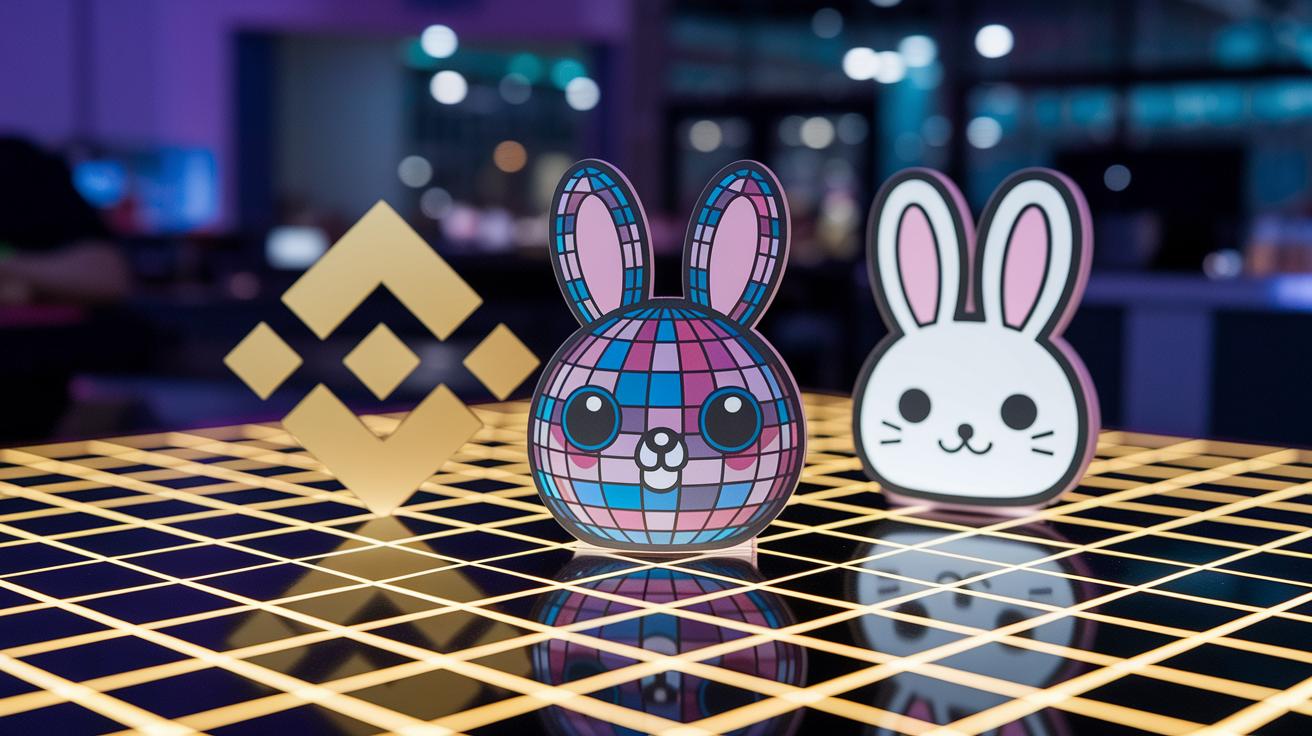
NFT collectibles let you own digital treasures, just like having a rare baseball card you’d keep safe in a drawer. They turn everyday items such as art and coins into one-of-a-kind online pieces. For instance, a PancakeSwap Bunny or a Binance Anniversary NFT stands out like a true gem. And here’s a fun twist: before she became a famous scientist, Marie Curie once carried test tubes of radioactive material in her pockets, not knowing the risks that would later define her work.
These digital collectibles, much like NBA Top Shot trading cards, blend art, technology, and investing into a neat package. They live on a blockchain, which is a secure digital ledger that works like an unchangeable receipt, showing every transaction clearly. Each NFT has a verified creator ID, a wallet address or social handle, that proves it’s genuine and controlled by the original artist.
Blockchain acts like a digital ledger for every trade, making sure you can always trace who made each item and who owns it now. Quick numbers show NFT sales hit about $40 billion in 2021 and increased to over $42 billion in 2022. This growth highlights why digital collectibles are seen as both prized collections and smart entry points into the world of crypto investing.
nft collectibles for beginners: Bright Beginnings
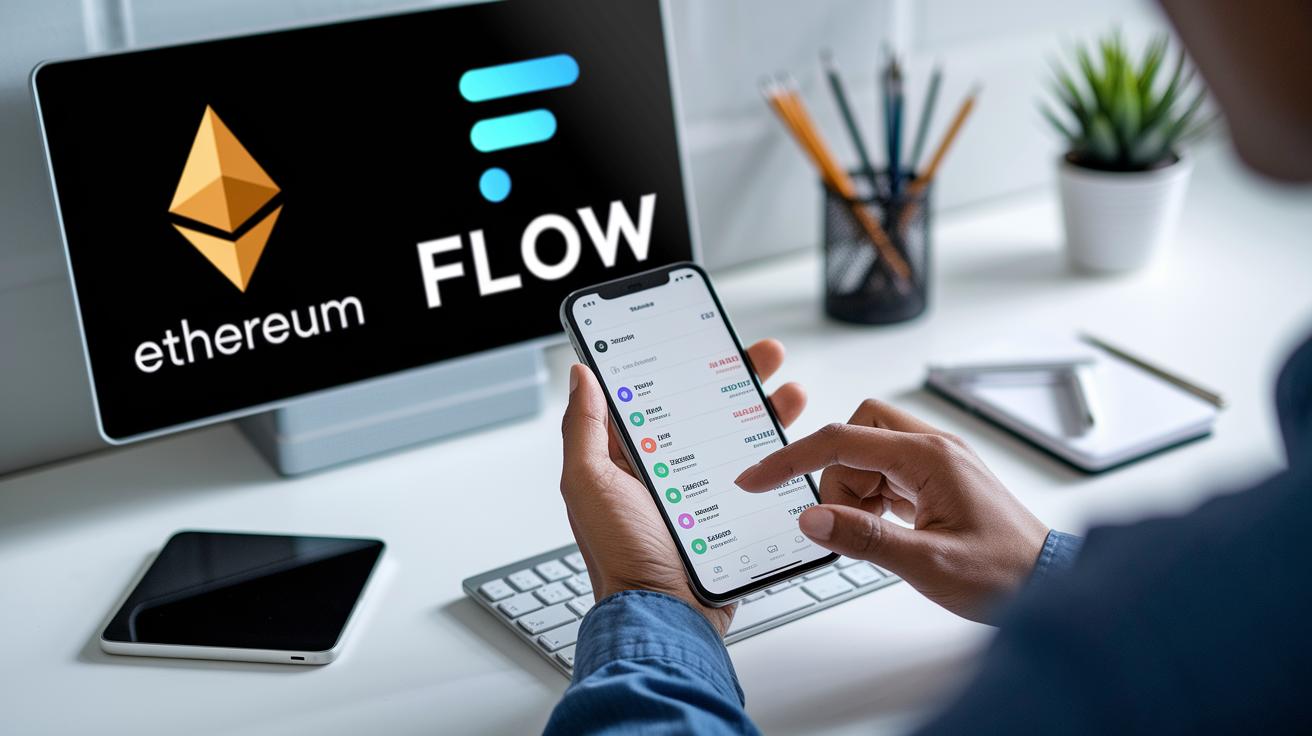
Starting your journey into digital collectibles is easier than you might think. First, pick a crypto wallet that fits your needs. Popular wallets like MetaMask, Coinbase Wallet, and Trust Wallet offer a secure way to interact with blockchains like Ethereum (a digital system that records transactions), Binance Smart Chain (another blockchain used for trading), or Flow (designed for interactive digital experiences). Think of your wallet as your personal gateway to exploring one-of-a-kind digital assets.
- Download the wallet app or add its browser extension.
- Sign up for a new account by following the simple setup steps.
- Write down your seed phrase on paper and store it safely offline.
- Add funds to your wallet using cryptocurrencies like ETH (Ethereum coin) or BNB (Binance coin).
- Connect your wallet to the right network to start trading NFTs.
Gas fees, those small charges you pay to process transactions, can change a lot, ranging from about $2 to $50 per transaction on Ethereum. The amount you pay depends on how busy the network is and what time you make your transaction. Choosing the right network and timing your transactions carefully can help keep costs down and your crypto experience smooth. Once your wallet is set up, you're ready to dive into buying, selling, and even exploring more advanced crypto collecting features.
NFT collectibles marketplace overview for beginners

Platforms like OpenSea, Rarible, Mintable, and NBA Top Shot are a great way to begin your journey into crypto collecting. They offer a hands-on way to learn about digital items known as NFTs, unique digital assets (think of them as one-of-a-kind, digital collectibles that can't be swapped one-to-one). These sites support common file types like JPEG, GIF, MP4, and even 3D files, making it easy for you to explore, buy, or sell with user-friendly interfaces.
| Marketplace | Blockchain | Listing Fees |
|---|---|---|
| OpenSea | Ethereum | ~2.5% + gas |
| Rarible | Ethereum | ~2.5% + gas |
| NBA Top Shot | Flow | Varies |
| Mintable | Ethereum | 0% – 2.5% + gas |
Different platforms can shape your experience in various ways. OpenSea and Rarible use Ethereum, so you might see changing gas fees when more people are active. Mintable, on the other hand, gives you flexible fee choices and even offers lazy minting, which means you can delay paying fees until you sell your collectible. Meanwhile, NBA Top Shot runs on Flow and focuses on sports collectibles. In short, each marketplace has its unique features, so it’s worth taking a closer look to find the one that feels right for your crypto collecting adventure.
nft collectibles for beginners: Bright Beginnings

NFT collectibles let you own one-of-a-kind digital art or memorable items that live on a secure digital ledger (a system that safely records every transaction). This guide walks you through setting up your wallet, buying an NFT, and even minting your very own digital creation, all in simple, everyday language.
Setting Up Your Wallet
First, get your digital wallet ready and connect it to a trusted platform. Think of your wallet as a personal bank account for digital tokens that safely holds your purchases and creations. Picture it like a secure box where your favorite pieces of digital art are stored.
How to Buy an NFT
Once your wallet is set up, start browsing different collections to find pieces that catch your eye. When you see one you love, click "Buy Now" or place a bid, then confirm your purchase. Every sale is recorded on a blockchain (a secure digital ledger that tracks ownership), much like receiving a certificate that confirms your authentic ownership.
Minting Your Own NFT
If you want to turn your digital creation into an NFT, all you need to do is upload your file and pay a gas fee (a small charge that helps process transactions). After minting your NFT, you can set a fixed price or reserve price and choose whether to list it right away or start an auction. This step builds a secure history for your token, giving collectors a clear look at its authenticity.
Safely storing and managing your NFT collectibles for beginners
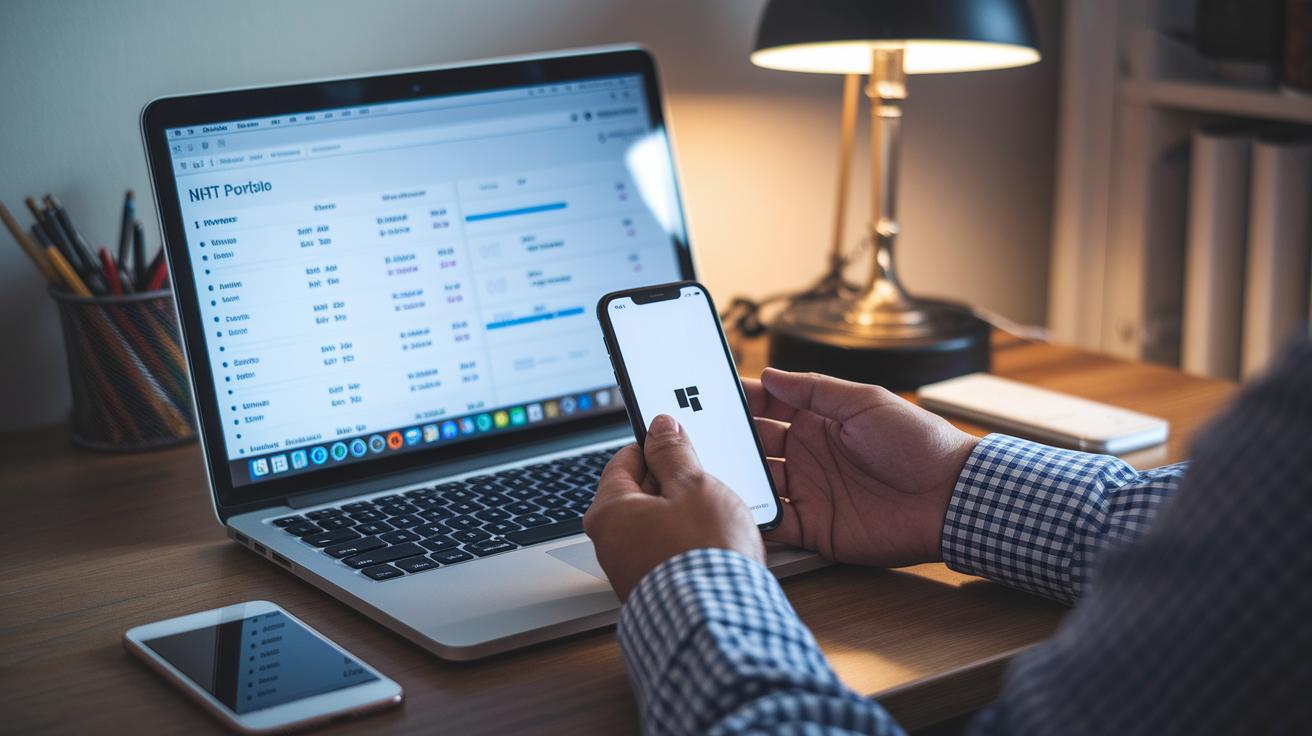
Storing your digital collectibles securely starts with picking the right wallet. Hardware wallets like Ledger or Trezor work a bit like your personal safe deposit box because they keep your keys offline and away from online threats. Software wallets, however, make it easier to access your assets since they stay connected to the internet. And if you want a quick overview of all your investments, NFT portfolio trackers like Rainbow or Zerion can help you keep things straightforward and secure.
There are some risks in the digital collectibles space, such as phishing sites and misleading contract approvals. These traps want to fool you into giving up personal info by pretending to be real websites or faking transaction details. Always double-check URLs and contract specifics, and use tools like the nft due diligence tool on a regular basis, sort of like making sure you locked your door before heading out.
Adopting best practices is really important in the world of crypto art. Back up your seed phrases offline, create unique passwords for every account, and always turn on two-factor authentication for an extra safety net. These simple steps can greatly reduce the risk of unauthorized access, keeping your digital treasures safe and sound.
NFT collectibles investment starter guide for beginners
NFT collectibles have value for a few simple reasons. When you check out these digital assets, look at things like how many copies exist (edition size), the token number (like being #1 of 50), and how well-known the creator is. These details give you a quick peek into how rare and appealing an NFT might be, making them great guides for your first investments.
Rarity is a big deal here. Collectibles that come in small batches or are made by a famous artist can catch more eyes. And it gets better, some NFTs offer extra perks like in-game features, special passes, or community benefits. Sometimes, these tokens even connect to real-world items like concert tickets or merchandise, which means you’re getting more than just a digital file.
Research is your best friend when you start your journey into crypto collecting. Dive into on-chain data to check things like trading volume, price history, and royalty details, which tell you how an NFT has performed. Also, keep an ear out on social channels like Discord and Twitter to see how active and excited the community is. This groundwork builds a solid base for your choices, so you feel more confident stepping into the world of digital art.
Future trends and next steps in NFT collectibles for beginners
New models like play-to-earn gaming NFTs (game assets that let you earn rewards as you play), NFT staking (locking up your digital items to earn extra rewards), and fractional ownership pools (sharing ownership of valuable digital assets with others) are really shaking things up. Some play-to-earn games even reward players with tokens that count both inside and outside the game – making earning digital treasures just as fun as collecting them.
Next, areas like metaverse art galleries (virtual spaces where digital art is shown) and interoperable digital assets (items that work smoothly across different platforms) are giving us fresh ways to enjoy blockchain art. Plus, community DAOs (groups that make decisions together) and governance tokens let beginners have a real voice in guiding project directions.
Looking ahead, the future of NFT collecting will mix creative ideas with easy-to-use tools. Beginners should check out platforms that score the rarity of NFTs, simple dashboards that show market trends, and welcoming Discord groups filled with tips for starting out in crypto collecting. With tokens now listed on places like eBay and even popping up in traditional auction houses, the world of NFT collecting is blending digital advances with familiar markets to become more engaging and easy to join.
Final Words
In the action, we broke down the essential steps of starting with nft collectibles for beginners. We touched on building your digital asset strategy through clear wallet set-up, marketplace insights, and basic buying and selling workflows.
We also spotlighted secure storage and smart evaluation techniques as you craft a solid investment portfolio. Each part of the guide offers practical tips for managing risk and spotting promising trends. The future looks bright as you get ready to build and diversify with confidence.
FAQ
Is NFT a good investment for beginners?
The idea that NFTs can be a good investment for beginners means they offer a way to explore digital art and blockchain technology, though they carry risks. Starting with small investments and learning the market is key.
How much is 1 NFT in dollars?
The query about how much one NFT is in dollars signifies that NFT prices vary widely—from a few dollars for some digital items to tens of thousands for rare collectibles. Price depends on creator, rarity, and current market trends.
Are NFTs worth anything anymore?
The notion that NFTs might not be worth anything anymore signals that many collectors still find value in unique digital assets. Market activity and creator reputation continue to play a big role in maintaining their value.
How do I start NFT as a beginner?
The inquiry on how to start NFT as a beginner means beginning with setting up a digital wallet, exploring trusted NFT marketplaces, and gradually learning through small transactions while researching market trends.
