
Have you ever wondered how safe your digital treasures really are? NFT collectibles are a lot like rare baseball cards, they need the right kind of care to stay secure from online threats. In this article, we explore your storage choices. You can opt for an online wallet that gives you quick access, or choose offline storage for extra security. We'll walk you through these simple options, helping you find the right balance between convenience and protection. Keep reading to learn smart ways to safeguard your valuable digital assets.
Storage Options for NFT Collectibles: Hot vs. Cold Solutions
NFTs are digital collectibles that prove you own special items on blockchains like Ethereum, Solana, Flow, and Tezos. Think of them like rare baseball cards that deserve extra care because of their unique history and value.
When it comes to keeping your NFTs safe, you have two main choices: hot storage (online) and cold storage (offline). Hot storage, such as a software wallet, lets you trade quickly, while cold storage methods keep your collectibles off the internet to ward off potential online threats. It’s all about balancing easy access with solid protection.
- Hardware wallets (cold storage)
- Software wallets (hot storage)
- Multisignature vaults (where more than one key is needed to access your assets)
- IPFS decentralized hosting (a network-based way to store files reliably)
- Arweave permanent archives (ensuring your data is stored forever, like a digital time capsule)
- Air-gapped offline devices (computers kept off the internet for added security)
Every option comes with its own trade-offs in terms of access, cost, and protection level. For example, using hardware wallets or air-gapped devices might mean you spend a bit more and deal with extra steps when accessing your NFTs, but they do a great job of keeping remote hackers at bay. On the other hand, software wallets and decentralized hosting make it easy and fast to trade, even though they come with a slightly higher risk. In short, choosing the right storage method is like picking the perfect tool for a job, you have to weigh the cost, ease of use, and how much you value protecting your digital treasures over time.
Hardware Wallets for NFT Collectibles: Setup and Best Practices
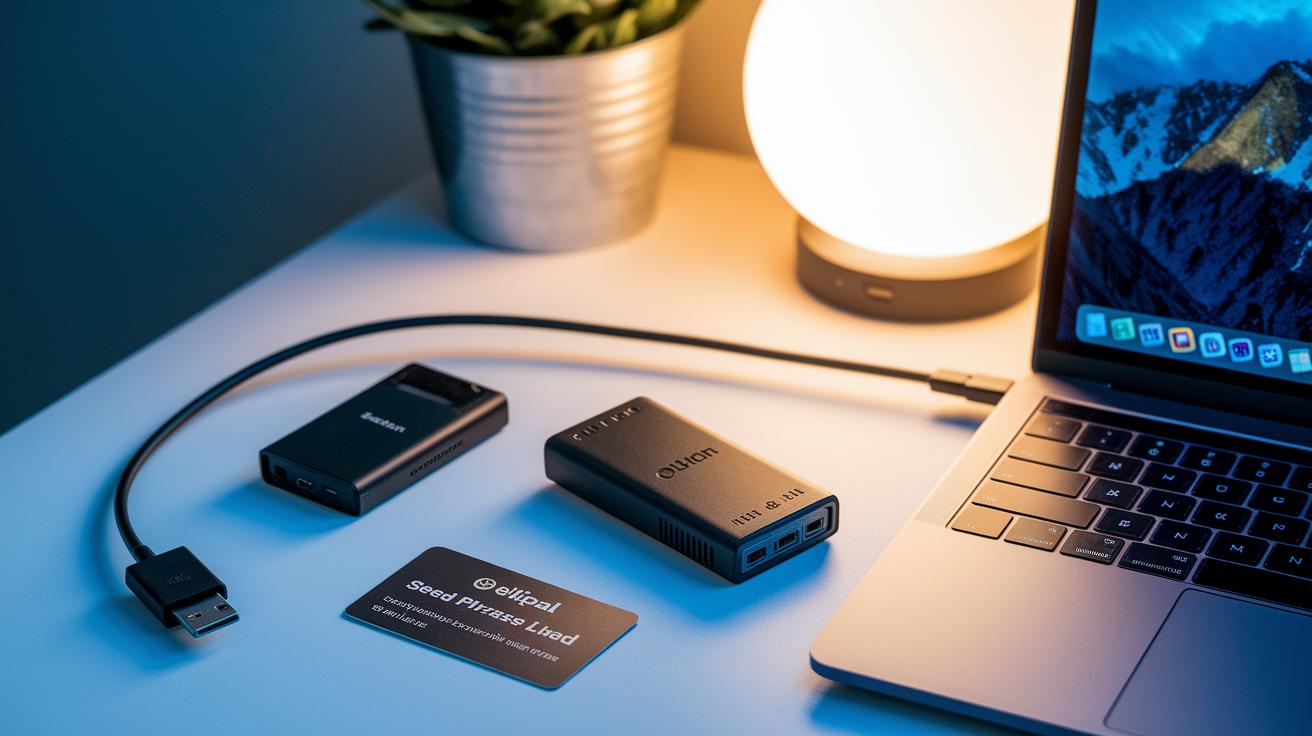
Hardware wallets are a favorite for storing NFTs over the long haul because they keep your secret keys offline in a piece of sturdy, tamper-proof gear. Devices like Ledger and ELLIPAL work with NFT standards on many blockchains and protect your digital collectibles from online dangers. Think of these wallets like a high-security safe for your prized digital items, giving you a secure home away from the risks of the online world.
Getting your hardware wallet up and running is a bit like following a trusted recipe for good security. First, plug your device into your computer and install the wallet app the maker provides. You’ll see it light up with instructions, much like a digital welcome sign guiding you along. Then, set up the wallet by creating a new seed phrase, which is a string of words that serves as a backup key. Write these words down on paper or save them on a metal backup device, and keep this copy somewhere safe, separate from your wallet.
It’s important to keep your hardware wallet updated by regularly installing the latest firmware to fend off new threats. Always store your device in a safe, physical place and protect your seed phrase by keeping it separate from the main hardware wallet. For instance, you might want to put your backup in a fireproof and waterproof container to ensure its security no matter what.
Software Wallets for NFT Collectibles: Risks and Management
Software wallets like MetaMask, Rainbow, and Phantom give you fast access and blend right into online marketplaces. They work much like checking your bank account online, letting you see and move your digital collectibles in a snap. But here's the thing: when you store valuable NFTs here, you're putting them online where bad actors can get at them. That’s why it's smart to keep only the pieces you actively trade in these wallets.
These wallets pack in security tools such as multifactor authentication (extra steps to confirm it's really you), browser isolation (keeping your online activities separate), and timers that lock extensions automatically. Using these is like adding multiple locks to your front door. Always open your wallet only on devices you trust, and don’t forget to turn on these security features to guard against phishing and unauthorized access.
For safer handling, try to limit what you store in your hot wallet to just the NFTs you need for trading. It also helps to regularly check any connected apps, clear out session data after you're finished, and review your wallet permissions. These steps might take a bit of time, but they keep your digital assets safer while still letting you enjoy the ease of using software wallets.
Decentralized Storage Protocols for NFT Collectibles

IPFS stands for InterPlanetary File System. It works by using content addressing, which means each file gets a unique ID based on what’s inside it. If even one tiny bit changes, the ID changes too. So, you always know you’re looking at the real deal. Users can "pin" files to keep them always available, kind of like bookmarking your favorite page in a book.
Arweave works a bit differently, it’s like a digital time capsule. With one one-time fee, your data is stored permanently across many computers. This way, your NFT’s files and details stay online forever, almost like having your own digital archive. Imagine engraving your digital asset’s history in stone so it lasts and stays true.
Smart contracts on the blockchain add another layer of security. They store a content identifier that links back to the decentralized file. This lets anyone check the blockchain to see that the NFT is genuine, much like having a digital notary to confirm its authenticity and keep its history safe.
Security Measures for NFT Collectibles: Key Management and Authentication

Keeping your private keys safe is the heart of protecting your NFTs because if you lose them, you lose your digital collectibles for good. Using special hardware devices to store your keys offline means they stay out of harm's way from online risks. This extra layer of protection works like a digital safe, guarding your unique assets.
It’s just as important to set up strong security practices for everyday use. Turning on multi-factor authentication (extra steps to verify it’s really you) and checking each transaction before you sign can keep unwanted changes at bay. It’s a smart idea to regularly review the apps (dApps) and system permissions connected to your wallet. For more details on strong security layers, you can check out nft risk management. These steps, along with solid encryption (methods to scramble data so that only you can read it), create a tough shield for your digital collectibles.
Regular check-ups are key to staying ahead of new risks. Keep an eye on smart contract updates, clear out old approvals, and routinely review wallet permissions to catch any weak spots early. This careful routine helps keep both big-ticket and everyday NFTs safe, even when risks change. Writing down your security checks can help you continuously improve how you manage your NFT assets.
Backup and Recovery Strategies for NFT Collectibles
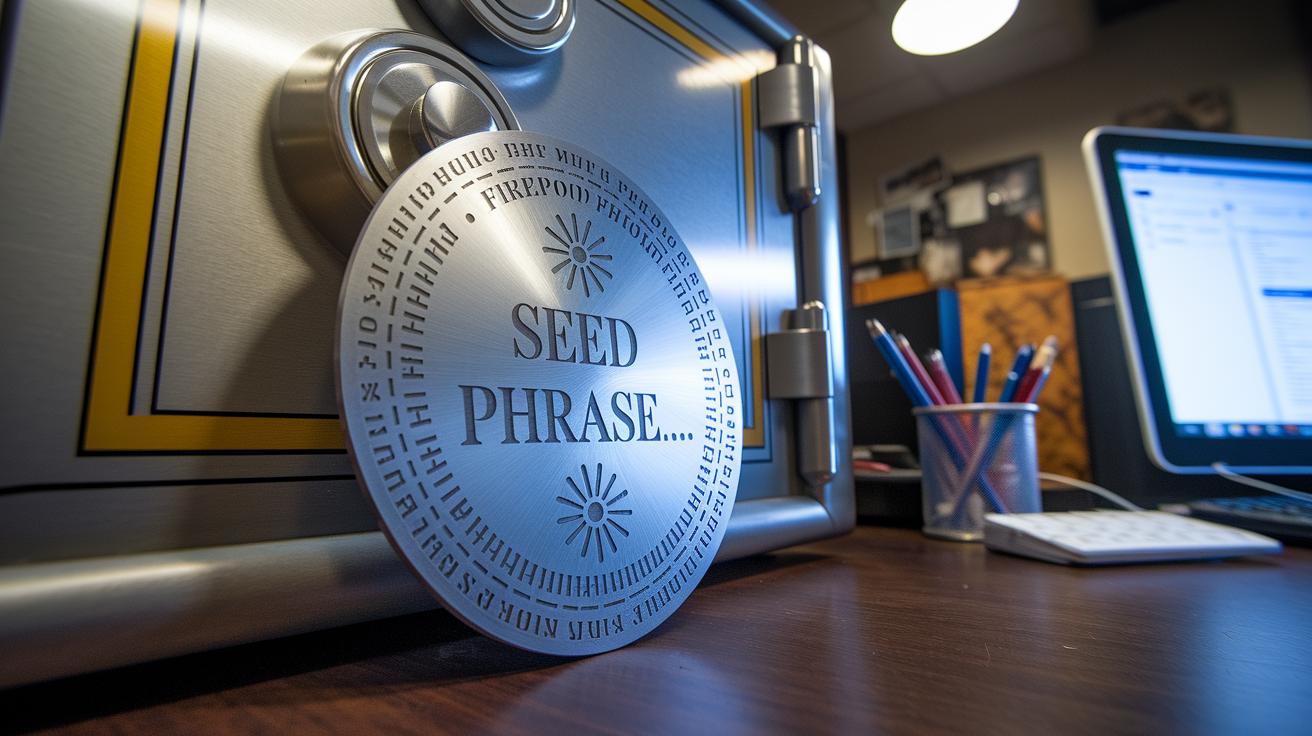
When you're protecting your digital treasures, it helps to treat your seed phrase like a secret key. Your seed phrase is a string of words that gives you access to your NFT wallet. A neat way to keep it safe is by engraving it on a metal plate or using a technique like Shamir’s Secret Sharing (which splits your key into parts that must come together). Picture this: you etch your key on metal and then stash it in a fireproof safe. Keeping extra copies in different locations lowers the chance of losing everything if one spot is compromised.
Testing how you can recover your wallet is just as important as making solid backups. Think of it like practicing a fire drill for your finances. Run through the steps, from logging into your wallet to getting your assets back, and take notes as you go. This practice run not only builds your confidence but also helps you spot any weak links in your recovery plan.
Long-term security is all about keeping good records. Write down details like wallet addresses, purchase histories, and any legal documents related to your NFTs. Consider your documentation as a roadmap that guides you through unexpected challenges. By updating these records regularly, you create a reliable plan that ensures your recovery tactics stay strong and effective over time.
Final Words
In the action, the blog post explored various options for protecting your NFT collectibles. We broke down the benefits and trade-offs of both hot storage and cold storage. You saw how hardware wallets, software wallets, decentralized protocols, and methodical backup practices work together to keep your assets safe.
By considering these practical strategies, you get clear insight into how to store nft collectibles while balancing ease, cost, and protection. The outlook is promising and sets you up for smarter, secure investing.
FAQ
How to store NFT collectibles long term and how do you store an NFT?
Storing NFT collectibles long term involves using secure options like hardware wallets and decentralized storage. It means keeping private keys safe while balancing active use with offline protection for enhanced security.
What is the best wallet for NFT?
The best wallet for NFT combines high security and ease-of-use. Many users favor hardware wallets for long-term storage and software wallets like MetaMask for everyday trades, offering a mix of security and convenience.
What is OpenSea?
OpenSea is a popular online marketplace where buyers and sellers trade digital collectibles. It connects creators with collectors and allows easy browsing, purchasing, and showcasing of various NFTs on a secure platform.
Why is external storage often used for data storage for NFTs?
External storage is used because it avoids risks tied to single points of failure. By using decentralized systems, NFT metadata stays accessible and secure, which helps maintain the long-term availability of digital assets.
What is Magic Eden?
Magic Eden is a well-known NFT platform that allows digital asset trading and collecting. It offers a user-friendly interface and supports various blockchain networks for smooth and secure transactions.
What is MetaMask?
MetaMask is a widely used software wallet that stores NFTs and cryptocurrencies. It helps users securely manage their digital assets and easily connect to different NFT marketplaces through its browser extension.
What is an NFT marketplace?
An NFT marketplace is an online venue where digital collectibles are bought, sold, and traded. It simplifies transactions between creators and collectors, using blockchain technology to verify ownership and ensure secure trades.
Where can I find an NFT platform list?
An NFT platform list is a curated selection of websites and apps that offer NFT trading and showcasing services. It helps collectors review different platforms based on security, usability, and community engagement.
Why are NFTs no longer popular?
NFTs have seen a decline in popularity due to market fluctuations, evolving investor interests, and ongoing regulatory concerns. This shift has led some collectors to explore alternative digital assets over time.
What do you do with an NFT once you own it?
Once you own an NFT, you can display, trade, or hold it as a collectible. Its purpose varies from personal enjoyment and digital art curation to active trading in online marketplaces.
