
Ever wonder why some NFTs grab attention while others are left on the sidelines? NFTs (non-fungible tokens, or unique digital items) aren’t just digital art, they hold many layers of value that you can measure in different ways.
In this friendly chat, we’ll walk you through simple investment hints that help reveal an NFT’s true worth. We’ll cover aspects like scarcity (how rare an NFT is), its earnings potential, market trends, and more.
Stick with us as we explore the puzzle of NFT valuation. When you mix and match these methods, you start to see the full picture of what each token really can do.
nft valuation methods: Smart Investment Metrics

Valuing NFTs can be a bit like solving a puzzle because their worth comes from verified digital ownership rather than just the asset itself. Experts mix different methods to capture the unique details, market mood, and future earnings potential of each token. This blend offers a clearer view of what might come next.
Looking at NFTs from several viewpoints gives investors a more complete picture. One method might consider how rare a token is, while another checks its potential to bring in royalties. No single approach tells the whole story. Imagine judging a collectible solely on its rarity, it helps, but knowing its market history and the creator’s reputation fills in the gaps. Fun fact: Some collectors pay more for an NFT simply because the artist once created a viral piece, which sparks extra market buzz!
- Scarcity Economics: This method checks if value rises when there are few tokens available and steady demand.
- Utility & Discounted Cash Flow: Here, future earnings (think royalties) are estimated and then translated into today’s dollars.
- Market Comparables (floor & average price): This compares a token’s price with the collection’s lowest and average sale prices.
- Liquidity Metrics (transaction volume): Frequent trades show active buyer interest.
- Creator & Provenance Factors: The artist’s reputation and notable past owners can boost a token’s value.
- Technical & Storage Considerations: How a token is minted and stored can affect how easily it can be used and its overall cost.
By combining these methods, you get a balanced estimate that mirrors both the present market trends and long-term potential. It’s much like putting together a well-rounded investment portfolio, where every detail matters in painting the full picture.
Theoretical Appraisal Techniques in NFT Valuation
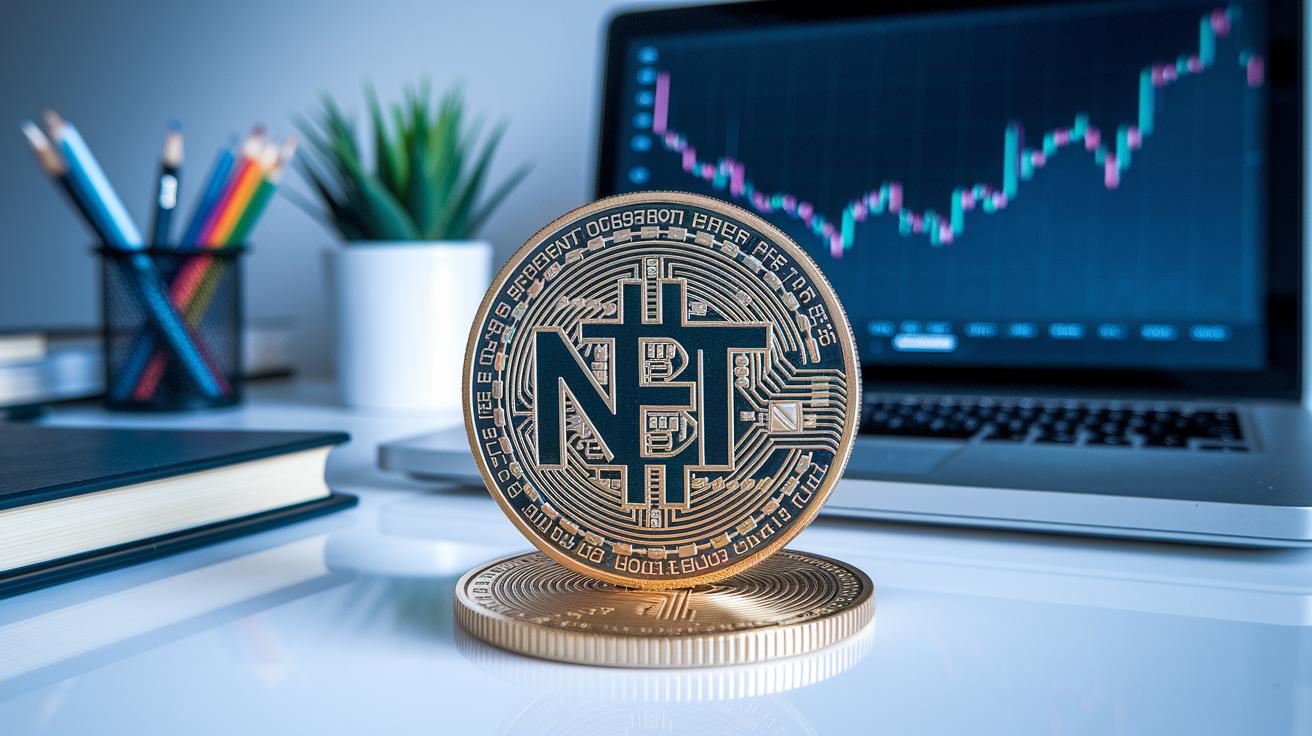
We look at methods like discounted cash flow, kind of like estimating future royalties similar to today’s rental income, and market comparables, which check the floor and average sale prices. These approaches blend with other factors like scarcity, liquidity (that is, how quickly you can turn an asset into cash), and the creator’s reputation to create a complete picture of an NFT’s value.
Picture the discounted cash flow method as imagining a token that earns regular royalties; its present value is calculated much like figuring out the current worth of future rent payments.
Rarity Scoring Frameworks & Scarcity Economics for NFTs

Rarity is a big deal when figuring out NFT value. When only a few tokens exist, they tend to be more prized, much like rare collector items. Scarcity economics is pretty straightforward: if supply drops while demand stays steady, prices go up, similar to the way fine wines become more valuable over time.
In NFTs, rarity isn’t determined by a single trait. It comes from a mix of each unique detail and the overall supply, creating a value index. Think of it like a vintage toy that feels extra special because only a few were ever made.
| Metric | Description | Calculation |
|---|---|---|
| Supply Count | Total tokens minted | Raw supply number |
| Trait Uniqueness | Rarity of individual attributes | Inverse frequency weighting |
| Edition Number | Sequence position in series | Ordinal value |
| Composite Rarity Score | Aggregate of trait-weighted scarcity indices | Weighted sum of trait scores |
Using these measurements within a broader pricing model helps investors get a clearer picture. Rarity scoring frameworks offer a down-to-earth way to blend the charm of uniqueness with solid, objective numbers.
Market Dynamics & Liquidity Models for NFT Price Discovery

Every tick of the clock, live market data shapes how NFT prices are set. One big clue is transaction volume. When tokens flip hands quickly, it shows they’re easy to convert into cash. Both sellers and buyers watch this hustle to decide if a price is too high or a steal.
Active sales on the secondary market add even more strength to liquidity. By comparing an NFT’s price with its collection’s basic floor or average sale price, investors get a clear hint if it’s overpriced or underpriced. Trading volume analytics, a simple way to track how much is being traded, shed light on current demand. Experts mix these numbers with wider trends, like swings in cryptocurrency prices, to grasp NFT values, especially when markets are a bit wild.
Market trends in digital tokens can shift quickly, making real-time data a reliable guide for setting prices. Watching both liquidity figures and secondary sales helps investors make decisions they can trust. This blend of information paints a fuller picture of market mood, highlighting fresh opportunities or suggesting caution. In short, solid volume data is key for smart, consistent investment moves.
Qualitative & Quantitative Metrics Influencing NFT Valuations
When we look at NFTs, a few key numbers help paint a clear picture of their value. Among these are the number of unique owners, how often a sale occurs, and what the average sale price turns out to be.
Unique owner count gives us a snapshot of how many different people hold a token. In simple terms, a high count means that ownership is widely spread out, which can lower the risk if one person holds too much. For instance, one collection saw its owner count jump to 1,200, showing strong appeal and a broad base of investors.
Sales frequency tells us about the hustle in the market. If tokens are changing hands several times in a single day, it’s a sign that buyers are keen on them. Imagine seeing tokens being traded every few hours, it clearly speaks to a lively and active market.
The average sale price sets a baseline for how much people agree the tokens are worth. When this number steadily climbs, it usually means that confidence in the asset is growing. For example, when the average price moved from $50 to $75 in just one month, it marked a boost in trust among buyers.
| Metric | Impact on Valuation |
|---|---|
| Unique Owner Count | Shows how broadly tokens are distributed, hinting at lower risk if many investors hold them |
| Sales Frequency | Reflects how active the market is and how easily tokens can be turned into cash |
| Average Sale Price | Tracks market agreement on token value, with rising prices signaling increased investor confidence |
Algorithmic & Data-Driven Pricing Models for NFTs

Automated valuation platforms are changing how we figure out NFT values by using solid data and smart algorithms. They pull details like average sale prices and total sales within a collection to quickly give you an idea of what an NFT is worth right now. Imagine a system that goes through thousands of transactions, piecing together a value that truly reflects the market’s heartbeat. It’s a lot like a watchful clock that updates NFT prices with every new sale, past trends, and hints of what might come next.
Big enterprise tools now use these smart pricing models to gather data from many blockchain networks (blockchain is a secure, digital ledger). They track every trade, every item listed, and every burst of activity, creating a pricing system that is always current. These systems dig deep into blockchain data to catch even the tiniest shifts in the market. In short, with clever market analytics at the wheel, investors can enjoy a real-time, automated breakdown of NFT prices that captures the lively energy of digital transactions.
Comparative Analysis & Practical Guidance for NFT Investors

When it comes to figuring out NFT values, each method shares a piece of the puzzle, but no single way tells the whole story. Scarcity models show us how rare an NFT might be, market comparables let us see how one stacks up against others, and utility-based techniques look at the actual benefits you might get. Each approach has its own strengths and limits, and when you combine them, you can smooth out the bumps of market swings and data gaps.
Ever notice how quickly crypto prices can change? That’s why it makes sense to mix different methods. For example, if an NFT collection appears consistently scarce but the market is choppy, leaning only on scarcity might steer you wrong. By adding market data with forecasts like potential royalty earnings, you get a clearer picture. This way, you can spot whether a token is priced too low or too high compared to overall market trends.
It also helps to keep track of simple things like transaction volume, as it gives you an idea of how quickly an NFT can be converted to cash, and to keep an eye on the creator’s track record. Combining these insights supports smarter portfolio management while keeping your risk in check. For more hands-on tips about NFT investing, check out nft investing for resources you can start using right away.
Final Words
In the action, this article broke down core ideas behind digital asset pricing and provided clear assessments of various approaches.
We looked at six key methods, from scarcity economics to liquidity metrics, and explored analytical techniques feeding into solid price estimates.
The discussion also ventured into market dynamics and algorithmic models, showing how real-time data supports sound decisions.
By blending these insights and nft valuation methods, building a secure digital asset portfolio becomes more achievable and inspiring.
Keep these approaches in mind as you mix data insight with practical market wisdom.
FAQ
What does NFT valuation methods pdf offer?
The NFT valuation methods PDF explains key techniques like scarcity economics, market comparables, liquidity metrics, and more, giving you a clear guide on assessing digital asset values.
What are NFT valuation methods 2022?
NFT valuation methods in 2022 highlight approaches such as scarcity, utility assessments, market reviews, liquidity statistics, and creator backgrounds, providing investors with varied tools to gauge digital value.
What are the best NFT valuation methods?
The best NFT valuation methods combine scarcity, utility models, market comparables, liquidity metrics, provenance insights, and technical evaluations to offer a well-rounded approach for understanding price and investment potential.
What is the NFT valuation model?
The NFT valuation model integrates several metrics—from scarcity evaluations and market price comparisons to creator reputation—to form a framework that estimates the digital asset’s fair value.
How to determine the price of an NFT?
To determine an NFT’s price, you review market data, liquidity figures, rarity scores, and creator credentials, ensuring both numerical analysis and qualitative factors are considered.
Are NFTs worth anything anymore?
NFTs still hold worth based on uniqueness, proof of ownership, and market demand, though value can shift with trends in digital investment and collector interest.
What NFT lost the most value?
An NFT that lost the most value generally shows steep drops in market demand and liquidity, reflecting changes in investor sentiment and market volatility over time.
