
Have you ever wondered why people say the crypto market never sleeps? It’s true. The market keeps going all day and all night, letting anyone trade digital tokens whenever they feel like it.
In this article, we’ll break down how this nonstop system works. We’ll show you how everyday investors can join this global exchange without needing a bank as a middle man.
Every digital trade adds a beat to the busy rhythm of this market. Each transaction is a part of a lively story that unfolds around the clock.
So, get ready to explore what makes this market both exciting and full of promise.
Overview of the Crypto Market Landscape
The crypto market is like a bustling town that never closes. It runs all day, every day, so trading and price changes happen at any hour. This nonstop buzz lets you watch market shifts in real time, almost like feeling the steady beat of digital transactions. Imagine a market that stays open 24/7, where people around the world are always swapping unique digital tokens.
Each coin and token in this world has its own special job. Some are used for everyday purchases, while others help run smart apps or bring in key data using oracles (tools that bring outside info into a secure digital record). This mix makes the world of digital coins both varied and lively.
There’s no central boss here, which means anyone with an internet connection can join in. People all over the globe can buy, sell, or hold tokens directly, without dealing with traditional bank hassles. Many beginners compare these tokens to regular money, which makes starting out in digital finance feel a bit more familiar.
This always-open, easy-access setup has opened the door to a whole new way of investing. Transparency and a sense of freedom guide every move in this market, letting investors take control and feel more empowered with each trade.
Core Elements in the Crypto Market Ecosystem

Imagine the crypto world as a bustling marketplace where every trade is recorded on a shared digital notebook. Digital transactions use distributed ledgers, a secure record system spread across many computers (nodes) that work together to keep track of every move. This open recordkeeping builds trust, even without a central bank running the show.
Cryptocurrencies come in different flavors when it comes to supply. Take Bitcoin, for example: it has a cap, so there will only ever be 21 million coins. Other cryptocurrencies keep making new tokens over time. A set supply can point to scarcity, making each token feel special, while an endless supply might offer a more flexible feel.
Mining plays a key role in keeping the network ticking. It’s like a race where powerful computers solve tricky puzzles to confirm transactions. When they crack the code, new coins sometimes join the system as a reward. This process keeps everything running smoothly, making sure every trade is recorded just right.
The price of digital coins isn’t a wild guess, it comes from a blend of supply and demand, the overall market mood, and even broader economic trends. These elements all mix together to decide how much each token is worth.
Key components of this ecosystem include:
| Element | Description |
|---|---|
| Distributed ledger technology | A secure way to record transactions using multiple nodes. |
| Supply models | Fixed supplies (like Bitcoin’s 21 million coins) or endless models that shape token availability. |
| Consensus mechanisms | Methods that help all nodes agree on the history of transactions. |
| Mining processes | Ways to validate transactions and introduce new coins into the system. |
| Market-driven price formation | Prices set by supply, demand, and overall market sentiment. |
All of these building blocks come together to form a strong and ever-changing crypto market, much like the steady pulse of digital transactions we see every day.
Crypto Market Trading Mechanics
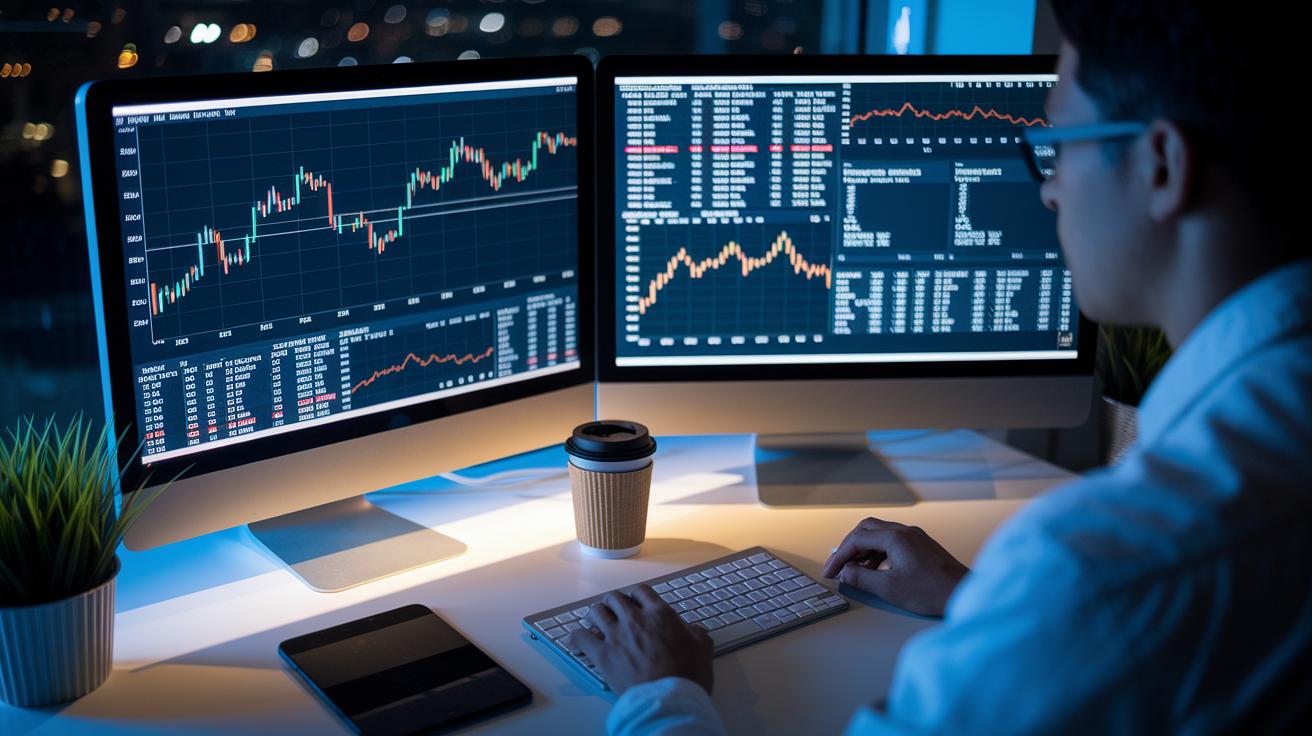
Crypto trades happen around the clock on both centralized and decentralized platforms. Picture placing an order late at night and watching it go through in real time – that’s the daily reality of an always-active market.
On many major exchanges, orders are managed using an order book. This system quickly matches buyers with sellers. You can jump in with a market order, which buys or sells immediately at the current price, or set a limit order. Think of a limit order like saying, "I’ll buy if the price dips to $20," and it just waits its turn until that price is met.
Trading volume measures the number of coins exchanged in a day. When the volume is high, it means there’s plenty of liquidity – lots of buyers and sellers are active – which helps keep drastic price swings at bay. In short, a busy market tends to have tighter spreads and more stable prices.
Key points to consider:
- Trading platforms run 24 hours, giving you endless opportunities.
- Order books use both market and limit orders to match trades.
- Daily trading volume acts as a sign of liquidity.
- Prices may vary across platforms because of differences in fees or local demand.
Leading Platforms in the Crypto Market

When it comes to crypto trading, big names like Binance, Coinbase, Huobi, and OKX are your go-to hubs. These centralized exchanges let you explore over 300 cryptocurrencies and more than 1,000 trading pairs. They also offer handy tools like wallet services, price alerts, and portfolio analytics that help you track market moves. Plus, they work with banks so you can easily deposit and withdraw traditional cash.
On the flip side, decentralized exchanges such as Uniswap and PancakeSwap take a different path. Using smart contracts (self-executing agreements written in code) and liquidity pools (bundles of assets used for trading), these platforms let you trade directly with others without giving up control of your funds. This means you stay in charge of your assets, and many decentralized exchanges also offer cool features like advanced order types, staking options, and savings plans for those who want a bit more privacy and control.
When choosing the right platform for your trading needs, keep a few things in mind. Think about factors like trading fees, security features, ease of use, and the extra tools offered. Here’s a quick checklist to help you decide:
- Trading fees and overall costs
- Security measures and how your funds are managed
- User-friendly design and platform layout
- Additional features like staking, price alerts, and portfolio insights
Each type of platform has its perks. Centralized exchanges might give you faster transactions and detailed analytics, while decentralized ones offer more personal control over your digital assets.
Crypto Market Metrics and Performance Indicators

Market capitalization is like a quick snapshot of a coin's overall value. You get it by multiplying the coin’s current price by the number of coins in circulation. So if one coin is $10 and 1 million coins are out there, that's about $10 million in total value. This helps you see how big or small an asset is and what kind of risk it might carry.
Coins usually fall into three groups: large-cap, mid-cap, and small-cap. Large-cap coins (over $10 billion) tend to be steadier, while small-cap coins (under $1 billion) can swing a lot more, making them riskier but sometimes offering higher rewards.
Trading volume tells you how many tokens are traded in a 24-hour window. It measures how active the market is and how easy it is to buy or sell without changing the price too much. Think of it as the pulse of the digital asset space.
Volatility, measured by checking how much the price changes day to day, gives you an idea of how unpredictable a coin might be. Often, the smaller coins experience more frequent and wild price changes.
Key points include:
| Key Metric | What It Reveals |
|---|---|
| Market capitalization | Size and risk level of the coin |
| Trading volume | Market activity and liquidity |
| Volatility | How erratic price movements can be |
Investors use these insights like ingredients in a recipe. By combining the predictability of large-cap coins with the potential high returns of mid- and small-cap tokens, they aim to build a balanced portfolio that suits their appetite for risk. Isn't it interesting how these numbers come together to guide your investment strategy?
What is the Crypto Market: Exciting Insights

The crypto market isn’t just about trading tokens. It’s a lively world filled with trends, risks, and security challenges that keep investors alert. Market ups and downs, sparked by new technology, shifts in the economy, and changing investor moods, create a space where fortunes can turn in a blink. For instance, small tokens can jump more than 20% in one day, a surprising fact that might cause even careful investors to change their game plan.
Market moods can change as fast as the weather, which means every trade comes with its own risk. You might face issues like market manipulation or sudden drops known as flash crashes, especially on platforms with less activity. Sometimes, low trading volume can make a token seem more valuable than it truly is. And, of course, there are security threats, such as hacks on exchanges, that remind us how important it is to keep our assets safe.
Here are a few simple ways to protect your digital assets:
- Use hardware wallets. They store your funds offline, reducing the risk of online attacks.
- Enable two-factor authentication. This adds an extra layer of security when you log in.
- Employ multi-signature custody solutions. With these, more than one approval is needed before a transaction goes through.
- Regularly check the performance and reputation of your exchange, since some platforms might be more prone to sudden crashes.
Regulations also shape the crypto market. Different regions have their own rules, like KYC (verifying customer identities) and AML (preventing illegal money flow) requirements, plus specific licensing needs for exchanges. What works in one country might need to be adjusted in another. While these legal factors can bring extra challenges, they also offer structure and build trust in an always-active market.
In short, investors need to understand these trends and be ready for ups and downs. The crypto market’s ever-changing nature brings both challenges and excitement, inviting everyone to stay informed and agile.
Final Words
In the action, this article broke down the crypto market landscape, covering decentralized currencies, digital coin ecosystems, and the nuts and bolts of blockchain finance. It looked at trading mechanics on different venues, compared top platforms, and shared key performance indicators alongside risks and security practices. These insights form a clear picture for making informed, diversified choices while building a robust digital asset portfolio. Remember, understanding what is the crypto market can empower you to make smarter, secure investment decisions.
FAQ
What is the crypto market for beginners?
The crypto market for beginners introduces a decentralized digital asset system that operates non-stop, allowing anyone to trade, hold, and learn about various tokens without relying on middlemen.
What is crypto trading?
Crypto trading means buying and selling digital tokens on online platforms using different order types like market and limit orders, all happening around the clock as prices shift with demand.
Why is cryptocurrency perceived as risky?
The view on cryptocurrency being risky arises from its high price volatility, potential security vulnerabilities, and instances of market manipulation, factors that can worry new users when managing money.
What is cryptocurrency?
Cryptocurrency is a form of digital money that uses secure codes and decentralized ledgers to record transactions, enabling users to transfer and store value without traditional banks.
How do you invest in the primary crypto market or in cryptocurrency?
Investing in crypto means starting with a trusted platform, buying tokens either at their initial offering or on exchanges, and beginning with modest amounts while learning market trends.
How do you trade cryptocurrency and make a profit?
Trading crypto profitably involves studying market movements, using various order types, carefully managing risk, and selecting platforms that offer tools to inform smarter decision-making.
Is cryptocurrency safe?
Cryptocurrency safety relies on using secure platforms, strong protection measures like hardware wallets and two-factor authentication, and remaining alert to market volatility and online threats.
How does the crypto market work?
The crypto market works as a continuous exchange where digital assets are traded 24/7, with prices driven by the balance of supply, demand, and investor sentiment in a decentralized system.
How much is $1 in cryptocurrency today?
The value of $1 in cryptocurrency constantly changes with market conditions, so it is best checked in real-time on trusted trading websites or market trackers.
Can you make $100 a day with crypto?
Making $100 a day in crypto is possible but not guaranteed; it typically requires skillful trading, careful risk management, and a deep understanding of market movements.
How does crypto generate income for investors?
Crypto can generate income by letting investors profit from price fluctuations, staking rewards, or mining returns, which all contribute to earnings when digital assets increase in value.
What is a crypto trading app?
A crypto trading app is a mobile tool that enables users to monitor market trends, execute trades, and manage their digital asset portfolios securely wherever they are.
What is a crypto account?
A crypto account is an online wallet or exchange registration that allows users to store, trade, and track their digital currencies safely with secure access and transaction features.
How do you buy cryptocurrency?
Buying cryptocurrency involves creating an account on an exchange, completing identity checks, depositing funds, and placing orders to purchase tokens at market or specified prices.
What is a crypto trading platform?
A crypto trading platform is an online service where buyers and sellers exchange digital tokens, offering tools like varied order types and market analytics to help users manage trades effectively.
How do you engage with crypto markets?
Engaging with crypto markets means learning about digital currencies, using secure apps or accounts to trade, and staying informed about current trends to make well-informed decisions.
