
Can tariffs really boost investor confidence? When news of higher fees (tariffs are extra taxes on imported goods) hits, stocks can tumble quickly, much like a roller coaster drop. But sometimes, these surprises open up new doors for investors who know where to look.
Imagine a supplier trying to handle extra costs as if walking a tightrope, carefully balancing risks and rewards. As companies adjust prices and fine-tune their plans, the market shifts in an instant. In short, sudden tariff announcements mix uncertainty with hidden opportunities in the stock market.
How Tariffs Drive Stock Market Volatility

Tariff announcements can shake up the market in a flash. When the news hit on April 2, U.S. stock prices fell hard while the risk gauge, the VIX Index (a measure of market uncertainty), nearly touched levels not seen in five years. Experts note that such quick, sharp moves often follow surprising news.
Higher tariffs mean companies pay extra for goods coming from abroad. This extra expense forces them to choose between shrinking their profit margins or hiking up prices for customers. For instance, picture a supplier suddenly facing a 10% tariff, it might either absorb the extra cost or pass it on with higher prices, each choice putting pressure on demand. In one case, a local manufacturer had to scramble to change its pricing strategy overnight, sparking a ripple effect through its supply chain. Such cost pressures can chip away at consumers’ ability to spend, leading to more unpredictable market swings.
Investor confidence tends to wobble when these sudden tariffs hit. Many investors become cautious, not knowing how long the extra costs will stick around. This uncertainty often leads to reduced spending and sharper ups and downs in the market. Some active traders watch these shifts closely, sometimes spotting opportunities in the rapid price moves, even as they tread carefully amid ongoing trade policy changes.
Mechanics of Tariffs and Stock Market Reactions
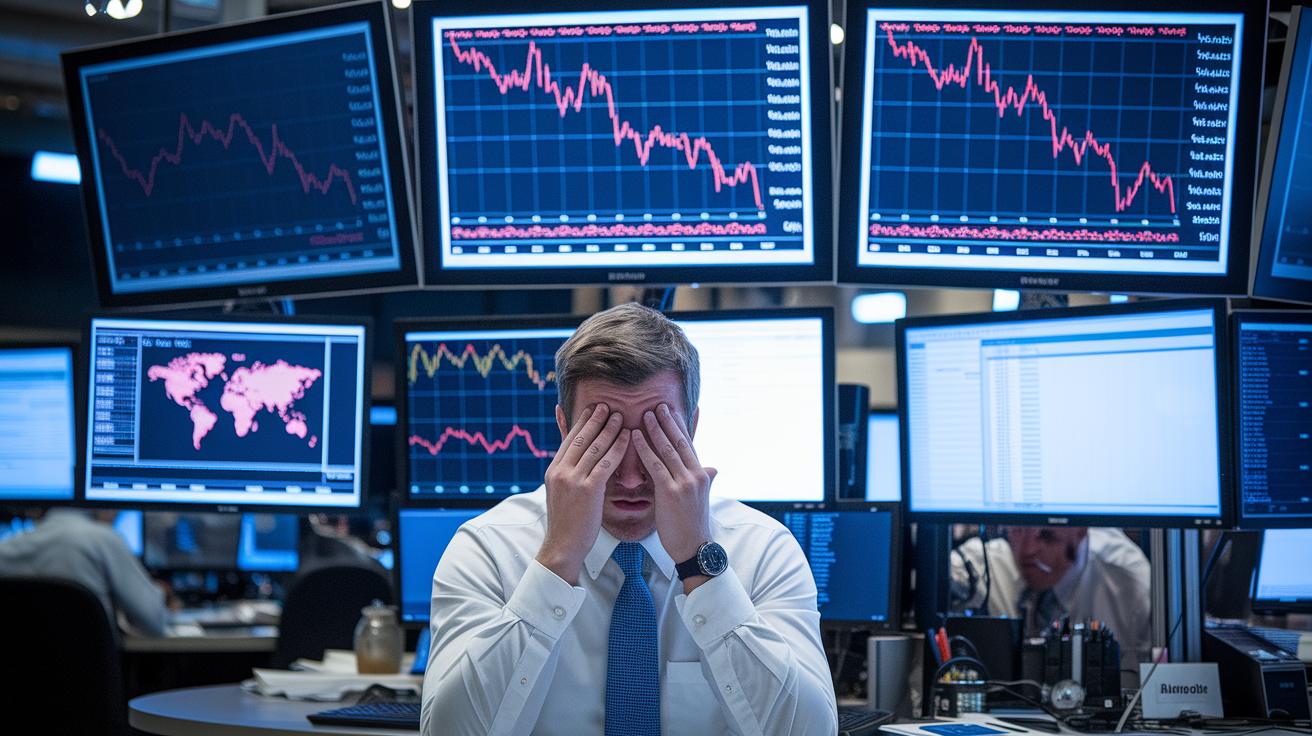
Tariffs are extra charges added to goods coming from abroad to help cover government costs. Recently, the U.S. announced a 10% tariff on imports. This fee was revealed on April 2, went into effect on April 5, and then, just a few days later on April 9, other countries started to respond with their own tariffs. Companies found themselves in a quick dilemma: absorb the extra cost and squeeze their profits, or pass the cost on to customers, which made investors quickly rethink their risk.
| Date | Tariff Details | Immediate Market Reaction |
|---|---|---|
| April 2 | 10% tariff announced | Market values fell sharply |
| April 5 | Tariff went into effect | Investors quickly reassessed their risks |
| April 9 | Other countries imposed reciprocal tariffs | Global market volatility started to rise |
These events show us just how quickly the market can react to new tariffs. Even a short-term policy change can force companies and investors to face a lot of uncertainty. It reminds me of how sometimes a surprising fact can change everything, just like the time Marie Curie unknowingly carried dangerous materials with her. In a similar way, these tariff moves, though brief, made everyone rethink their next steps in the market.
Global Stock Market Responses to Tariff Policies
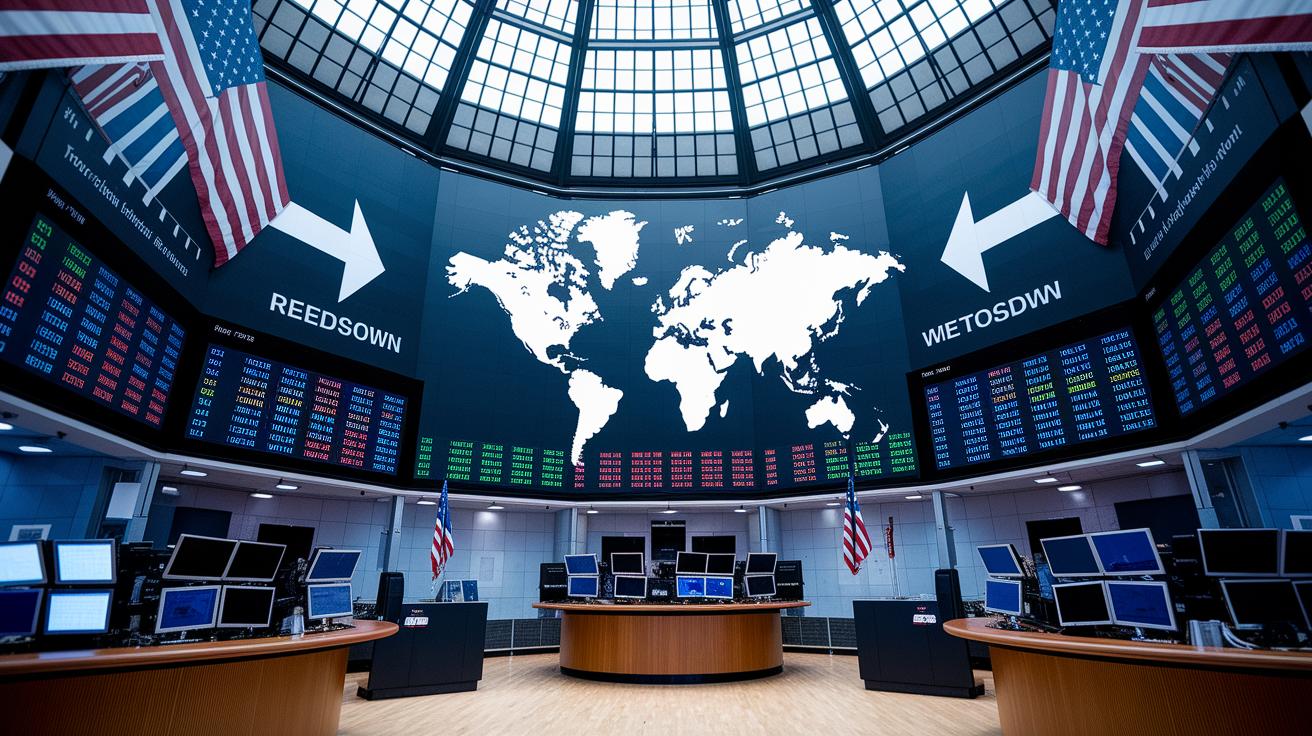
It's interesting how each country plays the trade game in its own way. For example, in 2024, only 2.3% of China's GDP came from U.S. exports, and just seven other nations have over 10% of their GDP tied up in U.S. trade. This tells us that lots of countries aren’t heavily affected by U.S. tariffs, which in turn changes how their markets react.
Take Mexico and Canada, for instance. They have some local perks that help them stay strong when tariffs go up. Exemptions in their trade agreements have lifted their economies, and both nations saw stock gains of more than 20% this year. Investors there enjoyed steady performance even as the rest of the world adjusted to new cost pressures.
Countries like the U.K., India, ASEAN, and Brazil are taking a different approach. They are actively seeking new free-trade agreements to lessen their dependence on the U.S. market. By forming fresh trade partnerships, these countries are finding ways to protect their stock performance, and that gives investors a boost of optimism when dealing with tighter trade barriers.
Investor Strategies for Tariff-Impacted Stock Markets

When trade tensions heat up, it's common to see investors start to worry. Tariffs, which are taxes on imports, can push up costs and shrink profit margins, making markets feel unpredictable. Instead of trying to catch every tiny change, many experts say it’s smarter to keep your portfolio balanced with a mix of different investments.
- Spread your investments across asset classes that don't usually move in the same direction. This uncorrelated mix can help lower risk.
- Look more at sectors that tariffs affect less, so you’re not hit too hard if costs rise.
- Consider adding commodities and precious metals. They can act like a safety net when other parts of the market feel shaky.
- Think about floating-rate debt. This type of debt changes with market rates and can help keep up when inflation is on the rise.
- Hold onto some cash. Having a cash reserve gives you the freedom to jump on new chances when they come up.
Sticking to a disciplined, long-term plan can really pay off when tariffs shake things up. Relying on tried and trusted investment analysis techniques can give you a clear picture of how your assets are performing. This approach helps smooth out the bumps when tariff rates jump suddenly. In short, focusing on a well-diversified portfolio and long-term growth can keep you on track even when short-term market swings try to shake your confidence.
Economic Forecasts for Stock Markets Amid Tariff Changes

Economists think 2025 might show slower growth in our economy because new tariffs put a squeeze on both company profits and what people spend. Even though import fees have risen, they haven't yet caused major jumps in prices or huge drops in corporate earnings. There's even a hint that by 2026, things could pick up again, sparking renewed hope among investors.
Before prices start to climb too high, companies and consumers are acting smart by building up inventories and making early purchases. This early play has helped ease the immediate impact of the tariffs. Firms have had some room to adjust how they work and tweak their strategies, which has kept the market from taking a harsher dive. Still, it really all hinges on how strong these tariffs turn out to be and exactly how long they stick around.
Investors are keeping an eye on a few key things: how companies are doing, changes in what people buy, and what happens with rising prices. These signals are like checkpoints that help us understand if the market can rebound. As businesses work to adjust to these tariff policies, watching these indicators will be crucial in figuring out the next steps for the stock market.
Sectoral Impacts of Tariffs on Stock Market Performance

Tariffs really hit manufacturers hard. They raise the cost of raw materials and parts, making it more expensive to produce goods. Companies then have to make a tough choice: either absorb the extra cost and shrink their profits or pass the charges onto buyers, which can reduce demand. This pressure on profit margins often sends share prices down, especially in industries already running on thin margins.
Technology firms feel this pinch too. They rely a lot on semiconductors, which are tiny but important chips. When tariffs increase the cost of these components, production expenses go up. This forces tech companies to decide whether to cut back on research or risk losing their innovation edge. Either way, it leaves investors feeling uneasy about the future growth of these firms.
Energy stocks face similar hurdles. Export duties from tariffs can change global oil flows and make commodity prices unpredictable. As energy companies adjust to these changes, their earnings can swing more wildly, which may shake up the overall balance of an investment portfolio.
Looking back at times of stagflation, when growth slows and costs rise, we see that both stocks and bonds can take a hit. Investors have shifted their focus during such periods to sectors that seem less at risk of tariff shocks. This historical insight often encourages investors to re-evaluate and reposition their portfolios when trade policies start to shift.
Final Words
In the action, the article detailed how tariff news can shift the stock market. It explained how increased fees on imports pressurize corporate earnings and change investor sentiment. Each section broke down how cost pressures contribute to market volatility.
It also offered practical strategies to diversify portfolios and address risks. Tariffs and stock market trends serve as reminders that staying adaptable with clear, strategic moves can build resilient asset portfolios. A forward-looking mindset sets the stage for continued financial growth.
FAQ
Tariffs and stock market today—how are tariffs affecting the stock market?
Tariffs impact the market by forcing companies to absorb extra costs or pass them on to consumers, which shakes investor sentiment and can lead to sudden shifts in share prices.
Why is the stock market up today?
The stock market is up today as investors react to encouraging economic data and improved earnings forecasts, which can also be influenced by adjustments in tariff policies.
What do stock market news and tariff predictions reveal about market trends?
Stock market news and tariff predictions show that duty changes create uncertainty, affecting consumer demand and corporate profits; this leads analysts to forecast increased volatility in share prices.
What effect did Trump tariffs have on the market?
Trump tariffs raised import costs for companies, squeezing profit margins and encouraging shifts in supply chains, which increased market volatility amid trade tensions.
What stocks will benefit from tariffs?
Stocks that might benefit are those in sectors less burdened by import costs or companies that enjoy a competitive domestic advantage, often leading to improved market share under protectionist policies.
Who owns 88% of the stock market?
The figure typically refers to large institutional investors; major asset managers hold the vast majority of market shares, influencing overall market trends.
Did Biden impose more tariffs than Trump?
Biden’s tariff measures have been less extensive compared to Trump’s broad-based tariffs, targeting specific trade concerns rather than a sweeping increase in duty rates.
