
Have you ever stopped to think how one crazy day could change everything? On September 3, 1929, the stock market soared high and then collapsed as quickly as a sandcastle washed away by the tide. Investors took big risks that soon turned into tough lessons when they had to sell quickly because of margin calls (basically demands for more cash when stock values drop).
That fateful crash wiped out fortunes and made everyone rethink how they handle risk and plan their money. In short, the events of 1929 continue to influence the way we make economic choices today.
Crash 1929 Overview: Key Causes and Impact

On September 3, 1929, the market reached a high of 381.2 points, sparking dreams among investors during the Roaring 20s. People from all walks of life joined the market frenzy, chasing quick gains. It felt like a never-ending town fair of excitement, even though hidden risks were quietly piling up.
Margin trading was a big part of this wild ride. This meant buying stocks with borrowed money, for instance, using funds you don’t yet have. It let small-time investors grab bigger chunks of the market, but it also built up debt and boosted the risk. Imagine trying to build a tall tower with borrowed bricks; even a small shake could make it crumble. Each margin call forced many to sell, turning hopeful investments into heavy financial burdens.
Then the market took a sharp dive. As prices slipped, investors rushed to sell under pressure, triggering more margin calls and deepening the downturn. This quick shift squeezed cash flow and set off a chain reaction, wiping out large fortunes and paving the way for one of the toughest economic times in history.
Speculative Boom Before the 1929 Crash

In the late 1920s, excitement bubbled past just stocks and banknotes, it even changed entire neighborhoods and everyday chats. People in whole communities saw fortunes swing back and forth like a pendulum, and discussions in local cafés and meeting spots turned to what had gone awry. One surprising tidbit from the era was how Marie Curie once carried test tubes of radioactive material in her pockets, not knowing the dangers ahead. This atmosphere made many folks wonder about the ripple effects of wild speculation on society.
After the crash, leaders and regulators started talking openly about what had happened. Lawmakers took a hard look at margin trading, which had tempted many with the promise of easy profits. Public hearings brought out real stories about how a sudden demand for cash could crumble trust in financial systems. One witness even recalled how a few harsh calls for cash transformed calm markets into chaotic scenes, pushing decision makers to consider stronger rules.
The financial collapse ignited a wider debate on how to protect everyday people. Local groups shifted their focus from personal loss to demanding accountability from banks and brokers. Many argued that unchecked speculation not only risked individual savings but also threatened the bonds that held communities together. These heartfelt discussions eventually paved the way for market reforms aimed at reducing risky trades and protecting regular investors from similar downfalls in the future.
Timeline of the 1929 Market Collapse
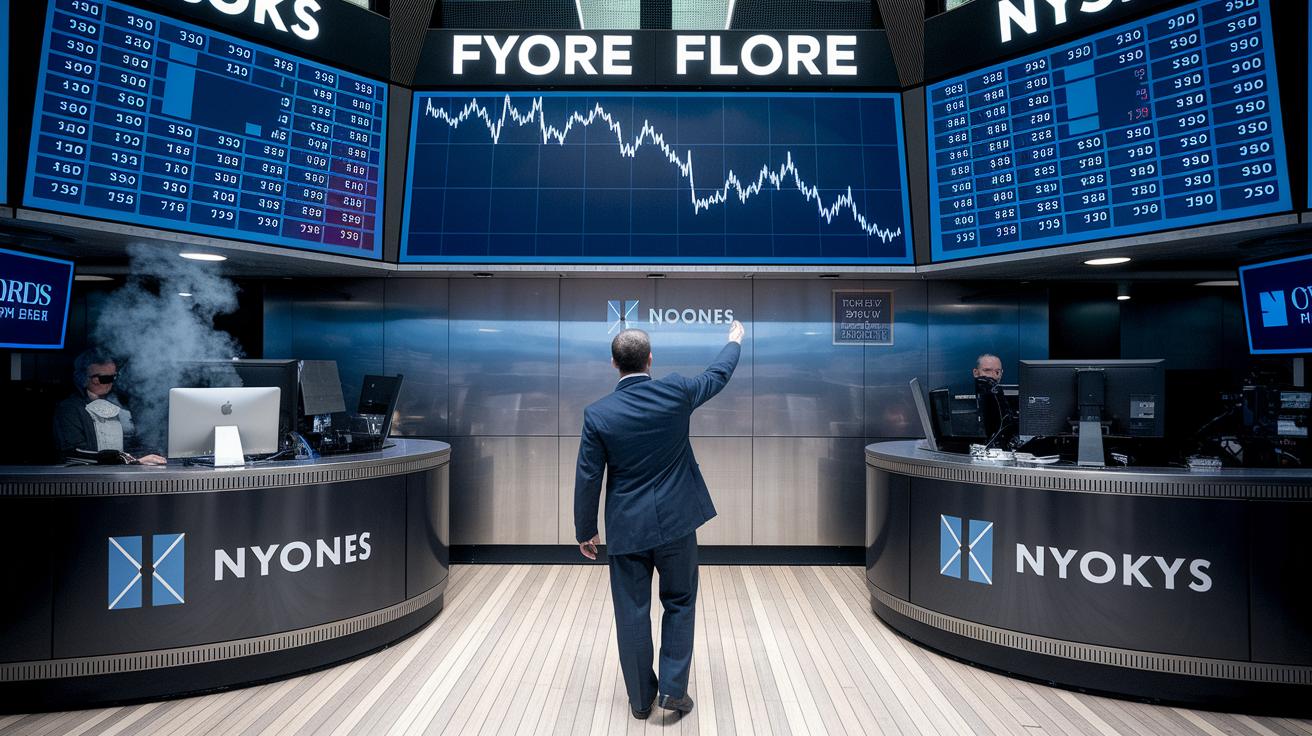
On September 3, 1929, the market reached its peak before rapidly spiraling into chaos. Investors couldn’t believe how a booming market could flip so quickly.
That initial excitement soon turned into alarm on Black Thursday, paving the way for even steeper declines on Black Monday and Black Tuesday. Trading activity soared as fear drove massive sell-offs.
Between October 1929 and October 1930, the Dow fell almost 50 percent, showing just how fast assets lost their value and leaving many in disbelief. Every one of these events marked a moment when investor confidence broke down, sparking reactions that reshaped how the market worked.
These dates remind us of more than just numbers, they capture a dramatic shift in collective sentiment that forever changed economic outlooks. Studying these events gives us a clear picture of how swiftly confidence can vanish and underscores the importance of understanding market psychology in uncertain times.
| Month/Year | Market Event | Dow Impact |
|---|---|---|
| October 24, 1929 | Black Thursday sell-off begins | Early decline observed |
| October 28, 1929 | Black Monday triggers panic trading | Additional losses pile up |
| October 29, 1929 | Black Tuesday marks a deep collapse | Nearly 50% decline over the year |
Credit Contraction and Bank Failures Post-Crash
When margin calls forced rapid liquidations, cash reserves quickly ran dry. Banks and other lenders saw their funds vanish as investors had no choice but to sell off assets at rock-bottom prices. It was like everyone showing up at a checkout at once, and there simply wasn’t enough money to go around. Even the biggest institutions felt the strain as available credit shrank dramatically.
As panic grew, people rushed into banks to pull out their savings. This sudden surge of withdrawals sparked a chain reaction across many banks. By 1930, hundreds of banks had to shut their doors because they couldn’t handle all the withdrawal requests. It’s a clear reminder of how widespread fear can easily unravel even a strong financial system.
This credit squeeze spread throughout the economy, making it tough for everyday businesses to get the funds they needed. Lending slowed, people spent less, and many operations came to a halt. In short, the freeze in credit not only shook up the world of banking but also left a lasting mark on overall business activity and public confidence.
From Crash to Great Depression: Measuring the Fallout

The stock market crash in 1929 sparked a domino effect throughout the economy. Many saw the falling numbers as a fleeting dip, yet they masked deeper troubles that would soon unfold. Picture a glass of water that suddenly shatters into countless droplets – that's how quickly financial hardship spread.
After the crash, the economy took a huge hit. Unemployment quickly jumped from about 3% in late 1929 to a staggering 25% by 1933. At the same time, the overall economic output, or GDP, dropped by roughly 30%. These stats paint a clear picture of widespread hardship, leaving many families struggling as the promise of prosperity slipped away overnight.
| Year | Unemployment Rate | GDP Change |
|---|---|---|
| 1929 | 3% | 0% |
| 1930 | 10% | -8% |
| 1931 | 16% | -12% |
| 1932 | 23% | -25% |
| 1933 | 25% | -30% |
Regulatory Reforms After the 1929 Market Collapse

After the 1929 crash shook the nation, government leaders quickly rolled up their sleeves in 1933 and 1934. They wanted to bring back trust in our financial system and make things safer for everyone. The new rules were all about slowing down risky behavior and cleaning up the messy excesses of the 1920s. In simple terms, they made it clear how investments work so that shady deals and harmful practices would be a thing of the past.
This wave of changes gave people more confidence in their savings by ensuring banks and financial firms played by clear, honest rules. These reforms still echo in our economic policies today, reminding us of a time when the government took action to protect everyday investors. They helped pave the way for a system that is more transparent and fair, restoring a sense of stability that the market crash had broken.
Below is a look at some of the key measures that sparked this transformation:
| Measure Name | Key Purpose |
|---|---|
| Securities Act of 1933 | Set rules for sharing important details about new stock issues |
| Glass-Steagall Act (1933) | Kept commercial banking separate from investment banking |
| Securities and Exchange Commission (1934) | Created a watchdog to monitor the markets |
Final Words
In the action, we traced the peak investor excitement powered by margin buying and the swift downturn that changed lives during the stock market crash 1929. We looked at how rapid sell-offs sparked bank runs and a credit crunch, which eventually led to new rules aimed at preventing similar chaos. Each point reminds us that even hard times offer lessons. The past continues to guide us toward better strategies and a brighter financial future.
