
Ever notice how some countries buzz with energy while others seem stuck in the past? Think of how a recipe needs its key ingredients, each stage of growth adds a crucial building block along the way. In this post, we dive into Rostow's step-by-step model, a simple guide that explains how a basic society can transform into one where mass buying power takes over. Come along as we break down each stage and see how small beginnings can lead to a brighter future.
5 stages of economic growth: Radiant Transformation
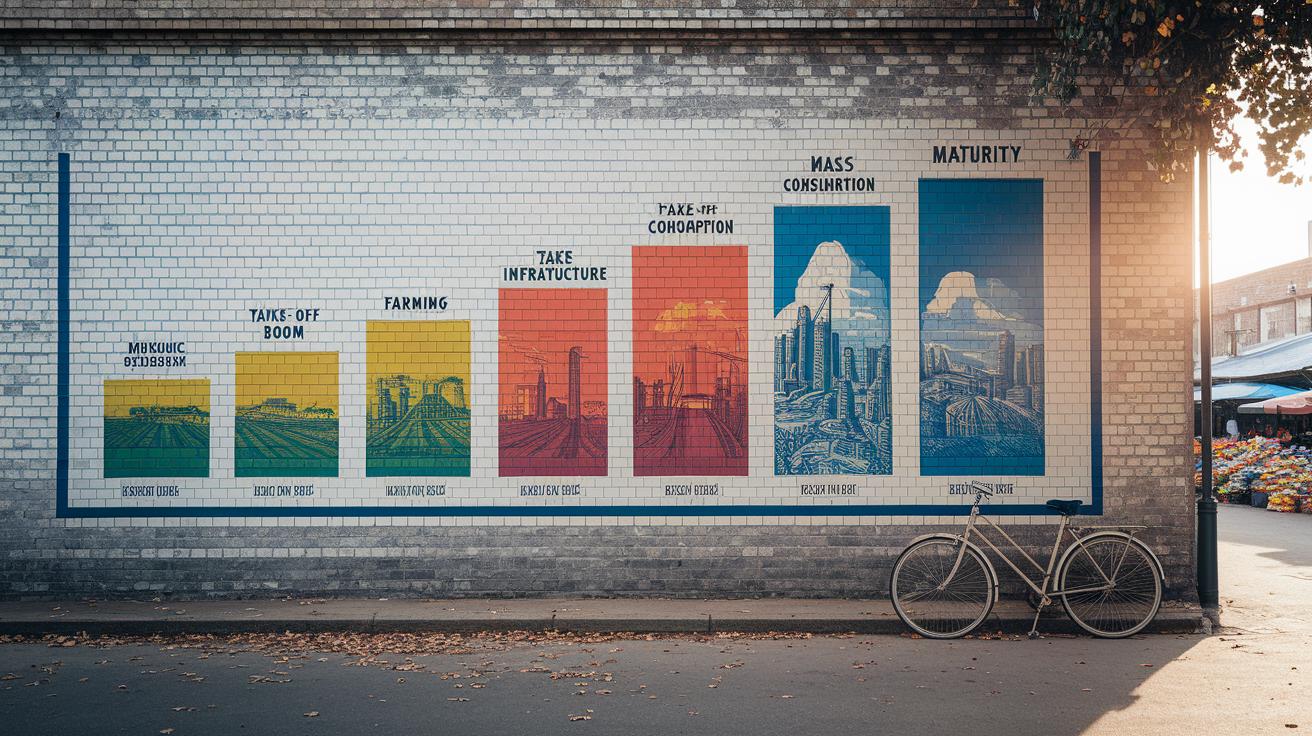
Rostow’s growth model lays out a clear step-by-step path for how economies can grow. It starts with the Traditional Society stage, where people depend on basic farming and simple tools just to get by. These days, only a few countries, like South Sudan and Burundi, are still in this phase.
Next comes the stage called Preconditions for Take-Off. In this phase, countries begin gathering early capital and building basic infrastructure, setting the stage for bigger changes ahead. Then, during the Take-Off stage, industries start to boom. Fast-changing technology and manufacturing drive the economy forward, much like watching a small spark turn into a blazing fire.
After that, the model moves into what is known as the Drive to Maturity stage. At this point, the economy is marked by a wide range of industries working together and increased global competition. Finally, the Age of High Mass Consumption marks a shift toward a society focused on consumer spending, where people enjoy a variety of goods and services.
In many ways, these steps are like following a simple recipe: start with basic ingredients, gradually add in more complex ones, and end up with a rich mix of innovation and high demand. This model still helps economists understand development in countries all over the world.
Detailed Breakdown of the Five Stages of Economic Growth
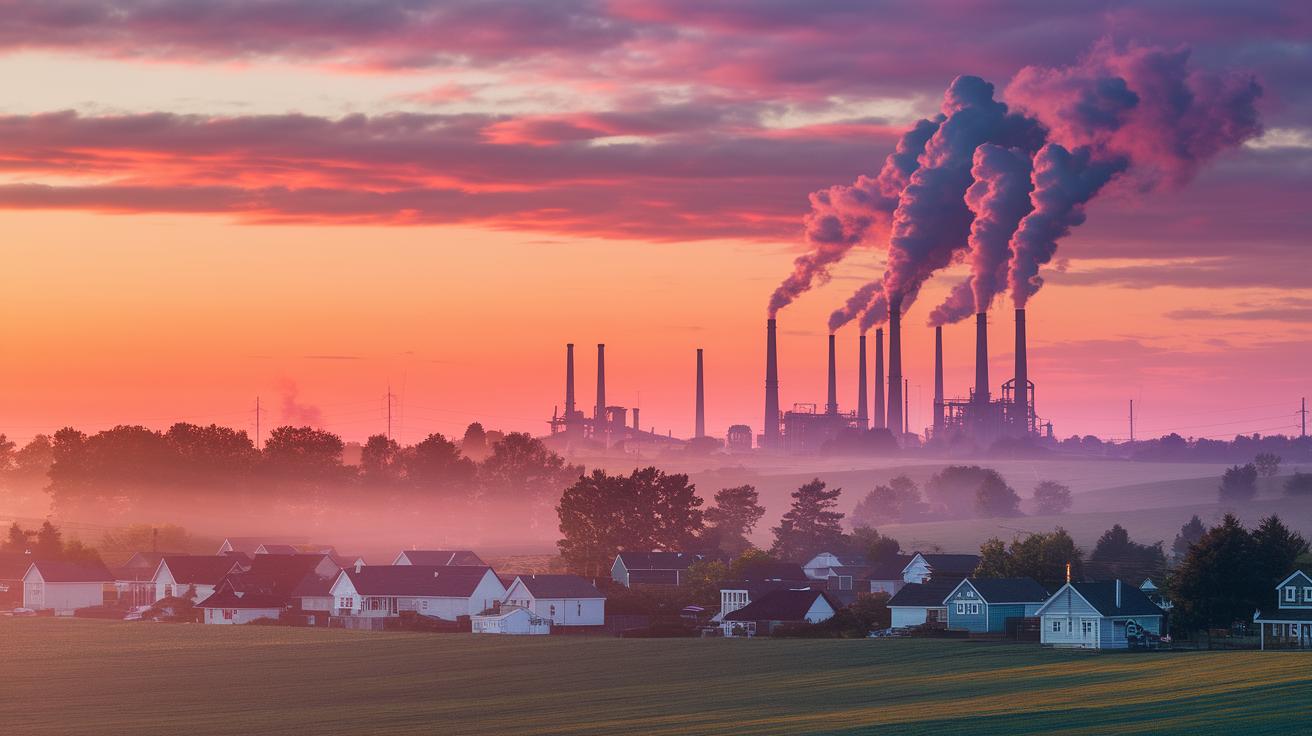
Rostow’s model shows how an economy grows from basic farming to a dynamic, consumer-focused society. Each step builds a solid base for the next, like adding one brick after another to create a strong foundation. In this section, we mix our earlier explanation with a helpful table that defines each stage more clearly and gives new examples. Imagine the Take-Off stage as a small town where simple workshops quickly turn into busy industrial centers, proof of rapid and exciting change.
| Stage | Definition | Key Features & Examples |
|---|---|---|
| Traditional Society | A way of life based on farming and living off the land | Very little trade; think of little family farms practicing age-old ways. |
| Preconditions for Take-Off | Early steps in building up money and basic roads or facilities | The first hints of new business ideas, like planting a seed for future growth. |
| Take-Off | A period of fast industrial growth and more city life | New technology spreads quickly; picture small workshops blossoming into busy factories. |
| Drive to Maturity | Growth spreads to many industries with improved technology everywhere | The economy turns diverse; it’s like a garden that has a variety of well-tended crops. |
| Age of High Mass Consumption | An economy driven by consumers with high levels of income | The focus moves to shops and services; almost everyone can buy more than just the basics. |
This approach connects our discussion with the details in the table. Each stage not only builds on what came before but also adds its own special features and fresh examples to show how the economy evolves over time.
Critiques of the Stages of Economic Growth Framework

Some critics say that the step-by-step view of how economies grow leaves out a lot of real-life twists. They point out that this idea doesn’t catch how cultural habits and local rules shape progress. For instance, expecting every country to follow the same ladder ignores the deep and unique social or political hurdles many face. Many experts feel that this fixed stage idea misses the messy, unpredictable parts of change. It’s like thinking all trees grow straight when each branch really has its own way.
Others argue that the notion of hitting a top point or fixed peak doesn’t match reality either. In practice, economic progress can come with flat spots or even slips, much like a spark that sometimes fades. This rigid framework doesn’t leave much room for other ideas about growth, such as dependency theory or the never-ending cycles of innovation and reinvention.
- Ignores many cultural and institutional details
- Misses moments when progress stalls or declines after a peak
- Leaves out alternative ideas about how economies grow
- Offers a too-static view of what is really a flowing, changing process
Extensions and Dynamic Paths Beyond Traditional Economic Growth Stages

There's a fresh twist beyond the classic five-stage model, a phase we call Bloated Decline. In this stage, countries start losing old industries, overspending, and not investing enough, so productivity begins to stall. It reminds us that reaching a peak in mass consumption isn’t the finish line. Instead, it can set off a chain of negative events if innovation doesn’t keep pace and established sectors get left behind.
Once a nation finishes stage five, it can head in two very different directions. Some countries start to slow down and even fall back, trapped in stagnation. Others grab the chance to transform themselves by using new tech and full-on automation. This shows that economic growth isn’t set in stone. It either slows or speeds up depending on whether a country can reinvent its way of doing things.
Look at real-world examples to see this in action. China, for instance, has breathed new life into its economy with rapid automation and a big focus on technology, it’s like hitting the refresh button after too many old habits. Meanwhile, in the United States, experts are still hashing out fresh growth ideas to stay ahead. Both cases highlight that moving past standard economic stages means continuously adapting and innovating, ensuring the economy is always on the move rather than resting on its laurels.
Case Studies: Stages of Economic Growth in Global Contexts
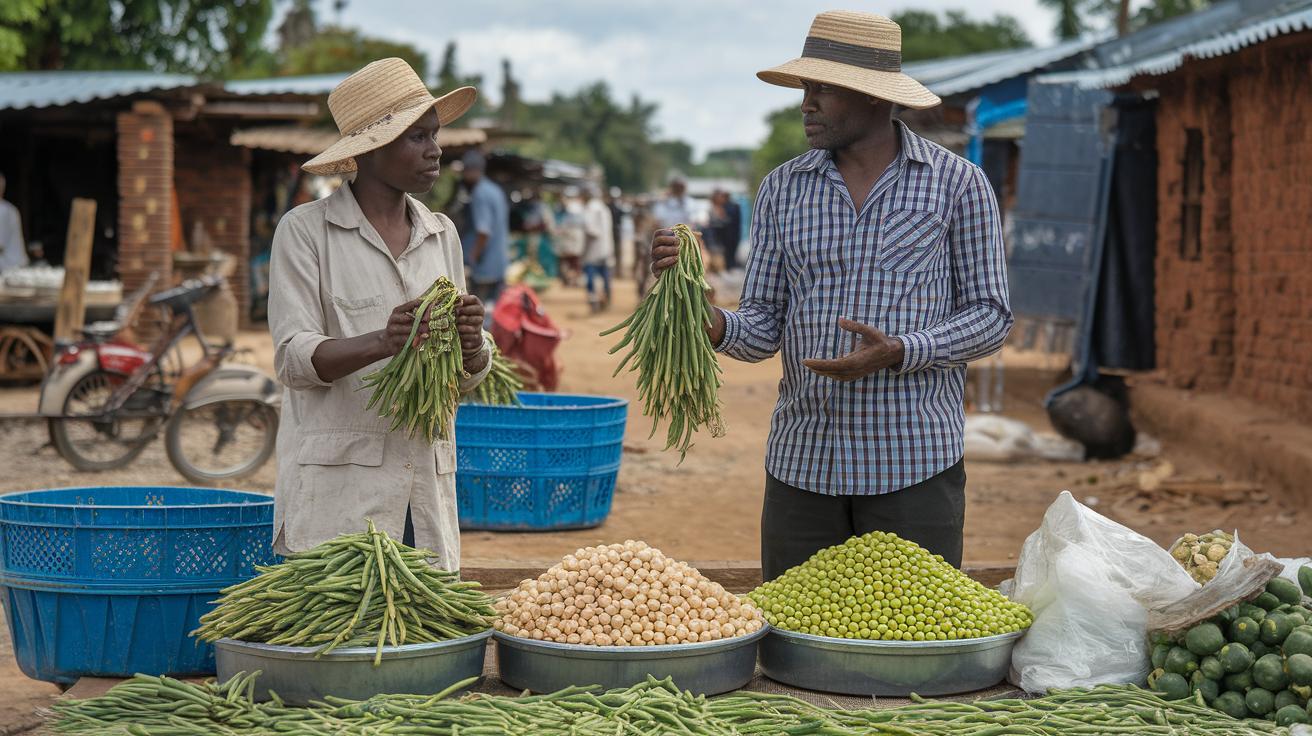
In places like South Sudan and Burundi, people mainly rely on farming just to get by using methods that have worked for generations. Neighbors often trade what they grow with each other, much like an old-fashioned barter system. Even small changes, such as better access to resources, can gently shift how these local markets work without upsetting their long-standing traditions.
In richer economies like China and the United States, growth happens in bigger, more noticeable ways. China has ramped up its spending on factories, roads, and other projects, which moves the whole economy into a faster gear, kind of like upgrading an old road to a high-speed expressway. Meanwhile, in the United States, bursts of high spending linked with new tech ideas and small rule changes set off fresh cycles in how businesses operate. Data suggests that these shifts play a key role in pushing economies into new phases and helping nations adjust to evolving industry trends.
Policy Implications of Stage-Based Economic Growth Analysis
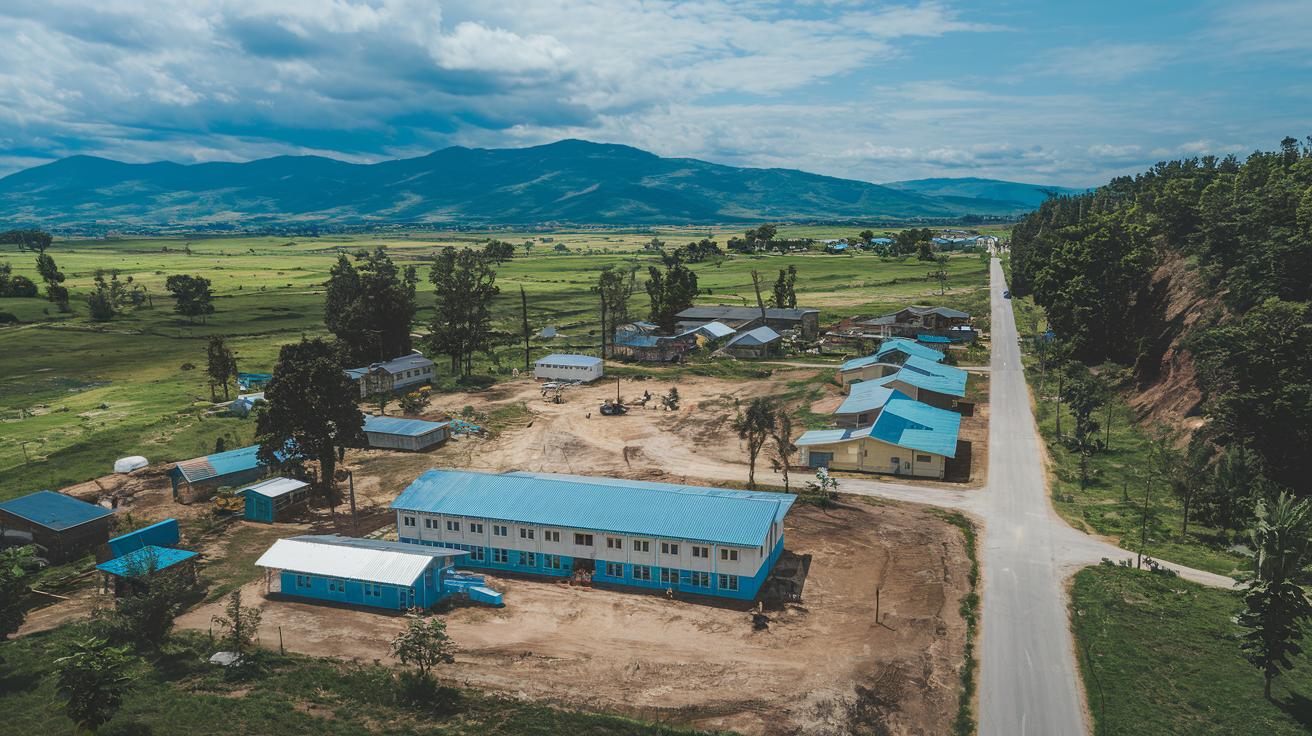
In the early stages, policies aim to build a strong base by focusing on farming, schools, and roads. Leaders work to improve local schools, update farming methods, and make roads safer and easier to use. Picture a small village getting a new school and better roads, which helps local farmers take fresh produce to market; this small boost can lead to much bigger changes over time.
Next, in the mid-stage, the focus shifts to growing industries and updating infrastructure. Governments start to invest in expanding roads, bridges, and utilities while also offering perks to attract new investments. Imagine turning an old, quiet road into a busy highway that benefits both workers and businesses. This upgrade helps create a tougher, more competitive economy.
At the advanced stage, the focus moves to innovation, automation, and safeguarding consumers. Policy decisions focus on pushing tech improvements and setting rules to keep digital transactions secure (this means making sure online payments are safe and easy to use). Think of a tech store that not only sells the latest gadgets but also adapts to customer needs, this ongoing approach helps keep the economy strong and ahead of any slowdown.
Final Words
In the action, this article explored key economic development phases, breaking down the traditional to the advanced growth stages while offering a close look at policy implications and real-world examples. We examined the progression from subsistence farming to rapid industrialization and high mass consumption, along with thoughtful critiques and modern extensions beyond classic models.
By focusing on actionable insights and practical analysis, the discussion reinforces the importance of understanding the stages of economic growth for smart, diversified digital investment strategies.
FAQ
What does Rostow’s stages of economic growth illustrate and what are its steps?
Rostow’s model illustrates how economies progress in five stages, starting with a traditional society and moving through preconditions for take-off, take-off, drive to maturity, and finally, an age of high mass consumption.
Where can I find PDFs, PPTs, or books on Rostow’s economic growth model?
Rostow’s growth model is detailed in many study materials available online. Academic sites, university archives, and trusted economic research portals usually offer PDFs, PPTs, and books on this model.
What are the 4 stages of economic growth or the world economy?
In some frameworks, the world economy is divided into four stages—from early agrarian systems to industrial development, mature industrialization, and a modern, service-oriented market economy.
What are the 5 stages of economic development according to Karl Marx?
Karl Marx did not describe economic development in a neat five-stage model. His work centers on class struggles that drive the shift from feudal systems to capitalist societies and envision a move toward socialism.
What do the 3 P’s of economic growth represent?
The 3 P’s in economic growth represent productivity, population, and profitability. These elements collectively highlight how efficient output, labor force dynamics, and business gains contribute to overall economic progress.
