
Have you ever wondered how you can get paid in seconds instead of waiting for days? Imagine a small shop receiving money the very moment a delivery arrives.
Smart contracts work like an automatic digital handshake (a set of rules written in code that executes payments when conditions are met). When everything lines up, payment is released right away, which means you don’t face extra fees or get stuck with endless paperwork.
Today, we’re diving into how these digital tools are speeding up processes in all kinds of industries. In this post, we’ll check out real-life examples of how companies use smart contracts to cut delays and boost growth.
Smart Contract Use Cases Boost Business Growth

Smart contracts are digital programs that run on blockchain networks. They work automatically without any middlemen, which cuts down on extra fees and paperwork. They also offer transparency (an open ledger anyone can see) and strong security using cryptography, a way to keep data safe with secret codes. For example, a smart contract can automatically release funds when a delivery is confirmed, speeding up transactions and boosting business growth.
Imagine a small retail shop that gets paid the instant a shipment arrives. Instead of waiting days, the payment happens in seconds. This shows how blockchain deals can help different industries work faster. In finance, smart contracts make cross-border transactions simpler and handle complex paperwork easily. In healthcare, they keep patient data secure and help trigger billing right away, reducing the chance for mistakes.
Smart contracts also transform supply chains. They work well with IoT devices like RFID sensors (small trackers that follow products) to monitor items from production to delivery. They can check if the right conditions, such as temperature or humidity, are maintained and even trigger payments when key milestones are reached. In insurance, real-world examples show that these contracts can settle claims immediately by relying on trusted data sources.
In real estate, smart contracts streamline property transfers by cutting out extra middlemen and lowering legal fees. They’re also shaking up digital identity management, protecting intellectual property, and supporting gaming applications like NFTs (non-fungible tokens, which are unique digital assets). This technology helps industries cut costs, simplify operations, and build trust by automating contract processes without human intervention.
Smart Contract Use Cases in Decentralized Finance

Smart contracts are changing the game in decentralized finance by taking care of tasks automatically, like handling on-chain lending (loans directly on a blockchain) and yield farming (earning rewards through digital assets). These digital tools help money markets run faster and with more security. For example, a smart contract on a decentralized exchange lets funds swap hands instantly when certain conditions are met, cutting out the need for a middleman.
Often, Ethereum contracts form the backbone of creating stablecoins that are backed by extra collateral. These stablecoins use about 150% extra value to support their price, which builds trust. Imagine setting up a smart contract that automatically moves money when an asset’s value hits a set target. It’s a bit like having a safety net, small amounts of digital capital can secure a stablecoin, ensuring smooth transactions without a person in charge.
DeFi systems also count on smart contracts to manage liquidity pools. A smart contract keeps track of pools of digital assets to make sure funds are correctly distributed. It even shows real-time proof-of-reserves (a check that confirms assets are available) and net asset value details. This means every action is recorded clearly, boosting trust and offering fast, secure results without waiting for traditional banks.
The entire DeFi ecosystem also gains from simpler compliance because smart contracts can use oracle data feeds (systems that bring in real-world data) to support KYC (know-your-customer) checks. This automation cuts down delays while still following the rules. For a closer look, check out the decentralized finance world at decentralized finance.
So, in a nutshell, smart contracts in decentralized finance make processes cheaper, quicker, and more transparent. They handle everything from lending to liquidity with automated protocols, all without needing intermediaries.
Smart Contract Use Cases in Supply Chain Transparency
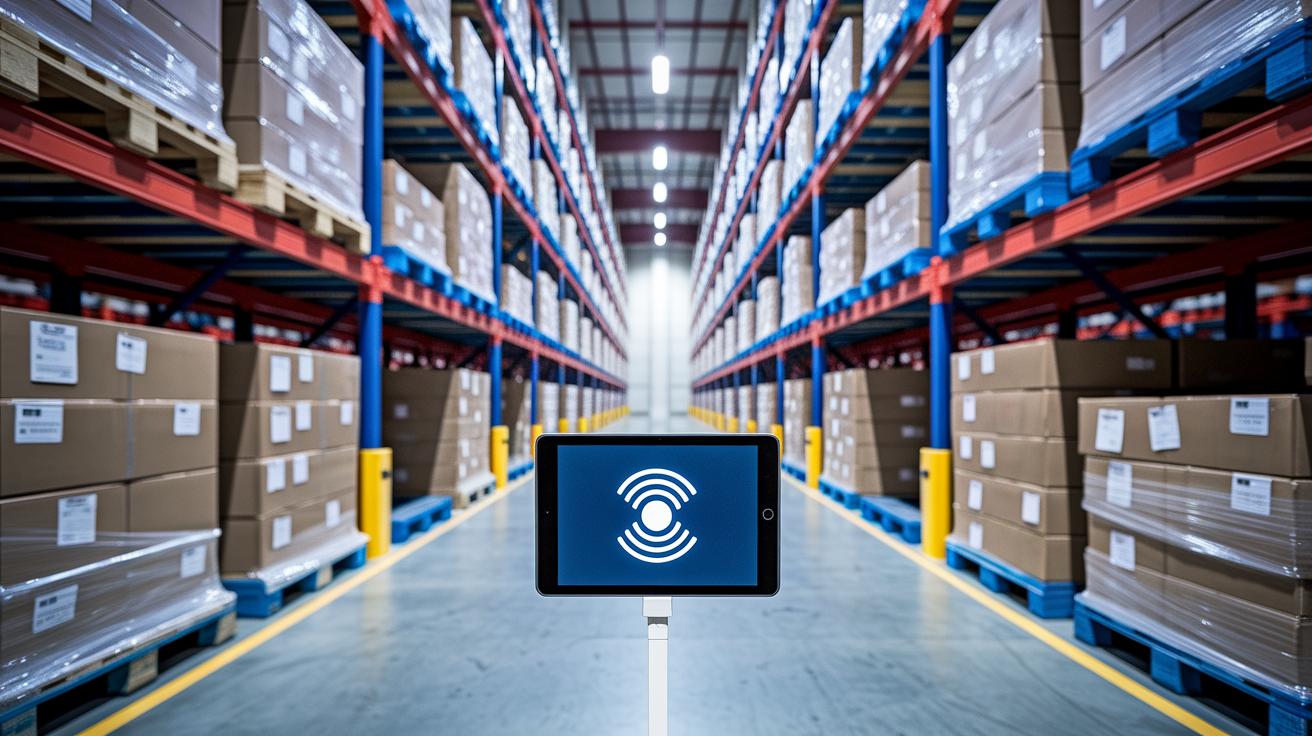
Smart contracts work hand in hand with IoT sensors (devices that monitor and send data) and RFID tags (tiny trackers that identify items) to follow products every step of the way. For example, when a shipment arrives at a warehouse, the system automatically checks the temperature and location. As soon as an item reaches its checkpoint, a built-in signal logs the event and quickly triggers a milestone payment, just like flipping a switch.
This setup also logs every move the product makes, creating a clear history. That record makes it easier to manage recalls and builds trust among partners. It even uses secure confirmations to quickly show if something isn’t quite right.
Using smart contracts cuts down on manual checks, slashes administrative costs, and speeds up overall operations. It ensures that every product meets the exact standards required.
| Checkpoint Confirmation | Milestone Payment Trigger |
|---|---|
| Automated sensor data logs | Payment released in seconds |
| Secure provenance tracking | Minimized manual verification |
Smart Contract Use Cases for Insurance Automation

Imagine booking a flight and, if it's delayed, getting your money back automatically. With smart contracts, a system kicks in the moment flight data confirms a hold-up. For example, a flight API (a tool that shares flight information) sends data that triggers instant compensation. Think about a farmer who once fretted over unexpected storms ruining a crop, today, a smart contract can pay out right after heavy rain is reported.
This system uses what we call parametric insurance. In simple terms, it handles events like crop loss, flight delays, car accidents, home damage, life events, and health issues without any waiting. The contracts rely on IoT oracles (devices that collect real-world info, like weather stations or flight trackers) that feed data straight into the agreement. So, instead of waiting weeks for a claim, the payout happens immediately.
Insurance automation with blockchain turns a slow process into something fast and efficient. When the oracle confirms an event, funds are released without any human checks. This cutback on manual work means fewer chances for mistakes or fraud since every action gets recorded on a public ledger.
Picture peer-to-peer insurance where your claim is processed in real time. Customers see transactions happen at lightning speed with almost no administrative delays. They can feel secure knowing that payouts follow the exact terms programmed into the contract. This approach gives power to both policyholders and insurers, making the whole process fair and easy to trust.
Smart Contract Use Cases in Real Estate Transfers

Smart contracts are changing the way property deals happen. They cut through the mountain of paperwork and handle tricky steps for you. These digital agreements run on blockchain, which is like a secure digital ledger that records transactions safely. For example, once money is safely held in escrow (a secure holding account), the smart contract instantly transfers the property title, making the process faster and simpler.
Imagine a property sale where both buyer and seller agree on terms stored in a digital contract. When the buyer deposits the sale money into an escrow account, the smart contract quickly checks that all conditions are met. It then releases the funds and transfers the title at the same time. Think of it as a digital handshake that instantly confirms who owns the property, building trust between both parties.
Real estate tokenization is another exciting application. This method turns property ownership into digital tokens, meaning you can own a piece, even if you’re a small investor. The smart contract tracks each token, so investments become more accessible and flexible. A small investor once snapped up a slice of a luxury property in minutes, all thanks to digital tokenization that transformed complex legal details into clear, bite-sized units.
Blockchain notarization in these smart contracts offers an extra layer of security. Every record and transaction is permanently logged, lowering the chances of title disputes. Meanwhile, escrow payment automation only releases funds when every condition is met. This combination speeds up settlements, reduces legal fees, and enhances security in every real estate transaction.
Smart Contract Use Cases for Healthcare Records Management

Smart contracts are changing the game for healthcare providers by making patient record management smoother and more secure. They handle everything from setting consent rules to triggering billing processes as soon as a service is provided. For instance, imagine a hospital that approves access to patient records instantly without any manual checks. Believe it or not, one major healthcare provider once had a breach that exposed 4.5 million patient records. With smart contracts, every access attempt is permanently logged, which greatly cuts down on risks.
Thanks to these digital contracts, hospitals can decide exactly who gets to see sensitive data and when. This means only authorized people can view patient details, drastically lowering the chance of data leaks. Plus, each access event is logged forever, so every action is clear and unchangeable.
But that’s not all. Automating the billing process speeds up how quickly invoices are sent out right after a service is rendered. This not only saves time but also builds trust between patients and providers. When smart contracts work alongside secure digital identity systems (decentralized identity systems that verify who you are), they remove weak spots and ensure that every digital signature matches what’s stored, adding another layer of protection.
Overall, smart contracts are transforming healthcare records management to be faster, safer, and more reliable, a big step forward for both patients and healthcare workers.
Smart Contract Use Cases in Digital Asset Tokenization
Smart contracts create digital tokens that represent real-world assets like securities or goods. This means you can own just a slice of something expensive, like a piece of a luxury property divided into token shares. It makes high-value assets reachable for more people, just like sharing a delicious pie among friends.
These smart contracts also take care of routine tasks on their own. For example, if you’re owed a dividend, the contract automatically figures out how much you get and sends it your way, almost like having a friendly helper who makes sure you’re paid right on time.
Tokenizing assets isn’t just for stocks or bonds. It can cover a wide range, from physical goods like art or commodities to even digital ideas like intellectual property. This process cuts down on extra hassle, making ownership changes smoother and clearer. Think of it this way: imagine a rare painting turned into lots of digital tokens that let art lovers invest in a piece of history.
Smart contracts are also opening doors for fresh ways of raising funds. Companies, whether startups or big names, can kick off tokenized crowdfunding drives. Investors purchase tokens during these campaigns, with the smart contract ensuring all rules and rights are met. This secure and fast process helps fuel exciting new projects.
Plus, these contracts set the stage for secondary trading. As tokens move around on digital platforms, every exchange is permanently recorded. This level of visibility builds trust, so anyone can check a token’s history whenever they want.
Smart Contract Use Cases for DAO Governance

DAOs rely on smart contracts to build clear rules for managing proposals in a way that everyone can see. These digital programs automatically guide every step, from when a proposal is submitted and voted on to when it’s finally carried out. For instance, a member might present an idea, and the smart contract will track each vote using a decentralized system (meaning no single person controls the process).
Often, smart contracts also manage the DAO’s funds. Once a proposal gets the green light, the funds are released immediately without a middleman, much like an automatic legal process that handles all the details. This setup cuts down on delays and helps avoid disputes. Sometimes, these contracts even come with built-in code-based arbitration to sort out any unexpected challenges.
Some DAOs are now boosting their operations with cross-chain smart contracts, which let different blockchain networks work together. This innovation means a DAO can manage proposals and funds across several platforms, not just one chain. In short, it makes governance smoother, reduces extra work, and limits the need for manual checks.
Smart Contract Use Cases in Cross-Border Payments

Smart contracts are shaking up the way money moves across countries. They lock funds in multi-signature transactions, which means several parties need to agree before money is moved. When all the details check out, the funds are released automatically. This makes sending remittances feel as fast and secure as transferring money in real time, almost like sending an email.
These digital agreements also connect with traditional banking systems using SWIFT oracles, a tool that pulls in real-world data for smooth verification. That way, even regular bank transfers get automated, cutting down on manual checks and lowering costs. Plus, smart contracts power blockchain micropayments for machine-to-machine exchanges. Imagine a vending machine that gets paid automatically every time you buy a snack with a digital wallet. And with smart payment channels, funds can skip extra banks, avoiding extra fees and delays.
All in all, smart contracts simplify both big international deals and everyday small payments. They give you a clear, cost-effective, and speedy way to move money around the world.
Smart Contract Use Cases in Legal Automation

Smart contracts are changing the way we create and manage legal papers. They work by embedding clear rules into their code so that when a set condition is met, everything happens automatically. This means less manual paperwork and fewer delays from traditional legal processes.
These digital contracts also keep a detailed record of every transaction in a way that can’t be changed. Imagine two parties agreeing on specific terms, once the agreed work is done, the smart contract releases payment all on its own. One case even saw a smart contract handle an arbitration clause in just minutes, cutting down both time and legal fees.
And if disagreements come up, the contract has built-in steps to handle them. It follows its own guidelines to sort out issues without waiting for human help, making disputes faster and cheaper to resolve. The full history of the contract is saved on a blockchain (a secure, digital ledger that keeps records safe and unchangeable), which makes meeting legal rules much simpler.
This smart setup helps organizations lower legal fees and reduce oversight costs by cutting out extra middlemen. With a smart contract taking care of everything from creating documents to solving disputes, businesses can focus on other key areas, knowing their legal processes are solid and efficient.
Future Trends in Smart Contract Use Cases and Scalability
Scaling smart contracts using layer-2 rollups and sidechains is opening up exciting possibilities for decentralized systems. It speeds up transactions and lowers network costs. Think of it like widening a busy highway so that more cars can move smoothly without traffic jams.
New ideas, like better oracle systems (tools that provide smart contracts with real-world data), fair sequencing methods (ensuring transactions are processed in a balanced way), and offchain computation (doing some work outside the main blockchain), are changing the scene. These upgrades let smart contracts interact with IoT devices, handle property tasks on their own, and work seamlessly across different industries. And here’s an interesting fact: long ago, computers needed hours to solve problems that are now solved in minutes, a challenge that led to all this smart progress.
Next, more advanced contract platforms are riding this momentum by supporting fresh business models on blockchain. They’re mixing digital control of physical assets with automated processes, making it easier for a wider range of industries to jump in. This blending is paving the way for solutions that increase both transparency and efficiency.
Smart contract use cases are growing fast and will continue to fuel business growth as they mesh with other decentralized technologies. This steady progress is sparking new opportunities, inspiring both start-ups and big companies to explore innovative ways to use smart contracts around the globe.
Final Words
In the action, this article broke down smart contracts, showing how they boost transparency, speed, and security in finance, supply chain, insurance, and even real estate.
It highlighted smart contract use cases that drive efficiency, from DeFi protocols to legal automation.
Each section reminded us that smart contracts can simplify complex systems and support smarter digital asset strategies.
Keep this insight close as you build a robust approach to digital investments, knowing a positive future awaits.
FAQ
What smart contract use cases are frequently discussed on Reddit and in Ethereum communities?
This question highlights popular applications such as decentralized finance, real estate transactions, insurance automation, and supply chain tracking. These use cases leverage blockchain technology for secure, automated, and transparent contract execution.
How can one find a list or top examples of smart contract use cases?
The answer points to exploring examples like on-chain lending, tokenization of assets, and automated escrow. These popular applications showcase how smart contracts reduce intermediaries and increase trust in digital transactions.
What is an example of a smart contract blockchain in action?
An example is a real estate transaction where smart contracts automate escrow and property title transfers. This setup verifies conditions automatically and speeds up the process with immutable, digitally stored records.
How are smart contracts applied across different industries using blockchain?
Smart contracts are deployed in finance, healthcare, supply chain, and legal sectors. They automate agreements, trigger payments, secure data, and enforce compliance, making processes faster and more transparent without relying on intermediaries.
