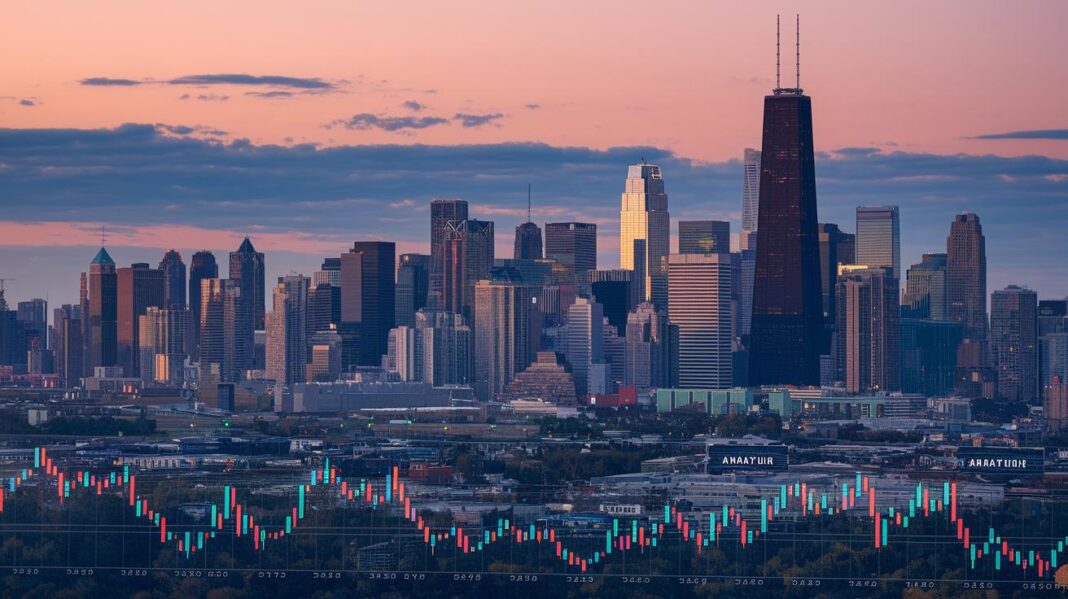
Ever wonder how one wild day in the market can flip the whole economy on its head? In 2008, risky home loans and loose lending practices hit hard, sending shockwaves around the globe. That day, the Dow fell almost 500 points, and it felt like a massive jolt.
It wasn’t just about numbers tumbling down; it was a clear wakeup call. The turmoil forced serious changes in how banks and other lenders worked. Those hard lessons led to big reforms that paved the way for a strong economic recovery. And even now, the ripple effects of that day still shape our financial rules and ideas.
Overview of the Market Crash 2008: Causes, Timeline, and Impact
The 2008 financial crisis, which many call the Great Recession, began with a housing bubble that had been growing since 2007. Low interest rates and risky mortgages led banks to lend more money, which quickly pushed the system to its limits. One surprising moment was when the Dow fell nearly 500 points in a single day, sending shockwaves through trading floors. Risky subprime lending and the bundling of high-risk home loans into mortgage-backed securities hid true danger, making many borrowers default and leaving investors unsure about what was coming next.
Then, in September 2008, the situation became even more dramatic. Lehman Brothers, a firm with over $600 billion in assets, suddenly went bankrupt. This event froze credit markets around the world, and its impact was felt everywhere, from Wall Street to other financial sectors. Stock indexes plunged, and the crash was symbolized when the Dow hit a low of 6,594.44 on March 5, 2009.
Economic signals were clearly grim. U.S. unemployment neared 10 percent, and the country's GDP dropped by 4.3 percent in the last quarter of 2008. Likewise, global economic output shrank by about 0.1 percent in 2009. These figures showed how fragile our connected credit systems were and highlighted gaps in market supervision. In response, the government quickly stepped in with a $700 billion program called the Troubled Asset Relief Program (TARP) to help stabilize the financial sector and rebuild trust.
Primary Causes of the Market Crash 2008

The market crash of 2008 built up slowly from a mix of easy credit and weak oversight, setting the stage for disaster. Banks hurried to offer home loans without careful checks on whether borrowers could really repay them, leading to a flood of risky, subprime loans. This rush of credit happened in a system that simply didn’t have the proper safety nets in place.
Investment firms borrowed way too much money, sometimes over 30 times their own funds, to boost their profits, and financial products became so complex that even experts had a hard time understanding them. Many relied on basic risk models that weren’t designed to catch very rare, extreme events. Meanwhile, gaps in rules and supervision let these risky practices run unchecked. All of these factors together put pressure on the market until it finally collapsed.
Some key points include:
- A sharp increase in subprime mortgage loans with very little careful review.
- Risky home loans bundled into mortgage-backed securities that hid the true chance of default.
- Financial institutions operating with very high leverage, sometimes more than 30 times their own capital.
- Dependence on risk models that underestimated the chance of huge losses.
- Regulatory weaknesses under Basel II rules and limited enforcement by the SEC.
- Credit rating agencies giving high ratings to complex, hard-to-understand securities.
Timeline of Major Events During the Market Crash 2008

This timeline shows the major moments that led to the 2008 market crash. It explains how big financial events happened quickly, affecting everyone.
It all began with warning signs from risky subprime loans. In the last part of 2007, problems in this area started to show, with many loans made without proper care. Each event made the situation even more unstable until panic took over.
Come March 2008, JP Morgan took over Bear Stearns with help from the Federal Reserve. This move temporarily eased worries, but it didn’t stop the growing concerns. By July 2008, the U.S. government stepped in to take control of Fannie Mae and Freddie Mac, proving that even trusted institutions were at risk.
Then, on September 15, 2008, Lehman Brothers went bankrupt, sending shockwaves around the world. Credit markets practically froze, pushing the crisis to a critical point. Just two weeks later, on September 29, 2008, the U.S. Congress approved a huge $700 billion bailout under TARP to try and bring some order back to the markets.
The final key moment came in early 2009. On January 2, 2009, the Dow Jones climbed to 9,034.69, a sign that investors were testing calmer waters. But then, on March 5, 2009, the market took a deep dive when the Dow fell to 6,594.44, showing just how hard the damage was.
| Date | Event | Market Reaction |
|---|---|---|
| Q4 2007 | Warnings in the subprime loan area emerge. | Growing worries start to surface. |
| March 2008 | JP Morgan takes over Bear Stearns with Fed support. | A brief relief mixed with rising fears. |
| July 2008 | Government takes control of Fannie Mae and Freddie Mac. | Clear signs that even trusted institutions were in danger. |
| September 15, 2008 | Lehman Brothers goes bankrupt. | Market shockwaves freeze global credit lines. |
| September 29, 2008 | U.S. Congress approves a $700 billion TARP bailout. | Government intervention sparks cautious hope. |
| Early 2009 | Market tests recovery on Jan 2, then falls hard on March 5. | Mixed signals of emerging hope and painful lows. |
Economic and Global Aftermath of the Market Crash 2008

After the market crash, things in the U.S. took a serious hit. Unemployment climbed to nearly 10 percent by late 2009, which made the economy struggle even more. The U.S. gross domestic product (GDP is the total value of all goods and services produced, showing a country’s economic health) dropped by 4.3 percent in the last quarter of 2008. These figures show a system struggling from risky loans and sudden uncertainty. Wall Street seemed to lose its spark, and many signs pointed to a big gap between economic growth and financial security.
Housing and spending by consumers also fell hard. By 2010, home values across the country had dropped about 30 percent as people lost trust in owning homes. Spending by households shrank by over 3 percent in 2008, which tells us that many families were cutting back and being careful with their money. It was like turning down the heat on a warming pot, families and investors alike were trying to find steady ground again.
The crash didn’t stop at the U.S. borders; it sent shock waves around the world. Global trade shrank nearly 12 percent in 2009, which messed up supply chains and halting business activities between nations. In many emerging markets (countries still developing economically), investors quickly pulled out their funds, causing local currencies to wobble. The effects spread far and wide, showing us that the market crash hit more than just America’s big banks and financial centers.
Government Response and Recovery Period Post-Market Crash 2008

After the market collapse, leaders moved fast to steady the ship and boost the economy. They rolled out a mix of actions on both the spending and money-supply sides to make borrowing easier and calm jittery markets. Every step was designed to breathe new life into the financial system, renew investor trust, and build a strong base for ongoing recovery.
- The Troubled Asset Relief Program put $700 billion into banks so they could keep cash flowing and continue lending.
- The Federal Reserve cut its main interest rate to nearly zero by December 2008, which made loans cheaper and helped spur economic activity.
- With Quantitative Easing 1, $1.25 trillion was spent on buying mortgage-backed securities to lower long-term interest rates and improve money flow.
- The American Recovery and Reinvestment Act of 2009 provided $787 billion in stimulus, sparking job creation and economic growth.
- In May 2009, Treasury stress tests checked the strength of 19 top banks to reassure investors that these institutions were on stable ground.
- The Dodd-Frank Wall Street Reform and Consumer Protection Act was passed in July 2010 to set stricter rules and curb risky financial practices.
Investors felt a cautious sense of hope. They noticed that banks were showing more cash flow and stronger balance sheets, and trading floors slowly regained confidence. Credit conditions eased as banks built up better financial cushions through stress tests and tighter rules. Even though the recovery took time, these coordinated moves helped create a slow but steady improvement in financial markets. In short, the measures were about fixing today’s issues while also building a safer system for the future.
Lessons Learned and Regulatory Reforms Following the Market Crash 2008

After the 2008 market crash, regulators stepped in with a variety of new measures to calm the financial system and stop another disaster from unfolding. They set up important bodies and rules to watch over banks and protect everyday consumers. For instance, the Dodd-Frank law led to the creation of the Consumer Financial Protection Bureau, a team tasked with keeping an eye on banks and shielding people from risky practices. Regulators have also made regular stress tests, like the CCAR program (think of it like a bank's health check), standard practice to ensure banks have enough capital to handle tough economic times.
The new rules don't stop there. Basel III now requires banks to hold stronger capital reserves and maintain tighter liquidity, meaning they can turn assets into cash quickly when needed. The Volcker Rule also comes into play by limiting banks from making risky trades with their own money. Additionally, there's now a system for central clearing of standardized derivatives, which helps lower hidden counterparty risks. Global oversight has improved too, with the Financial Stability Board paving the way for a more unified monitoring approach, much unlike the fragmented strategies after the 1929 crash.
These reforms brought home vital lessons about risk management and financial oversight. Today, regulators are far more proactive, using rigorous stress tests and refined risk models to spot potential issues before they balloon. In short, these changes show that strong oversight and better management not only restore trust in the system but also create a more balanced and secure financial framework for the future.
Final Words
In the action, the article broke down the market crash 2008 and its domino effect on global finance. It covered how risky lending, a housing collapse, and weak oversight set the stage for widespread economic strains.
The timeline and key government responses showed clear examples of crisis management and recovery steps. With lessons learned and new regulatory reforms in place, investors can feel hopeful about strong strategies going forward.
FAQ
How are the housing market crash and stock market crash of 2008 explained?
The 2008 collapses in both markets signal sweeping financial stress driven by risky mortgage practices and overextended lending, which sharply devalued assets and triggered a global downturn.
What caused the financial crisis of 2008 and the market crash?
The crisis arose from risky subprime lending, high leverage, and weak regulations that promoted an unsustainable housing bubble. When these risky assets failed, markets plunged and panic spread.
Who is to blame for the Great Recession of 2008?
Responsibility rests with many players, including financial institutions, regulators, and borrowers who embraced risky practices. Weak oversight and aggressive lending combined to spark and intensify the crisis.
What are the causes and effects of the 2008 financial crisis?
Poor lending standards and a lack of stringent oversight led to a housing bubble burst, slashing asset values, escalating unemployment, and shrinking GDP. The resulting shock significantly altered global economic confidence.
What does the 2008 financial crisis timeline look like and what does the stock market crash chart show?
The timeline marks early subprime troubles, key events like Lehman Brothers’ collapse, and massive governmental interventions, while stock market charts display dramatic index plunges, reflecting the depth of the financial shock.
How much did the stock market drop in 2008?
During the crisis, the Dow plunged nearly 500 points in one session and eventually bottomed near 6,594.44, highlighting dramatic declines amid intense market instability.
How long did it take for the market to recover after 2008?
Although early signs of stabilization appeared in 2009, full market recovery spanned several years as gradual reforms and confidence-building measures slowly restored investor trust.
Who profited from the 2008 stock market crash?
Certain investors and hedge funds profited by buying undervalued assets and using strategies like short selling. Their market savvy enabled them to gain during the volatile downturn.
