Ever notice how some blockchains seem to crawl along? Layer 2 systems jump in to give them a real boost. Think of it as adding a new lane to a busy highway so that traffic flows smoother. Instead of dealing with only 15 transactions a second, these systems can handle thousands.
In our post, we explain how off-chain methods bundle transactions to lower costs and speed things up. Off-chain methods mean handling transactions away from the main system, then sending them in batches. This clever approach works hand in hand with the strong security of the main chain. It shows that you can have both quick transactions and reliable security at the same time.
How Layer 2 Blockchain Solutions Work to Enhance Scalability and Reduce Costs

Imagine a mini blockchain working hand-in-hand with the main one. That’s what a second-layer blockchain is. It takes on lots of transaction work, so instead of dealing with a mere 15 transactions per second (TPS), the network can handle thousands. By moving these tasks off the main chain (this means doing work outside the primary blockchain), it stays connected yet eases the load.
Off-chain methods like state channels, rollups, and sidechains work like this: they bundle a bunch of transactions together and then send a simple update back to the main chain. Think of it like buying in bulk to lower costs, in many cases, these combined transactions can reduce fees by up to 90%. This smart grouping not only speeds things up but also cuts down on waiting times and keeps the network running smoothly.
| Key Benefit | Explanation |
|---|---|
| Higher TPS | Off-chain processes boost speeds from tens to thousands per second. |
| Lower Costs | Bundling means gas fees are split, significantly reducing expense. |
| Fast Confirmations | Grouped transactions settle much faster than if done one-by-one. |
| Less Congestion | Shifting data off the main chain frees up space for primary tasks. |
Even though these Layer 2 solutions bring in impressive speed and lower costs, they still rely on the security and stability of the main blockchain (Layer 1). So if the primary network is under stress or down, the second layer might feel it too. In short, while offloading work gives performance boosts, the overall strength and security come from the solid foundation of the main blockchain infrastructure.
Exploring Optimistic and Zero-Knowledge Rollups in Layer 2 Blockchain

Rollups are a smart way to boost blockchain performance. They bundle many transactions together and then post compact proofs (small pieces of evidence) to the main chain. This method lightens the load on the main blockchain and lets it handle many more transactions. By relying on a trusted main chain to keep data safe, rollups boost speed while still keeping security strong.
Optimistic Rollups
Optimistic rollups take a friendly, trust-first approach. They assume that most transactions are correct right away. A waiting period, usually between 1 and 7 days, is built in so anyone can contest a suspicious transaction using fraud proofs (proofs that show something isn’t right). This extra step helps the system handle between 500 and 2,000 transactions per second. Projects like Arbitrum and Optimism use this method to speed up processes while leaning on the main chain for security. It’s a bit like giving someone the benefit of the doubt unless there’s clear evidence to the contrary.
Zero-Knowledge Rollups
Zero-knowledge rollups work differently. They use cryptographic validity proofs (math-based checks that confirm each transaction is true without revealing extra details) to verify every transaction off the main chain. Although creating these proofs can take a little extra time, they let transactions settle almost instantly and support more than 1,000 transactions per second. Examples like zkSync and StarkNet show that these rollups deliver speed and strong security. In short, if you need both fast processing and rock-solid verification, zero-knowledge rollups are a great pick.
| Rollup Type | Security Model | Finality Delay | Typical TPS | Protocol Examples |
|---|---|---|---|---|
| Optimistic | Fraud proofs | 1–7 days | 500–2,000 | Arbitrum, Optimism |
| ZK | Validity proofs | Seconds | 1,000+ | zkSync, StarkNet |
Comparing Rollups and Sidechains for Layer 2 Blockchain Scaling

Rollups and sidechains offer different ways to ease the load on main blockchain networks. Rollups bundle up transactions and then send a special digital proof (a simple way to say “verified” using complex math) back to the main chain. This keeps your transactions linked to the strong security of the main network, though it can slow down fund withdrawals while the proofs are prepared and submitted.
Sidechains, in contrast, validate transactions on their own separate system called a consensus mechanism (that’s just a method to check transactions). They connect to the main chain via bridges, which rely on a trusted team of validators. This means you’re trusting a smaller, more centralized group to keep things running smoothly. Rollups use clever proofs from the main chain to double-check their work, setting up a clear choice: you get tried-and-true main chain security with rollups, or faster processing with sidechains, which might not be as decentralized.
Each method fits different needs. For applications needing top-notch security and solid data integrity, rollups are great, even if you may face a slight delay when withdrawing funds. But for situations like gaming or small, quick transactions where speed is key, sidechains offer a faster, more streamlined solution.
layer 2 blockchain Excels in Scalability and Efficiency
Ethereum-based Layer 2 platforms like Polygon, Arbitrum, Optimism, zkSync, and Immutable X are making decentralized apps run faster and cost less. These platforms step in as extra layers on Ethereum to boost speed and cut fees. For instance, on Uniswap v3 with Arbitrum, trades cost up to 90% less and finish in under a second. And on NFT platforms like Immutable X, they use StarkEx ZK-rollup (a method that batches transactions together to save gas fees) so you can mint and trade NFTs without extra costs while keeping everything secure on Ethereum.
Gaming and micropayment apps also get a big lift from these Layer 2 solutions. Projects on Polygon PoS handle thousands of users smoothly thanks to sidechain frameworks (smaller chains that work alongside the main one). This means gaming feels seamless and tiny transactions happen in real-time. With strong developer tools and plenty of support, these platforms let creators quickly launch innovative apps that mix speed, low costs, and top-notch security.
Security Risks and Trade-offs in Layer 2 Blockchain Architectures
Layer 2 solutions are like extra lanes built to ease the traffic on the main blockchain, but they also come with their own quirks. Consider the bridges connecting the core blockchain (Layer 1, the main record-keeper) with these quicker, lighter networks (Layer 2, designed to handle more transactions). These bridges can be prime targets for hackers, and if they’re not secured well, the losses could easily run into the millions.
Another tricky part is data availability, if the information needed to double-check a transaction isn’t fully available, the final confirmation (or state finality) of that transaction can be called into question. And then there’s the matter of fraud or validity proof windows, which sometimes delay user withdrawals by hours or even a few days, not to mention the overall impact on experience. Plus, when just a few validators (the trusted parties that confirm transactions) manage things, it can lead to central control or even collusion, making it a real challenge to keep trust spread out.
Industry experts are actively working to solve these issues. One promising approach is adding extra on-chain layers specifically for data availability, ensuring the needed details stay secure and within reach. Other methods, like multi-party computation (a technique that divides the proof process among several parties to prevent any single point of failure), help distribute the risk. And by gradually moving toward a system where more participants are trusted through methods like staking-based validator selection, the system becomes less dependent on a small group. These creative steps are essential for balancing faster transaction speeds with the robust security investors look for.
Future Trends and Innovations in Layer 2 Blockchain Scaling
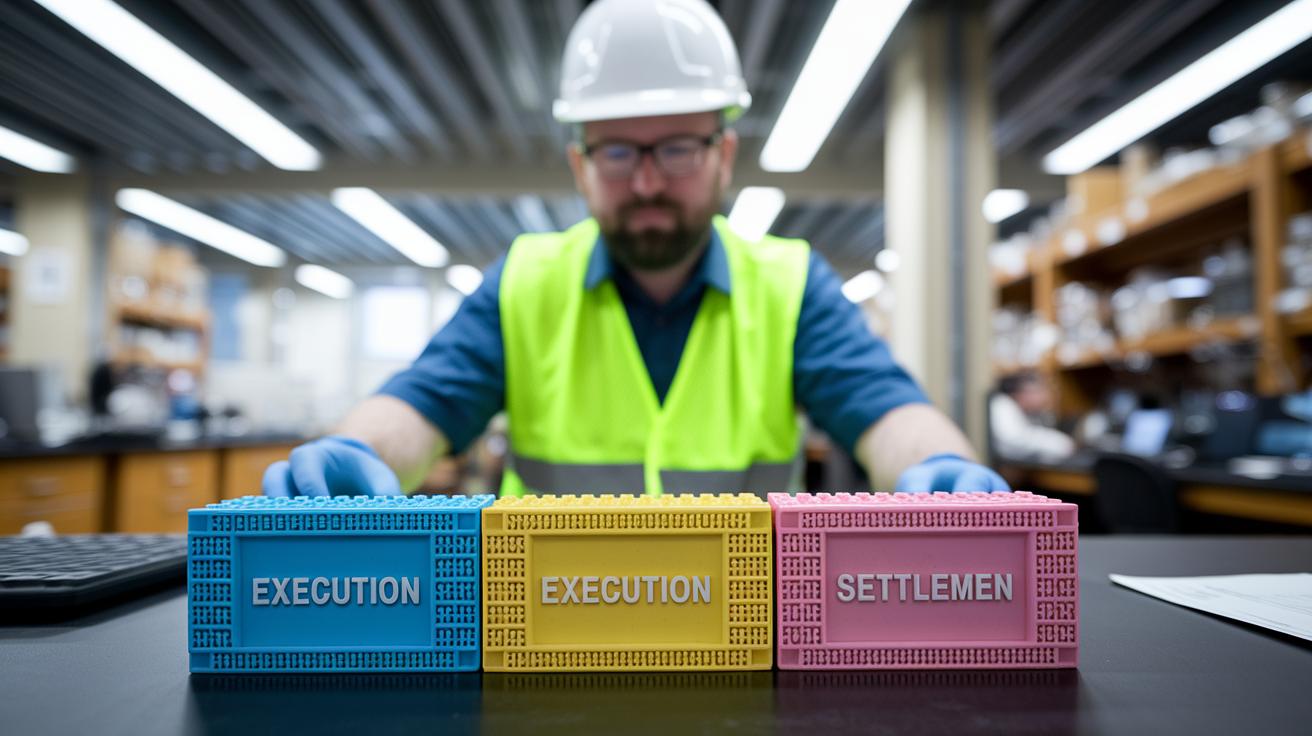
Tech breakthroughs are changing the way data moves through Layer 2 networks, which are like speedy side lanes built atop main blockchains. Developers are now using modular rollup architectures, they break down the system into parts like execution, data availability, and settlement. Imagine picking the best ingredients to create a custom recipe that perfectly fits your needs.
Proto-Danksharding is another innovation on the way. It works by bundling data into efficient packets, which can help lower costs on Layer 2. Plus, new state channel networks like Raiden and fresh channel factories are being designed to handle microtransactions and gaming with near-instant speeds, making off-chain trading feel almost immediate.
Ecosystem evolution is sparking efforts to create common standards between different chains. Cross-rollup bridges and interoperability standards are in the works so that assets can move seamlessly without reverting back to Layer 1. As these protocols mature, we’re likely to see faster transactions and more reliable networks, boosting blockchain adoption in exciting new ways.
This mix of technical innovation and teamwork is setting the stage for a future where the old issues with scalability might just be a thing of the past.
Final Words
In the action, we walked through how layer 2 blockchain solutions boost speed and lower fees by moving transactions off the main chain. We broke down how off-chain scaling, rollups, and sidechains work while addressing security and trade-offs.
The article also highlighted real-world applications and emerging trends that make digital investments smarter. Positive shifts in throughput and cost reduction promise a bright future for anyone building a dynamic, diversified portfolio.
FAQ
What is a Layer 2 blockchain?
The Layer 2 blockchain is a secondary framework built on top of a primary blockchain. It improves transaction speed and lowers fees by grouping many operations off-chain before updating the main network.
What is the main purpose of a Layer 2 solution?
The main purpose of a Layer 2 solution is to boost efficiency. It does this by taking many transactions off the main chain, which reduces costs and enhances throughput.
What is the difference between Layer 1 and Layer 2 blockchain?
The difference is that Layer 1 blockchains handle security and consensus at the base level, while Layer 2 blockchains work off-chain to process transactions faster and at a lower fee.
Is Solana a Layer 1 or Layer 2 blockchain?
The answer is that Solana functions as a Layer 1 blockchain. It manages its own consensus and security without relying on off-chain scaling solutions.
What are some examples of Layer 2 blockchains and associated wallets?
Some examples include Arbitrum, Optimism, zkSync, and Polygon sidechains. These networks often use specialized wallets that let users interact easily with off-chain scaling features.
Which networks are often listed among the top Layer 2 blockchains and what do lists include?
Top Layer 2 blockchain networks often listed include Arbitrum, Optimism, and zkSync. Lists may also feature both Layer 1 and Layer 2 projects to compare base chains with their scaling solutions.
