
Have you ever stopped to think about what keeps your online transactions safe and sound? At the heart of this security are Layer 1 blockchains, which serve as the strong base for decentralized systems. Think of them as the foundation of a sturdy building that supports everything from smart contracts (self-executing digital agreements) and tokens (types of digital money) to various apps.
These blockchains work by using simple methods like solving computer puzzles and locking up coins. This process helps secure each transaction, creating a network you can trust. In short, they power modern digital finance by making sure everything runs smoothly and transparently.
Understanding Layer 1 Blockchains: Core Foundations of Decentralized Networks

Layer 1 blockchains are self-contained public ledgers that safeguard transactions and digital records by working on their own. They rely on methods like Proof of Work (a system where computers solve puzzles to verify transactions) and Proof of Stake (a system where users lock up coins as a sign of trust) to keep things secure. Every transaction gets checked by many computers, which helps make the record safe and reliable. Think of a Layer 1 blockchain as the sturdy base of a building that supports everything built on top.
This design is built on a simple yet powerful idea, a distributed ledger that acts like a shared notebook spread across many computers. These networks power smart contracts (self-executing agreements), create tokens, and run decentralized apps. This solid foundation drives modern digital finance. Imagine it like a reliable railway track that keeps digital assets moving safely thanks to its robust structure.
Layer 2 solutions add extra layers on top to boost speed and efficiency, but they don’t take over the main role of Layer 1 blockchains. Many technical guides and public analyses show that these systems are vital for smooth decentralized operations. In short, think of Layer 1 blockchains as the strong rails that keep the whole train of digital finance running securely.
Layer 1 Blockchains Comparison: Security, Scalability, and Decentralization Trade-offs

Solana processes over 65,000 transactions per second, offering a glimpse into what extreme scalability might look like in everyday use. Imagine layer 1 blockchains as the engines powering our digital money world. Each one uses a different method to confirm transactions quickly and safely.
Take Bitcoin, for example. It uses a method called Proof of Work (where computers solve puzzles) to check transactions. This method keeps things very secure, but Bitcoin only handles about 4–7 transactions per second, which can feel slow. Ethereum, on the other hand, uses Proof of Stake (a system where users lock up their coins to help run the network) and manages around 15–45 transactions per second. This setup relies on many validators to keep the network truly decentralized.
Solana is quite remarkable because it mixes Proof of History with Proof of Stake. That combo lets it speed through over 65,000 transactions per second, much like zipping down a super-fast highway. Still, the number of validators can affect how spread out control really is. Avalanche also uses Proof of Stake but adds subnets to handle around 4,500 transactions per second, balancing performance with a wide spread of nodes. Then there’s BNB Chain, which works with a mix of staking and authority nodes to process about 55–100 transactions per second. It leans more toward performance by using fewer validators, yet it still offers decent decentralization.
| Blockchain | Consensus Mechanism | Throughput (TPS) | Decentralization Notes |
|---|---|---|---|
| Bitcoin | Proof of Work | 4–7 | High security with many miners but lower speed |
| Ethereum | Proof of Stake | 15–45 | Decentralized through validator staking |
| Solana | Proof of History + Proof of Stake | >65,000 | Focuses on speed; decentralization influenced by validator count |
| Avalanche | Proof of Stake (with subnets) | ~4,500 | Subtype architecture allows flexible decentralization |
| BNB Chain | Proof of Staked Authority | 55–100 | Optimizes throughput with a limited validator group |
These examples show the trade-offs between strong security, high speed, and a broad spread of validators. Each blockchain finds its own balance, helping investors see how speed and decentralization mix in different systems.
Top Layer 1 Blockchains by Market Cap and Total Value Locked
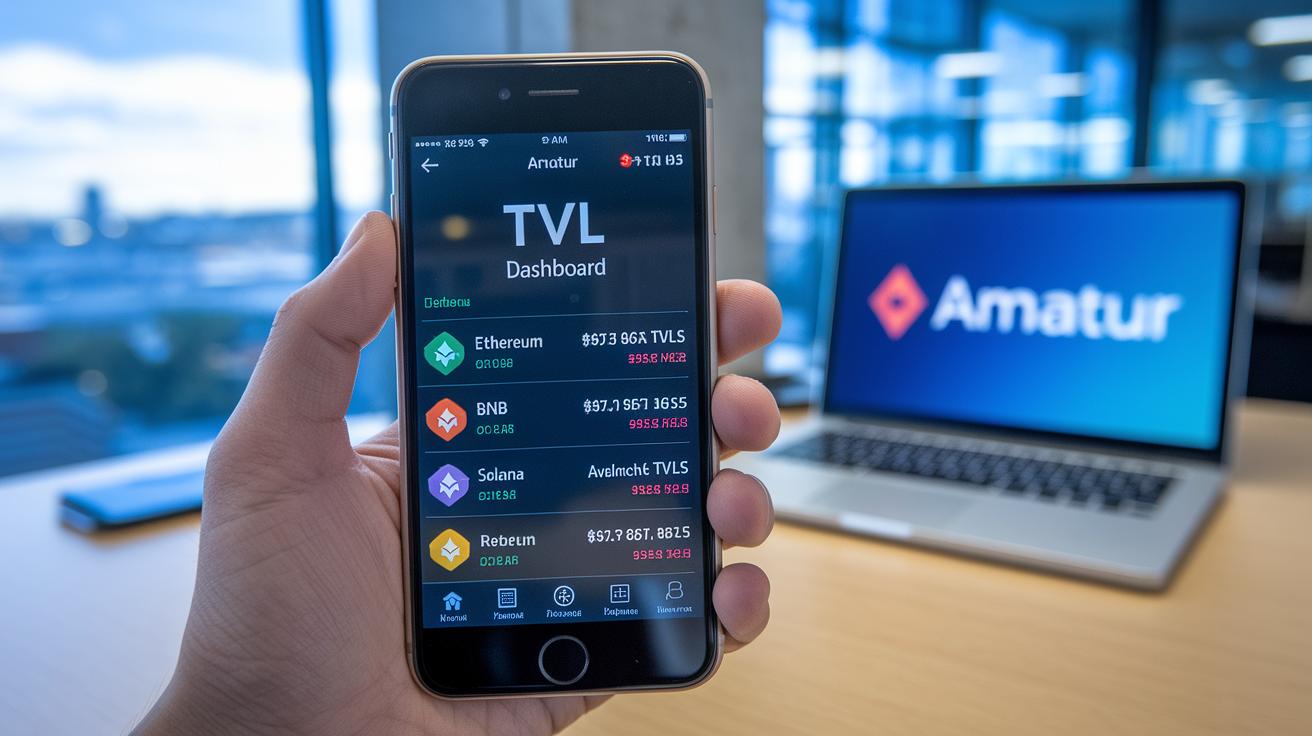
Ethereum is leading the pack with a Total Value Locked (TVL) of $49 billion as of June 2025. It has built a strong base for thousands of digital apps and smart contracts, making it the central hub for many digital asset systems. BNB Chain comes next with a TVL of $5.2 billion, showing how quickly decentralized finance is growing and creating unique value across its network.
Solana stands out with a TVL of $3.46 billion. Its fast transactions and fresh design draw in a variety of projects, which keeps its market presence lively. Avalanche, with a TVL of $1.5 billion, offers customizable subnets that let developers scale their projects easily, making it a popular choice for building robust applications.
Bitcoin, even though it’s mostly known as a store of value and uses Proof of Work (a method using complex math to secure the network), holds a TVL of $1.1 billion. This number shows that investors have a lot of trust in its long-standing security.
Other networks add even more depth to the scene. For example, Sui locks in about $557 million, while Aptos holds $342 million. Polkadot and The Open Network report TVLs of $230 million and $145 million respectively. Internet Computer sits at $88 million, and Kaspa’s TVL hasn’t been reported yet.
| Blockchain | TVL |
|---|---|
| Ethereum | $49 billion |
| BNB Chain | $5.2 billion |
| Solana | $3.46 billion |
| Avalanche | $1.5 billion |
| Bitcoin | $1.1 billion |
In short, these numbers show that market cap and locked funds go hand in hand with network adoption. It’s a clear reminder that as trust grows, so does the support for digital projects.
Consensus Mechanism Fundamentals in Layer 1 Blockchain Protocols

Proof of Work, like in Bitcoin, relies on computers solving tough puzzles to secure the network. It’s a bit like having a strong security vault that uses a lot of energy to protect your valuable assets. Really, it works hard to keep everything safe.
Proof of Stake, as seen in Ethereum, takes a different path. Validators lock up their coins as a sign of trust, which cuts down on energy use. Think of it as choosing a fuel-efficient car that still gets the job done without wasting power.
Delegated Proof of Stake is used by networks such as TRON and Sui. In this approach, only a small team of validators is chosen to create blocks quickly. It makes transactions faster while keeping the security of a decentralized system, much like electing a reliable team to make speedy decisions.
Solana moves things forward with Proof of History, which uses an on-chain clock to control data flow. This method lets many tasks run at the same time, like watching a perfectly timed clockwork system that keeps every part moving smoothly.
BNB Chain uses a method called Proof of Staked Authority. It mixes staking with trusted nodes to create a system that is both energy-efficient and secure. It shows another way to balance safety with smart resource use.
All these methods highlight how important it is to balance speed, security, and energy use in Layer 1 networks. Researchers are always looking for new ways to make these systems even more efficient and reliable for everyone involved.
Layer 1 Blockchains: Empowering Decentralized Networks

Layer 1 blockchains are changing quickly and setting the stage for a new era in digital finance. Ethereum is making big moves with sharding and rollups. Think of sharding as cutting a giant cake into smaller slices so more people can enjoy a bite faster and cheaper. These updates hint at a promising future that keeps sparking fresh ideas.
Avalanche stands out by offering customizable subnets that let developers build networks exactly the way they need. This simple yet effective method is part of a broader plan to welcome a variety of projects and boost developer creativity. And over on Polkadot, parachains work like parallel tracks to help the network expand in different directions, making everything more dynamic and connected.
Cosmos takes a friendly approach by using interoperable zones that let different blockchains communicate easily. This idea not only makes the system work better but also syncs with the latest trends in digital ledgers that aim for smooth actions across chains. Newer platforms like Sui and Sei are focusing on running tasks at the same time and ensuring safety with Move-VM, which strengthens the whole system. Meanwhile, Aptos is winning hearts with its solid developer tools and on-chain governance, showing clear signs of growing user participation.
All these upgrades and smart design choices show that the Layer 1 space is evolving fast. Every one of these steps builds on a roadmap that looks set to drive further growth and firmly establish decentralized networks as a key player in modern finance.
Designing Decentralized Infrastructure with Layer 1 Smart Contract Platforms

Layer 1 systems provide the building blocks for secure digital finance. They let us create automatic, trustless systems where transactions happen on their own. Ethereum’s EVM is like a steady engine running smart contracts, a trusted tool that powers programmable money. Avalanche and BNB Chain follow suit by matching this engine, so developers can stick with tools they know well.
Solana uses its Sealevel runtime to run many transactions at once. This keeps the experience quick and smooth for users of decentralized apps. Meanwhile, Aptos and Sui run on the Move VM. Think of building an app like cooking your favorite meal: using the right kitchen tools makes everything safer and works just as it should.
These platforms support major decentralized finance networks. They handle simple token moves and even complex automated deals. Developers get a safe space to run smart contracts while blockchain networks can grow and scale without breaking a sweat.
Key points to keep in mind when designing decentralized setups include:
- Building systems that don’t rely on a middleman.
- Making sure the platform can handle more and more transactions.
- Adding safety features like formal verification (a way to double-check code) on platforms using the Move VM.
In short, Layer 1 smart contract platforms give creators a solid and easy-to-use foundation. They make it simpler to build apps that are both secure and ready to grow, empowering digital ecosystems while keeping things efficient.
Final Words
In the action, this discussion broke down key aspects of layer 1 blockchains. We covered their essential structure, compared their security and speed, and looked at market trends. Each section aimed to shine light on the core strengths of these networks, from consensus basics to smart contract capabilities.
The insights here can help shape a smarter, well-rounded digital asset portfolio. Keep exploring and stay confident in your digital investment strategies.
FAQ
What are examples and the total count of Layer 1 blockchains?
The term “Layer 1 blockchain list” covers networks like Bitcoin, Ethereum, Solana, and Avalanche. The exact number changes over time as new projects enter the scene, forming the core decentralized finance systems.
What is a Layer 2 blockchain and are there any lists of them?
A Layer 2 blockchain is a system built on top of a Layer 1 network to speed up transactions and lower fees. Lists of these solutions typically include rollups and state channels designed to supplement the base network.
Which Layer 1 blockchains are considered top or best in the market?
The best Layer 1 blockchains, like Ethereum, Bitcoin, Solana, Avalanche, and BNB Chain, are chosen based on their balance of speed, security, and decentralization. Each offers unique trade-offs suited to various needs.
Is Solana a Layer 1 or Layer 2 blockchain?
Solana is a Layer 1 blockchain. It uses a blend of Proof of History and Proof of Stake to deliver rapid, scalable transactions while ensuring a secure, decentralized environment.
