Have you ever thought about whether how investors feel might affect your gains? Instead of just looking at raw numbers, many experts now tune into the everyday buzz from news outlets, online chatter, and simple surveys.
They use this mix of information to decide when to invest more boldly or to pull back a bit. Portfolio managers combine old-school strategies with these fresh, real-time clues to catch changes that pure data might miss.
By keeping a close eye on the market’s mood, they can make smart moves that may boost returns. In short, blending how people feel with hard facts creates a new, exciting way to manage investments.
Integrating Market Sentiment Into Portfolio Management Strategies
Market sentiment is basically the overall mood of investors, and it can push prices higher or lower than what pure numbers might suggest. We figure out this mood by looking at news, online forums, and social media chatter. Here, computers do the heavy lifting by turning text into simple, easy-to-understand scores that tell us whether people are feeling upbeat or worried.
When investors are feeling upbeat, portfolio managers might decide to add more to their investments, hoping for better returns. On the flip side, if the mood starts to turn grim, they might pull back to keep things safe. This way, managers mix old-school value techniques with fresh, real-time data, which gives them a nice edge in making smart investment choices.
Some key tools used to gauge market sentiment are:
| Indicator | What It Tells You |
|---|---|
| VIX | Estimates next-month S&P 500 ups and downs, like a price tag for market safety. |
| AAII Investor Sentiment Survey | Breaks down what retail investors feel: are they optimistic, pessimistic, or neutral? |
| CNN Fear & Greed Index | Merges factors like momentum and market breadth into a neat score from 0 to 100. |
| Put/Call Ratios | Shows hints on whether small investors or big players are more cautious or aggressive. |
| Social Media Sentiment Scores | Counts happy and unhappy mentions on platforms like Twitter and Reddit. |
By keeping an eye on these tools, portfolio managers can tweak their investments on the fly. For instance, if surveys and social media buzz show a lot of positive energy, a manager might add more funds to catch a rising trend. But if the VIX climbs or the CNN index drops, it might be time to play it safe and pull back a bit. This mix of old and new techniques helps create a strategy that is both nimble and focused on keeping risk in check while searching for those better returns.
Data Sources for Market Sentiment in Portfolio Management

Investors keep an eye on market mood by tapping into different sources like news, social media, surveys, and steady third-party indices. News feeds are analyzed with Natural Language Processing (NLP, a tech that helps computers understand human language) to give simple scores that reflect the overall tone of financial articles and newswires.
Social media is another quick window into investor feelings. Tools scan platforms like Twitter and StockTwits in real time, picking up changes in emotion almost as soon as they happen. Surveys from groups like AAII and professional forecasters also offer snapshots of how investors are feeling at different times.
When it comes to a constant pulse on the market, alternative data in the form of continuous indices is key. These third-party metrics provide daily updates on mood across both stock and crypto landscapes, keeping strategies aligned with the ever-changing market vibe.
| Data Source | Type | Update Frequency | Example Use Case |
|---|---|---|---|
| News Feeds | NLP-driven news parsing | Continuous | Checking headline sentiment |
| Social Media | Real-time mood scoring | Real-time | Spotting sudden shifts in sentiment |
| Surveys | Investor sentiment snapshots | Periodic | Tracking retail investor mood |
| Third-party Indices | Continuous sentiment metrics | Ongoing | Observing overall market vibe |
It’s important to check that data providers are both accurate and quick to update. Providers with fast, reliable feeds make it easier for you to stay ahead of market shifts and adjust your strategies as the market pulse changes.
Quantitative Models and Technical Tools for Incorporating Market Sentiment into Portfolio Management
Advanced quantitative models now mix market mood with solid valuation info to help drive trading decisions. Many hedge funds build systems that consider political and economic views along with tried-and-true market data. They set up dashboards that show real-time sentiment alongside traditional fundamentals so traders can get a full picture. Special APIs (software tools that connect different systems) power these tools, and composite rules-based methods combine several sentiment signals to help reduce false alarms.
NLP Sentiment Scoring Models
These models use simple rules and word dictionaries to score text from financial news and social media. They quickly check words and phrases, giving them numbers that reflect the market's overall mood. For instance, some systems have even picked up changes in headline tone before many investors noticed any trend shifts.
Machine Learning Emotion Models
In these setups, supervised classifiers like SVM and neural networks learn from past data to predict the mood from new market information. Think of it as teaching a computer to feel the market's pulse, so it can give insights that might guide trading decisions with more precision. By studying previous market reactions, these models help in foreseeing what could happen next.
Composite Sentiment-Factor Models
Here, raw sentiment values are combined with classic factors like momentum and value indicators. The end result is a model that balances market feelings with solid trading signals, which helps avoid getting tricked by random noise. Imagine a boost in positive sentiment paired with strong price movement, it could be the signal to step up your exposure in the market.
Backtesting, or testing these models on historical data, remains a critical step. It makes sure that both shifts in investor mood and price trends are captured accurately and translated into reliable trading rules.
Assessing Risks and Limitations of Incorporating Market Sentiment into Portfolio Management
Sentiment measures can be handy for managing your portfolio, but they often bring a lot of extra noise. They might give delayed signals or fit the data too closely, especially when the market gets rocky. For instance, very high or very low readings from tools like the Fear & Greed Index or put/call ratios can sound like a warning, even when the market isn’t in trouble. That’s why relying on just one gauge can lead to bad calls. Instead, mix these signals with broader data, like updates on earnings or changes in high-yield spreads, to get a clearer picture.
Using social media and online sources to read investor mood can also stir up concerns. When data is pulled from these sites, it may raise worries about privacy and transparency because the methods aren’t always clear or regulated. This means keeping a close eye on new rules and making sure investor information stays secure.
Good governance means checking your models regularly, keeping detailed logs, and having a backup plan when sentiment tools don’t work as expected. A strong risk management framework helps you act quickly if data strays from what you thought. These steps let portfolio managers keep things balanced while dealing with both technical quirks and ethical challenges.
Case Studies on Incorporating Market Sentiment into Portfolio Management
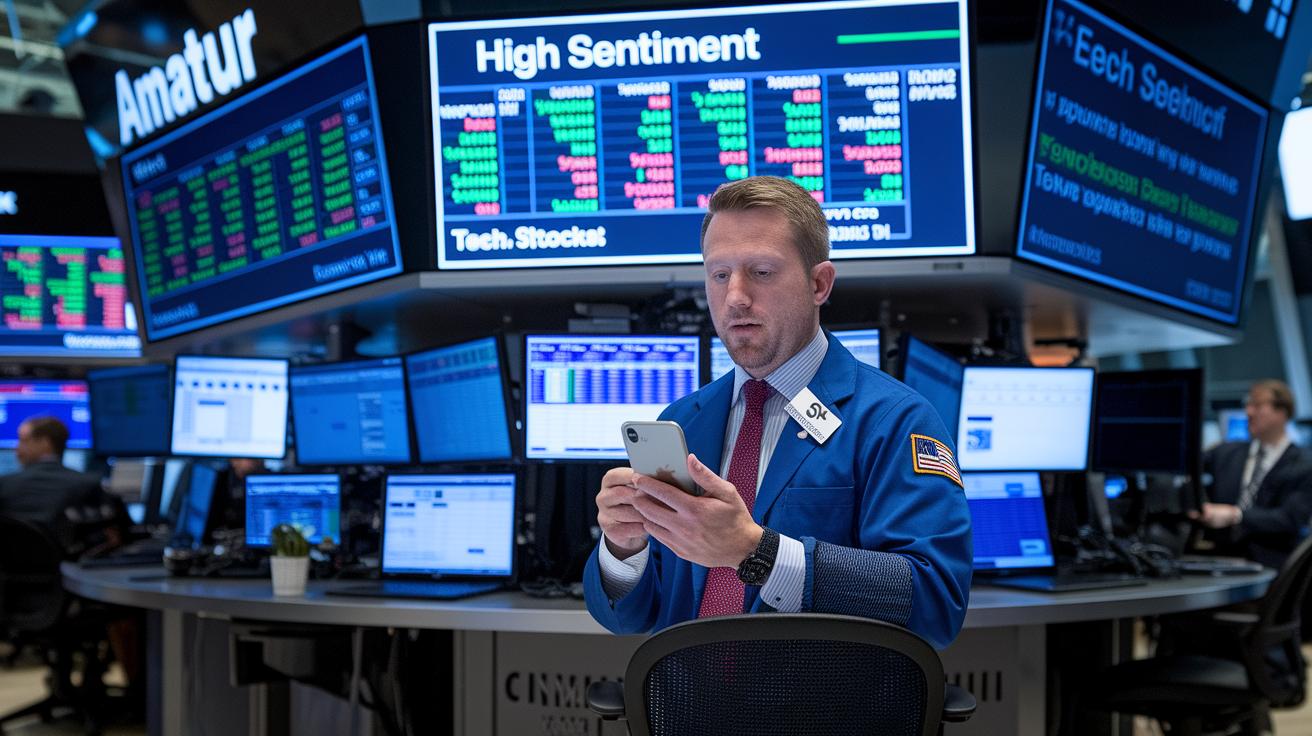
Market sentiment is not just a set of numbers; it shows how investors really feel, and those feelings can directly influence how a portfolio is managed. Here are a couple of examples that explain how portfolios can shift automatically when certain sentiment levels are met.
Equity Portfolio Example
One case involved an equity fund that moved 15% more into tech stocks after strong earnings and a boost in positive chatter on social media. In this scenario, automated rules (pre-set instructions that work without human input) activated when sentiment scores hit a high mark. The managers then transferred funds into tech stocks, already on an upward trend. This strategy helped the portfolio earn better risk-adjusted returns by taking advantage of both a positive investor mood and solid earnings.
Crypto Portfolio Example
Another case saw a crypto fund cutting its holdings by 20% when the CNN Fear & Greed Index (a tool that uses factors like market ups and downs to measure investor emotions) went over 80. This high score signaled that investor emotions were off the charts. As the sentiment settled back to normal, the fund gradually rebuilt its crypto positions. The automated rebalancing system made sure to reduce exposure during extreme sentiment swings and add back assets when the mood calmed, which resulted in a noticeable performance boost.
These examples show that by tracking clear sentiment thresholds and using automated systems, portfolio managers can capture shifts in market energy and improve performance across different asset classes. For more detailed results, take a look at the historical market sentiment case studies.
Final Words
In the action, we explored how market sentiment shapes portfolio moves using mood indicators and data-driven models. The blog broke down sentiment tools, real-time data feeds, and quantitative techniques that adjust asset exposures based on evolving cues.
Each insight shows that incorporating market sentiment into portfolio management can steer investments toward calculated, secure decisions. This blend of analytical tools and human insight sets the stage for confident financial moves and opens the door to more resilient, diversified portfolios.
FAQ
How does incorporating market sentiment into portfolio management work as an example?
Incorporating market sentiment into portfolio management means using investor mood from news and social chatter to guide decisions. When sentiment is upbeat, portfolios may increase exposure, and when it sours, risk is decreased.
What are the best market sentiment indicators and how does TradingView play a role?
The best market sentiment indicators include tools like VIX, AAII surveys, CNN Fear & Greed Index, put/call ratios, and social media scores. TradingView showcases these technical sentiment data points for traders.
What is financial sentiment analysis on GitHub and how is it used?
Financial sentiment analysis on GitHub involves community-built tools that use natural language processing to interpret market mood from news and posts. These projects guide investors in making data-driven investment decisions.
How does sentiment analysis for financial news datasets with large language models like FinBERT impact the stock market?
Sentiment analysis for financial news uses models like FinBERT to score news and report tones. This process reveals overall market mood, which can influence stock decisions by helping adjust risk and exposure levels.
