
Ever wonder if forex moves seem random or if something hidden is behind them? In forex trading, fundamental analysis shows there’s more than just pretty charts. Traders look at everyday numbers like job reports and GDP surprises (these are key economic signals) to figure out a currency’s real value.
By connecting the latest news with market prices, you might notice smart moves that others miss. This approach can give you a sharper edge when you make your trades.
Applying Fundamental Analysis to Forex Trading

When you're trading forex, fundamental analysis means digging into real-world events, like shifts in the economy, society, or politics, to figure out a currency's true value. You check important numbers such as GDP growth, inflation (the rise in prices), decisions on interest rates, and job numbers. For example, if quarterly GDP growth is better than expected, it might be a sign that the economy is solid and ready for more investment. In short, you're linking everyday news to how much a currency is really worth.
Most traders often use technical analysis, which focuses on charts and price patterns. But with fundamental analysis, you look deeper to understand why prices might change. Instead of just reading a moving average, you consider how factors like central bank meetings, election outcomes, or changes in trade policy might affect a currency's demand. Think of technical analysis as checking the heartbeat of price, while fundamental analysis tells you the story behind that number.
By using fundamental techniques, traders can gain an extra edge. When you compare a currency's true value to its current market price, you might spot a chance for profit. For instance, if a strong jobs report comes in out of the blue, it could mean the market isn't giving the currency the credit it deserves, opening up a timely opportunity to make a trade.
Key Economic Indicators in Forex Fundamental Analysis

Economic indicators give traders a clear peek into a country’s financial well-being. They help explain why a currency might move up or down, especially when government reports share fresh data.
Here are a few key measurements traders watch closely:
| Indicator | Frequency |
|---|---|
| GDP growth over four quarters | Quarterly |
| Central Bank interest rates | Monthly or during policy reviews |
| Consumer Price Index (CPI) inflation data (a measure of price changes for everyday goods) | Monthly |
| Unemployment rates | Monthly |
| Trade balance figures | Monthly |
Traders mix these stats together like pieces of a puzzle to predict where prices might go next. For example, if GDP keeps growing, it usually points to a strong economy that attracts more investments in its currency. And when a central bank tweaks its rates, many see it as a sign the government is working to control inflation, which can make that currency more appealing abroad.
The CPI shows how steady prices are, unexpected jumps can lead to quick shifts in demand for a currency. At the same time, high unemployment might hint at economic troubles, while a healthy trade balance can mean more exports and a stronger currency.
Ever notice how a surprising spike in unemployment can make traders rethink their short-term plans? By putting together these regularly updated numbers, forex traders can better decide when to jump in or step aside, blending these insights with technical signals and the bigger economic picture.
How Central Bank Policies and Interest Rates Drive Forex Markets

Central banks like the Fed, ECB, BoJ, and Bank of England set base interest rates that shape how much money is available and influence market behavior. These decisions act as a guide for traders, offering clues about when money might become more or less easy to access (liquidity is simply how quickly an asset can be turned into cash). It’s much like turning a faucet, if you restrict it, the flow slows down; if you open it, money flows more freely.
Central banks also use rate hikes to tighten the money supply. When interest rates rise, borrowing becomes more expensive, which can make that currency more attractive to investors. Picture a scenario where a surprise rate increase sends stocks and bonds into a frenzy as traders rush to earn higher returns; this typically causes the currency to gain strength, at least for a while.
On the flip side, cutting interest rates generally boosts the money supply. Lower borrowing costs encourage spending and investment, which can weaken the currency. Imagine a sudden rate cut sending gentle ripples through the market as extra money floods in, pushing the currency’s value down.
Traders often plan their moves around the dates of central bank decisions and the release of meeting notes. By keeping a close eye on these events, they can adjust their positions ahead of expected market swings, making smarter and more informed choices.
Evaluating Geopolitical and Global Events in Forex Fundamental Analysis

Forex markets can shift quickly when big world events shake up economies. Think about a pandemic that disrupts supply lines, suddenly, currency values start moving in unexpected ways. Political conflicts, border disagreements, or natural disasters often set the stage for sudden moves in currency prices. And as traders compare everyday news with solid data, the overall mood in the market can change in a heartbeat.
There are a few key events that tend to stir up the market. For example, health crises like virus outbreaks can jolt everyday market routines. Political conflicts may trigger a rush of caution among investors, while shifts in policies, like changes in trade deals, can send strong signals to the market. Social movements or protests can also spotlight economic stress, subtly shifting market dynamics.
Traders keep a close eye on these developments to better understand market psychology and predict short-term price changes. By balancing hard data with market sentiment, they’re able to spot hints of potential opportunities. It’s like reading the subtle cues of a conversation, each piece of news may signal that a smart move is just around the corner.
Leveraging the Forex Economic Calendar for Fundamental Insights

A forex economic calendar is like your daily market forecast. It shows key events, like interest rate choices, employment numbers (how many people are working), and GDP updates (how much an economy is producing), that guide traders on when the market might shift suddenly. Picture this: spotting a major announcement on the calendar today can be like a weather alert that warns you of an incoming storm for currency prices. The calendar gathers fresh data from government bodies and financial institutions, letting traders see which news might spark market volatility.
Understanding each event's impact level is really important. These calendars often label events as low, medium, or high impact based on how much they might move the market. Think about it like this: a retailer once bumped up foot traffic by 30% just by sharing a neat weather update on social media. In trading, if a high-impact event lines up with a big job report, traders know it might trigger significant price changes. By focusing on the high-impact news and letting the smaller details pass, traders can save time and avoid clutter.
Integrating calendar alerts into your daily routine can help you plan smart entry and exit moves. Many traders set up notifications ahead of crucial releases so they have a moment to adjust their positions in time. In short, this approach turns a list of dates into a clear, organized plan that guides each smart move in the currency market.
Quantitative vs Qualitative Approaches in Forex Fundamental Analysis

Forex fundamental analysis can be split into two main ways of thinking. One way uses hard numbers, while the other leans on observations that aren’t quite numbers. Quantitative analysis relies on data like GDP (the total value of a country's goods and services), CPI (how prices change over time), interest rates, and unemployment numbers to check an economy's strength. Meanwhile, qualitative analysis looks at things like a nation's political stability, any shifts in regulations, and the overall mood in the market. When you put these two methods together, you get a clearer picture of a currency's real value versus its current market price.
Top-Down Approach
The top-down approach means starting with the big picture, looking at national or even global economic trends, and then zooming in on specific currency pairs. When a country shows strong economic signals, traders often quickly seek the currency pair that might benefit most in the short run. For example, a sudden jump in GDP (a sign of economic growth) can prompt traders to keep an eye on that nation’s currency.
Bottom-Up Approach
In contrast, the bottom-up approach begins with examining individual currency pairs first. It looks closely at the small details that affect each pair. This method builds a complete market view over time by analyzing the unique factors of each pair. It works especially well if you’re planning on holding positions longer, because even small shifts can gradually change the market’s direction.
Sometimes, short-term trades may benefit more from the big-picture top-down style, while long-term strategies might be better served with the detailed, pair-by-pair analysis of the bottom-up method.
Combining Fundamental and Technical Strategies in Forex Trading
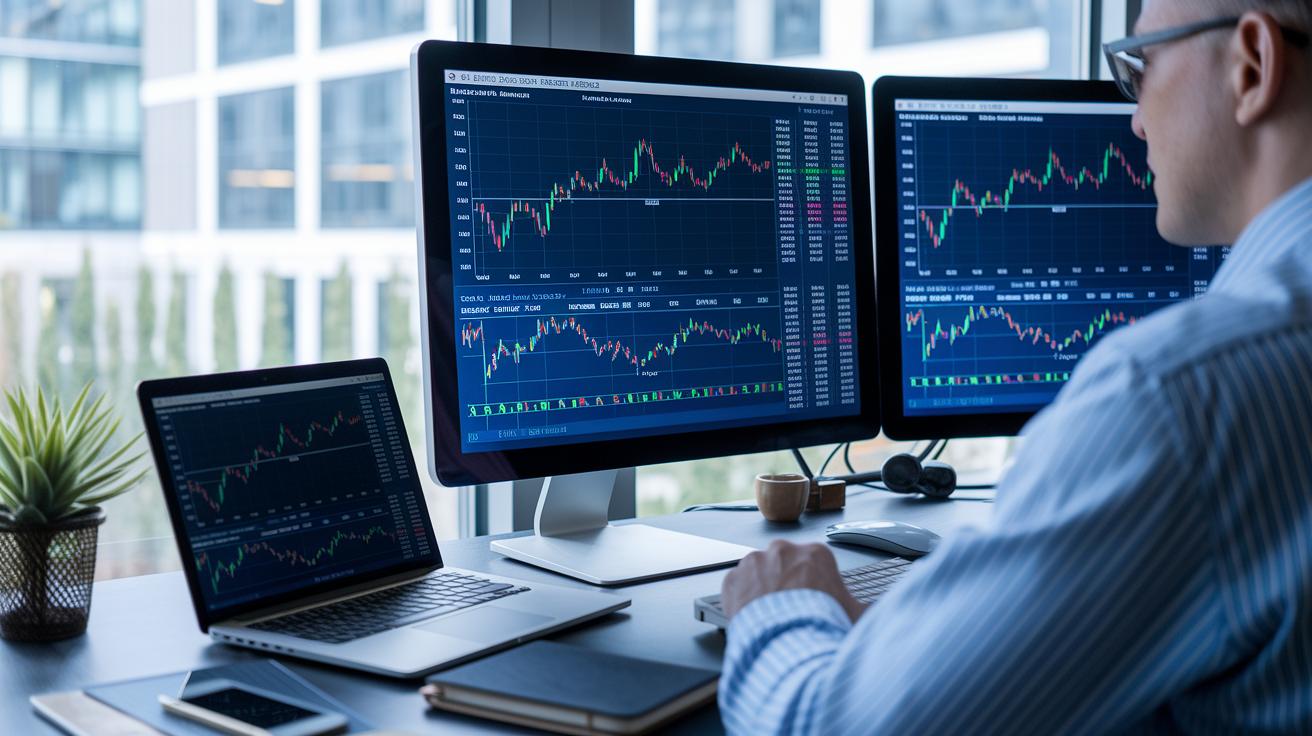
Using both fundamental and technical methods is a smart way to see the full story of the market. Technical analysis looks at price patterns and chart signals to help traders spot short-term trends. At the same time, fundamental insights, like economic reports and central bank decisions (for example, how a central bank’s move can shift the market), explain why these trends happen. This mix helps traders decide when to jump in or step out based on both the visible numbers and the economic forces behind them.
One simple way to line up economic events with chart patterns is by watching for key data moments. For instance, when a rate announcement hits, you might see a sudden change in price that either backs up or challenges a technical signal. Many traders blend trusted chart methods with economic news dashboards, sometimes checking out resources like this link on technical analysis in forex (https://nftcellar.net?p=2151). It’s a practical method to catch the right moments for a trade.
Mixing these strategies also makes it easier to control risk. When a big economic report is coming out, traders might tweak stop-loss levels or adjust how much of their position they hold if the news shifts market mood. Using economic cues to support technical signals can help keep losses small during wild market swings. In short, combining both approaches gives you a more reliable way to back every trade with clear data and real trends.
Final Words
In the action, we examined how understanding fundamental analysis in forex trading can enhance decision-making. We broke down economic indicators and central bank policies so you could see how macroeconomic shifts affect currency moves. The post also compared numerical data with softer, qualitative insights and discussed blending these strategies with chart patterns. This hands-on guide gives you clear steps to secure diversified decisions and spot market signals. Keep pushing forward with a spark of optimism and stay ready for fresh opportunities ahead.
FAQ
Where can I find a free PDF for fundamental analysis in forex trading?
Free PDFs for fundamental analysis in forex trading are available on educational platforms and financial sites. They offer downloadable guides that explain key economic data and market trends.
What is the best forex fundamental analysis site?
The best forex fundamental analysis site typically features in-depth economic reports and clear market insights, giving traders reliable data to compare intrinsic currency values with market prices.
Where can I find forex fundamental analysis courses or books?
Numerous trading education sites and respected publishers offer courses and books on forex fundamental analysis that break down economic indicators and analytical methods using real-world examples.
What is the 5-3-1 rule in forex?
The 5-3-1 rule in forex sets guidelines for managing risk and making trade decisions, with each number representing a specific aspect of trade sizing or evaluation criteria.
What is the best fundamental indicator for forex?
The best fundamental indicator for forex trading is often central bank interest rates, as these directly affect a currency’s supply and value, though GDP and inflation figures remain key.
What is the 90% rule in forex?
The 90% rule in forex is a guideline used in risk management, suggesting that a trader should consider limiting exposure to 90% of their available capital under certain market conditions.
What are the three types of analysis in forex?
The three types of analysis in forex are fundamental, technical, and sentiment analysis. Fundamental focuses on economic data, technical analyzes price charts, and sentiment measures market mood.
