
Have you ever thought about whether your investments are really working for you? Think of a portfolio check as a simple health exam for your money. It shows you how every piece of your investments is helping you reach your goals, just like picking the right foods for a balanced meal.
Today, we’re going to chat about how looking at your portfolio’s performance and risk can boost your investing game. So, are you ready to see if your financial mix is as strong as you imagine?
Portfolio Analysis Overview: Defining Objectives and Core Components

Portfolio analysis is like giving your investments a quick health check. You take a good look at each asset to see if they work together to meet your money goals and how much risk each one brings. Think of it like planning a balanced meal, you want enough variety and the right mix of ingredients to keep your financial engine running smoothly.
The process goes in steps that help you make better decisions as time goes on. First, you set your investment goals and picture what you expect from your portfolio. Next, you gather data on performance, allocation, and risk levels, much like checking the ingredients in your pantry. Then, you compare this real-world mix with your original plan and even industry benchmarks. Finally, you measure how well your strategy is doing and see if any adjustments are needed. It's a bit like tuning a musical instrument to stay in sync with the market's rhythm.
- Structure review: Check if your mix of assets lines up with your goals.
- Performance evaluation: Measure if your returns are hitting the mark compared to your expectations and industry standards.
- Risk assessment: Ensure each investment's risk is in balance, keeping your overall portfolio steady.
Portfolio Performance Analysis: Evaluating Returns and Benchmarks

When you check how your portfolio is doing, you first look at the overall returns and then compare them with well-known benchmarks. This simple step helps you see if your investments are performing as you hoped. For instance, matching fund returns with market trackers like the MSCI World Index or MSCI World Growth Index (which show global market trends) gives you a clear picture of your position in the market. You can also look at cumulative returns, annualized returns (which spread gains over each year), and rolling period returns to spot steady trends or changes over time. And don’t forget dividend yield, which points to the income potential when prices are considered.
Reviewing these numbers gives you a straightforward view of how your investments measure up to market standards and your personal financial goals. Many investors start with these metrics to figure out what’s working well and where they might need to improve. Next, by carefully comparing these figures to your benchmarks, you build a strong base for making better investment decisions.
| Metric | Definition | Use Case |
|---|---|---|
| Annualized Return | Return spread out over each year | Shows performance consistency |
| Benchmark Relative Return | Performance compared to a benchmark index | Highlights relative market positioning |
| Dividend Yield | Annual dividend income divided by current price | Indicates income potential for value-focused strategies |
Risk Analysis in Portfolio Evaluation: Metrics and Methods
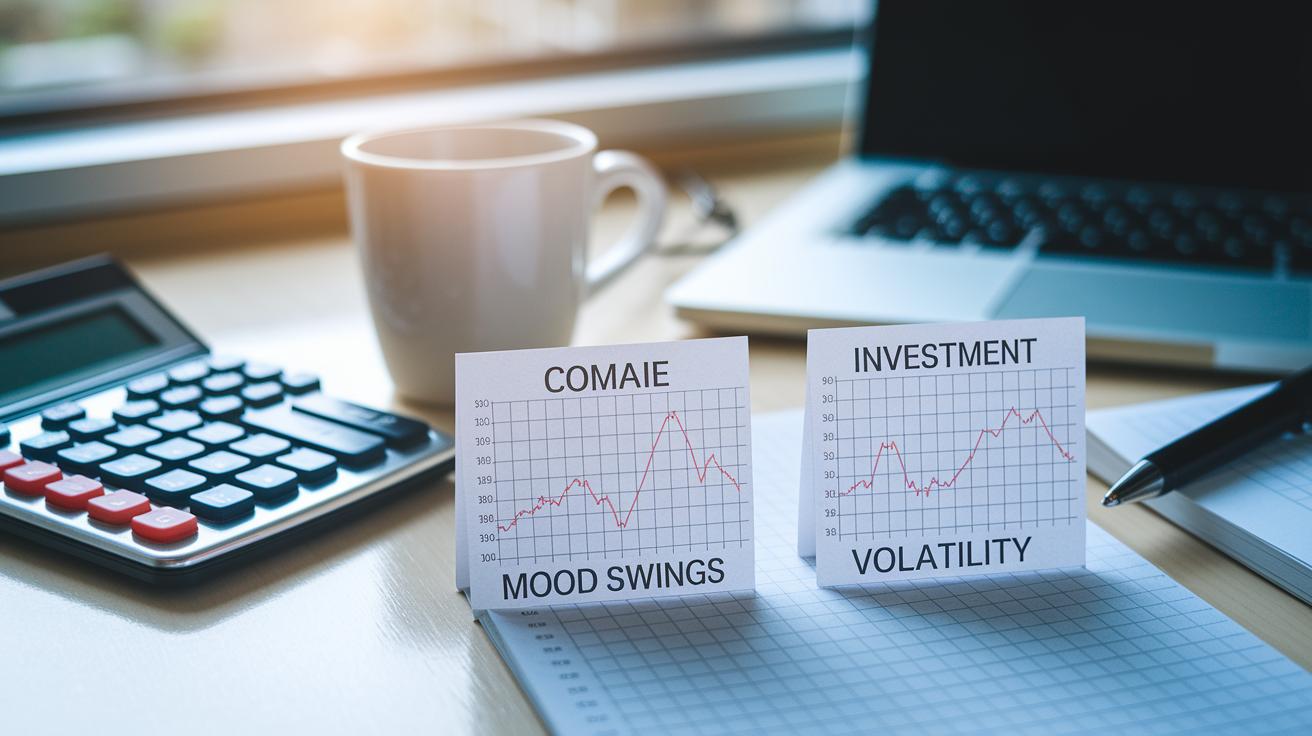
When you check your portfolio’s risk, start by looking at its mood swings. This means measuring its volatility (how fast and big the price changes) and drawdowns (the declines from its highest points). You then compare these numbers to familiar benchmarks like market indices or similar groups, so you can see if your investments are moving with the market or taking a riskier path. Think of it like comparing two rides, one that’s smooth and steady, and another that feels like a roller coaster.
Next, it helps to look at risk-adjusted returns to see if the rewards are worth the risks you’re taking. Tools like the Sharpe Ratio break down the extra returns (the gains above a safe, risk-free rate) against overall volatility. Then there’s the Sortino Ratio, which focuses only on the downside risks (the bad swings that can hurt your gains). For example, if a portfolio has a Sharpe Ratio of 1.2 and a Sortino Ratio of 1.8, it tells you that you’re getting a fair reward for the risk overall, and it manages potential losses even more effectively.
Portfolio Allocation Frameworks and Diversification Strategy Evaluation

When you decide where to put your money, asset allocation is like planning a well-balanced meal. You mix different types of investments, such as stocks, bonds, and alternatives, based on what you expect from the market and your personal goals. This method helps you match your money to your goals and manage market ups and downs. A smart mix of assets can keep your overall risk steady while still giving you room to grow.
Diversification is all about spreading your investments so they don’t all move in the same direction. Imagine it like balancing flavors, if one ingredient isn’t as good, the others still make the meal enjoyable. In short, it helps lower the risk tied to any one investment. Here are four common strategies to guide your planning:
- Strategic Asset Allocation
- Tactical Asset Allocation
- Dynamic Asset Allocation
- Core-Satellite Allocation
Modern investment ideas support these strategies. Tools like the efficient frontier (a chart showing the best return you can get for a certain level of risk) and risk-return trade-off (seeing the balance between potential gains and losses) help you imagine different outcomes. These tools simplify the wild ride of market changes into a recipe that’s easier to follow. For a closer look at how to set up a multi-asset portfolio, check out Example of Asset Allocation.
Portfolio Quantitative Optimization Techniques: From Efficient Frontier to Monte Carlo

Portfolio optimization is about finding the best mix of investments to get good returns while keeping risks in check. Think of mean-variance optimization like following a recipe: you mix different investments to balance taste (returns) with a touch of spice (risk). With efficient frontier mapping, you see a clear picture of ideal investment blends for various risk levels. Imagine laying out several investment options and choosing the one that offers the best reward with the least worry.
Monte Carlo simulation goes a step further by testing portfolios under many different market conditions. It works by using random samples to show how returns might change over time. Picture rolling dice many times to explore all the possible outcomes for your strategy. This approach gives you a range of results, from calm periods to big swings, so you can understand how your portfolio might react when the market shifts. In short, it's a strong tool that helps you know what ups and downs to expect, making you feel more confident in your investment choices.
Leveraging Digital Tools for Automated Portfolio Evaluation

Today, smart software and data tools help you manage your portfolio without the usual hassle. They work like a friendly assistant that keeps an eye on your investments, updating how they perform and how risky they might be right as things change. Imagine you’re enjoying a cup of coffee when a quick alert shows a small shift in your asset mix. That’s automated evaluation in action, cutting out manual checks and common mistakes. With handy features like quick rebalancing alerts, live data feeds, and customizable dashboards, you get a clear, real-time overview with just a glance.
Best practices now lean on AI-driven apps and finance API tools (systems that pull data from many sources) to boost your portfolio insights. Picture a setup that not only gathers information but also spots trends and signals when things stray from your goals. This smart system cuts out guesswork, keeps your investments in tune with market changes, and lets you react faster. In short, combining digital review tools with automated evaluation turns old-school portfolio management into a smart, agile process.
Portfolio Reporting and Continuous Management: Health Indicators and Real-Time Dashboards

Advanced reporting now does more than just show basic numbers. With tools like machine learning-based segmentation (which groups similar data points for clearer insights) and anomaly detection (which spots unusual patterns), you can catch early signs of change. Imagine a system that alerts you to sudden shifts in volatility, as if a sensor were telling you the room just got a bit too warm, prompting you to check for any risks.
Real-time analytics are also stepping up. Think of a dashboard that isn’t just static but interactive, with live heat maps and time-series graphs that show trends as they happen. Picture a mobile-friendly display where a heat map shifts colors to highlight underperforming areas, much like a traffic light turning red when congestion builds. This gives you a clearer picture of your portfolio’s overall health.
Final Words
In the action, we explored how a clear portfolio analysis breaks down objectives, risk factors, and performance measures. We looked at key steps, from evaluating returns to balancing risk via quantitative methods.
The article highlighted modern tools that offer real-time insights and simple strategies for diversified asset allocation. It all adds up to strategic portfolio analysis, opening doors to confident and smart digital investments.
Keep refining your approach and remain positive, your portfolio is set to grow and evolve over time.
FAQ
What is portfolio analysis?
The portfolio analysis is a process that evaluates your investments, looking at performance, risk, and asset alignment so you can adjust your holdings to better meet your financial goals.
What is the aim of portfolio analysis?
The portfolio analysis aims to assess performance, risk, and asset distribution so you can align your investments with your financial goals and decide on necessary adjustments.
How can I analyze my portfolio?
The portfolio analysis process involves reviewing each asset’s performance, measuring risk exposure, and comparing returns against benchmarks to ensure your holdings match your financial goals.
What are some examples of portfolio analysis in areas like finance, strategic management, and marketing?
The portfolio analysis method applies in finance by comparing returns to indices, in strategic management by reviewing business holdings, and in marketing by evaluating brand performance to guide strategic decisions.
What free portfolio analysis tools are available?
The portfolio analysis process benefits from free online tools, including AI-powered applications and automated software, which provide real-time updates, performance tracking, and risk assessments.
Are there any courses or PDFs available for portfolio analysis?
There are portfolio analysis courses and PDFs that offer structured guides and practical examples, making it easier for both beginners and experienced investors to refine their evaluation techniques.
How do specific brands like Fidelity and Morningstar support portfolio analysis?
Fidelity and Morningstar support portfolio analysis by offering robust tools that deliver detailed performance data, risk assessments, and benchmark comparisons to help you make well-informed investment decisions.
