
Ever noticed how a small change in the number of buyers or sellers can push crypto prices up or down in a flash? Take Bitcoin, for example. This digital coin, which many consider a store of value, can suddenly jump or drop in value with just a tiny shift in market forces.
In this post, we're chatting about what moves crypto prices. We break down how everyday supply and demand, the overall mood of the market, government rules (regulatory moves), and the daily use of tokens all mix together to influence price swings.
Each of these factors plays its own part, creating shifts that keep investors alert and ready for what's next. Get set for a clear, friendly look at the forces behind crypto trends.
Essential Drivers of Crypto Market Trends
For any investor, knowing what pushes crypto prices up or down is the first step. The market moves because of supply and demand. Even tiny changes in how much people want to buy or sell can cause big price swings. Just think about Bitcoin, its value has jumped from as high as $124,000 to as low as $0.04865. That shows how quickly things can change when buyers and sellers don’t match up.
When you understand these basics, it becomes easier to see why tokens hold their value. Terms like tokenomics cover ideas such as supply caps (the maximum number of tokens that can exist), burns (when tokens are removed from circulation), and consensus mechanisms (methods to verify transactions). Together, these elements help shape a token’s true worth. And when a token is used for paying gas fees, like BNB or ETH, its everyday use boosts demand, especially when there are thousands of projects in the mix. Liquidity, which is how quickly an asset can be turned into cash, also matters, a well-known coin with high liquidity usually has a steadier price compared to a newer token that might fall fast.
- Supply-demand changes
- Market mood
- New regulations
- Big institutional moves
- Broader economic trends
- Fresh technological ideas
- How easily tokens can be bought or sold
- Everyday uses of the network
All these factors mix together to create a market that never stands still. A small change in supply or demand can quickly shift the overall mood. New regulations might boost interest or make investors a bit cautious. Big players and economic events can widen or narrow how active the market is. Even new technology or everyday use of a token adds another layer to how it’s valued. In short, every small shift in one area can ripple through the entire market, so it pays to keep an eye on each one.
Macroeconomic Drivers Impacting Crypto Market Trends

Even in the world of crypto, the ups and downs we see in traditional economies play a big part. When we experience recessions, booms, or changes in interest rates, these events send waves through all kinds of markets. You know how policies about money, rising prices, and how confident people feel can shake up stocks and bonds? Well, they do the same to digital money, too. Many investors notice that crypto often moves in step with these age-old financial rhythms.
Think about the Covid-19 period. Even with lots of uncertainty around us, crypto values sometimes shot up unexpectedly. In some places, where traditional money lost value or inflation was hot on the heels, digital currencies stepped in as a kind of backup plan. In short, when big economic pressures hit, like steep inflation or shifts in government spending, it can lead to quick sell-offs or surprising gains in the crypto market.
Today, when central banks change how they manage money, it stirs up feelings in the market. Investors quickly rethink what’s risky and adjust their portfolios accordingly. Plus, the idea of central bank digital currencies (a secure, digital version of a country's currency) adds another twist to how crypto gets its value. Many people even use detailed financial models, as you can check out in this link: Quantitative analysis techniques in finance, to better understand these effects and align their strategies with global money rules.
Trading Volume Fluctuations and Technical Analysis Trends in Crypto
Volume spikes in digital tokens often hint that a price change is coming. When tokens are exchanged more quickly, it can be a sign that big shifts are on the way. Traders rely on these clues, especially since the crypto market tends to move faster than traditional markets.
Tools that use past price data, like charts and numbers, help predict where prices might go next. Think of patterns such as support (a price level where tokens rarely fall) and resistance (a level that tokens struggle to go above). They guide investors on when to buy or sell. For example, if prices stay above a strong resistance, it might be a sign to feel a bit hopeful. You can learn more about these methods with Charting in technical analysis.
The use of bots and automated trading strategies also adds to market moves. High-speed trading can trigger sudden bursts in volume, which may make prices swing even more. These automated tools digest loads of data in moments and can make quick decisions that change market moods. Traders often keep an eye on these shifts to catch early signals.
Mixing volume data with chart clues gives a fuller picture of market behavior. When you blend insights from sudden volume changes with chart patterns, you can manage risk better. Many experts even point to Risk management in technical analysis to fine-tune their strategies during more volatile times.
Regulatory Shifts Influencing Crypto Market Trends
Rules around the world can have a big impact on how digital assets are traded. Many nations update their guidelines to keep investors safe while opening up new opportunities for crypto fans. When regulators put strict limits on exchanges or token sales, prices can drop quickly. This reminds everyone that clear and steady rules are key to smoother markets.
Imagine a country that suddenly tightens its standards for digital projects. Investors often react fast, and that change might drive prices down because people worry about more rules to come. But when new rules help secure security tokens (digital tokens tied to real assets for safe trading) and stablecoins (digital coins designed to keep a steady value), traders gain more confidence. This boost in trust can lead to a more stable market, especially when everyone sees a plan to handle risks.
Across different regions, varied rules add a layer of uncertainty. Investors watch for even small changes because tiny policy updates can shift market trends. Over time, as countries start aligning their policies, we might see trading become steadier with fewer sudden swings.
Institutional Backing’s Impact on Crypto Market Trends

Big financial players, like funds, ETFs, and even corporate treasuries, are pouring money into digital assets. When well-known companies put their trust in cryptoassets, everyday investors feel encouraged to join in. This steady support builds a stronger, more stable crypto market.
New tech in high-performance computing and AI is changing how crypto mining works. These tools help confirm transactions faster and at a lower cost. As tech companies report solid earnings, their wins spread good energy across the crypto world. In short, better computing power and smarter systems give people more confidence in blockchain security and its future.
Trading tools like perpetual futures and options have made digital markets more liquid. These advanced derivative products let investors manage risks and grab gains when the market shifts. They add flexibility and control, making the whole market feel more responsive and dynamic.
DeFi systems, including yield farming and liquidity mining, help keep prices steady. By rewarding people for holding tokens, these decentralized methods make it easier to buy and sell assets. This constant token flow supports a resilient market where both big players and regular investors feel secure.
Investor Psychology and Market Cycle Patterns in Crypto Trends
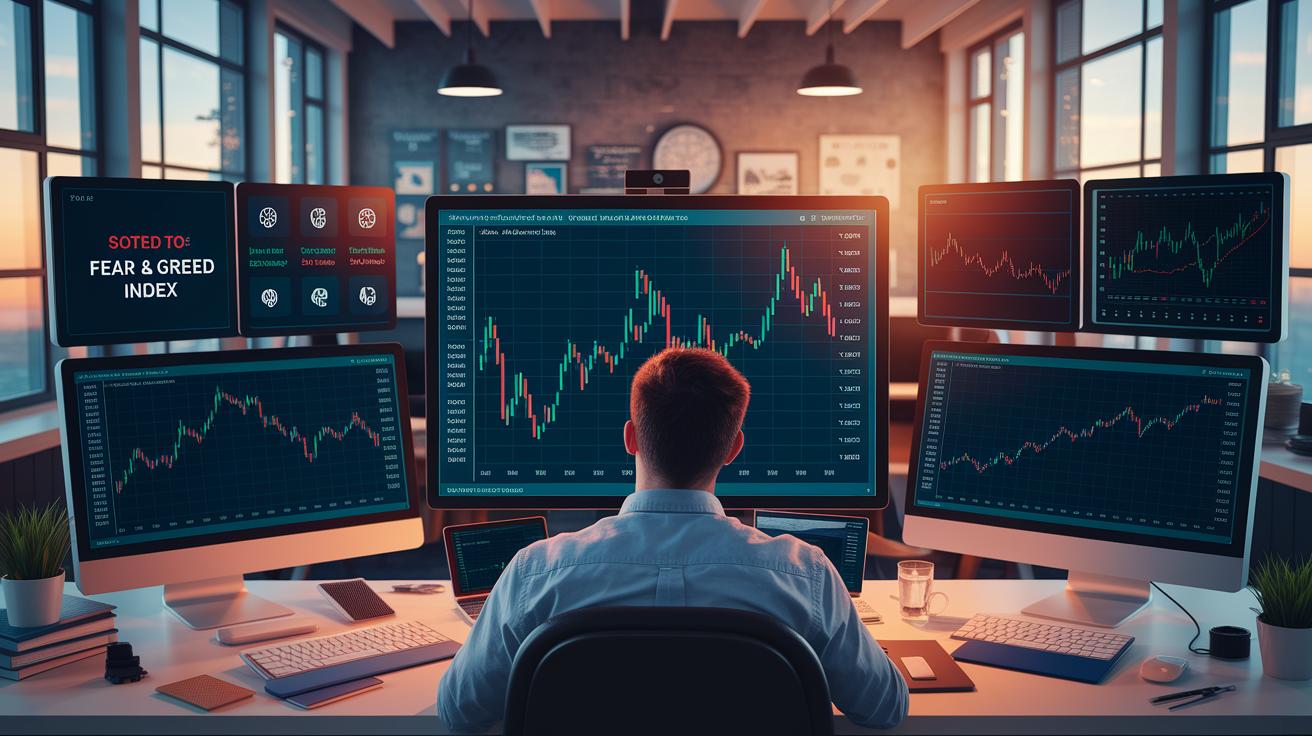
Investor mood can really shape the crypto world. When everyone is feeling upbeat during a rally, prices often climb. But when worries set in, prices can tumble quickly. Tools like the Fear & Greed Index (a simple gauge of market emotions), social media buzz, and on-chain data (which shows live transaction activity) give us handy hints about these feelings. Traders watch these clues closely to know when optimism is peaking or fading.
Crypto trends change much faster than the traditional markets. Sometimes, periods of price rises and falls come at a pace that feels like you’re hitting a fast-forward button on market behavior. Watching live data lets you catch those small shifts in mood that often hint at a turning point. It’s almost like noticing the subtle hum of market activity before a big change happens.
- Fear & Greed Index readings that show overall market feelings
- Social media stats that reflect what people are talking about
- On-chain activity that reveals real-time engagement
- Rising prices during times of high optimism
- Sudden drops that mark corrections
- Quick cycle phases that are unique to digital currencies
- Tools for tracking market sentiment: Tools for measuring market sentiment
So, what’s the takeaway? Using cycle analysis means adjusting your strategy to match these mood markers. When the market seems overly excited, it might be a good idea to be cautious. And when early signs of recovery show up, that could be your chance to step in. By keeping track of these clear signals, you can fine-tune your plan and stay ahead of fast shifts in crypto trends.
Blockchain Innovations Catalyzing Crypto Market Trends

Layer-2 scalability ideas help systems work faster and cost less. They make it possible for blockchains to handle more transactions with ease. Think of it like adding extra lanes to a busy highway, so everything flows smoothly. New methods like proof of stake (a way for holders to vote based on their stake) and sharding (splitting data into smaller chunks) cut energy costs and boost efficiency. Plus, smarter smart contracts let blockchains do much more than just process payments.
DeFi protocols, such as automated market makers (programs that automatically trade assets) and yield farming (earning rewards by staking crypto), bring fresh liquidity to digital asset trading. The rise of stablecoins, which keep value steady in unpredictable markets, helps traders feel more secure. Enhanced smart contracts also enable a broader range of decentralized financial tools, expanding what digital finance can achieve.
Expanding cross-chain bridges (tools that connect different blockchains) and stablecoins have made it easier for various blockchain networks to interact. This progress lets different digital ecosystems communicate and transfer assets more seamlessly. These breakthroughs open the door for new protocols to develop, offering users increased flexibility and improved security. As blockchains continue to grow and link together, ongoing innovations keep driving the market forward.
Final Words
In the action, we broke down crypto market trends from the basics of supply and demand to key technical and regulatory shifts. We unraveled how tokenomics and liquidity make waves in digital currency trends analysis while showing how investor sentiment shapes market cycles.
Each section paints a clear picture of valuation influences on digital assets and supply-demand mechanics in token economies. With these insights, investors can confidently build portfolios that thrive on steady market momentum.
FAQ
Q: What are the key drivers of crypto market trends, especially in recent years like 2021 and 2022?
A: The key drivers of crypto market trends include supply-demand dynamics, tokenomics, market sentiment, and regulatory changes. These factors work together to shape price movements and overall market behavior.
Q: How are crypto markets correlated with macroeconomic factors and indices like the S&P 500 and dxy?
A: The correlation between crypto markets, the S&P 500, and dxy shows how global economic forces and investor moods can influence digital asset values, though these relationships change based on market conditions.
Q: What drives crypto trades up and the main values of cryptocurrency?
A: Crypto trades and values are boosted by shifts in supply and demand, investor sentiment, and the inherent utility of the tokens. These elements together guide market activity and valuation.
Q: What is the 1% rule in crypto?
A: The 1% rule in crypto is a risk management guideline suggesting that traders risk no more than 1% of their total portfolio on a single trade to protect against sudden market swings.
Q: What is the XRP Ledger?
A: The XRP Ledger is an open-source blockchain network designed for speedy and low-cost transactions. It supports the XRP digital token and aims to provide efficient and reliable cross-border payment solutions.
Q: What are Dogecoin, Solana, XRP, Litecoin, and Bitcoin Cash in crypto?
A: Dogecoin, Solana, XRP, Litecoin, and Bitcoin Cash are well-known digital tokens, each offering unique technology, communities, and use cases that provide diverse investment opportunities beyond Bitcoin.
