Ever thought your phone's photos and files might be more than just memories? They could actually be smart investments. Digital assets are not just backup data, they cover things like Bitcoin, a type of online money that uses secure records to build trust, and special tokens that change how we store and share value. In short, these modern tools are catching the eye of investors, reshaping our views on money and creativity, and opening the door to exciting, new opportunities.
Defining Digital Assets: Core Concepts and Classifications
Digital assets are basically valuable files stored on your computer or online. Think of them as more than just data. They can power your favorite movies or music, help run businesses securely, or even serve as digital keys for signing important transactions. They range from everyday stuff like photos, documents, and videos to more advanced items like cryptocurrencies (digital money like Bitcoin, explained as secure digital coins) and one-of-a-kind tokens.
These assets touch both your personal life and professional world. For example, on a personal level, they help us keep our memories safe and manage our photos and videos. In the business world, they power secure document handling and smooth transactions. And here’s something to consider: the real worth of these digital files often comes from the time, skill, and effort put into creating them. When Bitcoin appeared in 2009, it changed the game by using a special type of record book (a secure, distributed ledger) that built trust without needing a central boss.
- Basic files like photos, documents, and videos
- Rich media such as audio and interactive content
- Cryptocurrencies, which are digital forms of money like Bitcoin
- NFTs that are unique and cannot be swapped one-for-one
- Tokenized properties that digitally represent ownership
Digital assets carry value that comes from the creativity and work behind them, think of a well-crafted eBook compared to a quick snapshot. Bitcoin’s arrival was a turning point, using that secure digital ledger I mentioned before to earn trust. This breakthrough opened up the door for many kinds of digital assets today that are not only creative but also something you might consider investing in.
Digital Assets Technology Under the Hood: Blockchain and Protocols
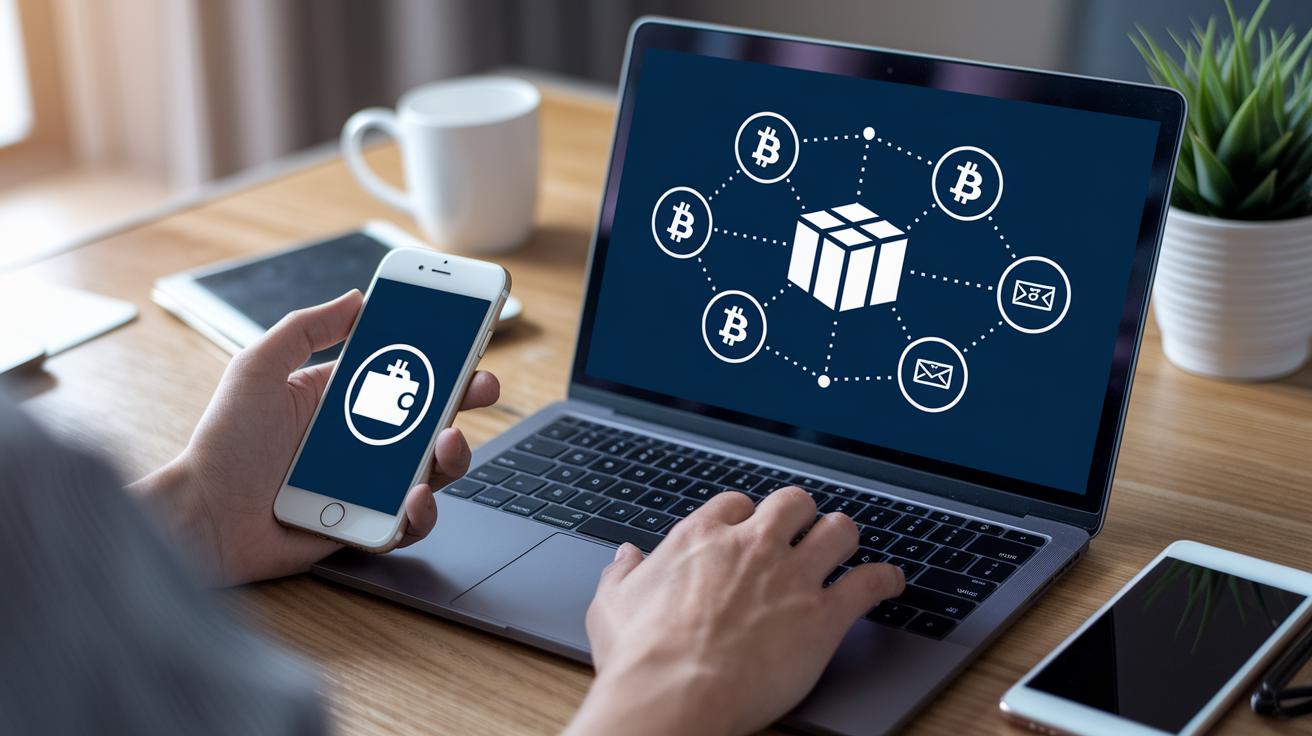
Digital assets depend on a strong tech backbone that keeps transactions safe and runs smoothly. At their core is blockchain, a digital ledger that logs every transaction across a network of computers using consensus models (where all the computers agree on what happened). This design builds trust without a central boss and sets the stage for many on-chain uses.
Blockchain Technology
Blockchain works like a public ledger that keeps track of transactions by grouping them into blocks and linking them together. Imagine it as a diary where every entry is permanent, written with unerasable ink. Independent verifiers, known as consensus models, check each entry to make sure everything lines up correctly.
Digital Wallets
Digital wallets are tools that hold the keys to your digital assets. There are two types: custodial wallets, where a trusted service takes care of your keys, and non-custodial wallets, where you keep them yourself. Think of your wallet as a secure safe with a secret code that only you know.
Smart Contracts
Smart contracts run on their own and trigger transactions automatically when the conditions are met. Picture a vending machine: you drop a coin, press a button, and it delivers your snack. That’s exactly how smart contracts work, making deals happen without someone checking every step manually.
Together, these innovations create digital assets that are both safe and programmable. In short, they pave the way for a lively, connected world of digital finance.
Managing Digital Assets: DAM Systems, Storage, and Metadata

Digital Asset Management (DAM) solutions are essential for keeping your digital files neat and safe. They group your digital content together, whether stored on cloud servers or local systems, which saves both time and money by stopping you from having to create or buy the same asset again. In fact, 41% of organizations have faced this exact problem. Keeping everything in one spot means it’s easier to find, share, and update your files. This not only makes teamwork smoother but also protects digital rights by storing each file with the right details and security measures.
| Storage Type | Pros | Cons |
|---|---|---|
| Cloud-based | Easy access, scalable, and compatible with smart AI features for auto-tagging | Recurring costs and need for internet connection |
| On-premises | Better control over security and data privacy | Higher initial setup costs and maintenance demands |
Using good metadata practices is key for finding digital files quickly. Adding clear keywords, thoughtful titles, and creator details like photographer names helps keep everything organized and easy to access. Using categories to group files by context and use cuts down on confusion when searching. Plus, using automated tagging powered by AI (which is just smart software that labels files for you) keeps your library updated without much manual work. Setting clear usage rules and tracking the history of each file also means your digital rights are safe from misuse. Overall, blending smart metadata with strong digital rights protection builds a system that is both reliable and easy to use.
Investment Approaches for Digital Assets: Crypto and NFTs

Choosing the right trading platform is a big first step when you start with digital assets. Many sites let you buy, sell, trade, store, and even mint tokens with ease. Some even offer useful tools for real-time market insights and support things like staking rewards (extra tokens you earn by holding a coin). I once switched to a service that made my trading simple and helped me follow market trends. So, always check out honest reviews and look for a platform that values security, clear fees, and reliable customer help.
NFT marketplaces have really opened up new opportunities. They give you a chance to create and trade unique digital collectibles, imagine them as rare pieces of digital art. Mixing NFTs with traditional coins can balance out the ups and downs in your investments. It's similar to building a collection, where every piece, whether an NFT or a small crypto holding, plays an important part. This mix helps keep things steady when one asset isn’t doing well.
Risk management is a key part of being successful in digital finance. Using a secure wallet to protect your private keys and understanding different fee setups can help you avoid surprises. Staking rewards not only add a little extra income but also bring extra stability to your mix. Smart investors look at every trade closely and count on those rewards to smooth out market swings. By combining different trading methods and blending NFTs with traditional cryptocurrencies, you can build a strategy that meets your goals and guards against sudden market changes.
Regulatory and Tax Considerations for Digital Assets
Every region sets its own rules for digital assets, so it's important to know what applies where. The IRS views cryptocurrency as property, which means every time you buy, sell, or trade, it's treated like a taxable event. In some areas, tokens are seen more like stocks or commodities, and that changes how you handle your investments, from trading to earning rewards like airdrops or staking. Keeping up with the local rules is key to avoiding complications during audits.
Tax reporting for your digital holdings means keeping detailed records. When you buy, sell, or trade crypto, write down your cost, gains, and losses. The IRS uses Form 8949 to capture your crypto activity, so make sure you’re on top of that. Income from mining, interest from decentralized finance platforms, or profits from NFT sales all need clear documentation. Good record keeping not only helps you meet IRS guidelines but also makes filing your taxes much simpler.
Emerging Trends in Digital Assets: Market Forecasts and Innovations

Real-time token updates let investors catch a clear, live glimpse of price shifts and market moods as they happen on the blockchain (a secure digital ledger that records transactions). Experts are predicting a steady rise in digital currencies as more big players step into the field. Tokenization is also changing the game by breaking traditionally high-value assets, like real estate, art, or venture funds, into smaller, more affordable pieces. Imagine owning a tiny segment of a renowned painting through digital tokens, where even a small share can quickly change hands. These developments keep the market vibrant and invite a wider range of investors.
AI is also making waves in asset management by using smart tools that automate tagging, build valuation models, and optimize portfolios (helping your investments work their best). With on-chain analytics offering real-time insights, every decision becomes more data-driven and clear-cut. Combining AI with digital asset management creates an environment where technology supports smart, agile financial moves, helping investors adjust their strategies with confidence.
Final Words
In the action, we explored how digital assets, ranging from tokens to smart contracts, are reshaping investment strategies. We broke down key concepts, examined the tech driving these assets, and highlighted practical ways to manage and invest in them.
Our insights spanned asset definitions, blockchain technology, storage solutions, and emerging market trends. This discussion inspires confident steps toward building a robust, diversified portfolio and staying ahead in the dynamic world of digital assets.
FAQ
What are examples of digital assets?
The examples of digital assets include digital files like photos, videos, documents, and more advanced forms like cryptocurrencies, NFTs, and tokenized items that hold real value and can be easily searched online.
What does the IRS consider a digital asset?
The IRS considers a digital asset as a type of property, which covers items such as cryptocurrencies, NFTs, and tokens that must be reported on your tax forms similar to other investments.
How do digital assets make money?
Digital assets make money by increasing in value, generating income through methods like staking, and facilitating transactions that allow users to earn returns on their digital holdings.
How can I invest in digital assets?
You can invest in digital assets by using crypto trading platforms, NFT marketplaces, and digital asset exchanges that let you buy, sell, and store various types of tokens and digital files.
What is digital assets trading?
Digital assets trading involves buying, selling, or exchanging tokens like cryptocurrencies and NFTs on online markets where their prices fluctuate based on supply and demand.
What does digital asset management involve?
Digital asset management involves using systems and tools to store, organize, and secure digital files and tokens, making it easier to locate, share, and protect your valuable online content.
Is my bank account considered a digital asset?
While a bank account is a digital record of your money, it is not considered a digital asset in the same way as cryptocurrencies or NFTs, which are unique digital items with intrinsic value.
How can I create digital assets?
Creating digital assets involves using specialized software or platforms to produce digital files or tokenized versions of items like art, music, or documents that can be shared or sold online.
What is involved in digital assets estate planning?
Digital assets estate planning means organizing and planning for the transfer of your online accounts, digital files, and crypto holdings so that your digital valuables are passed on according to your wishes.
What does a digital assets company do?
A digital assets company offers services such as trading, management, or technological support for digital tokens and cryptocurrencies, providing secure platforms for handling online valuables.
What is Digital Assets Sofia?
Digital Assets Sofia likely refers to service providers or a company based in Sofia that offers solutions for managing or trading digital assets. Check local listings for specific details.
