
Ever wonder if your digital coins could do more for you? Crypto staking is a way to earn extra money by letting your coins work while they sit in a safe digital wallet.
Imagine planting a seed that grows and gives you fruit later on. With staking, your crypto grows over time and helps keep transactions fast and secure.
In short, this simple method turns holding on to your coins into a chance to earn profit and support a smoother, more reliable digital record system.
Crypto Staking: Profitable Steps for Smart Investors

When you stake crypto, you lock your tokens in a digital wallet to help keep the blockchain network running smoothly while earning extra tokens as a reward. Instead of solving complex puzzles with heavy computer power, stakers use something called Proof of Stake (PoS), where simply holding and pledging your coins supports the transaction process. This not only speeds up transactions and lowers fees but also beefs up network security since lots of people are involved in verifying transactions.
By putting your tokens to work, it's much like planting a seed and watching it grow into a fruit-bearing tree. Think of it as a digital version of earning interest from a bank account, where your investment is linked to the network’s health. Many popular cryptocurrencies like Ethereum, Tezos, Cosmos, Solana, and Cardano let you stake, and if you use a major exchange like Coinbase, you might earn rewards as high as 5% on Ethereum’s staking (ETH2) as noted on November 18, 2024.
Staking is truly a win-win. It smooths out transactions, generates rewards for you, and strengthens the blockchain at the same time. Quite simply, it’s a smart way to make your digital assets work harder while contributing to a safer, faster network.
Step-by-Step Crypto Staking Guide for Beginners

Start by keeping your eligible tokens in a wallet or exchange that supports staking. If you’re using a personal wallet or an account on a trusted platform, take a moment to look into how secure decentralized finance works (that's finance without a central bank controlling things). It’s a neat way to compare your options and feel confident about your choice.
Next, think about which staking method fits you best. There are a few paths you can take, running your own node, joining a staking pool, or even trying liquid staking. If you like the idea of running your own node, remember you'll need a computer that stays online most of the time.
It’s important to know what the project requires. That means checking the minimum amount needed, how long your tokens need to be locked up, and when you'll get your rewards. In a nutshell, staking turns your idle tokens into an active investment that works for you.
Follow these six simple steps to get started:
By going through these steps, you'll set up a practical way to turn your digital assets into a steady stream of rewards, all while getting hands-on with the world of digital finance. Enjoy the process and watch your tokens work for you!
Choosing the Best Crypto Staking Platforms

When you choose a staking platform, think of it as picking your mode of travel. Find one that matches your comfort with risk and your level of technical know-how. You might see choices like liquid staking (which keeps your tokens flexible), pooled services (combining resources with others), or even full-node hosting (running your own network software). The idea is to pick something reliable and secure that fits your style.
Next, take a close look at the platform's safety measures. Look for features such as cold-storage reserves (keeping tokens offline for extra protection), multi-signature wallets (requiring several approvals to act), and even insurance coverage for extra peace of mind. Checking audit reports on smart contracts (self-running code that checks itself) is also smart, as these reports can spotlight potential issues.
Don’t forget about fees and lock-up terms. High fees or long periods where your funds are tied up can lower your overall yield. It’s important to see if the fee model and any lock-up durations work with your investment strategy.
Here are some key points to keep in mind:
- Prioritize strong security features.
- Compare fee models and lock-up requirements.
- Explore flexible options like liquid, pooled, or full-node staking.
- Review the platform’s history and how it handles incidents.
| Feature | Consideration |
|---|---|
| Security | Cold storage, multi-sig, insurance, audited smart contracts |
| Fees | Cost structure and lock-up periods affecting net yield |
| Options | Liquid, pooled, and full-node staking choices |
Understanding Crypto Staking Returns and Yield Potential
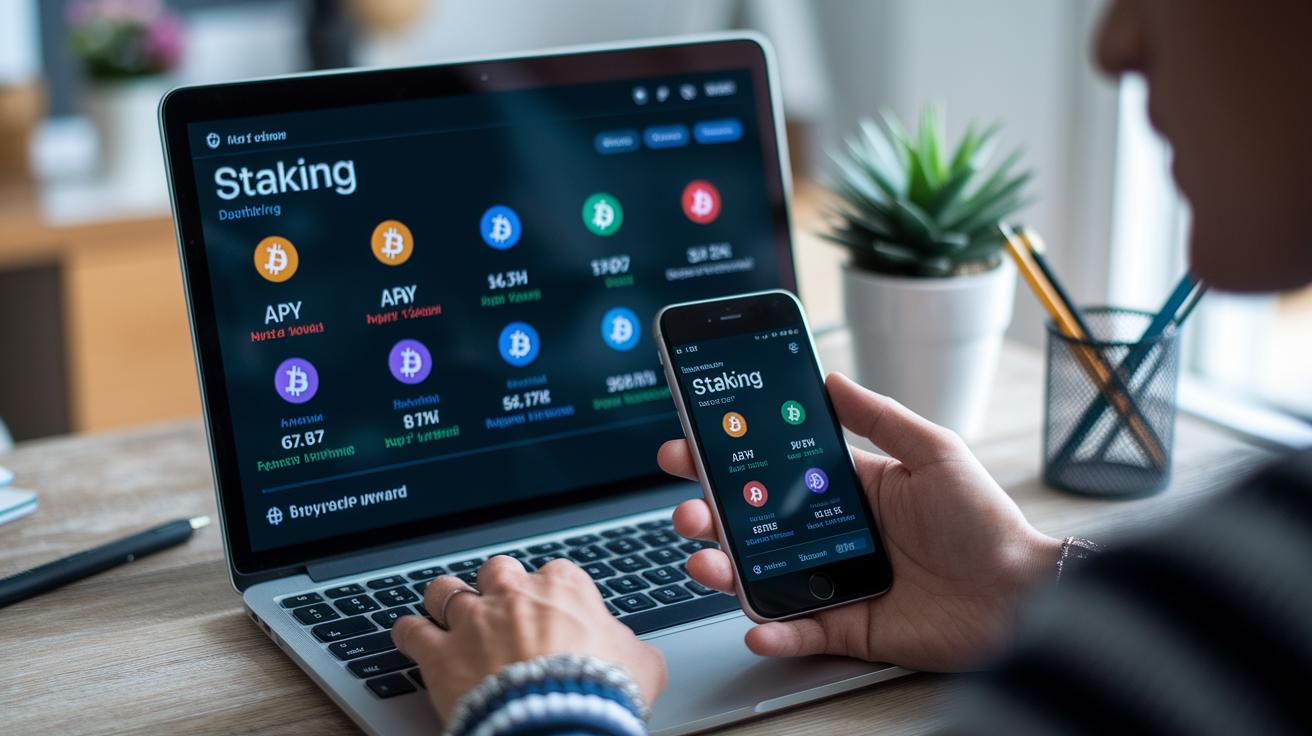
Staking returns depend on several network factors that can change over time. These returns are influenced by things like the network's inflation schedule (how new tokens are added to the system), the number of tokens already staked, and the duration your tokens remain locked. You can think of APY (annual percentage yield, which is like the yearly interest you’d earn on your savings) as a fluctuating rate based on market conditions. For example, on Coinbase, ETH2 staking rewards could reach around 5% as of November 2024.
Several key factors play a role in what your returns might be:
- Network inflation schedules: When new tokens are introduced, the rewards you get for staking can change.
- Overall staking participation: More people staking means rewards are split among more tokens, which might lower your individual gains.
- Lock-up duration: Locking your tokens for longer periods can sometimes boost your yield, but it also means you can't access your tokens quickly.
Staking is a way to turn idle tokens into a steady stream of passive income, much like earning interest on a savings account. But remember, these returns aren’t fixed and can vary, so it's a good idea to watch the trends and tweak your strategy as needed.
Crypto Staking Risks and Security Considerations

Crypto staking can be tempting because it may offer good rewards, but it also carries risks that you should really look into first. When you lock up your tokens, you might face unexpected challenges that fall into three main groups: technical, financial, and operational.
Technical risks include things like smart contract vulnerabilities, which are flaws in the code that could be exploited, network downtimes when the blockchain stops processing transactions, and cases where validators (those who check transactions) don’t perform as expected. Think of it like a tiny bug that weakens a safe, potentially leading to losses.
Financial risks are about market ups and downs. Your staked tokens might lose value fast, you might face penalties if validators act poorly, and you could miss out on other opportunities because your funds are tied up. Imagine having your money stuck away during a sudden market drop, you lose flexibility when you need it most.
Operational risks cover issues like platform outages that stop everything from running, custody risks if your wallet gets breached, and changes in regulations that could affect how staking works. Each of these areas needs a close look before you decide to stake your tokens.
Advanced Crypto Staking Strategies to Maximize Rewards

If you're into crypto staking and looking to boost your returns, small smart moves can make a big difference. A smart start is to spread your investments across several networks or platforms. This way, if one network runs into trouble, your other investments can help cover the gap. It's just like planting your seeds in different parts of your garden to ensure a good harvest.
Another great idea is to set your rewards to reinvest automatically. This is known as compounding, where your earned rewards start earning even more rewards over time, kind of like getting interest on your interest. Ever think about how a little extra push can turn a modest gain into something substantial over time?
Before you put in significant amounts, it's wise to do a bit of homework. Look into each platform's track record, make sure they meet legal standards, and check how well their validators (the people who keep the network secure) perform. Keep an eye on any updates as networks evolve, and be ready to shift your investments if reward rates or protocols change.
Here's a quick rundown of these key practices:
| Practice | Why It Helps |
|---|---|
| Diversify your investments | Spreading your stakes cuts risk if one platform falters |
| Automate reward reinvestment | Let your rewards build on themselves, boosting growth |
| Research validators | Understanding performance helps you choose reliable platforms |
| Adjust your allocations | Staying flexible lets you capitalize on shifting market trends |
By keeping these tips in mind, you're not just staking, you’re building a strategy that grows with your investments, just like nurturing your very own digital garden. Isn't it exciting to see how a few thoughtful choices can lead to big rewards over time?
The Future of Crypto Staking and Market Trends

Crypto staking looks bright as more big names jump into using high-quality staking services. These services offer better safety, smoother growth, and quick access to digital funds (on-chain liquidity means your digital tokens can be turned into cash fast). This progress makes earning rewards easier and more efficient, expanding the world of digital money for everyone.
New ways to earn, known as yield products, are emerging, and they’re blending with decentralized finance (a system that lets you manage money without traditional banks). This gives investors more handy tools to watch over and grow their assets. Experts think that by 2025 and later, clearer rules will boost confidence in the market. Like a sturdy bridge connecting two sides, these advances bring together old-school finance and modern digital money management. In short, investors can look forward to fresh opportunities and steady rewards. The future really does look bright.
Final Words
In the action, we explored crypto staking by outlining its basics, guiding you through the step-by-step setup, and comparing various platforms. We looked at how returning rewards work, mixed in important risk cautions, and shared some advanced strategies to make your investment approach stronger.
These insights aim to spark thoughtful decisions and help you build a secure digital asset portfolio. With this friendly guide, crypto staking becomes an accessible tool for smart, balanced growth. Enjoy the potential and keep pushing forward!
FAQ
What is staking cryptocurrency?
Staking cryptocurrency means locking up your tokens to help secure a blockchain network. You earn rewards in extra tokens for supporting network operations.
How are crypto staking rewards determined?
Crypto staking rewards depend on factors like the token amount, lock-up period, network participation, and fee structures. These rewards turn idle assets into a stream of extra income.
Is staking crypto safe and worth it?
Staking crypto is generally safe when you choose reputable platforms, but risks such as market volatility and technical issues exist. Its value depends on your risk tolerance and careful planning.
How can I calculate potential earnings from staking crypto?
A crypto staking calculator estimates your potential earnings by factoring in token amount, expected APY, and lock-up duration. Keep in mind that actual returns may differ based on market changes.
Which crypto is best for staking?
Many investors favor cryptocurrencies like Ethereum, Tezos, and Solana for staking due to their reliable APY and secure networks. Research each option to match your investment needs.
What are some trusted crypto staking platforms?
Trusted crypto staking platforms include Coinbase, Binance, Blockchain.com, Gemini, Crypto.com, and OKX. These platforms offer various features and fee structures suited to different risk profiles.
What insights can crypto staking forums offer?
Discussions on Reddit and similar forums provide real user experiences, practical tips, and troubleshooting advice. These insights can help you make informed decisions about staking investments.
