Ever thought that the crypto market’s mood could guide your next move? Lately, optimism has been lighting up trading floors like little sparks that start a fire. Picture a scene where each burst of hope gently pushes digital asset prices higher, while even a small doubt can bring things to a slow crawl. This mix of emotion and solid data makes crypto markets both unique and lively. Understanding these vibes might just give you the hint you need to act at the right moment and stay ahead in the fast-moving world of crypto.
crypto market sentiment Radiates Optimism

Crypto market sentiment shows how investors really feel. It captures moods like hope, greed, fear, and doubt that drive every move in the market. When prices start to climb, traders may feel a burst of optimism and a bit of FOMO (the fear of missing out) that pushes them to buy digital assets. On the flip side, bad news can make people worry, sparking a rush to sell. This overall mood shapes technical signals and short-term price swings in the crypto world.
When we look at investor mood analysis, we dig into the feelings behind market moves. We mix hard data with the buzz of the community. Emotions like excitement, skepticism, and even a touch of anxiety guide how traders act. This mix of human feeling and data creates trends that drive buying and selling and hints at what might come next. In short, balancing these feelings well can mean the difference between smart moves and costly mistakes.
- FOMO speeds up buying, nudging prices higher.
- Greedy feelings can boost momentum, inviting more buy orders.
- A rush of fear might trigger quick selling, causing sharp drops.
- Pessimism makes investors hold back, slowing down trading.
- Strong optimism can lift overall market confidence.
By mixing crypto sentiment metrics with technical and fundamental checks, traders get a stronger view of the market. This approach shows that while feelings are powerful, they work best when combined with solid data. In the end, looking at price moves as signals of collective investor behavior helps everyone make decisions that are both careful and confident.
Tracking Real-Time Crypto Market Sentiment with Key Indicators
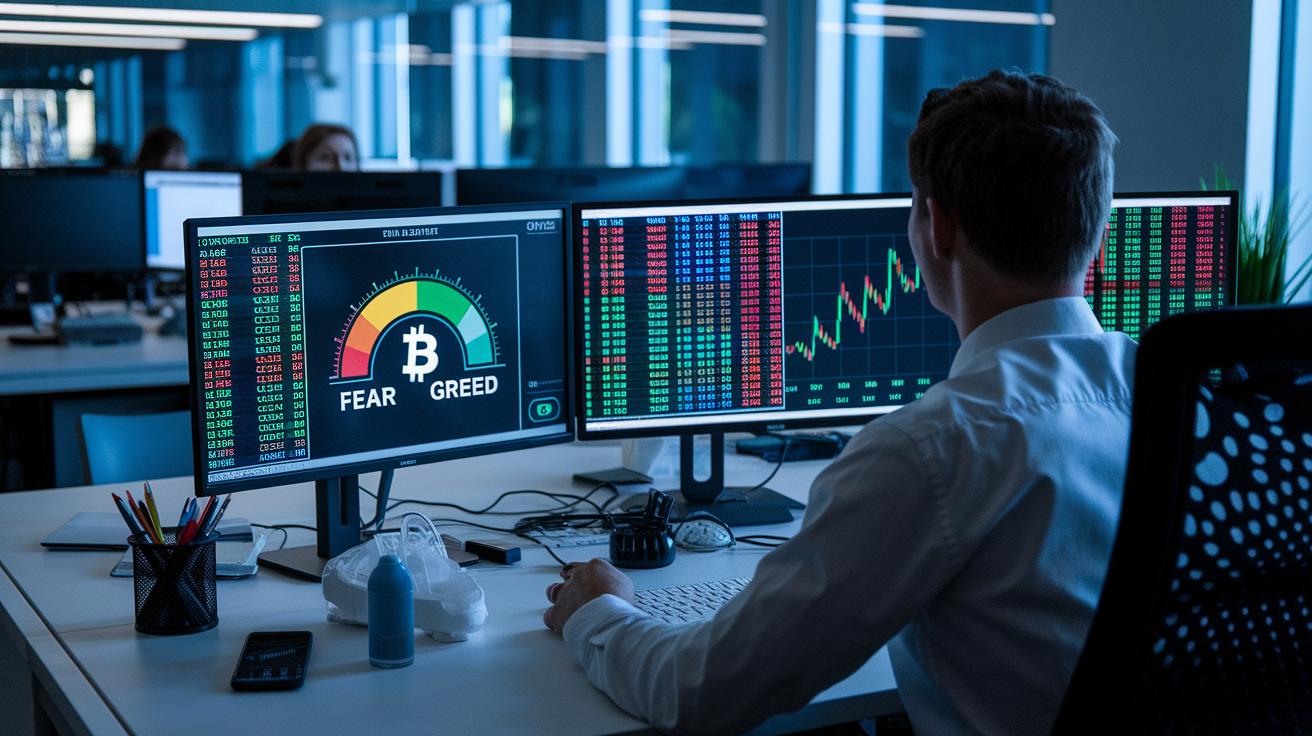
Real-time tracking lets traders see how the crypto market feels at this very moment. It does this by watching changing prices, shifts in trading energy, and new trends as they happen. When things get emotional in the market, having a current snapshot means traders can quickly change their positions. By blending different clues, this method helps us get a clear idea of where the market might head next.
Crypto Fear and Greed Index
This tool turns market mood into a simple score from 0 to 100, where low numbers mean a lot of fear and high numbers mean too much greed. It checks things like how fast prices move, signals from social media, and other trend data. Back in the period from June 2019 to October 2020, the index showed that news events quickly change the score. Basically, it helps traders make speedy decisions when the market feels wild.
Social Media Sentiment Tracking
This method tracks what people are saying on sites like Twitter and Reddit. By listening to community chatter, it turns online buzz into clear sentiment scores. A sudden rise in talk or a noticeable change in tone can be a signal that investor confidence is shifting. This early warning system is like a social media mood barometer, giving traders a heads up on market turns.
On-Chain Sentiment Metrics
Here, the focus is on the digital ledger data behind transactions. By watching how many assets move on the blockchain (the secure, digital record), traders gain insight into real asset activity. It’s like seeing the actual flow of money, which adds depth to simple price changes. This view of market behavior rounds out the bigger picture of digital asset sentiment.
News Volume Indicators
These indicators count the number of headlines and track internet searches to build what feels like a heatmap of market sentiment. When major news hits, this method shows how sentiment can spike or fall quickly. For traders, these news signals add an extra layer of understanding during fast-moving market changes.
| Indicator | Data Source | Update Frequency |
|---|---|---|
| Fear and Greed | Market Metrics | Hourly |
| Social Media | Twitter/Reddit | Real-Time |
| On-Chain Metrics | Blockchain Data | Daily |
Integrating Market Sentiment with Technical and Fundamental Analysis

When you mix market feelings with technical signals and basic research, you get a complete picture before making any move. It’s like checking the pulse of both hard data and the overall mood of investors. You look at chart patterns such as price breakouts, shifts in momentum, and support levels, while also tuning in to social media buzz and activity on the blockchain (a secure, digital ledger) to see what people are really thinking.
Traders often use these mood checks to back up what the technical charts are saying. For instance, if a chart shows an upward breakout and the sentiment readings are strong, you might be looking at a growing buying trend. Some traders even use strategies like buying small amounts during times of high market excitement, which helps smooth out the entry points. This approach, blending clear technical signals with investor mood, can really sharpen your strategy.
Risk management is key, though. Relying only on what the market feels like can lead to overreactions when moods shift quickly. That’s why it helps to add measures like looking at supply-and-demand and checking things like market capitalization and transaction volume. This mix keeps you grounded, reducing the chance of panic selling and limiting your exposure when the market suddenly turns.
Behavioral Finance Insights: Emotions Driving Crypto Market Sentiment

Investors' feelings play a big role in how the crypto market moves. It’s not just about FOMO or panic; there’s a whole chain of actions behind every market twist. When traders get too excited, they keep buying, which pushes prices even higher. And when worry hits hard, a rush to sell can make prices drop fast.
Think about a trader who spots a sharp rise in crypto prices. They might notice that a sudden spike made others jump in to buy, pushing things into a brief frenzy. This shows how one burst of emotion can set off a chain reaction and change the market’s pace.
In short, these cycles mean that strong feelings don’t just mirror market trends, they actually create them. The ups and downs we see in crypto often come from the very human mix of excitement and fear driving every trade.
Case Study: Crypto Fear and Greed Index Performance and Limitations
Calculation Methodology
The Crypto Fear and Greed Index pulls together different market hints into one score that shows how the crypto scene is feeling. It looks at five parts: how wild prices are (volatility at 25%), the volume of trades (25%), what people are saying on social media (15%), bitcoin's market share (10%), and popular search trends (10%). In plain language, it adds up key clues to tell if fear or greed is driving the market. When prices swing and online chats fill with emotion, the score shifts quickly to match that mood.
By combining these clues, the index gives a near-instant look at investor feelings. It is built to catch quick mood swings in the market, helping traders notice when news or rumors might be causing overreactions. It can signal when the market may be ready to change direction or when extreme emotion is pushing prices too high.
Historical Performance & Caveats
Looking back from June 2019 to October 2020, the index often moved in step with short-term price changes. It has served like a fast-acting mood ring, warning when panic selling or buying frenzies hit the market. Many traders see readings below 25 as a chance to consider buying, while scores above 75 sometimes mean it's time to take profits or dial back the risk.
But there are a few things to keep in mind. The index mainly focuses on bitcoin, so it might not capture the whole market picture. It can also be affected by data tricks and overreact to short bursts of news, which might lead to misleading signals if viewed alone. So, while it is a handy tool to measure market mood, it works best when used with other analysis tools for a well-rounded view.
Best Practices for Using Crypto Market Sentiment in Trading Strategies

Start by setting clear limits that tell you when to buy or sell. For example, if your sentiment report shows the market is feeling ultra greedy, you might consider reducing your positions. This way, you turn numbers into clear signals and keep emotions at bay.
Mix your sentiment dashboards with firm stop-loss rules and careful position sizing. It’s like having a safety net ready if the market mood suddenly shifts. This method helps manage any unexpected downturns and keeps losses in check.
Always check your sentiment data against on-chain information and other key metrics. By comparing different data sources, you cut through the noise from unverified signals. This careful cross-check makes sure the market vibe you’re seeing is real and not just social media chatter.
Keep your investments spread out across different assets. Just like not putting all your eggs in one basket, this approach protects you from sudden, wild swings driven by extreme market emotions. Each asset can help balance out the others.
Using these steps together creates a solid strategy that taps into the market’s pulse without letting quick emotions take the lead. It gives you a clearer picture of market moves and supports steadier trading decisions.
Future of Crypto Market Sentiment: AI, Big Data & Predictive Analytics
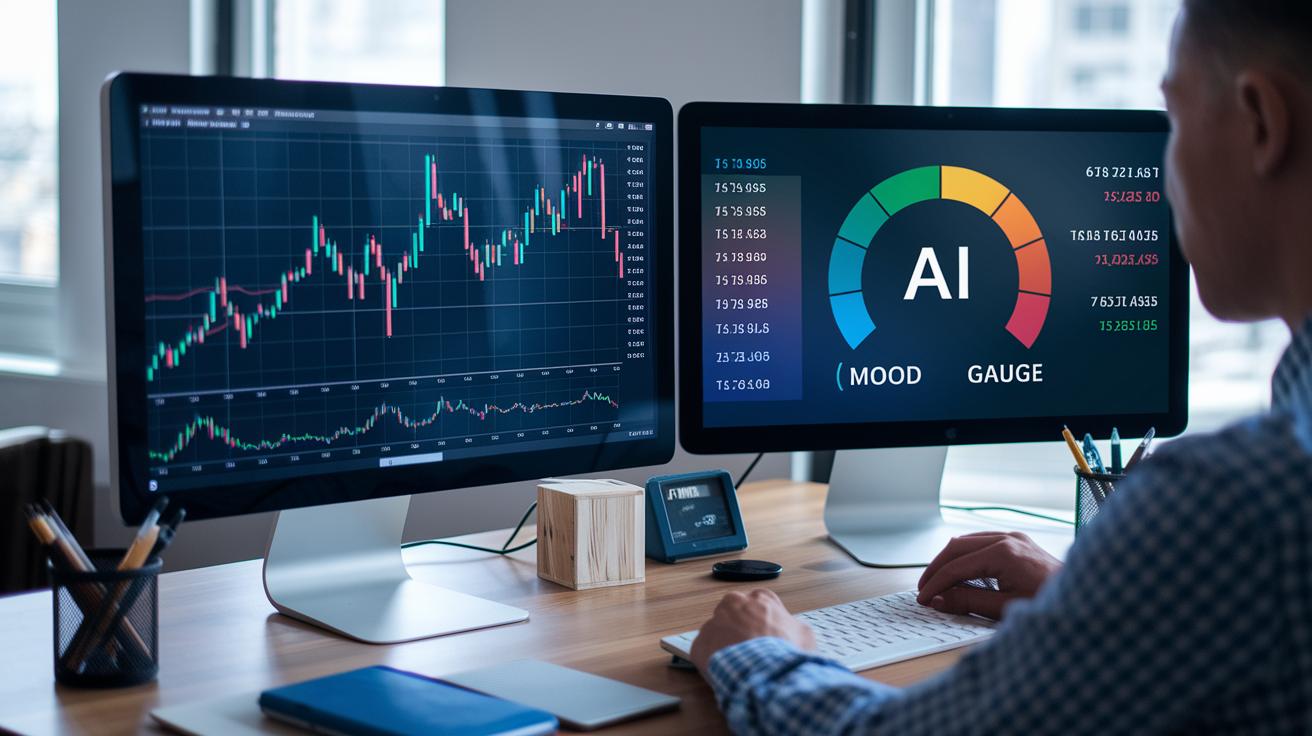
Machine learning is changing the way we understand what’s happening in the crypto market. It sifts through large streams of social media posts, news, and on-chain data (data directly from the blockchain, which is a secure digital ledger) to capture the vibe of investors in real time.
Then, smart sentiment algorithms step in. Think of them as a simple mood forecast that shows when the market might shift quickly. They mix many pieces of information to form a clear sentiment index, giving traders helpful hints as prices move.
Many modern tools let you plug these insights directly into your trading setup. Traders can hook up APIs (connections that let separate computer programs work together) to get instant updates that guide fast decisions. It’s like having a friendly advisor keeping you in the loop.
The rise of AI-based emotion scanners is set to sharpen this analysis even further. Yet, they need solid data checks to avoid misleading signals. In short, combining big data, machine learning, and real-time updates is paving the way for an even clearer view of market sentiment.
Final Words
In the action, we explored how crypto market sentiment shapes investor behavior through emotional cues and real-time indicators. The analysis showed how the blend of technical patterns with sentiment signals can help inform smarter moves during market shifts.
We wrapped up by highlighting best practices and future trends in crypto market sentiment analysis. Keep your investments informed with this blend of insight and practical tools, and watch the digital asset scene respond to a balanced, forward-thinking strategy.
FAQ
What does the Fear and Greed Index indicate for crypto markets?
The Fear and Greed Index shows the mood of crypto investors by measuring factors like volatility and social media chatter. It helps traders spot potential buy or sell signals.
How does live tracking of the Fear and Greed Index work?
Live tracking of the Fear and Greed Index displays real-time shifts in investor mood using data on market momentum and social chatter, guiding traders on short-term market moves.
What is crypto market sentiment and how can I gauge it?
Crypto market sentiment reflects the overall investor mood, driven by optimism or fear. Tools that combine technical data, news, and social media insights allow you to gauge this sentiment quickly.
Is the crypto market going up or down?
Crypto market direction is shaped by diverse factors, including sentiment and trading activities. Rapid shifts can occur, so real-time indicators and a mix of analysis methods are key to determining trends.
Is it wise to buy crypto now based on market sentiment?
Buying crypto now depends on your risk tolerance and the current investor mood. Combining sentiment data with other market analysis helps you decide the right time to enter or exit.
Why has crypto dropped now, according to sentiment indicators?
A drop in crypto prices can stem from shifts in investor mood, often triggered by negative news that drives caution. Watching sentiment indicators can provide clues about these changes.
How does the Bitcoin Fear and Greed Index chart help with trading decisions?
The Bitcoin Fear and Greed Index chart visually tracks investor emotions specific to Bitcoin. It offers a snapshot of market mood that can be useful for timing trading decisions effectively.
How does crypto news shape overall market sentiment?
Crypto news plays a role in shaping market sentiment by affecting investor emotions. Positive reports can boost optimism, while negative headlines may prompt caution and sell-offs.
