
Ever wonder why some crypto trades run smooth while others trip up? It all comes down to market liquidity, which is just a way of saying how quickly and easily you can buy or sell an asset. Think of it like a calm stream where decisions flow as naturally as water moving along.
When lots of buyers and sellers are active, trades happen without wild price swings. This steady environment builds trust and helps the market grow. In short, liquidity is the reason behind the smooth, steady beat of crypto trading.
Crypto Market Liquidity Explained: Driving Market Growth

In the crypto world, liquidity is all about how quickly you can buy or sell an asset without its price taking a wild turn. When you’re trading, you want a market that fills orders fast and keeps prices steady, almost like a calm stream that lets you move smoothly without surprises.
A crypto asset with high liquidity means there are lots of active buyers and sellers, a busy list of orders, and only a small gap between what buyers pay and what sellers ask. On the flip side, if liquidity is low, there aren’t many players, the order list is thin, and the price gap is wider. This can mean your trade doesn’t happen as quickly or as close to the price you expected.
- 24-hour trading volume: This shows the total value of an asset traded in one day and gives a hint about market activity.
- Market capitalization: Think of it as the total value of a cryptocurrency; it helps show how influential an asset might be.
- Order book depth: This is a snapshot of all the buy and sell orders at different prices, offering a clear picture of available liquidity.
- Bid-ask spread: This is the difference between the best price a buyer is willing to pay and the lowest price a seller will accept, and it can affect how much you end up paying for a transaction.
For traders and investors, liquidity matters a lot. A liquid market lets you place orders without causing big price swings, reducing risks like slippage. And when trading is smooth and predictable, you feel more confident in your decisions and can better understand what the market really thinks, which in turn fuels steady market growth.
Crypto Market Depth and Order Book Mechanics
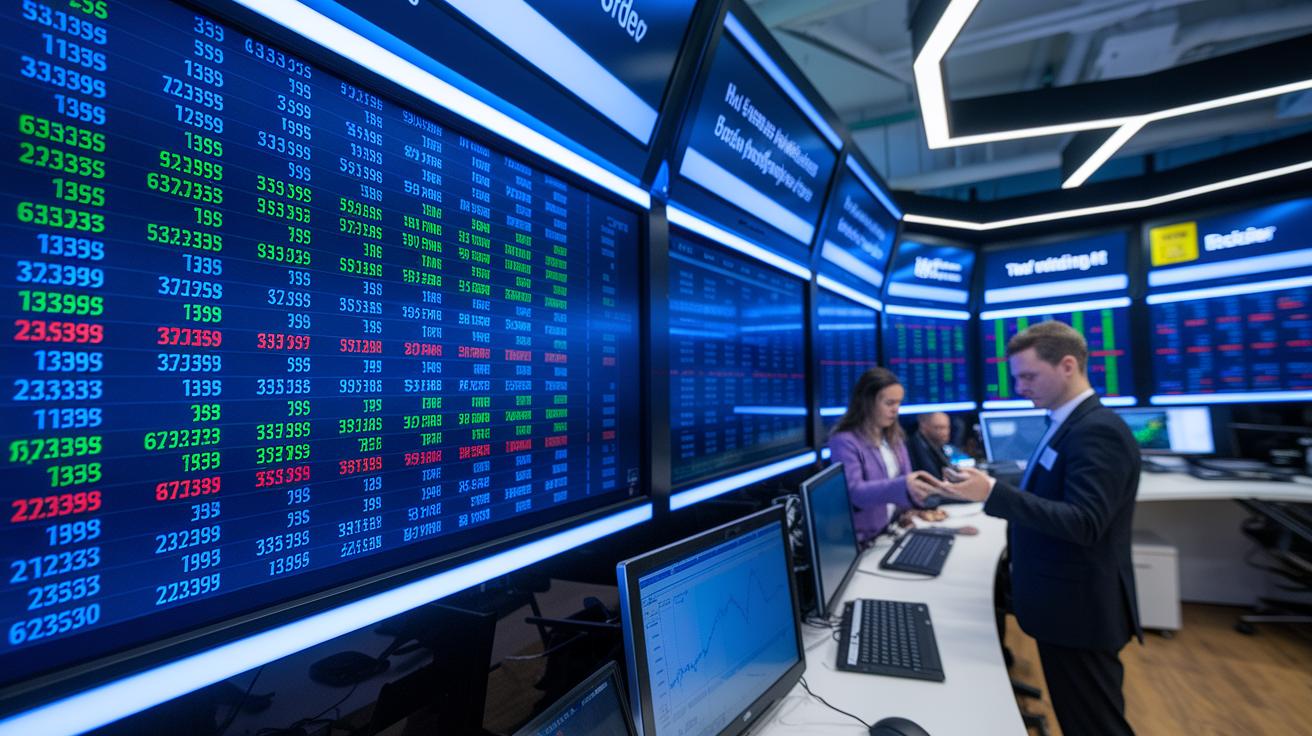
The order book is like a real-time list showing all the current buy and sell orders at different prices. Think of it as a snapshot that helps you see where people are ready to trade. It gives you a clear picture of what the market feels like right now and where traders might find pockets of easy trading. Many traders check live order books on sites like Binance or Kraken to figure out how strong the market is and decide the best moment to trade.
Order Book Depth Explained
Depth charts, which come from the order book, show you the built-up layers of buy and sell orders. They let you see how many orders sit at different price levels and can reveal hidden pools of orders that aren’t obvious at first glance. Imagine a depth chart like a layered cake, where each layer is a bunch of orders waiting to be filled. When one layer is thick, it means lots of orders are available at that price, so prices might not jump around too quickly. This view helps traders understand if the market can handle a large order without a sudden price drop or spike.
Bid-Ask Spread Mechanics
The bid-ask spread is simply the gap between the highest price a buyer is ready to pay and the lowest price a seller will take. In busy markets, this gap is small, which usually means lower trading costs. But in slower markets, the gap can widen, which might slow down your trading or cause prices to move unexpectedly. Things like how many people are trading and how much is being traded help to shape the spread, affecting both the cost to trade and how quickly your order might get filled.
Overall, watching both the order book depth and the bid-ask spread gives traders a friendly guide to the market’s mood. It helps them spot potential risks and plan trades with a better understanding of what to expect.
Measuring Crypto Liquidity: Trading Volume and Metrics
Trading volume shows how many digital assets change hands in a day. It tells you the activity in the market, like watching a busy street where people are constantly coming and going. When you see high volumes, it means lots of buyers and sellers are in action, making it easier to jump in or out of a deal.
On-chain liquidity metrics come right from the blockchain, which is like a secure digital diary that records every deal as it happens. Off-chain metrics are shared by trading platforms and show activities that happen outside this digital diary. In short, both on-chain and off-chain data work together to give you the full picture of market energy and performance.
Data platforms gather these numbers from all sides. They mix the on-chain counts with the volumes from exchanges, offering a clear snapshot of how active the market is. By checking these tools, you can quickly see if a digital asset is on the rise or if the market is a bit slow, helping you make safe and smart trading choices.
Crypto Liquidity in Centralized Exchanges vs. Decentralized Pools

When we look at how digital assets are traded, it's helpful to see the differences between centralized exchanges and decentralized liquidity pools. Centralized exchanges use order-matching engines that list buy and sell orders in a continual order book, giving traders a clear view of market depth. On the other hand, decentralized systems work with automated market makers, which use a simple pricing formula (x * y = k) to match trades against pooled funds. Each system has its perks and challenges when it comes to smoothly executing trades and keeping pricing on point.
| Exchange Type | Mechanism | Liquidity Characteristics | Risk Factors |
|---|---|---|---|
| Centralized Order Book | Order-matching engine | Deep order books, narrow spreads | Market manipulation, technical downtime |
| Decentralized AMM Pool | Pooled reserves with pricing formulas | Variable liquidity based on contributor pools | Impermanent loss, price slippage |
| Hybrid/Order-Routing Model | Combination of order books and pool mechanics | Balanced liquidity and adaptable execution | Operational complexity, fragmented liquidity |
In centralized systems, you can see available liquidity clearly thanks to direct order matching and a realtime order book. This clarity helps big trades happen when the market is buzzing. But these platforms can sometimes fall short if technical issues pop up or if the order book isn’t very deep, which could leave traders vulnerable to manipulation.
Decentralized AMM pools, though, offer a different kind of ongoing liquidity that comes from community members pooling their assets. The system automatically adjusts prices using set formulas, though this means that trade fills might not be as precise. Plus, liquidity providers have to watch out for risks like impermanent loss, where sudden price changes can cause minor losses.
Some platforms try to take the best of both worlds by mixing order book methods with pool mechanics. This hybrid model aims to offer balanced liquidity and flexible trade execution but can get a bit complicated due to fragmented market data and the challenges of managing multiple systems at once.
Crypto Liquidity’s Impact on Price Volatility and Execution
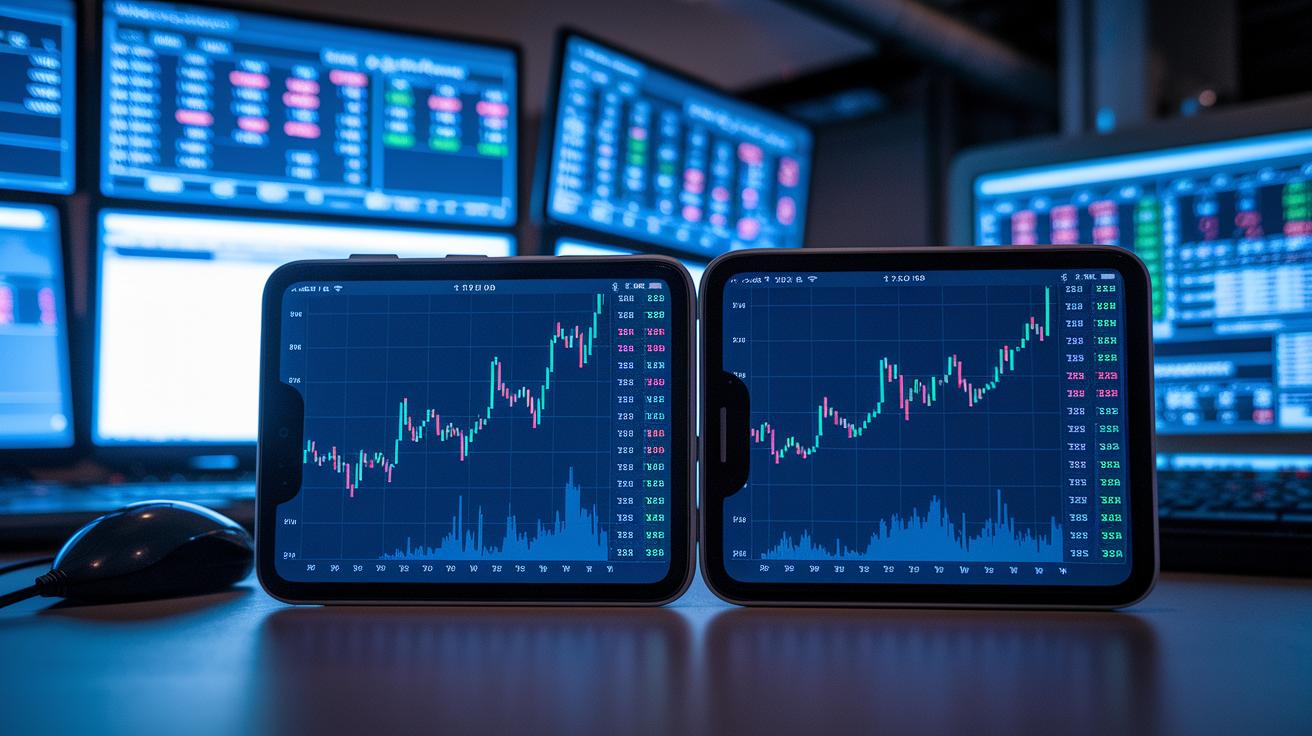
In markets with low liquidity, even a small trade can nudge prices away from what you expect, causing a noticeable gap known as price slippage. For instance, a $100,000 order in a busy market might only slip by less than 0.1%, while the same order in a thin market could slip more than 5%. This makes trading costs hard to guess and riskier.
Low liquidity also makes price swings faster and more dramatic. When there are only a few orders, prices can change quickly, kind of like a small stream that alters its path with just a light push. On the other hand, strong liquidity helps keep prices steady, so trades usually happen near the true market value without sudden jumps.
Think about a crypto token that usually doesn’t trade much. If there’s a sudden rush of withdrawals, the token can face a shock, leading to what many call a flash crash. Prices can fall sharply in minutes and then bounce back once the market regains balance.
To cope with these risks, traders use smart methods. They often split large orders into smaller chunks and use limit orders to set a fixed price instead of relying on market orders that take the current rate. Some even use computer-driven strategies to spread trades out over the day, which helps ease the strain on the market. By keeping an eye on live data, they adjust their plans in real time to strike the best balance between quick trading and fair pricing.
Trading Strategies and Risk Management in Low-Liquidity Crypto Markets

When you’re trading in markets with few active buyers and sellers, a big order can suddenly swing prices. That’s why most traders split their orders into smaller pieces and use limit orders, which let you set exactly the price you want (limit order: an order that only executes at a specific price). It’s a bit like cutting a cake into tiny slices, each small piece keeps the overall shift to a minimum. This simple trick helps keep trades stable and cuts down on unexpected price jumps.
People who provide liquidity in automated market systems work hard to protect their investments by spreading out risk. They might use a mix of different investment pools or tools like derivatives (a derivative is a financial product that gets its value from another asset) to cushion against quick price moves. Kind of like fastening your seatbelt on a bumpy road, this method helps guard your assets when the market gets rough.
As the pool of trading funds changes, a flexible game plan becomes vital. Traders now rely on smart, computer-driven order splitting and test their trade paths to ensure steady results (algorithmic order splitting: using automated methods to break up orders). This adaptable approach lets them respond quickly and stay in sync with the market’s natural rhythm. Imagine a chef adjusting a recipe on the fly as ingredients vary, a few timely tweaks can make all the difference in keeping risks low while ensuring a smooth trading experience.
Case Study: Liquidity Comparison Between Ethereum and Altcoins
Ethereum is a standout when it comes to measuring market depth, which shows how many buyers and sellers can trade without shifting prices too much. Every day, over $10 billion in trades takes place, keeping the market steady even with big moves, often keeping price changes under 0.05%. In comparison, many altcoins only see around $5 million per day. This means their market isn’t as deep, making them more likely to experience larger price gaps and shifts when sizable trades occur.
When you take a closer look at how trades are spread out and compare prices across different exchanges, the liquidity differences really pop out. Ethereum’s high trading volume helps keep the gap between buy and sell prices very tight. This creates a smooth experience with consistent pricing on platforms like Binance, Kraken, and Coinbase. Altcoins, however, often face spreads that go above 1%, and slippage, the difference between the expected and filled price, can rise over 2% during large trades. This scattered pricing across various exchanges means that trading altcoins can lead to less predictable outcomes.
These liquidity differences are key when it comes to shaping your investment approach. If you’re looking to avoid sudden, unexpected price changes, a steady asset like Ethereum might be more appealing. On the other hand, altcoins come with their own set of risks that require careful planning and proactive risk management to protect your portfolio.
Final Words
In the action, we reviewed key concepts like how quickly an asset can be traded without major price shifts. We touched on order books, trading metrics, and different exchange models.
We also looked at how liquidity influences price changes and how traders can manage risks in low-liquidity settings.
Every section aimed to clarify issues and provide useful tactics, leaving you with a clearer picture of crypto market liquidity explained. Stay curious and confident as you build your digital asset portfolio.
FAQ
Crypto market liquidity explained on Reddit or for dummies
The crypto market liquidity explained on Reddit and for dummies means assets can be quickly traded without causing big price changes due to active buyers, deep order books, and small bid-ask spreads.
How to check liquidity of a crypto
Checking liquidity involves reviewing trading volumes, order book depth, and bid-ask spreads via exchange data or analytics tools, helping you understand how easily an asset can be traded.
Cryptocurrency liquidity Chart
The cryptocurrency liquidity chart displays cumulative buy and sell orders across multiple price levels, offering a visual snapshot of market depth and areas where liquidity is concentrated.
Cryptocurrency liquidity problem
The liquidity problem in cryptocurrency arises when low trading volumes and thin order books cause wide bid-ask spreads, which can lead to larger price swings and higher trade execution costs.
Crypto liquidity Tracker
A crypto liquidity tracker monitors real-time data on trading volumes, order book depth, and spread width, allowing traders to quickly assess market conditions and adjust their strategies accordingly.
Liquidity vs market cap crypto
Liquidity vs market cap in crypto distinguishes an asset’s ease of trading from its total market value; market cap measures size, while liquidity confirms how effortlessly an asset can be converted to cash.
How is liquidity calculated in crypto
Liquidity in crypto is calculated by combining data on trading volumes, the depth of the order book, and the tightness of bid-ask spreads, which together signal the asset’s trading efficiency.
How does liquidity work in crypto?
Liquidity in crypto works by matching active buyers and sellers; deep order books and high volumes allow trades to occur swiftly and at stable prices without significant market disruption.
What is considered good liquidity in crypto?
Good liquidity in crypto means high trading volumes, deep order books, and narrow bid-ask spreads, all of which allow trades to be executed quickly and at prices close to market value.
What does 100% liquidity mean in crypto?
One hundred percent liquidity in crypto refers to a scenario where the entire volume of an asset is available for trading, ensuring that large orders are filled with minimal impact on price.
Is high or low liquidity better?
High liquidity is typically better in crypto, as it ensures trades execute smoothly and quickly with minimal price slippage, providing a more secure and predictable trading experience.
