
Ever wonder how a tiny drop in crypto prices can shake up the whole market? One small dip might push a trader’s position past breaking point, forcing them to sell in a hurry. It’s a bit like a car’s airbag popping out instantly to protect you, even when it catches you off guard. In short, this piece shows how those sudden sales not only keep platforms running smoothly but also set off strong market trends you’ll want to watch. Keep reading to see what forced crypto sales could mean for your next move.
Defining Crypto Liquidations and How They Occur

Crypto liquidations occur when a trader's leveraged position no longer meets an exchange's margin requirements. When traders borrow money to boost their returns, they also risk deeper losses if the market turns. If the value of their collateral falls below a set threshold, known as the liquidation price, or the minimum needed to stay safe, the exchange steps in and closes the position. This forced sale helps protect both the trader and the platform from further troubles.
Think about a trader using 10x leverage on Bitcoin. A small 10% drop in Bitcoin's price might trigger a liquidation because the safety cushion provided by the collateral shrinks quickly. Here's an interesting fact: one trader once dodged a disaster by setting a stop-loss order at a 5% loss, keeping extra collateral on hand as a buffer. This shows how a bit of extra margin can really make a difference.
Margin call liquidations happen automatically when the collateral left isn't enough to cover potential losses. In such cases, the exchange jumps in and sells the trader's assets. It's similar to a car's airbag system: even if it feels sudden, it kick in to protect everyone involved.
Forced liquidations like these are common in on-chain trading environments. When many positions are closed at once, it can lead to sharp price swings. These events are a clear reminder for traders to manage their risks wisely by lowering leverage, setting stop-loss orders, and keeping enough collateral to handle market ups and downs.
Crypto Liquidations: Bold Market Trends Unfold

When a bunch of traders see their long bets getting shut down because they can’t meet margin rules, it can start a chain reaction. Prices drop, causing more traders to face margin calls. This creates a cycle where the fall gets steeper. For example, there was a time when a sudden dip at one price point led to several margin calls in just a few minutes, sparking a quick selloff.
On the flip side, mass short liquidations tell a different story. When many short positions are forced to close, a wave of buy orders can push prices back up quickly. It almost feels like the market bounces back in a flash. Keeping an eye on both liquidation numbers and how much interest traders have in the market is key. High leverage and rising open interest often mean positions are a bit too heavy, making the market extra sensitive to even small moves.
Historical levels also matter a lot. When forced sales pile up around a specific price, that level can turn into a sort of barrier or support. Traders watch these zones closely because they can hint at where prices might head in the future.
- Long liquidations: Deepen price declines
- Short liquidations: Spark quick reversals
| Liquidation Type | Market Impact |
|---|---|
| Long Liquidations | Creates a feedback loop with deeper declines |
| Short Liquidations | Can trigger rapid upward moves due to buy orders |
Real-Time Tracking and Visualization of Crypto Liquidations
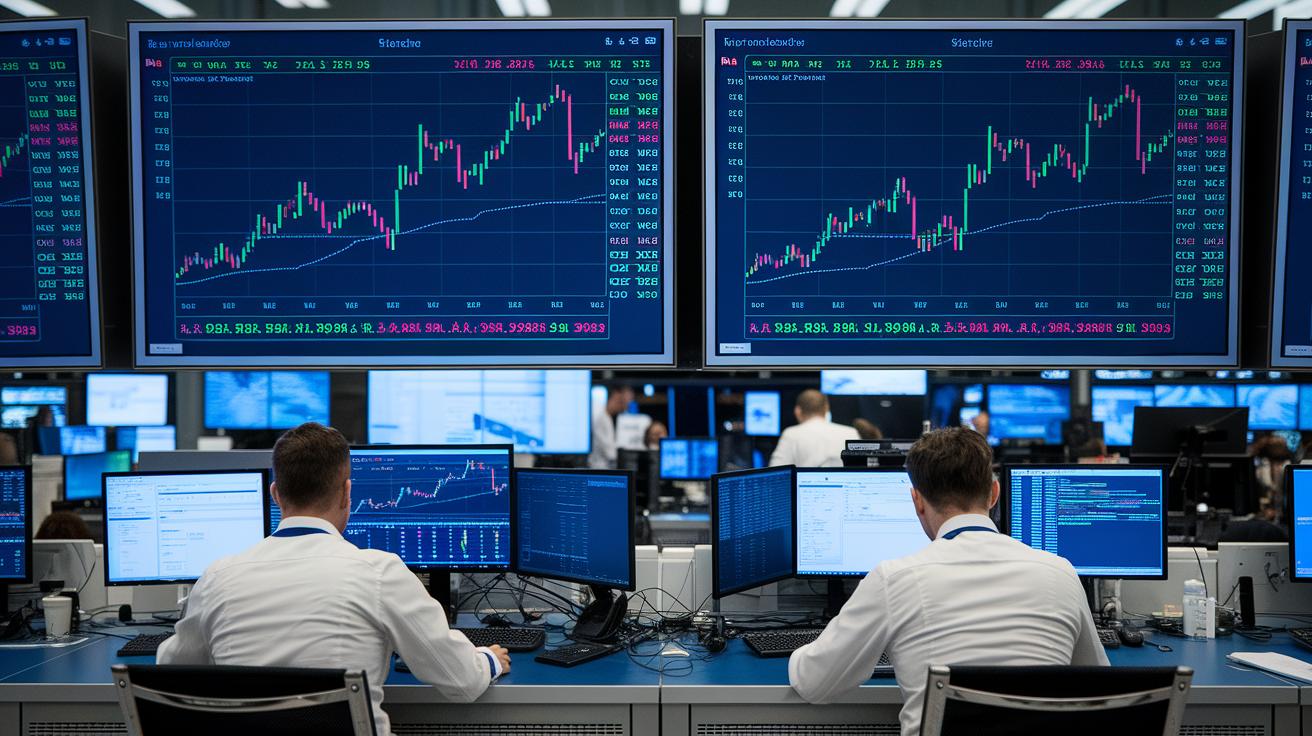
Real-time tracking tools let you catch forced sale events as they happen on exchanges. These forced sales occur when positions are quickly closed due to market pressures (think of it like a sudden, forced exit). This means you can see exactly where and when these events occur and act right away if the market takes a turn.
Chart visualizations and heatmaps add another layer of clarity. They plot each event by price and time, creating visible clusters. Imagine a heatmap lighting up near a key price point, it serves as a signal that this level could act as future support (a price level where buying might kick in) or resistance (a level where selling might push prices down). It’s almost like having a visual weather report for market trends.
Cross-exchange data brings everything together by aggregating these forced sale events from several platforms. This gives you a well-rounded view of how different exchanges react, letting you compare trends and spot where liquidity stress is building up or easing off.
- Live tracking of liquidations shows instant market reactions.
- Charts and heatmaps shine a light on price clusters.
- Data from multiple exchanges provides a full market picture.
| Tool | Benefit |
|---|---|
| Real-Time Trackers | Instant alerts on forced sales |
| Charts & Heatmaps | Easy-to-read visual signals at key prices |
| Cross-Exchange Data | A broad view of overall market trends |
Risk Management Strategies Against Crypto Liquidations

Trading digital assets with leverage can be both exciting and a bit risky. Lower leverage helps soften the blow of small price moves that might otherwise force your positions to close automatically. Many traders set up stop-loss orders, simple tools that sell your asset when prices drop to a set level, keeping losses at bay.
Keeping extra collateral and spreading your assets across different types of investments can really bolster your defense when markets get choppy. In plain terms, diversifying creates a safety net against sudden downturns. Automated alerts, which send you instant warnings when the market shifts, let you rethink and act quickly. When these signals pop up, having a clear plan for exiting positions becomes crucial.
Here are a few key tips:
| Tip | Description |
|---|---|
| Use proper leverage | Stick to levels that limit how much you could lose. |
| Set stop-loss orders | Automatically close your position if prices drop too low. |
| Maintain extra collateral | Keep a buffer to help handle market volatility. |
| Rely on automated alerts | Receive real-time updates to act before a crisis hits. |
Using these straightforward strategies can smooth out your trading experience and protect your portfolio during sharp market swings. In short, smart risk management isn’t just about avoiding losses, it’s about keeping your investments on track during unpredictable times.
Notable Crypto Liquidation Events and Analysis

Liquidation events in the crypto market have really left their mark over time. Bitcoin and Ethereum, for example, have seen big sell-offs when traders' long positions suddenly got closed. During a steep drop, a flood of forced sales pushed prices even lower, sparking margin calls and deepening losses. This rush often ends in flash crashes where a burst of forced sales signals widespread market trouble.
Ripple’s past shows a similar lesson. When many traders pile on leverage at certain price points, weak spots can form. Then, when prices revisit these levels, a chain reaction of forced sales can take hold. You might see a cluster of liquidations and think, “This spot has triggered selloffs before. Could it happen again?”
Here are a few key takeaways:
| Observation | What It Means |
|---|---|
| Bitcoin and Ethereum | Heavy leverage can lead to wild sell-offs |
| Ripple’s pattern | Concentrated forced sales start chain reactions |
| Global flash crashes | Early hints of broader market stress |
Looking back, these events help us understand today’s crypto liquidations. They invite us to keep an eye out for familiar patterns while balancing risk with smart, proactive strategies. In short, paying attention to past trends is key to navigating crypto’s fast-paced world.
Institutional and Regulatory Influences on Crypto Liquidations
Big institutional trades can quickly change the mood of the market. When major players place huge orders, they can cause retail traders to get forced into selling. Imagine an institution making a big move, which then triggers margin calls and forces smaller traders to close their positions one after the other. The effect is like ripples in a pond, where prices shift faster than anyone expected.
At the same time, shifts in policy or regulatory announcements often put traders on high alert. When new rules or enforcement actions are hinted at, many investors adjust their positions in advance, even if it means triggering forced liquidations. It’s a bit like a referee calling a timeout unexpectedly during a game, making everyone change their positions on the fly.
Macro-level liquidation data acts as a clear signal for these market shifts. A sudden surge in forced sales around the globe might be a hint of changing feelings among big players or early moves by regulators. Traders keep a close watch on this data so they can pivot when needed.
| Key Influence | Effect on the Market |
|---|---|
| Institutional Trades | Can trigger a chain reaction of forced sales by retail traders |
| Regulatory Shifts | Prompt preemptive adjustments and rapid changes in trader positions |
Real-time monitoring of these cues is essential. It helps traders stay alert to both big institutional movements and sudden policy updates, ensuring they can keep pace with the ever-changing landscape.
Final Words
In the action, we broke down how forced closures work when margin requirements slip below safe levels. We examined how real-time tracking, visual tools, and risk management strategies help you steer through volatile selloffs. Past market events illustrate that studying crypto liquidations can offer clear guidance for managing your asset mix. Remember, understanding these dynamics helps you make smarter, secure moves in your portfolio. Keep a positive outlook and your passion for smart investing alive.
FAQ
Crypto liquidations live
The term “crypto liquidations live” indicates real-time tracking of forced position closures. It shows users when leveraged trades get automatically exited due to falling margin requirements.
Crypto liquidation today
“Crypto liquidation today” refers to the forced asset sales happening on the current day. This data helps traders gauge market stress by revealing recent automated closures across exchanges.
Crypto liquidations Heatmap
A “crypto liquidations heatmap” is a visual tool that maps clusters of forced sales. It highlights price levels and timing of liquidations, aiding traders in spotting support and resistance zones.
Crypto liquidation chart
A crypto liquidation chart graphically displays forced sale events over time. It converts data into visual trends, helping investors see when and where leveraged positions are closed automatically.
Crypto liquidations Reddit
“Crypto liquidations Reddit” refers to discussion threads where community members share and analyze forced sale data. Users exchange insights, personal experiences, and observations on market trends during sell-offs.
BTC liquidation heatmap
A BTC liquidation heatmap visualizes forced sale events for Bitcoin. It shows high-activity price areas and timeframes, offering traders a useful snapshot of market risk and key support levels.
24 hour liquidation Crypto
“24 hour liquidation Crypto” tracks all forced sale events over a full day. This measurement gives traders a complete view of daily market stress and potential volatility periods.
CoinGlass Liquidation
“CoinGlass Liquidation” refers to a specific tool that aggregates forced sale data across multiple exchanges. It helps traders see a clear, consolidated picture of liquidation events during volatile conditions.
What are crypto liquidations?
Crypto liquidations occur when leveraged crypto positions are automatically closed because collateral falls below required margins. They help prevent deeper losses both for traders and the platforms hosting the trades.
Why are people liquidating crypto?
People liquidate crypto primarily when their leveraged positions trigger margin calls. Falling collateral values force these automated sales to contain losses, and traders sometimes exit positions during sharp market moves.
What is the largest liquidation in crypto?
The largest liquidation in crypto is the highest recorded forced sale event during a market drop. Such events, often marked by immense volume, can reset key price supports and generate major shifts in market dynamics.
Why is cryptocurrency crashing?
Cryptocurrency crashes can occur when rapid price declines trigger widespread liquidations. When high leverage amplifies small drops, automated sell-offs and shifting market sentiment combine to drive prices down sharply.
