
Ever wonder if a downturn in crypto could hide some neat opportunities for smart investors? When prices fall by 20% or more, it’s like a clear signal that things are shifting and traders might need to rethink their strategy.
Imagine it as a sudden cool breeze that reminds you summer is over. These dips in the market can actually be a good thing for those who know what to look for. By understanding why prices drop, you can spot the hidden chances even when the overall mood feels heavy.
So, ready to figure out how to make smarter moves when the crypto market turns bearish?
Crypto Bear Market: Clear Insights for Smart Investing

When cryptocurrency prices fall by 20% or more from their recent high, you're in a bear market. This happens because there are more coins for sale than people who want to buy them. Investors start to lose confidence, and that feeling makes more people sell, keeping prices down like a heavy weight.
In contrast, a bull market happens when demand is high and prices go up because people feel optimistic. For example, imagine a top cryptocurrency losing 20% of its value in just a few weeks. It shows just how quickly the mood of the market can change, making investors rethink their next move.
During a bear market, even the simplest signals become crucial. Traders watch closely for signs like a big gap between what buyers are willing to pay and the number of coins available. Even a few buys can sound promising, but they often aren't enough to flip the trend. This steady drop, along with low buying interest, makes a bear market different from a short-term market dip.
Knowing these basics, like the 20% drop marker, can really help you understand the environment. With these clear signals, investors can plan smarter moves during challenging times and set the stage for more detailed future analysis.
Historical Crypto Bear Market Patterns and Timeline Analysis

Did you know that in January 2025, Bitcoin reached an eye-popping high of $109,350, only to plunge by 28% in just one month? This quick drop shows how a crypto bear market works, with more sellers than buyers. Typically, these downturns run for about 10 months, but sometimes they drag out even longer.
Take the 2021–2022 cycle, for instance. During that period, Bitcoin’s value fell by 77% from its peak, and the bear market lasted for 21 months. These numbers reveal just how deep and prolonged market corrections can be when investor sentiment turns sour.
Below is a timeline highlighting a few key moments:
- January 2025: Bitcoin hits a high of $109,350, setting a lofty benchmark.
- February 2025: Prices drop to $78,000, marking a 28% decrease in just one month.
- 2021–2022 Cycle: Bitcoin and several altcoins lose 77% of their value over 21 months, underlining how severe some bear markets can be.
Market contractions like these send shockwaves through the entire crypto landscape. Since January 2025, the overall market has lost over $300 billion in value, which really puts the pressure on investor confidence. Historical trends even show losses can range from 77% to 90% of peak values, and the road back to recovery can take several years.
By taking a good look at these crash timelines and market behaviors, investors can better understand how price drops happen in cycles, and prepare for the long road to recovery that often follows even the roughest downturns.
Core Drivers Behind Crypto Market Downturns

The Fed’s interest rate changes really set the stage for the crypto slide. In February 2025, rates climbed to between 4.25% and 4.5%, making borrowing costlier and squeezing cash flow into digital assets. Think of it like checking your bank account and realizing that your money doesn’t go as far as it used to. Investors faced a similar pinch when funds became scarce.
Geopolitical tensions and a slowing global economy added extra pressure. Trade disputes, political unrest, and similar issues made investors more cautious, kind of like hesitating to buy big-ticket items during a storm. This uncertainty made many hold back from entering the market, which pushed the downturn even further.
At the same time, moves from regulators sparked added uncertainty. New SEC guidelines and compliance rulings raised costs for exchanges and token issuers. This meant many institutions eased off, so there was less “smart money” supporting crypto prices. In short, tighter cash flow, global economic slowdowns, and tougher regulations combined to create a challenging environment that drove digital asset values lower.
Technical and Sentiment Indicators for Bear Market Signals
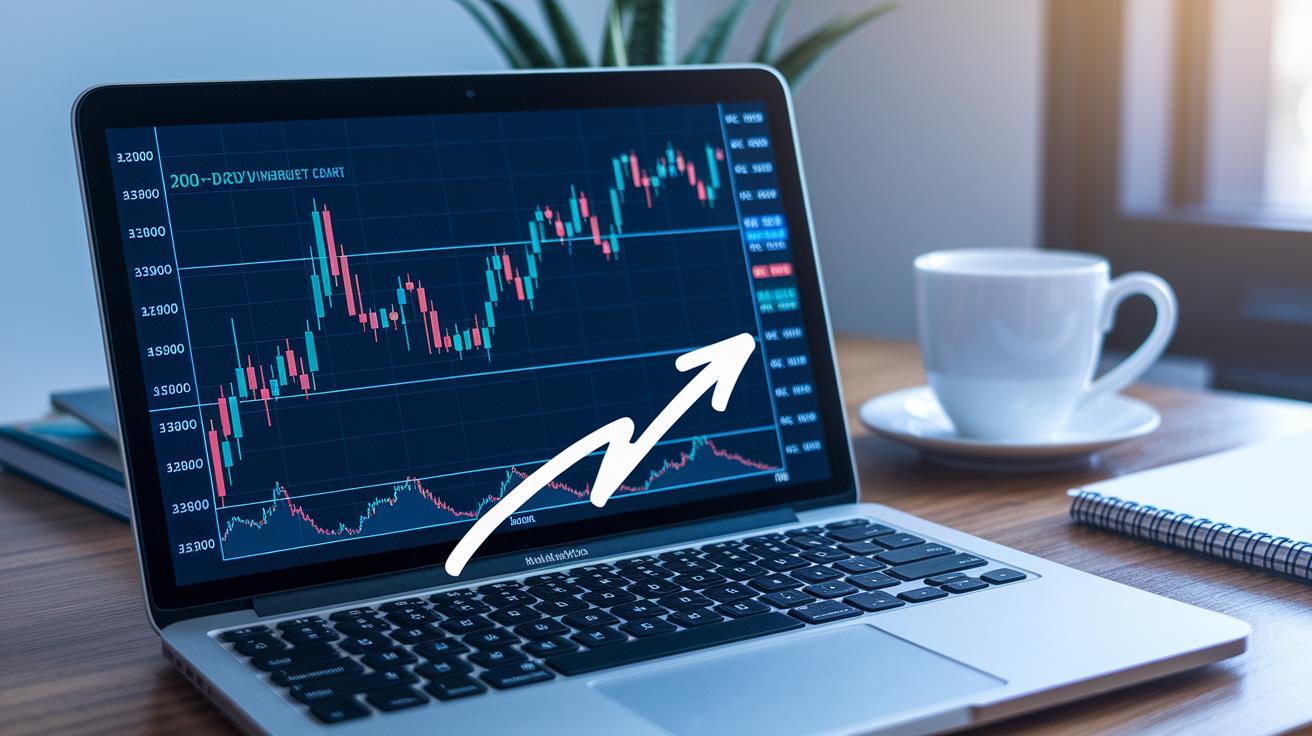
When prices drop below the 200-day moving average, it’s a sign that the market might be turning down. This indicator acts like a long-term health check for the market, warning investors when prices begin to fall steadily. Picture this: a crypto asset that was steady above the average suddenly dips below it, hinting that a broad downturn could be on the way.
RSI divergence is another important clue. On daily and weekly charts, if the Relative Strength Index (RSI, a tool that measures how fast and far asset prices move, which helps gauge momentum) fails to hit new lows even when prices drop, it suggests that the selling pressure might be easing, although the overall mood remains gloomy.
The Fear & Greed Index also tells a clear story. In early 2025, it slipped from 53 to 20, shifting quickly from a neutral state to one of fear. Imagine checking the market and noticing that traders’ emotions have flipped so abruptly, the very pulse of the market changes in real time.
On-chain metrics add another layer of insight. When transaction volumes drop and fewer active addresses show up, it signals a slowdown in network activity, reinforcing the bearish mood. One memorable instance was the "Inverse Cramer Effect," where a positive media nod surprisingly led to a $130 billion drop in Bitcoin’s market capitalization.
| Indicator | Observation |
|---|---|
| 200-day moving average | Consistent drop below the benchmark level |
| RSI Divergence | Prices falling but no new RSI lows |
| Fear & Greed Index | Shift from 53 (neutral) to 20 (fear) |
Traders often mix these technical clues with overall market sentiment to get a clear picture during a downturn.
Investor Behavior and Portfolio Shifts During Crypto Bear Markets

Many new traders see a quick bounce and think the worst is over. For example, a small price jump might seem like a trend reversal, so they rush to sell, much like mistaking a little wave for a shifting tide. The real picture only emerges when you watch the longer trend.
During sharp downturns, when the market loses over $300 billion, investors must re-think their portfolio choices. Some shift funds away from riskier altcoins (cryptocurrencies other than Bitcoin) toward more balanced assets. Bitcoin, often seen as steadier, becomes the go-to option, like picking a sturdy shelter in a storm instead of a fragile one.
Investors are also spreading out their money to guard against further drops. They invest in different asset types, such as stablecoins (crypto tied to stable assets like the US dollar) and staking options (methods where you earn rewards by holding crypto), to reduce risk. In short, by taking careful and thoughtful steps rather than reacting on impulse, they work to protect their money and get ready for a market recovery.
Risk Management and Survival Strategies in a Crypto Bear Market

When the crypto market gets rocky, having a clear plan can really help keep your investments safe. One smart move is to keep some of your funds in stablecoins (cryptos tied to stable assets like the US dollar, which makes them less volatile) so you have a safe spot when prices take a dive. And while you’re waiting for things to get better, staking your crypto (holding onto it to earn rewards) can add a little extra boost to your balance. Think of it like slowly sprinkling in extra ingredients as you cook your favorite meal.
It also helps to take profits on your winners before the market drops too hard. Basically, you lock in your earnings early, kind of like how a farmer harvests crops before a big storm hits, making sure some of the good stuff is saved.
Key methods include:
- Keeping a portion of your portfolio in stablecoins for extra security.
- Earning rewards by staking your crypto, so you get income even during rough patches.
- Using dollar-cost averaging, which means buying a bit at a time no matter the price, so you smooth out the ups and downs.
- Setting your own cut-loss points and exit rules to avoid those quick, emotional sell-offs.
One trader put it simply: “I set a trigger for every asset in my portfolio. If the price drops by a set percentage, my system sells automatically so I don’t make a rushed decision.” Such careful tactics not only protect your portfolio but also keep you grounded when the market feels like a wild rollercoaster.
Potential Rebound Scenarios and Long-Term Outlook for Digital Assets

Trading volumes are climbing and new regulatory guidelines are coming into play. This rise often hints that we might soon see the market bottom out. Think of it like those first warm rays after a long winter, it suggests the start of something new. Even though feelings are still mixed, investors seem to be regaining their footing.
Looking back, digital assets have bounced back from major drops, sometimes losing 70 to 90 percent, over two to four years. This history shows that even deep falls can lead to long-lasting recoveries. When you see more transactions and a buzz of renewed interest on blockchain (a secure digital ledger that records transactions), it can signal that a turnaround might be on the horizon.
Some forecasts even suggest a year-long downturn before things flip into a strong upward trend, assuming bigger economic factors get better. Early hints like prices leveling out and a steady flow of trades can signal good times ahead. One trader even said that watching the steady rise in on-chain activity felt a bit like spotting the first signs of spring after a harsh winter.
For more detailed insights on these recovery timelines and how investor feelings shift, check out the link provided. Keeping an eye on these trends can help you plan for a long-term bounce back in digital assets.
Final Words
In the action, we broke down how a crypto bear market shows a 20% drop, backed by historical patterns and investor behavior. We explored core drivers like interest rates and regulatory moves, and looked at technical indicators and sentiment shifts that guide digital investors. The discussion also examined portfolio shifts and risk management techniques that help smooth the ride during a crypto bear market. With data-driven insights and practical strategies, there's plenty of reason to stay optimistic about the long-term potential of digital assets.
FAQ
Where can I find current crypto bear market discussions, news, and live updates?
Online platforms like Reddit host live discussions and share news on crypto bear markets. These communities offer real-time sentiment and technical analysis that help investors stay updated on market downturns.
Is crypto in a bear market now?
The market may be in a bear phase if major cryptocurrencies decline more than 20% from recent highs. Live data, technical charts, and news reports all help confirm the current market condition.
How long is a crypto bear market?
Historically, crypto bear markets have lasted around 10 months, though durations can vary. Length depends on factors like price recovery speed and overall investor sentiment during market downturns.
Why is crypto so bearish right now?
The downturn is driven by factors such as tighter monetary policies, rising regulatory uncertainty, and waning investor confidence, which together create stronger sell pressures and extend the bearish trend.
Which crypto will give 1000x?
Predicting a 1000x return in crypto is highly speculative. While smaller altcoins can show large gains, thorough research and risk management remain crucial instead of betting on a specific coin for exponential growth.
