Ever wonder if your digital money is as safe as you think? Imagine carrying a vault that keeps an eye on your cryptocurrencies like Bitcoin and Ether (these are digital currencies you use online).
A blockchain wallet is just like that secure, portable safe. It stores your secret keys (special codes that let you access your money) and makes moving funds as simple as signing a check.
In short, this guide explains how a blockchain wallet protects your digital cash while making everyday transactions feel effortless.
How Blockchain Wallets Work: Core Functions and Security
A blockchain wallet is like a digital safe where you can store and manage your cryptocurrencies like Bitcoin and Ether. It’s a simple tool that gives you secure control over your funds using special keys. When you use one, you’re able to check your balance and make transactions with ease, just like handling cash, but on a secure digital network.
Inside the wallet, you’ll find two types of keys. Public keys work a bit like your email address on the blockchain (a secure, digital ledger), letting others send funds your way. Private keys, on the other hand, are secret codes that let you sign transactions, kind of like signing a check, to make sure only you can access your money.
Here are some of the key tasks a blockchain wallet handles:
- Storing your public and private keys safely
- Signing transactions securely
- Providing real-time updates on your balance
- Tracking transfers as they happen
- Letting you verify payment confirmations
Many wallets also come with cool extras like integration with DApps (decentralized applications, which are apps that run without a central authority). This means you can buy or trade cryptocurrencies right from your wallet. In short, blockchain wallets not only store your funds but also serve as a handy, all-in-one hub for managing your digital money in a secure and simple way.
Types of Blockchain Wallets: Custodial, Non-Custodial, and More
Choosing the right wallet can make a big difference in how you control and protect your digital money. It affects whether you let someone else handle your keys or you take charge yourself. Some wallets work like having a trusted friend manage everything, while others let you handle every detail on your own.
Custodial Wallets
Custodial wallets work with a helper, a third party stores your keys and looks after backups for you. These wallets are simple and friendly, perfect if you like a guided experience. But keep in mind, you are giving up direct control of your keys, so you rely on the provider to keep them safe and help if something goes wrong.
Non-Custodial Wallets
Non-custodial wallets hand the keys over completely to you. This means you can take full advantage of on-chain interactions and fun DeFi features (like decentralized finance, which lets you make financial moves without a middleman). The catch is that the responsibility falls on you to store and secure your keys properly. It’s all about freedom and responsibility in one package.
Mobile, Desktop, Hardware Wallets
Mobile wallets are perfect for when you’re out and about. They use QR codes to make transactions quick and easy, even when you meet someone face-to-face. Desktop wallets, which you install on your computer, offer full control right from your machine. On the other hand, hardware wallets work like offline locks. They’re protected by PINs and require physical confirmation, giving you extra peace of mind with a robust security boost.
In short, custodial wallets are great if you want a quick, simple start. Non-custodial wallets are best if you’re looking for top-notch security and full access to decentralized finance tools. And whether you prefer mobile, desktop, or hardware options, there’s a wallet out there that fits your comfort level and security needs perfectly.
Key Security Features in Your Blockchain Wallet
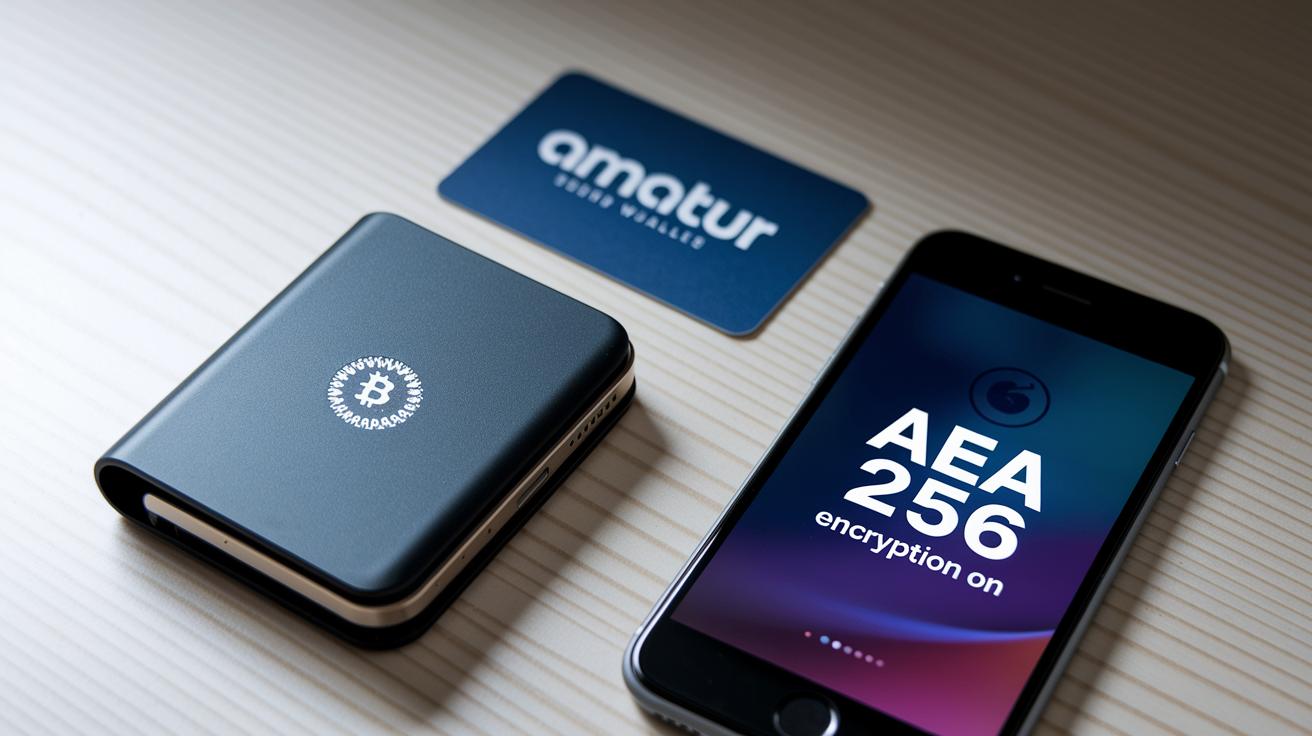
Blockchain wallets use advanced encryption to lock up your money safely. Your private key, which acts like a secret password, is guarded with powerful methods such as AES-256 (a way to turn sensitive info into unreadable codes). This technique creates a digital barrier that stops others from understanding your data. Even if someone sneaks into your device, your key is scrambled and remains safe.
Two-factor authentication (2FA) and secure PIN setups add extra layers of protection. With 2FA, you need to type in a code that changes often along with your password, so unwanted logins become much tougher. A secure PIN works like an extra lock on your phone or computer, making sure only you can approve transactions. Together, these steps build a strong defense against hackers.
Biometric unlock options, like fingerprint or face recognition, also boost wallet security. They check your unique physical traits before letting you in, adding a personal touch to your digital safety. This mix of physical and digital checks helps keep your assets securely managed.
Managing your seed phrase properly is key for emergency situations. Here are some top security practices:
| Security Measure | Description |
|---|---|
| AES-256 Encryption | Your private key is scrambled with a robust method to keep it safe. |
| Two-Factor Authentication | You must enter a changing verification code along with your password. |
| Biometric Unlock | Uses your fingerprint or face as a personal password. |
| Secure Seed Phrase Backup | Keeps a backup of your key recovery phrase safe for emergencies. |
With these measures in place, even if your device is lost or fails, you can quickly restore access and keep full control over your digital funds.
Selecting the Best Blockchain Wallet: Features and Compatibility
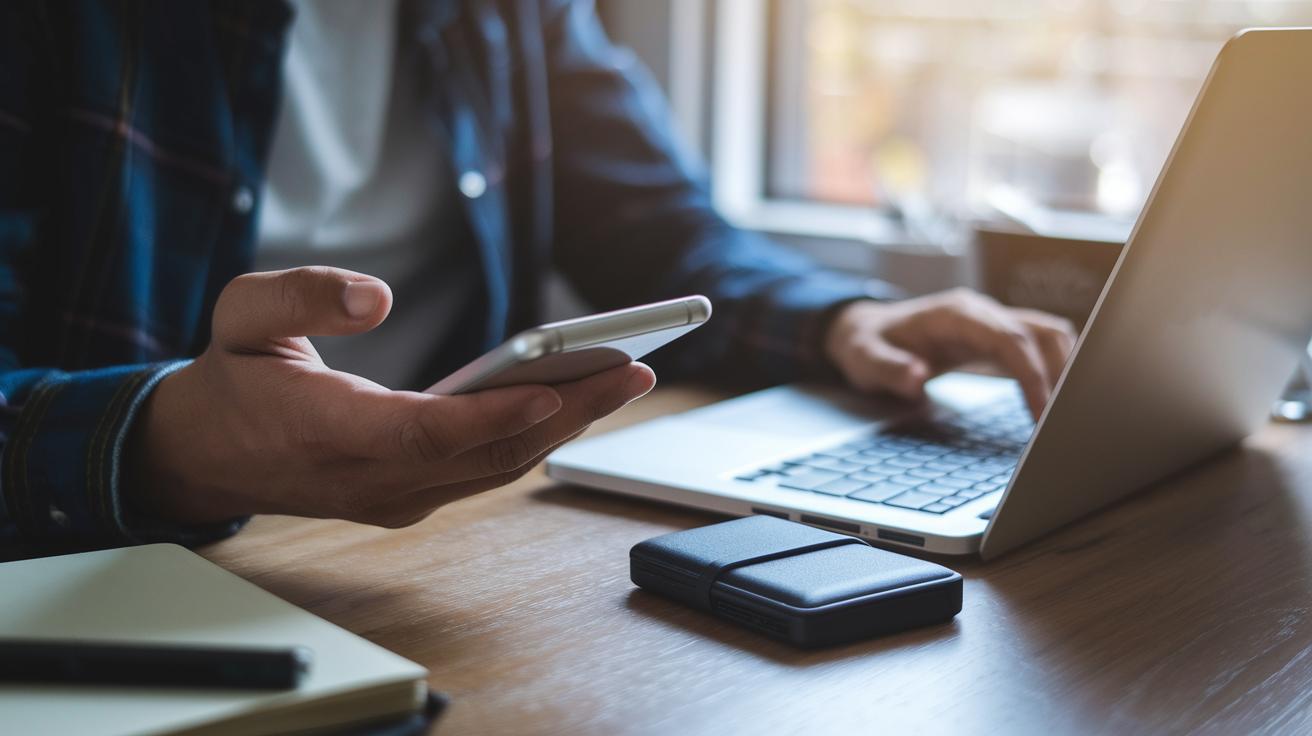
Finding a wallet that fits your digital lifestyle is all about weighing a few key points. Think about how simple it is to manage your money, whether the wallet works on different systems like iOS, Android, or Windows, and if the extra security steps match what you need. There are different types of wallets out there. Mobile apps let you move funds quickly using QR scanning (a way to quickly capture data), cross-platform wallets give you clear guides on several devices, and hardware wallets keep your keys offline for extra safety. It also helps when the software is open for community review and has a dashboard that makes tracking transactions a breeze.
| Key Consideration |
|---|
| Supported assets and chain compatibility |
| Mobile vs desktop vs hardware delivery model |
| Security architecture (custodial vs non-custodial) |
| UI/UX and dashboard customization |
| Open-source vs closed-source code |
| DeFi protocol integration |
Keeping things easy to use while being secure is super important. For example, a mobile wallet might give you quick access and an easy-to-see balance, but a hardware wallet adds a layer of protection by keeping your keys away from online risks. Wallets that work on several devices give you the freedom to manage your funds whether you're out or at home. And if a wallet supports DeFi protocols (that’s a way to use financial services without a middleman), it can simplify your money moves. In short, picking the right wallet means finding the perfect mix of convenience and security that suits your everyday needs.
Step-by-Step: Setting Up a Blockchain Wallet
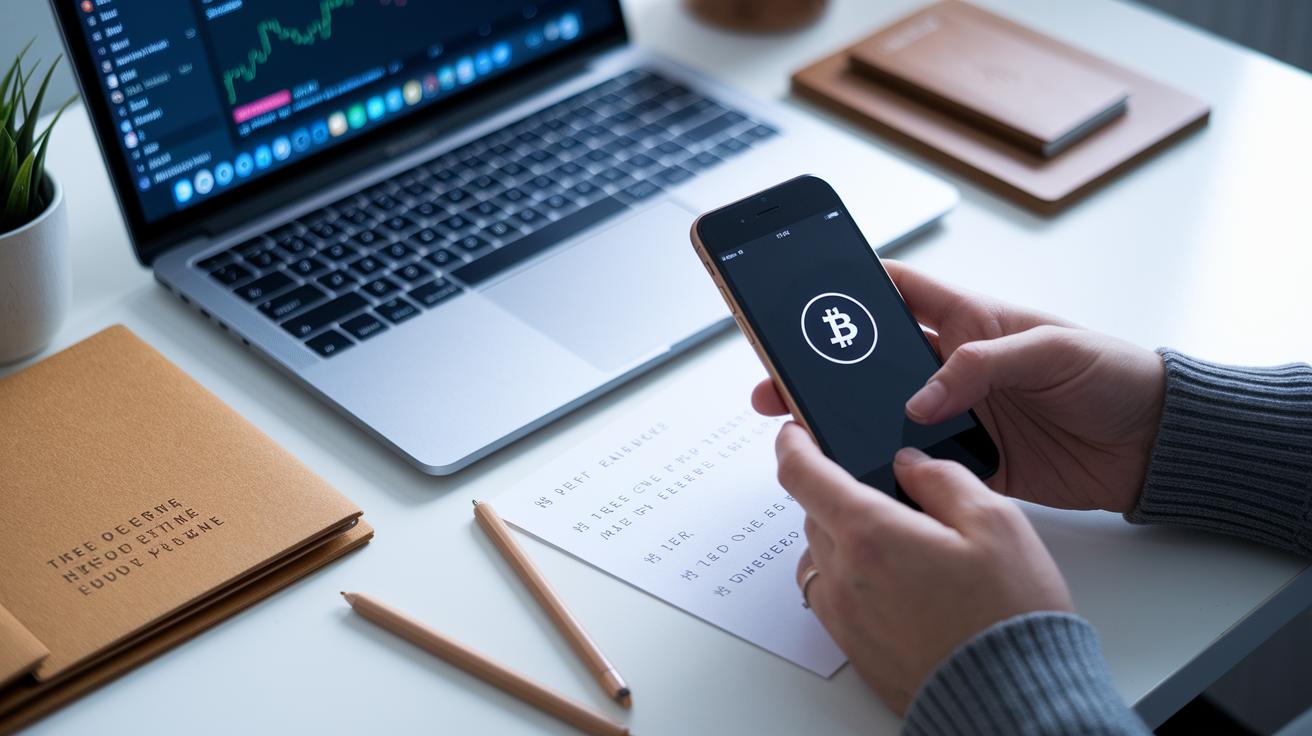
Before you dive in, take a moment to check that you have everything you need. Make sure your device is ready, whether it's an iOS, Android, or Windows system, and that you have a steady internet connection. This quick planning helps avoid any bumps when you get started.
- Get the wallet software installed on your device.
- Create your public and private keys and, very importantly, note down your seed phrase on paper or somewhere offline.
- Set up a safe PIN and switch on two-factor authentication with an authenticator app for extra security.
- Connect your wallet to your chosen exchange by following the built-in guides or by entering your API keys.
- Finally, make sure your balance shows correctly, it’s a small step that confirms everything is set up right.
Once you’ve completed these steps, keep an eye out for your very first incoming transaction. That’s a reassuring sign you’re ready for everyday digital transactions. This careful setup not only secures your funds but also safeguards your personal information while you explore and manage your digital assets.
Backing Up and Recovering a Blockchain Wallet
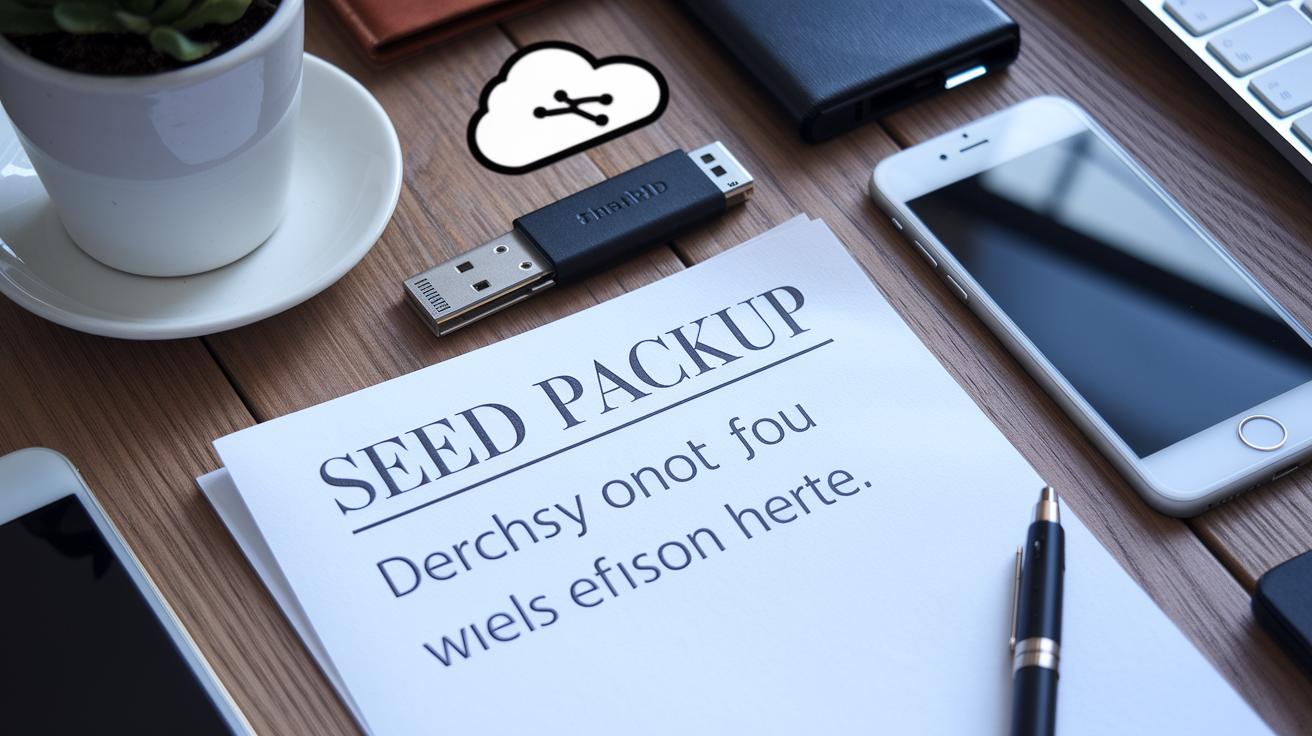
When you back up your blockchain wallet, you're really just writing down your seed phrase (a series of words that gives you access) on something secure and offline. This small step can save your digital money if your device ever goes missing or gets tampered with. It's a wise idea to keep extra copies in different places, so even if one is ruined, you’ll still have a way to get back in.
• A paper copy of your seed words
• An encrypted copy on a USB drive
• An export to a hardware vault
• And an optional secure snapshot in the cloud
It’s important to check your backup and recovery process regularly. Running a few tests now and then helps you feel sure that everything works as it should when you need it most.
Advanced Blockchain Wallet Integrations with DeFi and Smart Contracts
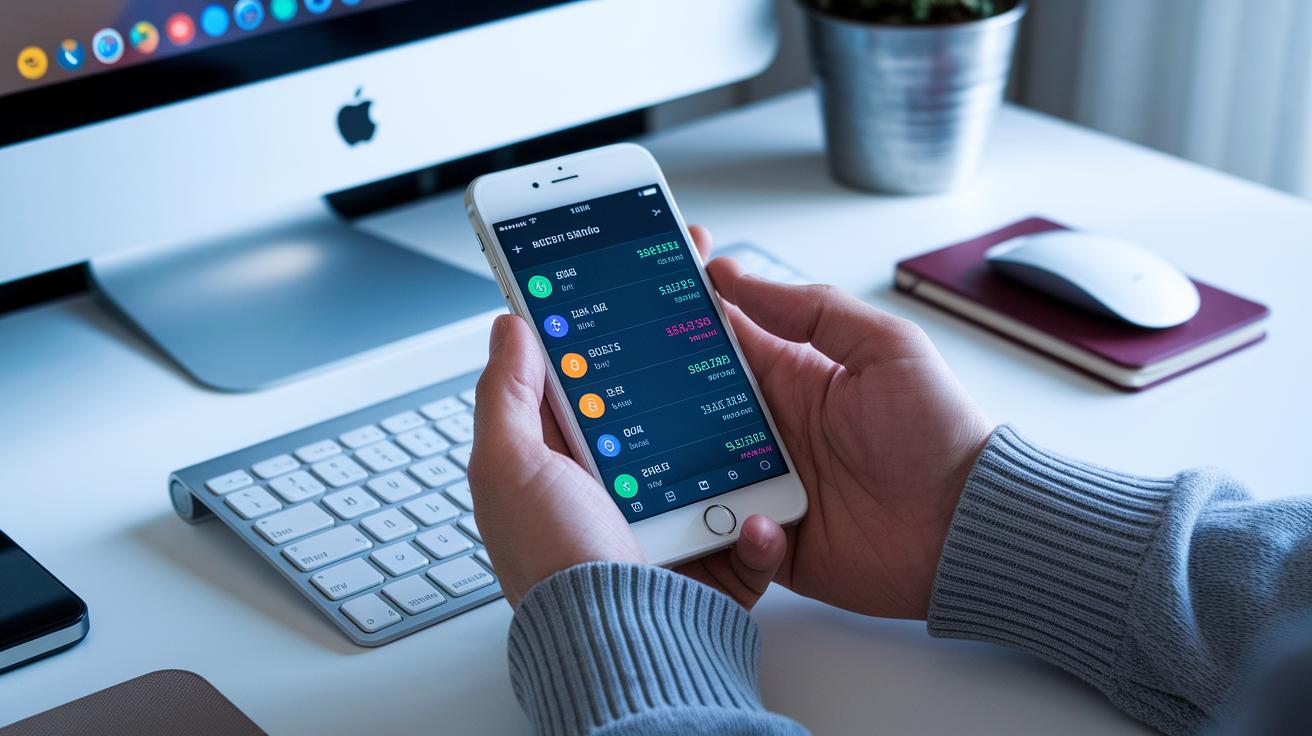
Blockchain wallets are now doing so much more than simply holding your money. They serve as all-in-one hubs that connect you with digital finance tools. These wallets clearly link up with DeFi protocols (that’s short for Decentralized Finance, which means doing banking-like transactions on a digital network without traditional banks). This connection lets you easily jump into lending, staking (where you earn rewards by locking up your tokens), and even boosting your gains, right from your digital vault.
Thanks to these advancements, you can tap through several financial services in just a few clicks. Transactions become not only simple and safe but also super flexible when managing your crypto assets.
Smart Contract Wallets
Smart contract wallets bring in a whole new wave of automation to your transactions. In simple terms, they let you set up rules that decide when and how your funds move, kind of like scheduling automatic bill payments. They even support multi-signature features, which means that more than one approval is needed before your money can go anywhere.
- Automated multi-sign transactions
- Built-in DEX swap interfaces
- Staking and yield optimization modules
- On-chain audit trail tools
- Peer exchange facilitation
New improvements in digital record systems, known as distributed ledgers, are shaping what blockchain wallets can do next. Soon, you’ll likely see smoother cross-chain token exchanges (basically swapping tokens between different digital networks) and faster confirmations of transactions. All these changes are aimed at making the crypto world even safer, more efficient, and well connected across various decentralized networks.
Final Words
in the action, we traced how a blockchain wallet not only stores public and private keys but also signs transactions and verifies balances. We looked at various wallet forms, from custodial to hardware, and reviewed security measures like two-factor authentication and biometric unlocks.
This article offered practical steps, key safeguards, and ways to back up and recover your digital funds. Your continued learning about blockchain wallet functions can spark smarter, secure decisions as digital finance moves forward.
FAQ
What is a blockchain wallet?
The blockchain wallet is a digital tool for managing cryptocurrencies like Bitcoin or Ether. It stores keys that let you send and receive funds securely while interacting with blockchain networks.
How do I download, sign up, and log into a blockchain wallet?
The blockchain wallet download, sign up, and login process starts with installing the wallet app, creating an account to generate your keys, and then logging in using your credentials and any additional security measures.
What is a blockchain wallet address?
The blockchain wallet address is a public code you share to receive digital assets. It acts as your account number on the network, allowing others to send funds securely.
Can I use a free blockchain wallet?
The free blockchain wallet is available as a no-cost option for new users. It offers basic features for securely storing and managing cryptocurrencies without monthly fees.
What is a DeFi wallet?
The DeFi wallet is a type of non-custodial wallet that connects directly with decentralized financial services. It helps you manage assets while granting access to lending, staking, and trading platforms.
How do I cash out my blockchain wallet?
The blockchain wallet cash out process means converting your crypto assets to fiat money. You can typically achieve this using a crypto exchange that transfers funds to your bank account.
Can I get my money back from blockchain?
The blockchain wallet money-back process involves selling your crypto assets via an exchange. Since blockchain transactions are irreversible, returns depend on successful asset liquidation, not on wallet guarantees.
Is the blockchain wallet safe?
The blockchain wallet safety is ensured when strong security practices like two-factor authentication, secure backups, and robust password management are in place to guard against unauthorized access.
How do I use a blockchain wallet with $10,000 in assets?
Using a blockchain wallet for $10,000 in assets involves employing wallets with enhanced security features. It is essential to choose tools with advanced encryption, reliable backups, and stringent verification methods.
