
Ever wonder how a digital record can change the way you handle your money? Blockchain transactions work like unchangeable receipts that show every transfer clearly so you know your funds are safe. They speed up payments and cut out extra fees by getting rid of middlemen. In short, blockchain means moving your assets directly and securely in a system that everyone can see.
Blockchain Transaction Fundamentals: Definition, Purpose, and Benefits

A blockchain transaction is simply a digital record showing that an asset has moved from one person to another. It stores key details like the sender and receiver addresses, the amount transferred, a timestamp, and a special transaction ID. Each entry goes onto a digital ledger, a chain of blocks linked with unique codes (imagine digital fingerprints that secure your record), helping ensure the record stays safe and trustworthy. For example, when you make a payment, the details of that digital asset transfer are embedded right into this ledger, creating a clear map of where the money came from and where it's going.
These blockchain transactions bring a host of benefits that are changing how we send money. First off, they’re immutable; that means once a record is made, it cannot be changed. This unchangeable history boosts trust and makes it easy for anyone to review the details on the public ledger. And since you can see everything, it helps everyone get a clear picture of the financial flow. Also, these transactions let people move assets directly without needing a bank or other middlemen. That direct approach usually cuts down on fees and speeds up the process, making transactions both cheaper and faster.
In short, these transaction features are reshaping everyday digital finance. By enabling quick, secure, and direct exchanges, blockchain transactions remove the need for extra steps and parties. Whether you’re sending money overseas or paying for everyday stuff, this method supports a smoother, more inclusive system that makes managing your finances feel more straightforward.
Blockchain Transaction Process: Step-by-Step Lifecycle

Blockchain transactions follow a clear and secure process that keeps your digital money safe. It all starts when you trigger a transaction in your wallet software. Your wallet then signs this request with a secret private key (kept to yourself) and a public key that others can use to confirm your identity.
After signing, the transaction zooms out into a network of computers or nodes. These nodes quickly check the details, like making sure you have enough funds and that the request is in the right format. They work as a team using methods like Proof of Work (where computers solve puzzles) or Proof of Stake (where your share in the system helps secure the process). It’s a bit like a group of friends all agreeing that your plan makes sense.
Here’s a quick look at the process:
| Step | Description |
|---|---|
| Transaction Creation | You create a digital transaction in your wallet. |
| Digital Signature | Your wallet signs the request with secure keys to prove it’s you. |
| Network Broadcast | The signed transaction is sent out to all the network computers. |
| Node Validation | Nodes check details like account balances and proper formatting. |
| Block Proposal/Mining | Valid transactions are grouped into blocks by miners or validators. |
| Block Confirmation | The group confirms the new block once a consensus is reached. |
| Ledger Recording | The confirmed block is permanently added to the digital ledger. |
Each step adds a layer of security, much like carefully fitting together pieces of a puzzle. Every detail is checked and confirmed so that by the time your transaction is recorded, it’s as secure and traceable as can be. Isn’t it fascinating how each stage works together to create a trustworthy digital world?
Blockchain Transaction Security and Verification Mechanisms

Blockchain security relies on strong cryptography like SHA-256 (a tool that turns data into a fixed string of numbers and letters) and digital signatures (a way to verify who sent a message). These methods give every block and transaction a unique digital mark and a secure seal. Today, new techniques like post-quantum signatures and threshold cryptography are added to keep up with challenges from potential quantum computer attacks, strengthening the old methods we already know.
Consensus protocols and extra layers of verification also boost security by double-checking each transaction and smart contract execution (check out more on smart contract risks here: https://cfxmagazine.com?p=35657). Really, a single mistake in a hash can alert the network immediately and trigger a quick check. These added steps create a tough defense against ever-evolving threats.
| Security Feature | Function | Example in Blockchain |
|---|---|---|
| Cryptographic Hash | Keeps data intact | SHA-256 in Bitcoin |
| Digital Signature | Verifies who sent the data | ECDSA signature |
| Consensus Protocol | Checks and confirms new blocks | Proof-of-Work vs Proof-of-Stake |
Each of these features works together like pieces of a puzzle. Digital fingerprints, verified transactions, and agreed-upon block checks all join forces to ensure every transaction is securely verified from start to finish.
Blockchain Transaction Costs and Performance Metrics

In Ethereum, fees are calculated by multiplying the gas limit (the cap on how much work a transaction may perform) by the gas price (the cost for each unit of work). When more people join the network, traffic increases and gas prices can climb quickly, which in turn raises the fees. Meanwhile, Bitcoin miners tend to pick transactions with higher fees because these extra amounts boost their block rewards. This structure makes fee calculations clear, though the final cost can change.
Another important factor is how fast transactions are confirmed. For example, Bitcoin generally takes about 10 minutes to confirm a block, so you might experience a bit of a wait between transactions. On the other hand, Ethereum aims to confirm transactions in roughly 15 seconds, resulting in much faster approvals. These confirmation times give you a good idea of which network might work best for your payment needs.
Network throughput, or the number of transactions a system can handle per second, is key too. Older blockchain systems might only process around 7 transactions every second. By contrast, newer protocols can manage over 1,000 transactions per second. This broad range shows how blockchain technology has evolved from a simple idea to a robust system capable of handling enormous volumes.
At the end of the day, fees and confirmation speeds have a big impact on your overall experience. High fees might turn you away from making small transfers, while slow processing can be frustrating if you need things done quickly. Choosing the right network means finding a balance so that transactions are both cost-effective and speedy for a smooth digital finance experience.
Blockchain Transaction Use Cases in Digital Finance
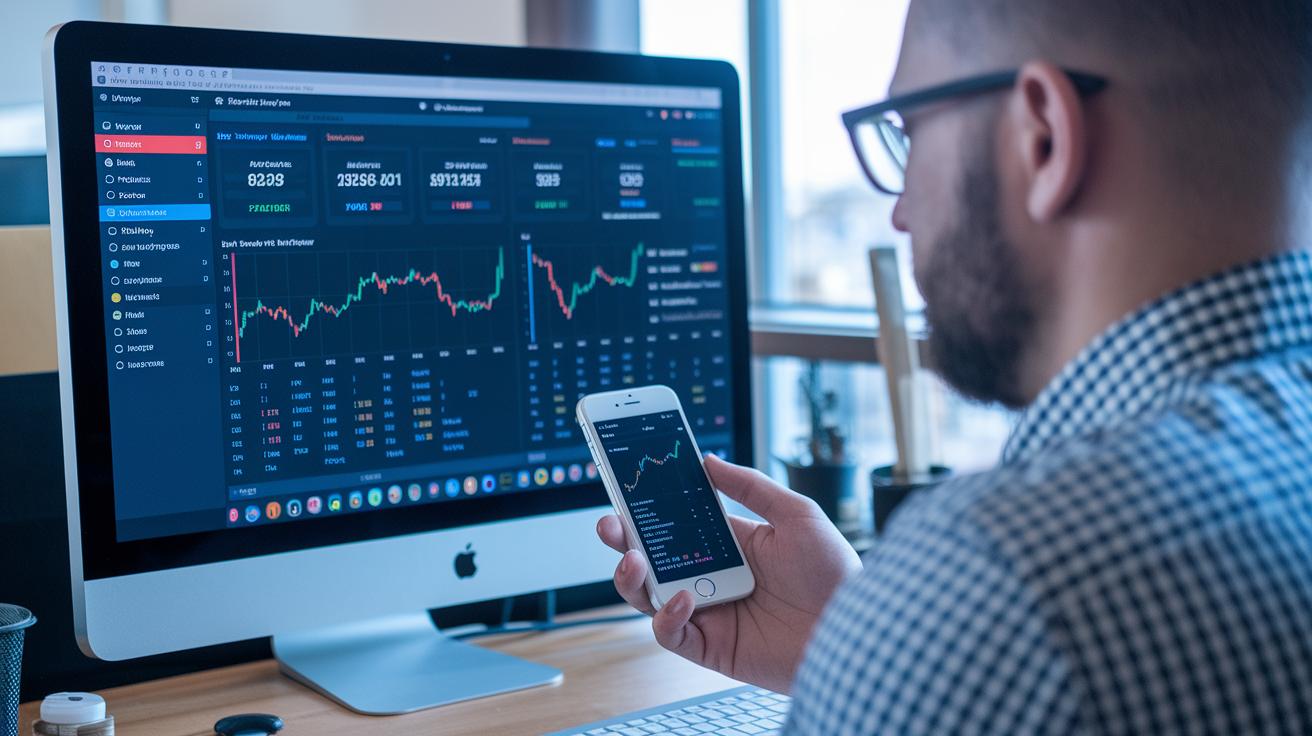
Smart contracts on Ethereum help automate money transfers in DeFi protocols. They work like set rules that let digital money move between users without needing a middleman. For instance, a pre-set agreement automatically transfers funds when certain conditions are met, kind of like paying a bill triggers an automatic payment. If you’re curious for more details, check out smart contracts on blockchain.
For global payments, blockchain speeds things up by using digital ledger fingerprint techniques. Instead of waiting days and paying high fees for international transfers, transactions settle in minutes. This quick flow of cryptocurrency means money gets to its destination fast and securely, making global payments smoother and more reliable.
Banks and other financial institutions now use blockchain to track cryptocurrency records. This approach helps them meet important rules like AML (to stop money laundering) and KYC (to verify identities). By looking at these on-chain records, which are public details of each transaction, experts can trace suspicious money flows and spot fraud. It’s a clear and trusted way to keep an eye on the system.
A newer trend is asset tokenization, where real-life items like property or artwork get turned into digital tokens. This lets people own parts of these assets and makes it easier and quicker to trade them. This fresh idea not only opens up new types of investments but also changes how we think about owning property in the digital age.
Blockchain Transaction Tracking: Explorers and Analytical Tools
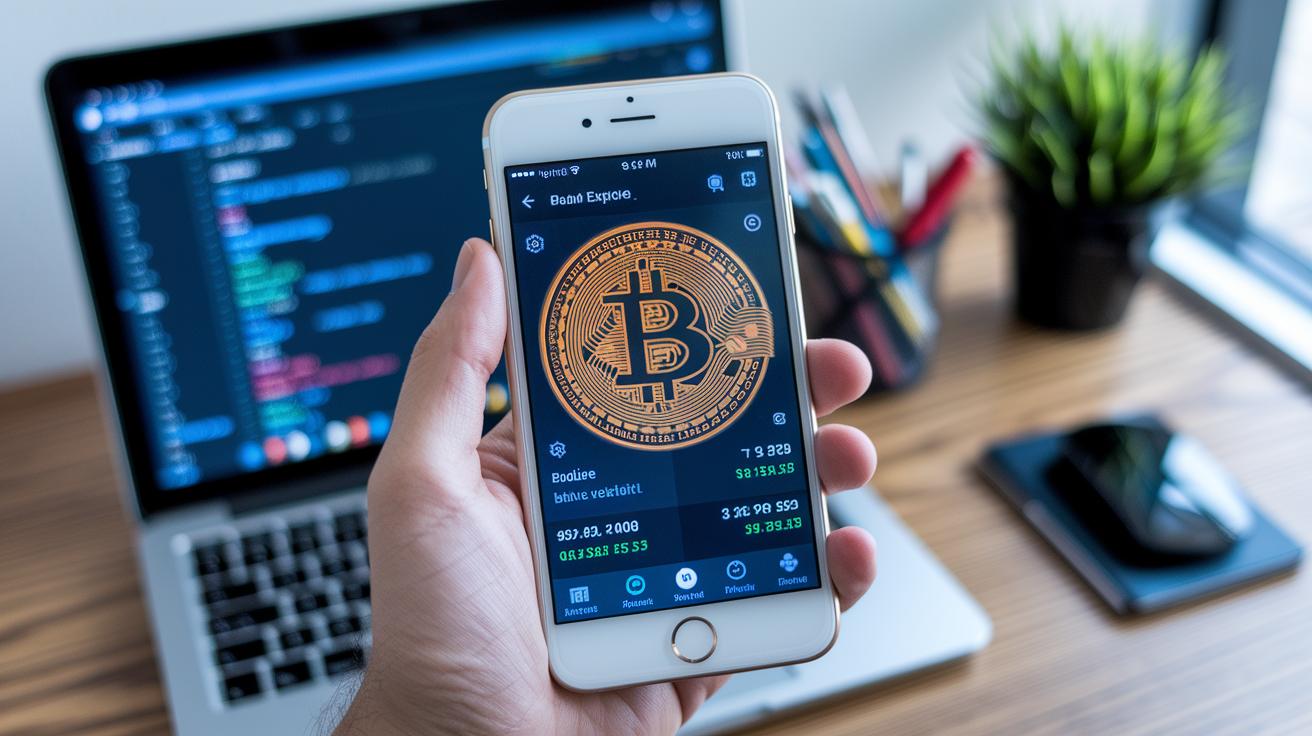
Public blockchain explorers let you view detailed records like transaction IDs, block numbers, sender and recipient addresses, timestamps, and even gas fees (the cost paid to process transactions). They act like clear windows into how digital assets move across the blockchain – a decentralized digital ledger. For example, you can check one transfer by searching its unique transaction ID or review an entire wallet's activity to watch transactions in real time. This kind of tracking helps keep digital finance open and trustworthy.
These explorers also come with smart search tools that make it easy to pinpoint what you need. You can sift through millions of entries, look up specific transaction IDs, or filter by wallet addresses to see the flow of digital assets clearly. Some platforms even group linked wallet addresses and spot unusual patterns, making it easier to notice anything off. In short, these features help you stay informed about everyday transactions.
For a closer look at complex data, advanced analytics tools offer enterprise-grade functions like compliance checks, risk reports, and monitoring features. They create detailed reports and visual dashboards that help institutions track suspicious activity and keep a strong audit trail. By blending simple exploration with high-level analysis, blockchain explorers provide reliable insight into digital finance for everyone.
Common Challenges and Future Outlook for Blockchain Transactions

Sometimes, when too many transactions happen at once, a blockchain network can get overwhelmed. This overload can slow down how quickly your transfer is confirmed and may bump up your fees. It’s like trying to squeeze too many people through a small door – the flow gets jammed and everyday payments start feeling delayed.
Balancing full transparency with personal privacy isn’t easy either. Every transfer is written down on a public ledger, which means all the details are visible. But too much openness can make people worry about their privacy. New ideas, such as privacy-focused blockchains (which keep your personal info shielded) and layer-2 rollups (that add an extra layer to help manage transactions), are stepping in to protect your details without hiding the overall flow.
Security is still a big worry. There are risks like 51% attacks, where a single group might control more than half of the network, or problems in smart contracts (self-executing contracts with the terms directly written into code). Flaws like reentrancy bugs or issues with transaction order can sometimes invite shady behavior. Experts are working hard to build better safeguards and code practices to keep your digital funds safe and sound.
Looking forward, there are several promising improvements on the horizon. Techniques like sharding (splitting the network into smaller parts), cross-chain interoperability (allowing different blockchains to work together), and upgraded consensus algorithms (methods that help the network agree on transactions) are set to boost efficiency and lower costs. In short, these advances aim to ease network congestion and simplify fee structures, making blockchain transactions a stronger and friendlier part of the global digital finance scene.
Final Words
In the action, we explored blockchain transaction fundamentals, breaking down its data fields and examining how transactions capture sender details, amounts, and timestamps. We also discussed the process that validates and records each move on a transparent ledger.
Clear steps show how transactions move from creation to confirmation, building trust while keeping costs in check and speeds high.
Our discussion also highlighted use cases from smart contracts to asset tokenization, offering insights and strategies for digital asset portfolios. This guide brings us closer to mastering blockchain transactions.
FAQ
What is a blockchain transaction tracker and explorer, and how do they work?
The blockchain transaction tracker displays details of individual transfers recorded on a public ledger by showing transaction IDs, hashes, sender and receiver addresses, timestamps, and more. It offers free verification tools.
What is a blockchain transaction?
The blockchain transaction is a recorded digital asset transfer on a public ledger that lists sender and receiver details, amount, time of transfer, and a unique transaction ID. It ensures transparency and immutability.
How do I trace a blockchain transaction?
Tracing a blockchain transaction involves querying a blockchain explorer by entering a transaction ID or wallet address. The tool then displays details like confirmation status, timestamp, and amount, providing a verifiable record.
How do I get my money from blockchain?
Getting your money from blockchain means transferring digital assets from your crypto wallet. The process involves sending funds, which, once confirmed on the public ledger, become available for spending or further transactions.
How secure is a blockchain transaction?
The security of a blockchain transaction comes from cryptographic signatures, decentralized validation, and immutable ledger records. These processes work together to protect asset transfers from tampering and fraud.
How do I create and use a crypto wallet, including a Bitcoin wallet?
Creating and using a crypto wallet involves downloading an app or using an online platform to generate a unique wallet address. Your wallet holds digital assets and facilitates secure transactions, including Bitcoin transfers.
How do I track a CoinFlip transaction?
Tracking a CoinFlip transaction means entering its details into a blockchain explorer tool. The platform then shows confirmation records and status updates, helping you verify the progress and legitimacy of your transaction.
