
Ever wonder if digital deals can really work in the real world? Imagine a trusted messenger who brings you all the info needed to unlock a smart contract's potential. Smart contracts are like digital promises that automatically do what they're designed for once conditions are met.
Blockchain oracles act just like that messenger. They gather fresh, real-time data (think of it as the steady pulse of market activity) and double-check every detail before it reaches the system. It’s like having a team of reliable reporters making sure each smart contract gets the exact update it needs.
This new approach is stirring up innovation by ensuring digital agreements always act on clear, accurate information. And in doing so, it makes the world of digital contracts a little more trustworthy and a lot more connected to the everyday world.
How Blockchain Oracles Integrate External Data with Smart Contracts
Blockchain oracles work like trusted messengers, carrying vital real-world information to smart contracts on the blockchain. They are third-party platforms that fetch details like asset prices, transaction statuses, or sensor readings (basic measurements from devices), making it possible for smart contracts to use data from outside sources.
They gather information from sources such as web APIs (online data services) and physical sensors, check that the details are correct, and pass them on securely. Think of it like a reliable courier delivering a verified note through a locked door, so that the smart contract can open up and act exactly as it should.
By ensuring that every part of the network receives the same accurate data, oracles help digital systems run smoothly and securely. In short, these services form the backbone of real-time, secure digital transactions by bridging the gap between the physical world and the blockchain.
Blockchain Oracle Sparks Smart Contract Innovation

Blockchain oracles use a layered system to take raw outside data and turn it into information smart contracts can use. Off-chain provider nodes work like a team of reporters, scanning the internet for real-time updates from sources like public APIs and physical sensors. Imagine these nodes gathering news before passing it along to data aggregators. A group of blockchain nodes then works together to make sure every part of the system gets the same trustworthy update.
Next, data aggregators combine several sources into a distributed feed network. Think of it like mixing a few different fruit juices to get a steady, full flavor. This setup boosts reliability by requiring data from many independent sources. After that, consensus mechanisms act like quality controllers, checking if the information fits the pattern we expect.
Then smart contract adaptors take the verified data and change it into a format the blockchain can understand. It’s a bit like translating spoken language into clear written instructions that everyone trusts. Cryptographic relay protocols back up the process by securely passing on the information and keeping it safe from tampering. And modular API connector solutions help by smoothly adding new data feeds as they pop up.
In short, all these parts operate in sync to deliver secure, tamper-resistant data straight to smart contracts. This solid and dependable design helps developers build creative apps that rely on fast, accurate, real-world updates. It's quite the team effort, pushing the limits of what smart contracts can do.
Blockchain Oracle Sparks Smart Contract Innovation
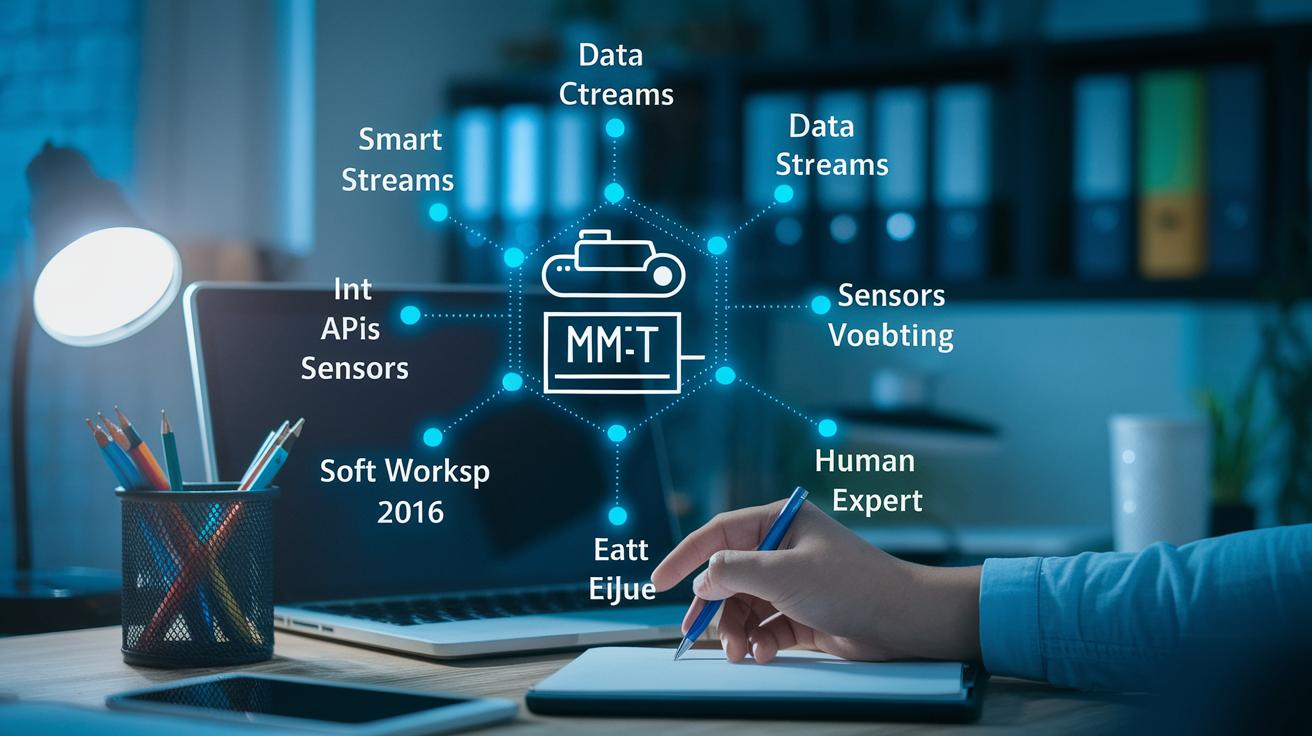
Blockchain oracles act like trusted messengers, bringing in data that smart contracts need to work properly. Some oracles pull data from online sources like APIs and web feeds, while others rely on devices like sensors to capture real-world info. And sometimes, a person’s judgment steps in when things need a little extra nuance, kind of like getting advice from a friend who understands the situation.
At the center of this process is something called the off-chain provider. These providers gather information from outside the blockchain and pass it safely to smart contracts. A smart contract adapter then reshapes the data so it fits perfectly with the blockchain’s rules.
Oracles also come in different types depending on how data is handled. Inbound oracles fetch external information and bring it onto the blockchain, whereas outbound oracles take events from the blockchain and send them out to other systems. People still debate which model works best, centralized or decentralized, each offering its own mix of benefits and challenges.
For projects that demand top-notch smart contract integration, some teams turn to an on-chain external connector. This acts as a bridge that connects blockchain systems to external networks, ensuring everything flows smoothly and securely.
Security and Reliability Challenges in Blockchain Oracle Networks

Blockchain oracles come with built-in risks. Blockchains need clear, exact data and can’t pull in outside information on their own. This means when one data source fails or is tricked, the whole system can suffer, much like depending on one faulty weather sensor that sends wrong signals.
To fix this, many systems now use several independent verification nodes. These nodes check the data from outside sources before it reaches the blockchain. Think of it as asking a group of trusted friends to confirm a fact instead of relying on just one person.
There’s also a smart check process that adapts as new risks are discovered, keeping the data accurate even when things change. Along with this, an extra method confirms the trustworthiness of each data point. Together, these measures build a solid, secure system that helps smart contracts work with reliable, tamper-proof data no matter what challenges pop up.
Comparing Leading Blockchain Oracle Providers

Top blockchain oracle providers are changing how smart contracts work. They turn real-world data into trusted on-chain inputs by mixing off-chain data systems with simple on-chain adaptors. Think of it like gathering temperature readings from several sensors and blending them into one clear reading. That’s pretty much what these data aggregators do for the blockchain.
Chainlink launched on Ethereum in 2019, and today it has a market cap of about $1 billion. It acts like a dependable messenger, feeding secure data into both layer one and layer two networks as well as various decentralized apps. Its strict protocol standards make sure that information from many sources is reliable and hard to tweak. It’s similar to a friend who always delivers the truth.
Band Protocol runs on Cosmos’ BandChain. It offers a decentralized, cross-chain oracle that efficiently collects and shares data via an API-driven relay service. This method helps to make the data more reliable by using a smart agreement-based gateway across several networks.
Decentralized Information Asset (DIA) is all about DeFi. It brings transparent price feeds to the decentralized finance world by rewarding many network players. This setup makes DIA a key figure in providing accurate and well-combined data streams.
API3 connects traditional information sources straight to smart contracts using decentralized APIs. Its clear, straightforward approach easily turns off-chain data into on-chain information, all while upholding high verified protocol standards.
| Provider | Year Launched | Platform/Chain | Key Feature |
|---|---|---|---|
| Chainlink | 2019 | Ethereum | Decentralized data feeds with strong market adoption |
| Band Protocol | N/A | Cosmos (BandChain) | Cross-chain oracle with tamper-resistant delivery |
| DIA | N/A | Various | Transparent DeFi price feeds via crypto-economic incentives |
| API3 | N/A | Ethereum | Direct connection to traditional data via decentralized APIs |
These providers keep evolving by improving their decentralized node networks, consensus methods, and API connector solutions. In short, they make sure smart contracts always get a steady and reliable flow of real-world data.
Practical Use Cases for Blockchain Oracles across Industries

Blockchain oracles help smart contracts act when real-life data changes. In other words, when a certain condition happens, the system takes action automatically. For example, in decentralized finance, oracles pull live asset prices so trades settle instantly. And in betting or prediction markets, they confirm outcomes, while blockchain games use trusted external data to decide in-game events.
NFT platforms use oracles to update token details in real time, keeping metadata accurate without any manual work. Insurance products can automatically pay claims once predetermined conditions are met. Supply chains benefit too, they rely on IoT sensor feeds to track shipments. Even synthetic asset platforms, such as those using UMA’s financial contracts, use oracles to mirror real-world derivatives based on actual market data.
In short, successful oracle use depends on:
| Key Factor | Description |
|---|---|
| Accurate Information | A strategy that ensures every piece of data is spot on. |
| Smooth Data Flow | A plan that blends feeds from different sources seamlessly. |
| Interoperability | A design that makes various blockchain systems work together effortlessly. |
Also, real-time sourcing techniques verify geospatial data from networks like XYO, which confirms locations right away. These examples show how oracles can turn traditional systems into efficient, automated processes.
Final Words
In the action, we covered how blockchain oracles connect smart contracts with real-world data and improve digital finance. We looked at their layered structure, data verification steps, and various types that suit different needs. We also touched on key security challenges and compared leading providers. Each section shows small, practical steps to building a strong digital asset portfolio. With clear insights and actionable strategies, investors can approach digital finance with confidence and optimism.
