
Ever thought about how cool it would be if your smart devices kept their conversations completely secure? Blockchain (a secure digital ledger that records every transaction) and IoT (Internet of Things, a network that connects everyday devices) work together to build a system where every data exchange is copied several times.
Picture playing a card game where every move is visible to all players. No secret tricks, just open and honest play. This setup lowers risks that used to threaten whole networks. It makes trusting your data feel safe and fair.
In this post, we chat about how these spread-out networks bring solid security and dependable data to both our daily gadgets and businesses.
Blockchain IoT Overview: Security, Data Integrity, and Decentralization

Blockchain and IoT join forces to build a network that puts trust and secure data sharing first. This means every device operates in a peer-to-peer setup where transactions get recorded without a boss controlling everything. Fun fact: before blockchain boosted IoT security, one bad node could put the whole system at risk.
Blockchain uses a distributed ledger (a secure, shared database that everyone can check) to record every transaction from IoT devices on many copies of the record. This makes fraud much harder because no single device rules the data. Think of it as throwing a deck of cards in a friendly game where every move is visible, businesses enjoy quicker trades and save on costs. Even if one node has a hiccup, the network keeps rolling, showing off its strong, resilient design.
The clear, transparent nature of this system is a real win. With built-in trust mechanisms, every device can verify data in real time. Imagine a smart sensor sending weather updates; the network instantly confirms the details so there’s no chance for mistakes or tampering. This setup helps everyone feel confident that the information is true and secure.
Instead of a single central server, decentralization means each device holds its own copy of the record. This removes the risk of one weak link taking down the entire network. When a part of the system faces a challenge, the rest keeps working smoothly. In short, this decentralized design is key to ensuring continuous, reliable data integrity and secure operations.
Blockchain IoT Architecture and Core Protocols
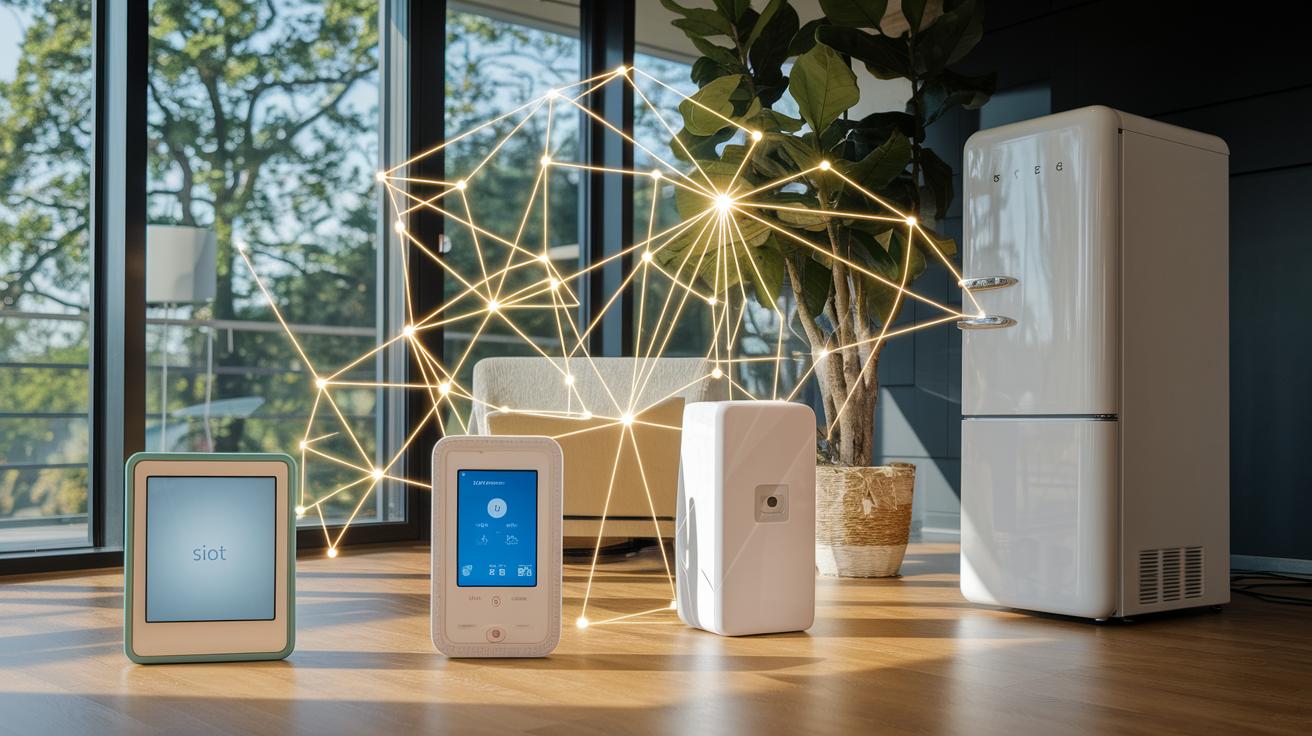
IoT devices, from simple sensors to advanced processors, collect information and share their findings. Each device works on its own while adding value to a bigger network, all without one central boss.
In a blockchain-secured IoT system, every device keeps its own copy of verified data. Think of it like a shared digital diary that updates in real time, this way, no single error brings down the whole system.
These networks now use smart contracts, which are self-running programs that check conditions automatically. It’s a bit like a vending machine that hands out a snack as soon as you drop in a coin. This step makes transactions both faster and more efficient.
The whole setup is built to fix itself. If one node stumbles, the others keep the record safe. This team effort ensures the system stays strong, even when problems pop up.
Security and Data Integrity in Blockchain IoT Systems
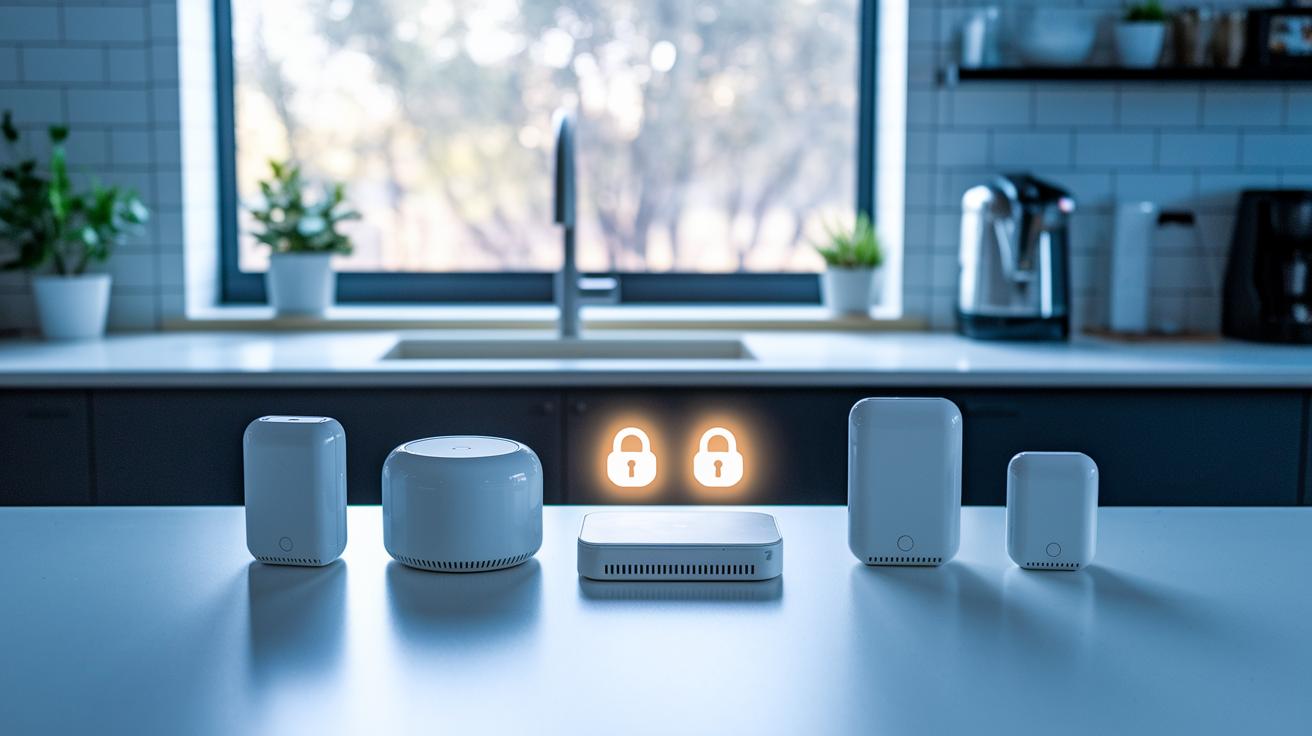
Blockchain IoT networks use smart device encryption to keep your data safe, whether it’s stored on a device or traveling between devices. In simple terms, when data is resting or on the move, it’s locked up tight with advanced digital keys. And you know what’s really interesting? Early blockchain projects found that even small mistakes with encryption could leave data exposed, so solid security is a must.
In these networks, every transaction is double-checked. Lots of devices need to agree on a transaction before it goes through, which means there’s little chance for sneaky changes. Since transactions happen directly between devices, there’s no middleman involved, so your sensor data stays exactly as it should.
Each new block is linked to a record of past transactions with a clear timestamp. Think of it like a diary where every entry is dated, if someone tries to fiddle with the data, it shows up right away. And with real-time checks on every device, the whole system runs as smoothly as a well-oiled machine.
- Real-time checks on each device before any transaction
- End-to-end encryption that protects your data at every step
- Unchangeable logs that mark every event with a trustworthy timestamp
- Device-level encryption that secures each copy of your data
- Access control with digital keys, so only the right people can get in
All these features work together to build a tough safety net for IoT networks. With strong encryption, shared agreement among devices, and constant validation, operational costs drop and everything runs more efficiently. Plus, your sensitive information stays secure at every turn.
Real-World Blockchain IoT Use Cases and Applications

Across many fields like shipping, smart homes, and farming, blockchain-powered IoT is already making life easier. Smart sensors (little devices that notice changes around them) now track important details, while secure data sharing builds trust and lowers costs. Take shipping containers, for example. Tracking them live makes the whole supply chain clear to everyone. And think about smart homes: biometric systems (using facial or voice recognition to check who’s there) keep your space safe. Even in farming, sensors help watch over crops so farmers can get the best yields. All these examples show how mixing blockchain (a secure digital record) with IoT streamlines everyday work and makes data super secure.
| Industry | Use Case |
|---|---|
| Logistics | Live tracking of shipping containers |
| Home Automation | Secure access with biometric systems |
| Agriculture | Sensor monitoring of crop conditions |
These real-life uses prove that blockchain in IoT isn’t just cool, it saves money and amps up efficiency. In shipping, smart sensors give real-time updates that cut out a lot of manual work and extra costs. Homes get a boost too, as token-based checks keep unwanted guests out and even reduce energy bills. On the farm, sensor data means problems can be spotted before they turn into crop loss. In short, moving away from old server systems to a decentralized approach makes things run smoother. Plus, being able to quickly verify transactions and tweak operations based on fresh data helps businesses stay quick on their feet and keep growing in a fast-changing world.
Implementation Challenges in Blockchain IoT Integration

A common problem in blockchain IoT integration is how to store and manage data. With distributed systems, every device in the network holds a full copy of the ledger (a digital record of transactions), which makes expanding the system a tough job. As more devices join, the burden of extra data keeps growing.
Another challenge is the energy needed to run these systems. Operating many IoT devices all day takes up a lot of power, especially when dealing with heavy tasks like automated contract management. And then there’s the tricky part of keeping up with ever-changing rules and regulations. Local and global laws often force frequent updates to the protocols, which can lead to issues when new gadgets need to work with older setups. In short, high energy use, compliance demands, and integration hurdles mean that not every platform can switch to blockchain without careful planning.
So, what’s the way forward? Solutions include fine-tuning protocol updates, adopting energy-saving networking methods, and aligning execution practices with regulatory requirements. These targeted tweaks can cut down risks and help build IoT networks that are both strong and smooth.
Future Trends in Blockchain IoT Innovations

New digital record systems and advanced data shields are setting a fresh pace in technology. Think of these shields, known as quantum-resistant protocols, as super-strong barriers that keep your information safe even when future computers outsmart today’s ones. Companies are now trying out new ways for devices to agree on data, mixing in these advanced shields with stronger locks on information. It’s like having smart sensors that check themselves before sharing any data.
These innovations are starting to show their benefits in many fields like hospitals, factories, energy systems, and tracking valuable items. Imagine a hospital where smart devices instantly confirm treatment details or power grids that naturally adjust to save energy, all without a human having to step in. Basically, this new wave of tech is making everyday systems cheaper and more accurate. In short, as research continues, expect these smart agreements and sturdy data shields to keep evolving, making secure digital networks even more reliable and efficient.
Final Words
In the action, we explored how blockchain iot elevates security and solidifies data integrity in digital asset management. We looked at decentralized protocols that protect transactions, practical use cases across industries like logistics and home automation, and the challenges that come with integrating these smart systems. The discussion also brought forward emerging trends and innovative architectures that make digital investments both secure and promising. Every insight shared brings digital investors one step closer to building portfolios that really stand strong.
FAQ
What are some blockchain IoT projects, examples, and tutorials?
The blockchain IoT projects showcase real-world examples like smart home devices and supply chain tools. They offer step-by-step tutorials and even pdf guides to help you understand practical integration methods.
How does blockchain enhance IoT security?
The blockchain in IoT enhances security by recording data in a distributed ledger that is hard to alter. This method secures device communications and bolsters data integrity without needing a central authority.
What differentiates IoT from blockchain?
The difference between IoT and blockchain is that IoT connects devices to share data, while blockchain secures this data in an immutable ledger, providing transparency and trust without centralized control.
What is the role of blockchain in IoT?
The blockchain in IoT serves as a secure record-keeper where transactions among devices are verified and permanently logged. This process ensures data remains trustworthy and reduces potential fraud.
What are the 4 types of blockchain networks?
The four types of blockchain networks include public, private, permissioned, and consortium. Each type defines different access rights and validation processes, catering to varying levels of transparency and control.
What are the 4 types of IoT?
The four types of IoT generally feature sensor-based devices, smart home gadgets, wearables, and industrial IoT systems. Each category addresses specific needs across everyday and business applications.
How big is the blockchain IoT market?
The blockchain IoT market is rapidly expanding as more industries adopt secure, decentralized solutions. It is projected to grow substantially, driven by rising demand for enhanced security and efficiency.
